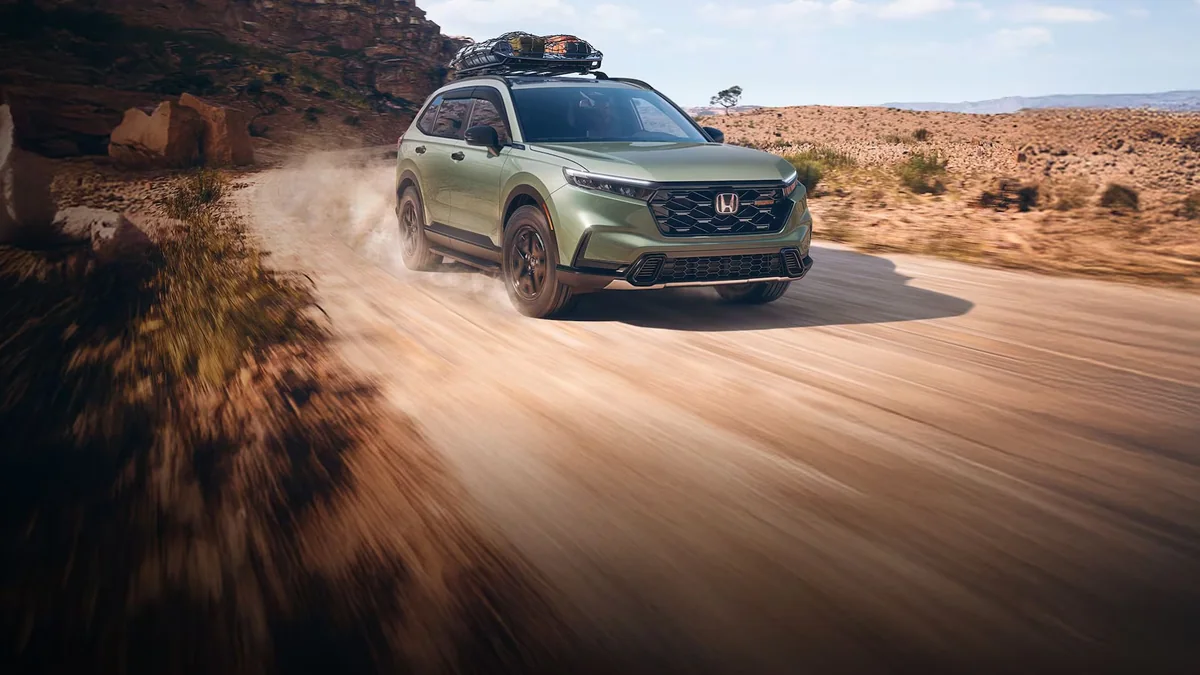
The Honda CR-V Hybrid is not trying to shock anyone. It is designed for buyers who want a comfortable family SUV that uses less fuel, feels easy to drive, and does not turn every ownership decision into a technology debate. That quiet confidence is the CR-V’s biggest strength.
My advice: I would put the Honda CR-V Hybrid high on the list for families who want comfort, space, and predictable ownership. It is less flashy than some rivals, but that is exactly why it works for many daily drivers.

Why the CR-V formula still matters
Honda’s best family cars usually feel human. The seats are sensible, visibility is good, controls are understandable, and the cabin is built around daily life rather than showroom drama. The CR-V Hybrid continues that logic with a powertrain that reduces fuel use without asking owners to plug in.
For many buyers, this is the sweet spot. They want electrification, but they do not want range anxiety, charging installation, or complicated charging apps. A hybrid gives them a quieter, more efficient SUV while keeping normal fuel stops.
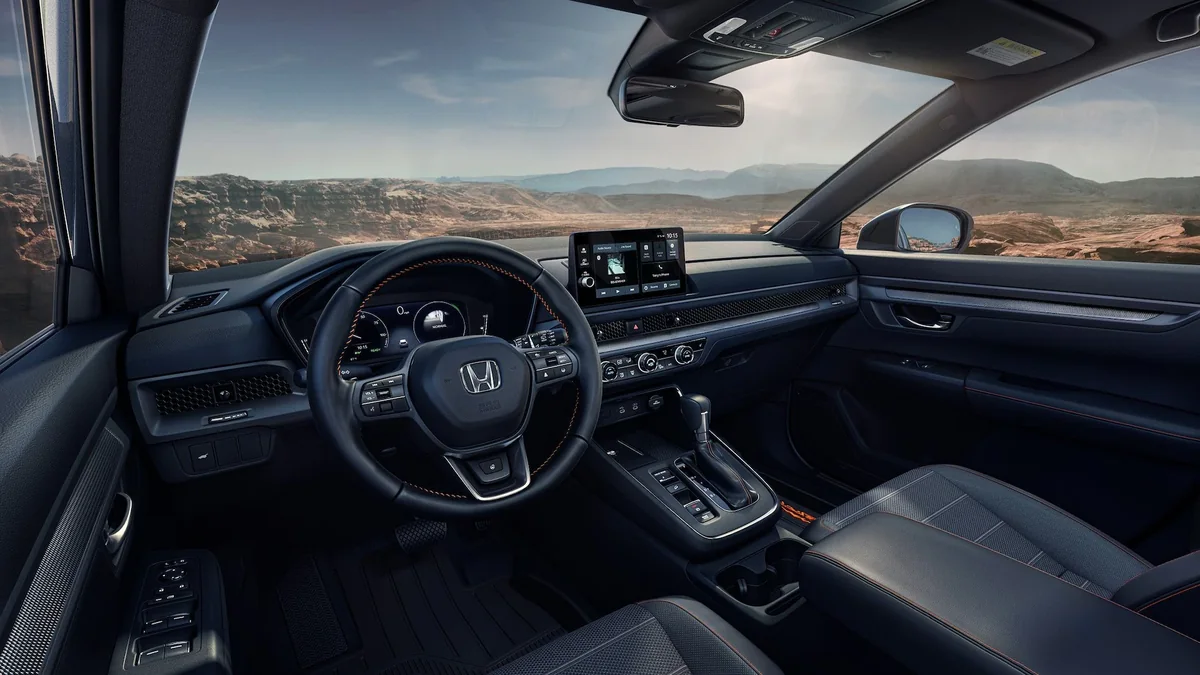
Comfort over excitement
The CR-V Hybrid is not the SUV to buy if you want aggressive handling or dramatic acceleration. It is the SUV to buy if you spend time in traffic, carry family members, and want to arrive without fatigue. Smooth low-speed behavior matters more than sport mode.
Ride comfort, seat support, climate control, and cabin storage are the details that make this car valuable. These are not flashy features, but they improve life every day.
What should buyers check?
First, test the hybrid powertrain on the roads you actually use. Some hybrids feel excellent in the city but noisier under hard highway acceleration. Make sure the engine sound and transmission behavior do not bother you.
Second, compare trim levels carefully. Safety features, screen size, seat materials, audio systems, and convenience equipment can vary by market. The best-value trim may not be the cheapest one.
Third, check dealer support and parts availability. Honda has a strong reputation in many countries, but hybrid-specific service quality still matters.
Who should consider it?
- Families who want a comfortable midsize SUV.
- Drivers who want hybrid fuel savings without charging.
- Buyers who value simple controls and practical cabin design.
- People who plan to keep the car for many years.
Who should skip it?
If you want a sporty SUV, a luxury cabin, or pure EV silence, the CR-V Hybrid may feel too ordinary. It is designed to reduce stress, not raise your pulse.
RAV4 Hybrid or CR-V Hybrid?
The Toyota RAV4 Hybrid often wins on reputation and resale confidence. The Honda CR-V Hybrid often appeals through cabin comfort, packaging, and a more relaxed family feel. The best choice depends on local price, warranty, wait time, and which cabin you prefer after a long test drive.
Dr. Worry recommendation
The Honda CR-V Hybrid is an easy car to understand and an easy car to live with. That is rare. It will not impress buyers chasing the newest trend, but it will make sense to people who simply want a good family SUV with lower fuel use and fewer headaches.
FAQ
Do you need to charge the Honda CR-V Hybrid?
No. The regular CR-V Hybrid charges its hybrid battery while driving.
Is it good for highway driving?
Yes, but buyers should test engine noise and passing response at highway speeds before deciding.
Is the CR-V Hybrid better than the RAV4 Hybrid?
Neither is automatically better. The CR-V may feel more comfortable, while the RAV4 may appeal through resale and Toyota’s hybrid reputation.