My advice: if you own or are shopping for a 2026 Subaru Forester or Forester Hybrid with a power moonroof, check the VIN before assuming the car is fine. NHTSA recall 26V346 is not a vague quality complaint. The recall report says the moonroof glass panel may have been improperly bonded to the sliding frame, creating a risk that the glass could detach while driving.
This is exactly the kind of issue I worry about for used-car buyers. The vehicle can look clean, drive normally, and still need a recall repair. A moonroof problem may sound minor compared with an engine or brake recall, but glass detaching at speed can become a road hazard for other drivers. If you are buying a nearly new Forester, this is now part of the inspection checklist.
What the Subaru Forester recall covers
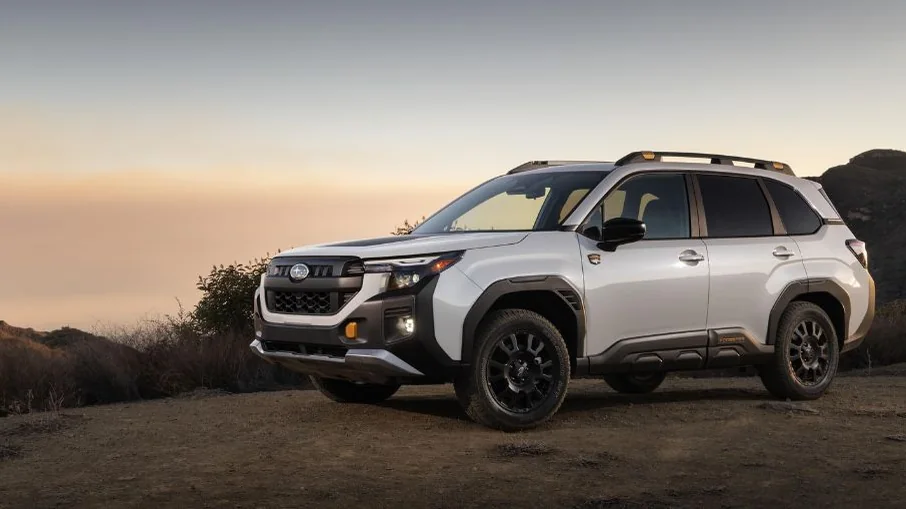
The NHTSA Part 573 recall report identifies campaign 26V346, with Subaru’s manufacturer recall number WRF-26. The report covers certain 2026 Subaru Forester and 2026 Subaru Forester Hybrid vehicles equipped with power moonroof assemblies. According to the filing, affected vehicles may have moonroof glass panels that were not properly bonded to the sliding frame.
The recall population in the report totals 69,663 vehicles: 65,656 Forester vehicles and 4,007 Forester Hybrid vehicles. The listed production windows are June 19, 2025 to March 13, 2026 for the Forester and February 20, 2026 to March 17, 2026 for the Forester Hybrid. Those dates matter, but I would still check by VIN rather than relying only on build timing.
My quick take for owners
- Do not push, tape, or DIY-seal the moonroof as a substitute for the recall repair.
- Use the VIN lookup at NHTSA or Subaru before buying or taking a long trip.
- If the moonroof makes wind noise, rattles, or looks uneven, stop treating it as cosmetic.
- Keep repair paperwork because future buyers will ask about open recalls.
- If shopping used, make recall completion a condition before delivery.
Why this recall matters
In my experience, buyers often rank recalls by how scary the component sounds. Airbag recall? Serious. Engine stall? Serious. Moonroof? Easy to ignore. That is the wrong way to think about this one. The concern is not only water leaks or cabin noise. The safety issue is possible glass detachment, which can endanger traffic behind the vehicle.
For Southeast Asian owners, I would also think about heat and rain. A bonding issue does not become more comforting when a car spends its life in direct sun, humidity, and monsoon downpours. Even if the affected vehicles are U.S.-market units, recall history matters for imported used vehicles because gray-market cars can move across borders after the first owner sells them.
How I would check a Forester before buying
First, run the VIN through NHTSA’s recall lookup if the car is U.S.-market. If you are outside the U.S., ask the seller or importer for the original market, VIN documentation, and Subaru service history. Do not accept “no warning light” as proof that recall work is complete. Recalls are not always visible from the driver’s seat.
Second, inspect the roof area in daylight. Look for uneven glass seating, strange seal gaps, excess sealant, water staining around the headliner, or wind-noise complaints on the test drive. I would not reject a car only because it was included in a recall. I would reject a seller who cannot prove the repair status clearly.
How this differs from Subaru buyer advice articles
WorryCars has already looked at Subaru products from a buyer-angle, including the 2027 Forester Wilderness Hybrid, the 2026 Outback, and the 2026 Crosstrek Hybrid. This recall guide is different. It is not about whether the Forester is a good family SUV. It is about one specific safety campaign that owners and used buyers should verify before money changes hands.
That distinction matters. A good model can still have a recall. A recall can be handled cleanly. The mistake is pretending the recall does not exist because the brand has a strong reputation. Subaru’s reputation for practical AWD vehicles does not remove the need for paperwork.
What owners should do now
If your Forester is affected, schedule the recall repair with Subaru and ask exactly what will be inspected or replaced. Keep the appointment confirmation and final repair order. If you hear abnormal roof noise before the appointment, avoid opening the moonroof and call the dealer for guidance. I would also take clear photos of the roof and headliner before service so you have a condition record.
If you are currently negotiating a purchase, ask the dealer or seller to complete the recall before delivery. For private sales, use the open recall as a reason to pause, not panic. The right answer is documentation, not a vague promise. If the seller is impatient about that, I would walk away.
What I would check before signing
- VIN recall status from NHTSA, Subaru, or the original-market authority.
- Whether recall WRF-26 / NHTSA 26V346 is open, completed, or not applicable.
- Service invoice showing the repair, not just a verbal claim.
- Moonroof glass alignment, seal condition, and wind noise on the test drive.
- Water stains around the headliner, sunshade, grab handles, and overhead console.
- Whether the vehicle was imported from a market where recall follow-up may be harder.
FAQ
Does this recall affect every 2026 Subaru Forester?
No. The NHTSA report defines a specific recall population. The correct way to know is to check the VIN, not guess by model name alone.
Is the Forester Hybrid included?
Yes, certain 2026 Forester Hybrid vehicles are listed in the NHTSA recall report. The report lists 4,007 potentially involved Forester Hybrid vehicles.
Should I avoid buying a recalled Forester?
Not automatically. I would avoid buying one with unclear recall status. A completed recall with paperwork is very different from an open recall and a seller who wants you to ignore it.
My final recommendation
I would still consider a 2026 Forester or Forester Hybrid if the car fits your needs, but I would make recall verification non-negotiable. The moonroof campaign is simple to check and important enough not to leave for later. Before you sign, get the VIN, confirm the status, inspect the roof, and keep the paperwork. That is the difference between a practical Subaru purchase and a problem you inherit from someone else’s shortcut.