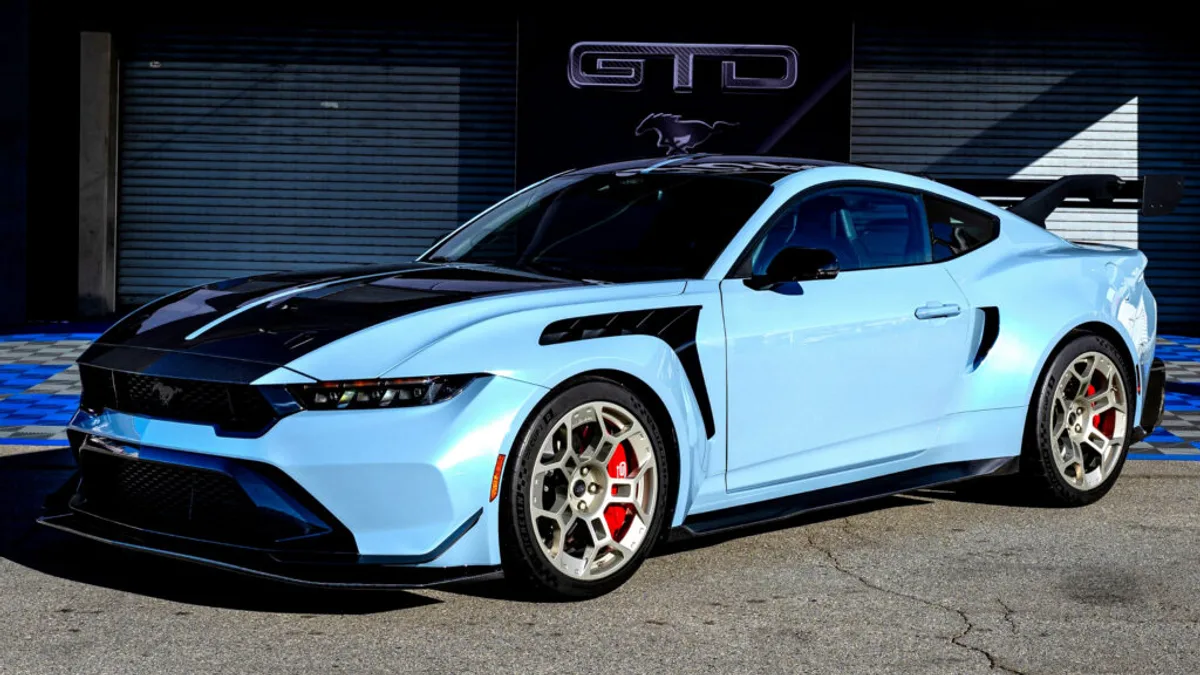
Dr. Worry’s verdict: Do not wait for winter to address the Ford Mustang recall, and do not ignore the Mach-E differential campaign until symptoms force your hand. The gas Mustang issue is a visibility hazard in freezing conditions that requires proactive parts availability checks, while the rear-wheel-drive Mach-E presents a mechanical failure risk involving propulsion loss and parking security. Treat these as distinct safety events requiring specific owner behaviors.
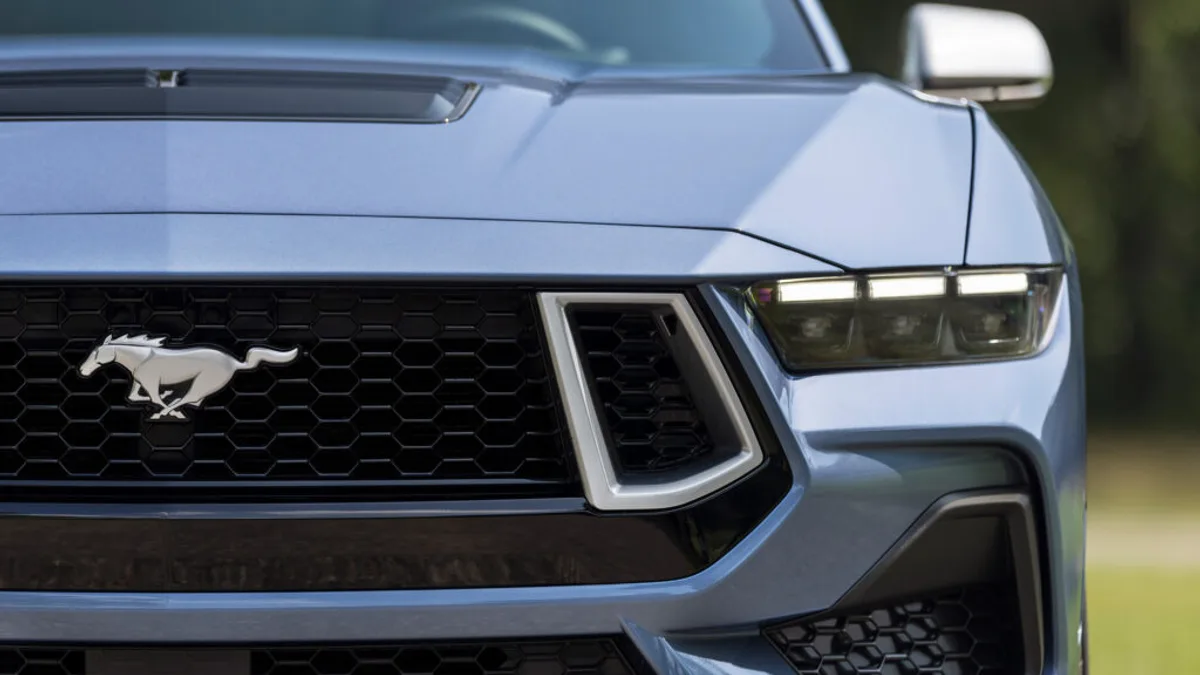
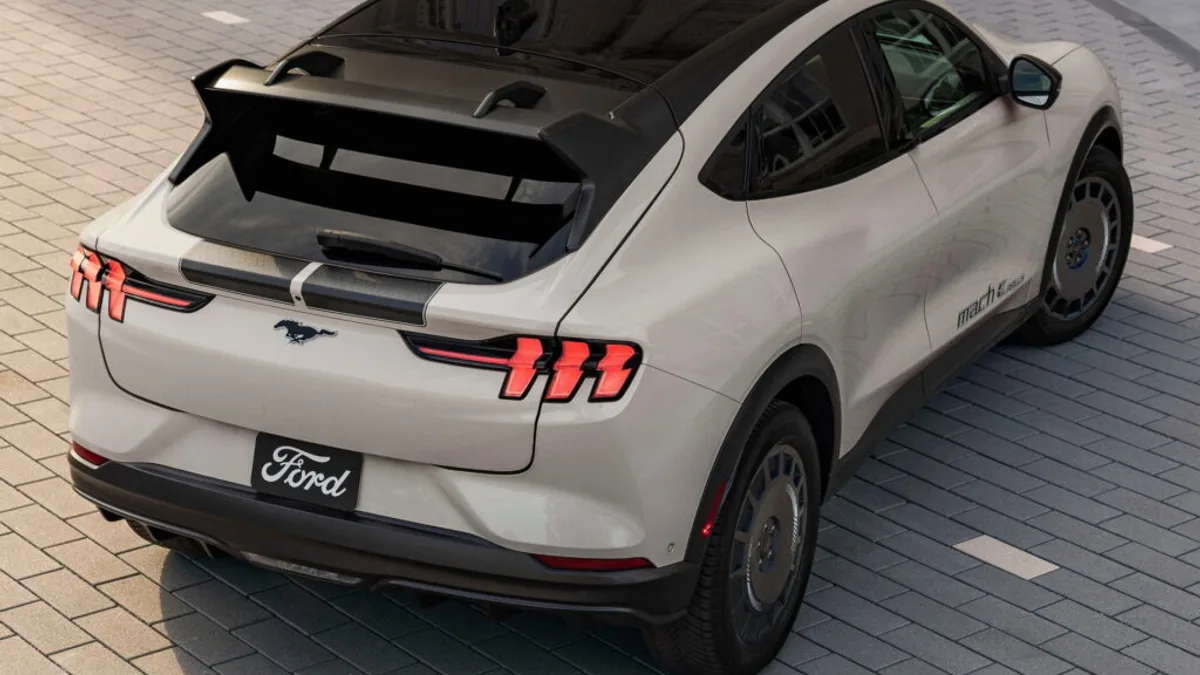
Carscoops reports that Ford has issued two separate campaigns covering more than 110,000 vehicles. The first affects approximately 67,842 examples of the 2024-2026 gasoline Mustang because a programming issue in the front wiper motor can impair operation during freezing temperatures. The second campaign impacts roughly 42,784 rear-wheel-drive 2021-2023 Mustang Mach-E crossovers due to potential fracture of the rear differential pinion shaft from bending fatigue.
Quick Takeaways
- The gas Mustang recall centers on cold-weather wiper and washer operation failure.
- The Mach-E recall addresses a mechanical defect in rear differential pinion shafts that can lead to driveline fracture.
- Mach-E symptoms include sudden propulsion loss or unintended vehicle movement after shifting into Park if the parking brake is not engaged.
- Owners should verify VIN status immediately rather than waiting for owner letters, as parts availability may be delayed until 2027 for wiper repairs.
The factual baseline for this guide comes from the primary official or regulatory source. I use those published details as inputs; the buyer and ownership judgment is my own.
Why These Recalls Are Not The Same
The Mustang coupe problem relates strictly to visibility. Wipers that fail in cold weather are not merely an annoyance; they create a dangerous situation when the windshield is wet, icy, or covered in road spray. Conversely, the Mach-E problem is mechanical and potentially more expensive to resolve long-term. A failed rear differential component can strand the vehicle on public roads or create significant parking-security concerns if the car rolls unexpectedly.
Both issues are safety-related, but the required owner behavior changes differ significantly based on the drivetrain technology involved. For a gas Mustang in a warm market, urgency may feel low initially, yet used cars move across states and countries where climate conditions vary drastically. For a Mach-E, I would be more proactive even in warm climates because the differential issue is not tied to winter visibility; it is an inherent mechanical fragility.
What Gas Mustang Owners Should Do
If you own a 2024-2026 Mustang, check whether your VIN is included and ask the dealer immediately about parts availability. Cars notes that Ford has issued recalls covering over 110,000 vehicles across these models. Carscoops indicates that replacement parts for the wiper issue may not be available until late 2027 or early 2028 depending on supply chain logistics. If you live somewhere with winter weather, I would want written guidance from the dealer regarding interim safety measures.
Do not discover this problem for the first time while driving at high speed in freezing conditions. In Southeast Asia and other non-freezing markets, owners might assume they are safe indefinitely, but imported performance cars often travel later in life with higher mileage. If a Mustang is being sold as a premium used import, recall status must be documented in the paperwork. A car that cannot prove compliance with open campaigns is less attractive to buyers, even if the local climate rarely triggers the specific failure mode.
What Mach-E Owners Should Do
For rear-wheel-drive 2021-2023 Mach-E owners, I would use the parking brake every time until the vehicle is inspected and repaired. That is a critical habit similar to recommendations made in the Ford and Lincoln rollaway recall guide. If a campaign mentions possible movement after shifting to Park, the parking brake becomes cheap insurance against liability accidents.
I would also pay close attention to noises, vibration, driveline clunks, propulsion warnings on the dashboard, or any sudden change in how the vehicle moves from a stop. Do not keep driving to see if symptoms clear; EV driveline failures can escalate quickly due to thermal expansion and stress cycles. A dealership inspection is the only correct path for verifying pinion shaft integrity.
Used Buyers Need VIN Discipline
Mustangs and Mach-Es attract very different buyers, but the used-car rule remains identical: get the Vehicle Identification Number (VIN) before you fall in love with the car. For the Mustang, ask whether the wiper motor campaign is open or closed for your specific build date. For the Mach-E, ask explicitly whether the rear differential was inspected, repaired, or replaced under warranty.
If a seller cannot answer these questions definitively, assume you need to verify everything yourself through official databases. I would be especially cautious with modified Mustangs and high-mileage Mach-Es. Modifications may not cause these recalls directly, but they can distract from proper diagnosis of underlying wear patterns. A clean service history is worth significantly more than a loud exhaust note, aftermarket wheels, or a vague promise that the car has no problems.
Regional Ownership Reality
In Vietnam and much of Southeast Asia, official support for some imported Ford performance models can be uneven compared to domestic markets. A Mustang may appear easier to service mechanically than an EV like the Mach-E because it relies on conventional components rather than high-voltage systems requiring specialized tools. However, recall software updates, special diagnostic equipment, and specific EV driveline parts can still create significant downtime if local dealers lack authorization.
Before buying a used Mach-E import, I would confirm which dealer in your region has the capability to perform high-voltage work and rear-drive-unit repairs without voiding warranties. This is also where recall paperwork protects resale value. Buyers become nervous when they hear words like “differential fracture,” “unintended movement,” or “wiper failure.” A completed dealer invoice calms that conversation much faster than a seller’s verbal reassurance.
Direct Alternatives and Tradeoffs
If you are considering purchasing a used Mustang Mach-E, the primary tradeoff is between immediate availability of certified pre-owned inventory versus waiting for recall repairs to be completed. Some owners may choose to sell their vehicle before it enters the repair queue if parts shortages persist until 2027. For those unwilling to wait, alternative EV platforms from competitors like Toyota’s bZ4X or established SUVs might offer more predictable maintenance histories in the used market.
For gasoline Mustang buyers, the tradeoff is less severe regarding availability but remains critical for safety. A car with a known wiper motor issue that cannot be repaired until winter presents a liability risk if sold to an owner who lacks technical knowledge about cold-weather driving dynamics. Always prioritize mechanical integrity over aesthetic modifications when evaluating used imports.
My Owner Checklist
- Run the VIN through Ford and NHTSA recall lookup tools immediately upon purchase or ownership transfer.
- For gas Mustangs, ask dealers in writing when the wiper motor remedy or replacement part is expected to be available for your region.
- For Mach-E models, use the parking brake every time until inspection and repair are officially completed by authorized service centers.
- Watch closely for driveline noise, propulsion warnings on the instrument cluster, or movement after shifting into Park without braking.
- Keep screenshots of recall notices, appointment records, and final repair invoices in a dedicated digital folder.
- For used imports from outside North America, confirm local dealer capability to handle high-voltage systems before paying any deposit.
FAQ
Does this affect every Mustang?
No. The recalls apply strictly to specific model years (2024-2026 for gas, 2021-2023 for Mach-E), drivetrains, and VIN ranges. Checking the badge is insufficient; the VIN check matters far more than the exterior styling.
Can Mach-E owners keep driving?
I would advise checking the VIN first, using the parking brake consistently, and scheduling an inspection immediately. If symptoms such as propulsion loss or clunking noises appear, stop treating it as routine driving until a certified technician verifies the pinion shaft integrity.
Is this a reason to avoid the Mach-E used?
Not automatically if the recall status is clear and documented. I would avoid examples with unclear recall history, driveline symptoms like grinding noises, or weak service support in your local region. A clean repair record can mitigate these concerns.
What should I do if parts are unavailable until 2027?
If wiper motor replacement is delayed for gas Mustangs, ensure you have a backup plan for winter driving conditions or consider selling the vehicle before it enters high-risk weather seasons. For Mach-E owners waiting on differential repairs, strict adherence to parking brake usage and avoiding aggressive towing loads are essential interim measures.
How does this impact resale value?
Vehicles with open recalls often sell for less unless full repair documentation is provided. Buyers in markets like Southeast Asia may hesitate due to unfamiliarity with EV-specific recall procedures, so having a completed dealer invoice is crucial for maintaining market competitiveness.
Dr. Worry’s Final Recommendation
These Mustang recalls are manageable if owners act early and follow the right habits specific to each model platform. My recommendation is to check the VIN immediately upon acquisition or sale, adhere strictly to parking brake discipline for Mach-Es until repairs are complete, and keep all dealer paperwork organized.
For used buyers, recall clarity should come before negotiation leverage because a sporty badge does not make safety paperwork optional. Whether you own a gas Mustang facing wiper challenges in winter or an electric Mach-E navigating differential risks on the highway, proactive management prevents costly roadside emergencies and protects your investment from depreciation caused by unresolved manufacturer campaigns.
Remember that automotive engineering evolves rapidly, but mechanical failures like pinion shaft fractures do not wait for software updates to resolve. Treat these recalls with the seriousness they deserve: as potential safety hazards requiring immediate attention rather than minor inconveniences waiting in a queue of administrative tasks. Your peace of mind and physical safety depend on taking action now.
Stay vigilant, verify your VINs against official databases regularly, and never compromise on mechanical integrity when dealing with high-performance vehicles or complex EV drivetrains. The road ahead is safer when you prioritize verified repair status over aesthetic appeal or brand loyalty alone.