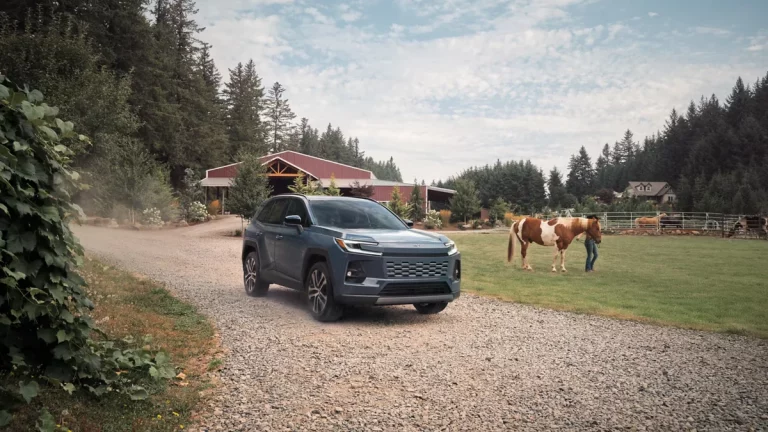
Dr. Worry’s verdict: a CVT is not automatically bad. A neglected CVT is bad. A badly matched CVT in a heavy car is bad. A CVT driven like a drag-race gearbox in Vietnam traffic is also bad. But in the right car, with proper fluid service and a calm driver, a modern CVT can be smooth, efficient, and perfectly sensible.
The internet loves simple answers: “CVT bad, torque converter good.” Real ownership is not that clean. I have seen CVT cars run quietly for years because the owner serviced them properly, and I have seen people ruin them by ignoring fluid, overheating the car, or buying a used one with no history.
Quick Takeaways
- CVT is best for: city commuting, fuel economy, gentle acceleration, and small-to-mid-size cars.
- CVT is worst for: hard launches, towing, heavy loads, poor maintenance, and drivers who hate engine drone.
- Used-car rule: service history matters more than odometer alone.
- Vietnam rule: heat, traffic, hills, and stop-start use make fluid condition especially important.
What A CVT Actually Does
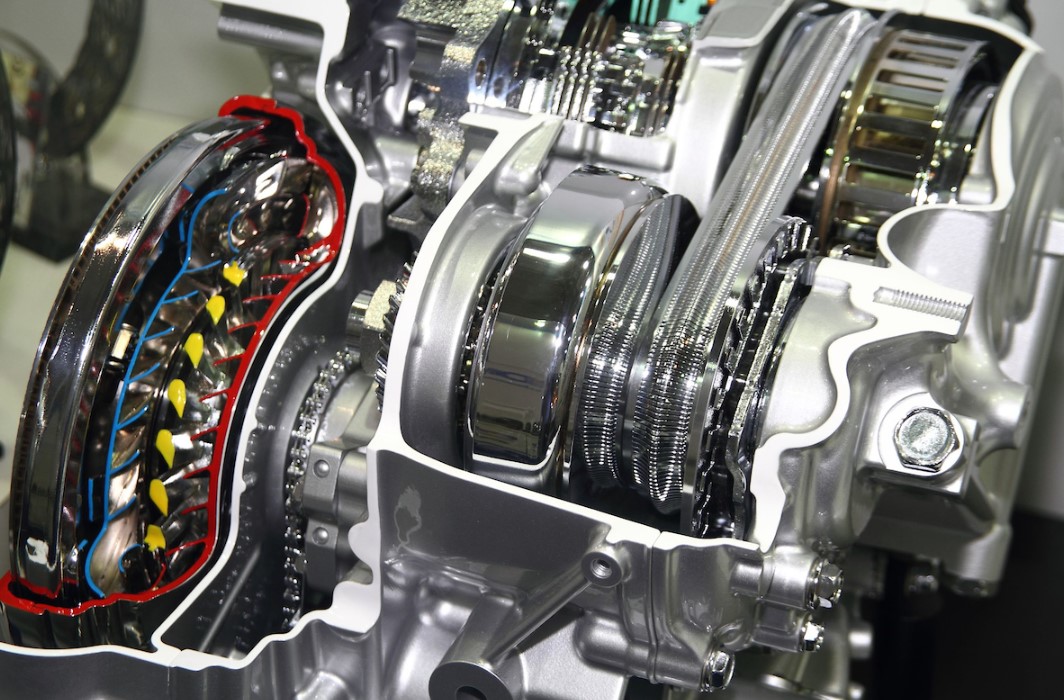
A conventional automatic has fixed gears. A CVT changes ratio continuously, usually through a belt or chain and variable pulleys. That is why the engine can hold a steady rpm while the car keeps accelerating. HowStuffWorks explains the basic pulley idea well: instead of stepping through gears, the transmission varies the effective ratio smoothly.
That smoothness is the reason many city cars use CVTs. In traffic, a good CVT can feel calm and efficient. The problem is that many drivers expect the familiar “shift” feeling of a normal automatic. When they do not feel it, they assume something is wrong.
Why CVTs Get A Bad Reputation
Some of the reputation is earned. Early or poorly engineered CVTs in certain models did suffer durability complaints. Nissan has had to work hard to change public opinion, and even Nissan’s own CVT explainer stresses that modern units are different from older ones after years of development and testing.
But some of the hate comes from misunderstanding. A CVT can sound like the engine is droning because it holds rpm instead of shifting. That is not always a fault. It is how the design works. The question is whether the car’s calibration feels natural and whether the owner maintains it properly.
Where CVTs Make Sense In Vietnam
For a Honda City, Toyota Vios, Nissan Almera, or similar commuter car, a CVT can make a lot of sense. These cars spend most of their lives below 60 km/h, squeezing through traffic, parking, and doing school runs. Smoothness and fuel economy matter more than dramatic acceleration.
The catch is heat. Vietnam’s climate is not kind to fluids. Add air-conditioning, low-speed traffic, steep basement ramps, and occasional overloaded family trips, and the CVT works harder than the brochure suggests. That does not mean “avoid CVT.” It means “service it like you care.”
How To Test A Used CVT Car
- Start cold: feel for delayed engagement from P to D or R.
- Drive slowly: check for shuddering, juddering, or harsh take-up.
- Accelerate gently and firmly: listen for whining or slipping sensations.
- Climb a ramp: basement ramps reveal weakness better than flat roads.
- Ask for fluid records: “sealed for life” is not a maintenance plan in Vietnam heat.
- Scan for codes: a proper pre-purchase inspection should include transmission-related codes.
Maintenance: The Part Owners Skip
CVT fluid is not normal automatic fluid, and using the wrong fluid can be expensive. Follow the manufacturer specification. If the manual says use a certain Honda, Toyota, Nissan, or Mitsubishi CVT fluid, use that. Saving a small amount on fluid is foolish when the gearbox is the expensive part.
Consumer Reports’ transmission maintenance advice is boring but correct: watch for warning signs, do not ignore service intervals, and address fluid problems before they become failures. In Vietnam, I would be conservative with service if the car spends most of its life in traffic or heat.
Who Should Avoid A CVT?
If you love sharp throttle response, tow heavy loads, drive aggressively, or cannot tolerate engine drone, do not buy a CVT car and then complain that it behaves like a CVT. Buy a torque-converter automatic, a dual-clutch if you understand the trade-offs, or a manual if you are one of the few people still willing to live with one.
I would also avoid any used CVT car with no service history, suspiciously cheap pricing, gearbox warning lights, or a seller who says, “They all do that,” when the car shudders. Some do. Yours should not.
FAQ
Is a CVT less reliable than a normal automatic?
Not always. Reliability depends on the model, design, maintenance, and use. A well-serviced Honda or Toyota CVT can be fine; a neglected CVT is a risk.
Does CVT fluid need changing?
Yes. Follow the manufacturer’s schedule and use the correct fluid. In hot, heavy traffic, conservative maintenance is smarter than waiting too long.
Why does a CVT feel like it is slipping?
Some of that is normal ratio-changing behavior. But shuddering, hesitation, whining, or delayed engagement should be inspected before buying.
Should I buy a used CVT car in Vietnam?
Yes, if the model has a decent reliability record and the service history is real. No, if the seller cannot prove fluid maintenance or the test drive feels wrong.
Dr. Worry’s Final Recommendation
I would not reject a car just because it has a CVT. I would reject a badly maintained CVT, a poorly matched CVT, or a seller who hides the service history. That is the difference.
For Vietnam buyers, my rule is simple: small commuter car, clean records, smooth test drive, correct fluid history: acceptable. Heavy car, hard use, no records, suspicious noises: walk away.
If you are comparing sedans with CVTs, read my Honda City RS vs Toyota Vios E verdict. If you are buying used, pair this with my used-car problem checklist.