My advice: the refreshed 2026 Mitsubishi Outlander Plug-in Hybrid is worth a close look if you can charge at home, need real family space, and want AWD without going fully electric. I would not buy it just because the electric range number improved. I would buy it only after checking charging habits, local Mitsubishi service quality, battery warranty terms, and whether the higher starting price still beats a normal hybrid SUV in your daily use.
Mitsubishi says the 2026 Outlander Plug-in Hybrid gets a larger 22.7 kWh battery, a claimed 45 miles of all-electric range, 73 MPGe, and 297 total system horsepower. Pricing starts at $43,245 in the U.S., with dealer arrival listed for May 2026. Those are useful upgrades, but for Southeast Asian buyers and expats, the bigger question is not the spec sheet. It is whether a PHEV actually fits your parking, charging, service, and resale reality.
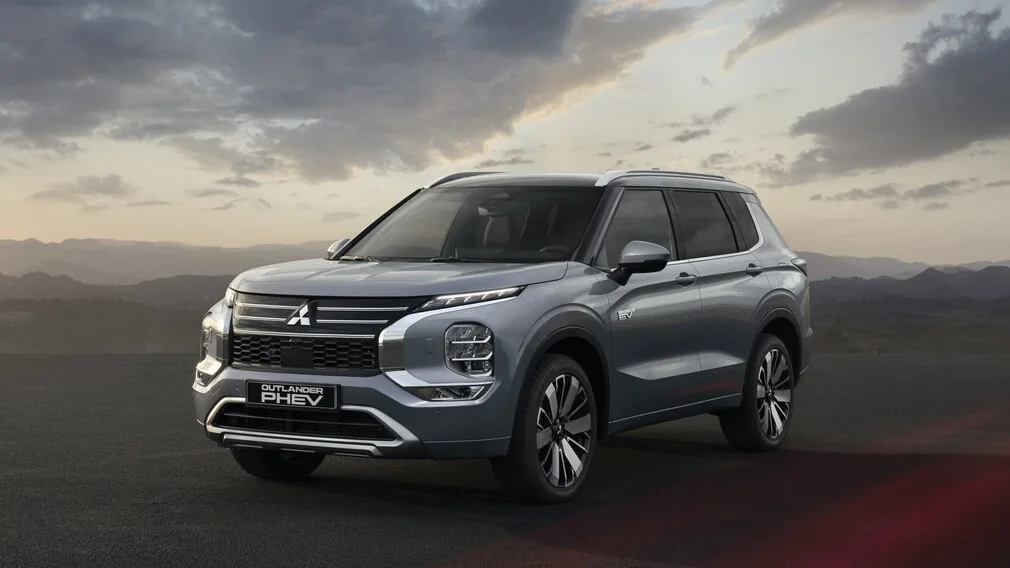
What changed on the 2026 Outlander PHEV?
The refresh is more than a new bumper. Mitsubishi’s announcement lists a larger battery, improved thermal management, higher system output, revised steering, updated suspension tuning, a refreshed cabin, new cupholders and wireless charging pad, more sound deadening, and available Yamaha audio. Exterior changes include new front and rear bumper designs, revised lighting, and new 18-inch and 20-inch wheel designs depending on trim.
The headline for most shoppers will be the battery. A 45-mile EV range claim can cover many weekday commutes if you charge consistently. The extra power also matters because older plug-in SUVs can feel heavy when the battery is low or when climbing hills with passengers. Mitsubishi’s Super-All Wheel Control remains part of the package, which is one reason the Outlander PHEV has a loyal following.
My quick take for buyers
- The bigger battery is useful only if you can charge regularly.
- The 297-hp output should make the SUV feel less strained than older PHEVs.
- The warranty is a major selling point, but read battery and hybrid-component details in your market.
- Three-row packaging is handy, though the rear row should be tested with real passengers.
- In hot climates, battery cooling and service knowledge matter more than brochure range.
The PHEV math I would do first
A plug-in hybrid is not magic. If you charge every night and drive short urban trips, the Outlander PHEV can behave like an electric SUV most weekdays while keeping a gasoline engine for longer trips. If you cannot charge at home or work, it becomes a heavier hybrid with a more complex drivetrain. That is why I would do the math before getting excited.
Start with your real daily distance. If you drive 20 to 40 miles a day and can plug in overnight, the 45-mile claim is meaningful. If you live in a condo where charging access is unreliable, I would compare this Mitsubishi against a simpler hybrid like the Toyota RAV4 Hybrid or the Kia Sportage Hybrid. They may not give you EV-only driving, but they also ask less from your parking routine.
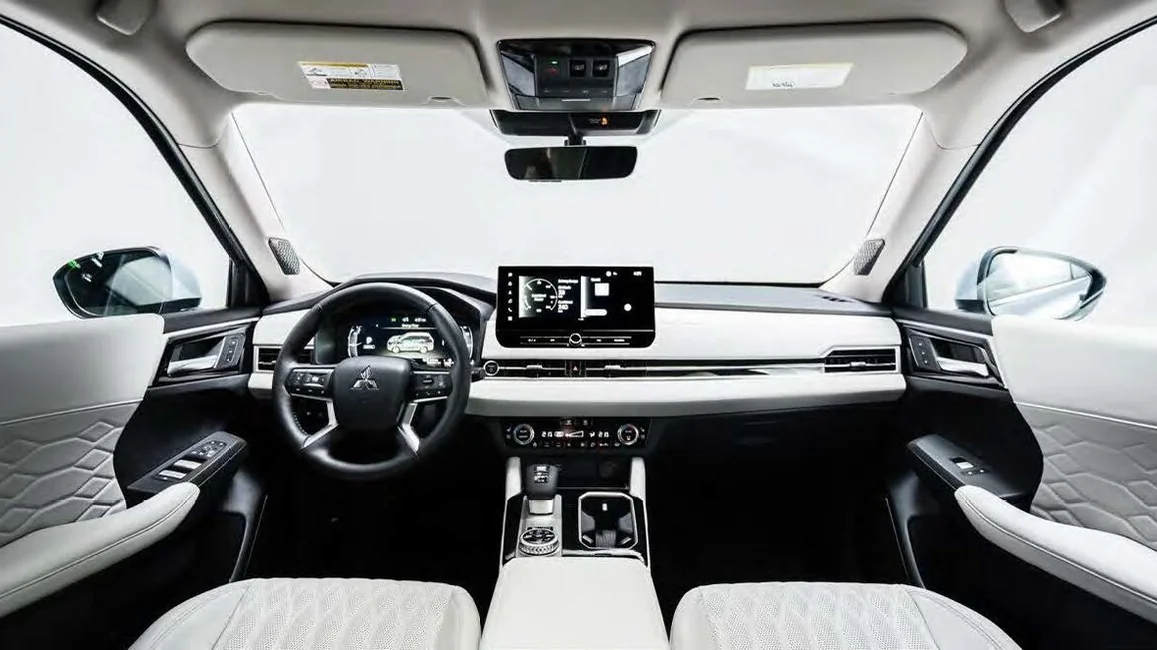
Where the Outlander PHEV could be strong
The Outlander PHEV’s best case is a family that needs SUV space, wants AWD confidence, and can charge without drama. In my experience, that buyer often gets more satisfaction from a PHEV than from a full EV, especially in regions where public charging can be inconsistent or where long family trips still require flexibility.
I also like that Mitsubishi is improving cabin noise and interior touch points. PHEV buyers tend to keep their vehicles long enough to notice daily comfort details. A quieter cabin, better storage, and a better audio system can matter more after six months than an extra line on the spec sheet.
Where I would be careful
The first caution is price. A $43,245 starting point in the U.S. means this is not a cheap shortcut into electrified driving. In import-heavy markets, taxes and supply can push the value equation in a different direction. I would not compare only monthly payment. I would compare total ownership: fuel, electricity, tires, insurance, scheduled service, battery warranty, and resale.
The second caution is third-row expectation. The Outlander shape suggests family flexibility, but compact/midsize three-row SUVs often have rear seats best used for children or short trips. Bring the actual passengers who will sit there. Fold seats, load luggage, and see whether the charging cable storage interferes with your normal cargo routine.
Service checks matter in Southeast Asia
For Vietnam, Thailand, Cambodia, and similar markets, I would focus on service readiness. Ask whether the dealer has trained hybrid technicians, battery diagnostic tools, replacement cooling-system parts, and clear warranty handling for imported vehicles. A PHEV is at its best when the gasoline, electric, cooling, and software systems all work quietly together. A weak service network turns that strength into anxiety.
That does not mean I distrust the Outlander PHEV. I actually think Mitsubishi’s long PHEV experience is one of its strongest arguments. But I would still verify local support before choosing it over a simpler Mitsubishi or a mainstream hybrid. WorryCars already has a broader Mitsubishi ownership overview, and this refreshed PHEV deserves a more specific standard.
What I would check before buying
- Can you charge at home every night without moving another car?
- What is the real local warranty for the battery and plug-in components?
- Does the dealer have PHEV-trained technicians and diagnostic equipment?
- Are 18-inch tires available if the 20-inch version rides too firmly?
- Does the third row fit your passengers, or is it emergency-only space?
- What happens to resale value if charging habits or incentives change?
FAQ
Is the 2026 Outlander PHEV a good EV alternative?
It can be, if you can charge daily and still need gasoline backup for longer trips. Without regular charging, a normal hybrid may be simpler.
Is 45 miles of electric range enough?
For many commuters, yes. But heat, speed, hills, passengers, and air-conditioning can reduce real range, so I would treat 45 miles as a useful claim, not a guaranteed daily result.
Should I worry about PHEV complexity?
You should respect it. The technology can be reliable, but it needs proper service support. I would buy from a dealer that can explain battery diagnostics and warranty coverage clearly.
My final recommendation
I would put the 2026 Outlander Plug-in Hybrid on the shortlist for families who can charge at home and want one vehicle for city driving, rain, school runs, and weekend trips. I would skip it if you cannot charge regularly or if your local dealer treats PHEV support like an afterthought. The refresh makes the Mitsubishi more convincing, but the right buyer is still the one whose daily routine lets the plug-in system work as intended.