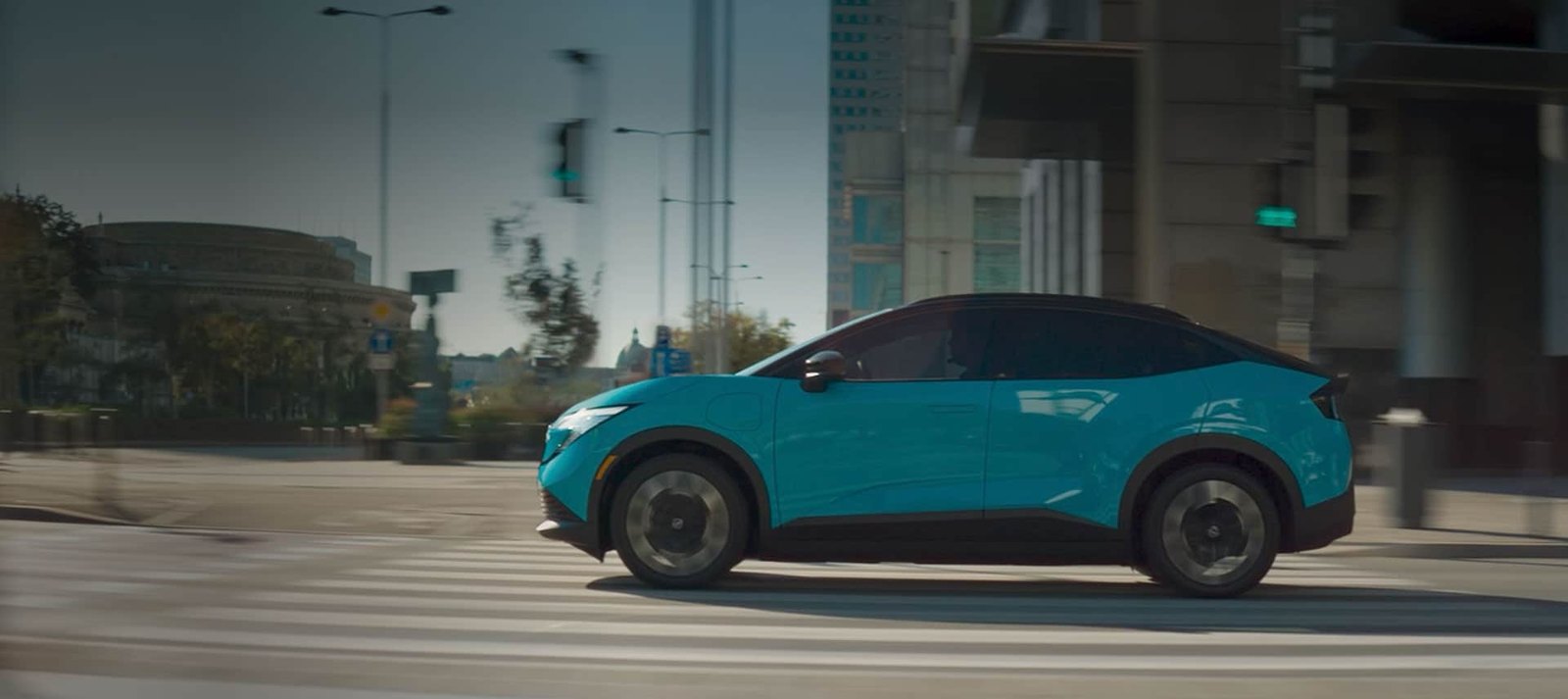
The 2026 Nissan LEAF is no longer just the familiar low-cost electric hatchback. Nissan has turned it into a small electric crossover, with a cleaner shape, a bigger range story, and built-in NACS fast-charging access for Tesla Superchargers. That makes it one of the most important affordable EVs to watch, especially for buyers who want an electric car without stepping into luxury-EV money.
My advice: treat the new LEAF as a very promising commuter EV, but do not order one on range numbers alone. I would check the exact trim, the charger you will use every week, your highway driving pattern, and whether the sloped crossover shape still gives you enough cargo room. The LEAF finally has the hardware people wanted from the old car, but the best version for you may not be the most expensive one.
Why the 2026 LEAF matters
The old LEAF earned a loyal following because it was simple, efficient, and usually cheaper to run than a gas car. It also had obvious compromises: limited range on some versions, slower charging expectations, and an image that felt more appliance than modern crossover. The 2026 redesign fixes the perception problem first. It sits in the small electric SUV space, looks more mature, and should appeal to shoppers who would never have considered the previous hatchback.
Nissan says the LEAF S+ can reach up to 303 EPA-estimated miles per charge, and the company highlights a 75 kWh battery, battery temperature management, and access to more than 27,500 Tesla Superchargers through an integrated NACS port. Car and Driver lists a 259-303 mile EPA range spread depending on trim, which is the key detail buyers should remember: the badge is the same, but the real driving range changes with equipment.

The first thing I would check: charging
In my experience, the difference between a happy EV owner and a frustrated one is rarely the brochure range. It is charging routine. If you can install or already use Level 2 charging at home, the LEAF becomes much easier to live with. If you depend on public charging, the NACS fast-charge port is a major upgrade because it opens access to a larger fast-charging network, but you still need to check whether your nearest stations are reliable, available, and convenient at the times you drive.
I would also check the two-port setup carefully. Nissan describes AC charging through a J1772 port and DC fast charging through a NACS connection. That can be practical, but it also means owners should understand which cable or station type they are using before the first road trip. A short dealer demo is not enough; ask the salesperson to show you the charging ports, app flow, and route planning on the actual trim you want.
Range: useful, but trim-sensitive
The 303-mile headline is strong for the price class, but I would not budget a road trip around the maximum number. Highway speed, cold weather, rain, tires, elevation, and cabin heat can all reduce effective range. For a commuter who drives 30 to 70 miles a day, even the lower-range trim may be comfortable. For a family that does weekend highway trips, I would look harder at the S+ range leader and compare it with the Kia EV3, Hyundai Ioniq 5, and other EVs already covered in our compact EV buying coverage.
If you are new to EVs, it is worth reading our guide on how electric cars work before you focus on monthly payments. Battery size, charging speed, and efficiency matter together. A car with a big battery but weak efficiency can still be expensive to charge on public DC stations.
What worries me as a buyer
The first worry is cargo practicality. Car and Driver notes the new shape looks better but the sloped roof can affect cargo space. That is not a deal-breaker, but I would bring a stroller, suitcase, golf bag, or work gear to the dealer instead of guessing from photos. Small EV crossovers often look roomy until you test the exact objects you carry every week.
The second worry is trim creep. Affordable EVs often look like bargains at the base price, then become much less compelling when buyers add the screen package, audio package, wheel upgrade, paint, and driver-assist features they actually want. My advice is to compare the LEAF by out-the-door price, not headline MSRP. If the trim you want climbs close to a larger or faster-charging EV, the decision becomes less obvious.
What I like about the new LEAF
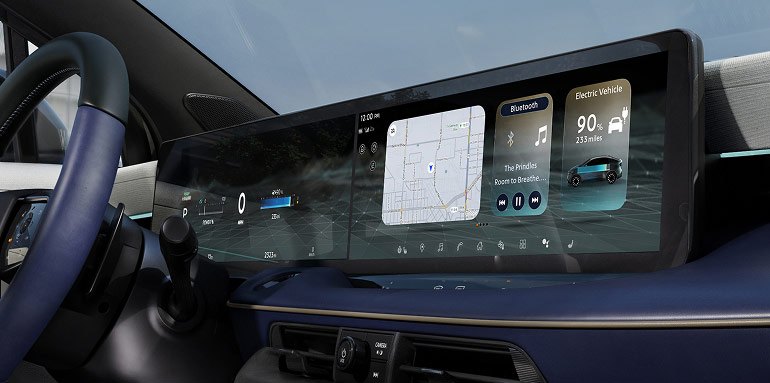
I like that Nissan appears to be correcting the old LEAF’s biggest ownership objections instead of only changing the styling. Better range, NACS fast charging, a more modern cabin, and battery thermal management all speak to real buyer concerns. The LEAF also keeps a simple front-wheel-drive layout, which should help cost and maintenance compared with dual-motor performance EVs that many ordinary commuters do not need.
I also like the positioning. Not everyone wants a huge electric SUV. A compact electric crossover with five seats, reasonable range, and strong charging access can make sense for city drivers, suburban commuters, and second-car households. For the broader EV ownership picture, our article on the benefits of electric cars explains why lower maintenance and home charging can matter more than acceleration numbers.
My buyer checklist
- Confirm the exact EPA range for the trim you are buying, not just the best LEAF number.
- Check whether you can charge at home on Level 2 power.
- Test local NACS fast chargers at the times you normally travel.
- Compare insurance quotes before signing, because EV repair costs vary widely.
- Ask about battery warranty terms and what degradation coverage actually includes.
- Load your real cargo into the car before choosing it as a family vehicle.
- Compare the final out-the-door price against other compact EVs, not only against gasoline cars.
FAQ
Is the 2026 Nissan LEAF a hatchback or SUV?
Nissan now presents it as a small electric crossover SUV. That is a major change from the older LEAF hatchback identity.
What is the best reason to consider it?
The strongest reason is value: useful range, modern charging access, and a more practical crossover image at a price that should stay below many larger EVs.
What is the biggest risk?
The biggest risk is buying the wrong trim for your use case. A lower-range version may be perfect for local commuting, while a road-trip buyer should prioritize range, DC charging behavior, and real-world highway comfort.
Final recommendation
I would put the 2026 Nissan LEAF on the shortlist if you want a sensible electric crossover and can charge at home. I would be more cautious if you rely completely on public charging, carry bulky family gear, or plan frequent long highway trips. The new LEAF looks like a much stronger EV than the old car, but the smart buy is the trim that fits your charging life, not the one with the flashiest spec sheet.