Dr. Worry’s verdict: The new Nissan Tekton is a pragmatic entry into the compact-to-midsize SUV segment in India, offering an aggressive starting price of INR 10.49 lakh ex-showroom. However, my advice is strict: do not book this vehicle based solely on the headline introductory figure. A serious value assessment requires verifying which specific variant includes essential safety technology like Adaptive Cruise Control (ACC), confirming parts availability outside major metropolitan hubs, and ensuring running costs align with its Renault Duster-derived platform rather than inflating ownership burdens.
Nissan India has officially launched the Tekton page with a six-grade spread ranging from Visia to Tekna+. This launch is buyer-relevant for WorryCars because it targets a specific price band where families rigorously compare every rupee against established favorites like the Hyundai Creta, Kia Seltos, Renault Duster, and Volkswagen Taigun. The car enters a crowded regional SUV class where service confidence matters more than badge novelty.
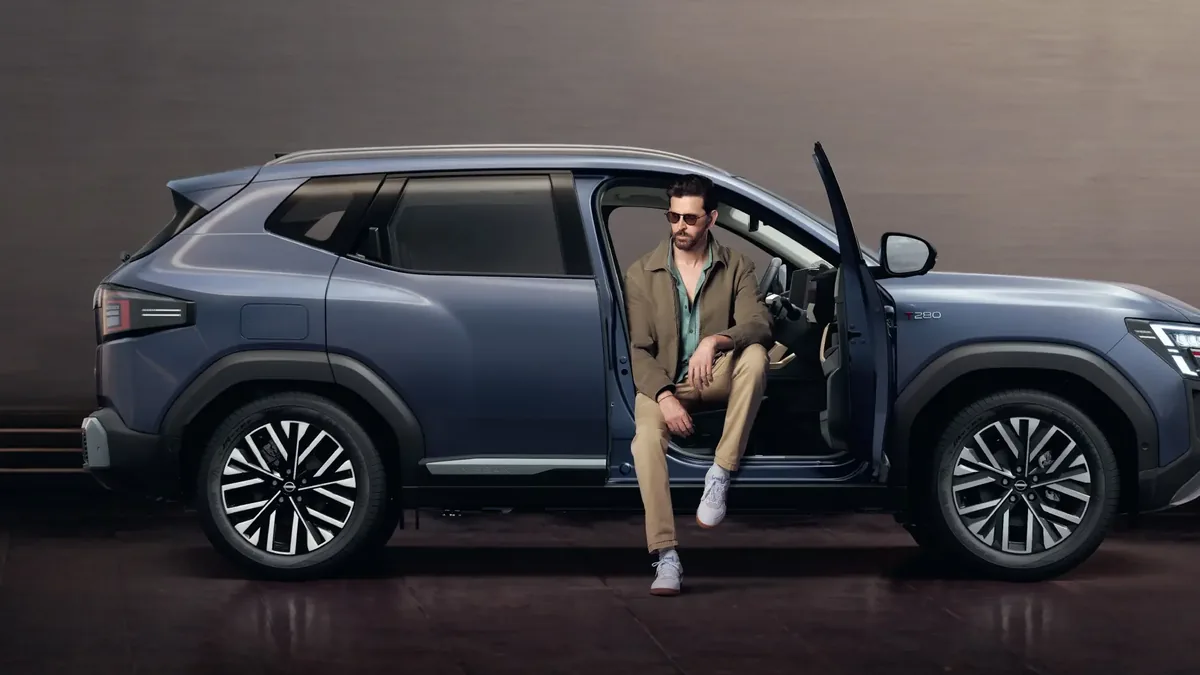
Quick Takeaways: The Core Facts
- Launch Price: INR 10.49 lakh ex-showroom for the entry Visia variant; higher trims reach the mid-to-upper teens of lakhs.
- Trim Structure: Six grades available: Visia, Visia+, Acenta, N-Connecta, Tekna, and Tekna+.
- Safety Tech Pitch: Nissan is pushing driver assistance features including adaptive cruise control with stop-and-go functionality and autonomous emergency braking (AEB).
- The Real Worry: The headline value proposition risks being erased if the best safety and comfort kits are locked exclusively to top-tier trims, forcing budget buyers into a stripped-base experience.
The factual baseline for this guide comes from the primary official or regulatory source and independent automotive reporting. I use those published details as inputs; the buyer and ownership judgment is my own.
Context: Why the Tekton Matters Beyond India
The Indian market has become one of the toughest proving grounds for practical SUVs. Buyers here demand ground clearance suitable for mixed terrain, rear-seat comfort that accommodates families, robust air-conditioning to combat heat, low operating costs, and enough tech to feel modern without becoming fragile. In my experience around Southeast Asia—specifically Vietnam, Thailand, Cambodia, and Indonesia—these same demands appear with equal intensity.
Heat, heavy traffic congestion, monsoon rains, rougher road conditions, and mixed dealer coverage punish cars that look good on launch day but feel unfinished after two rainy seasons. That is why I treat the Tekton as a regional signal, not just an India-specific launch. If Nissan has priced it aggressively and loaded it with safety equipment from the outset, it pressures the entire small-SUV class to raise its game.
This vehicle also signals how Nissan intends to rebuild relevance in the budget segment below larger vehicles like the Rogue or X-Trail (which are currently positioned for higher price points). WorryCars has previously covered the future Nissan Rogue e-POWER buyer angle; however, the Tekton addresses a more budget-sensitive question for the mass market.
The Price is Attractive, But the Trim Walk is the Real Story
On paper, Nissan’s strategy allows them to advertise a sharp base price while still selling richer models with larger screens, better cabin trim materials, and more convenience kits. The line-up runs from Visia through Tekna+. My advice is to ignore the launch banner for five minutes and build your own must-have list.
If you need a proper automatic transmission (assuming availability across trims), rear camera support, stronger infotainment responsiveness, semi-leather seats, 360-degree visibility cameras, or the fuller driver-assistance suite, you may not be shopping for the base car at all. The honest comparison then becomes: Tekton mid/high trim versus a similarly equipped Creta, Seltos, Duster, Taigun, or even a used larger SUV.
Safety Tech: Useful, But Only If It Works Naturally
Nissan’s Tekton page highlights more than a dozen ADAS functions. Features like adaptive cruise control with stop-and-go can significantly reduce fatigue in long traffic queues and on expressway runs. I appreciate these features in theory, especially for families that split duties between city commutes and weekend highway drives.
However, I would test the calibration before paying extra or committing to a purchase. In this region, lane markings are often faded due to poor road maintenance, motorbikes frequently filter dangerously close to cars during overtaking maneuvers, and heavy rain can confuse camera-based systems. A well-tuned system feels like a quiet assistant that anticipates danger. A nervous system becomes something owners switch off immediately.
During a test drive (or thorough review), I would try low-speed traffic scenarios, sudden lane-change situations, and rougher roads with imperfect markings. The Tekton needs to behave calmly there, not just in a showroom video or marketing render. If the system struggles on broken pavement where it is most needed, that is a critical flaw.
What I Would Check Before Booking
The decision matrix for this vehicle relies heavily on post-purchase realities rather than pre-launch hype. Here are the specific checks required:
- Confirm ADAS Availability: Verify exactly which trim includes the driver assistance features you actually want, not just those shown in hero marketing images.
- Service Estimates: Ask for a first paid-service estimate immediately. Do not rely only on the free-service schedule; understand what happens after the warranty period expires.
- Tyre Economics: Check tyre size and replacement cost because big wheels can punish budget buyers later with higher rolling resistance and expensive replacements.
- Parts Availability: Verify parts availability in your specific city, especially body panels, sensors for ADAS, lamps, and infotainment modules. Delays here destroy value.
- Rear Seat Comfort Test: Drive it over broken pavement with passengers in the second row. SUV comfort cannot be judged from the driver seat alone; rear suspension tuning is critical.

Direct Alternatives and Buyer Tradeoffs
If you are shopping in India or a nearby right-hand-drive market like Vietnam or Thailand, your alternatives include the Hyundai Creta (often offering better resale value), Kia Seltos (competitive tech package), Renault Duster (proven durability but dated interior), and Volkswagen Taigun. For those considering electric options within Nissan’s portfolio, you might look at how other manufacturers handle EVs in this price band.
For instance, if your primary concern is fuel efficiency rather than initial purchase cost, understanding the landscape of other Nissan electric crossovers like the LEAF could provide context on how the brand handles technology integration. However, for a pure ICE (Internal Combustion Engine) value play in this segment, the Tekton must prove its running costs track closely with the Duster family it shares roots with.
Southeast Asia Relevance
For markets like Vietnam or neighboring import-sensitive regions, the Tekton would only make sense if pricing, taxes, and aftersales support land correctly. A cheap SUV in India can become an expensive curiosity elsewhere once duties, logistics, and parts support are added.
I would also watch whether Nissan positions the Tekton as a volume car or a niche experiment. If Nissan backs it with real dealer training, stocked sensors for ADAS calibration, and transparent warranty coverage, the Tekton could be a sensible alternative to the default Korean and Japanese choices currently dominating these markets.
If the dealer network treats it as an occasional model, buyers should be careful. The most stressful ownership stories I see usually start with a car that is good mechanically but poorly supported locally. In countries like Thailand or Indonesia, where road conditions can mimic India’s challenges during monsoon seasons, this distinction becomes vital.
FAQ
Is the Nissan Tekton a good family SUV?
Potentially, yes, but only after checking rear-seat comfort, luggage room, ride quality, and the exact safety kit on the trim you can afford. I would not judge it by price alone.
Which Tekton trim looks like the sweet spot?
On paper, the middle trims deserve the first look because they may avoid the stripped-base problem without pushing the car into premium-SUV money. Final value depends on local equipment and automatic availability in your specific market.
Should I worry about ADAS repairs?
Yes, at least enough to ask. Cameras, radar modules, and calibration can be expensive after a front-end repair or if the system is damaged by debris. Ask the dealer how recalibration is handled before you sign.
How does the Tekton compare to the Renault Duster?
The Tekton shares roots with the Renault Duster family, implying similar running costs and platform architecture. However, Nissan’s pitch focuses heavily on ADAS integration which may not be standard in every Duster variant depending on your region.
Are there concerns about parts availability?
This is a primary concern for WorryCars readers outside big cities. You must verify if specific sensors and body panels are stocked locally before booking, as supply chain delays can negate the value of a new car purchase.
Dr. Worry’s Final Recommendation
I would shortlist the Nissan Tekton only if the mid-trim price stays honest and the dealer can prove strong parts support in your region. I would wait or look elsewhere if the safety and comfort features are locked high in the range, because that turns a value SUV into a more expensive risk.
The Tekton’s best chance is simple: give buyers the tech they need at accessible price points, keep the cabin durable against harsh weather conditions, and make ownership boring in the best possible way. If Nissan achieves this balance between cost-efficiency and technological sophistication without compromising on service confidence, it will be a formidable contender against the Creta and Seltos.
Until then, treat the INR 10.49 lakh price tag as an entry point to negotiation or comparison shopping, not a final verdict. The real value check happens in your local city’s service center, not on the official website homepage.