Dr. Worry’s verdict: If you own or are shopping for a Land Rover Defender, Discovery, or Range Rover covered by this specific driver-airbag recall, treat it as an immediate safety priority rather than a routine service note. The fix sounds small—applying lubricant to a connector—but the risk is not small: corrosion in the clockspring circuit can prevent the airbag from deploying when you need it most.
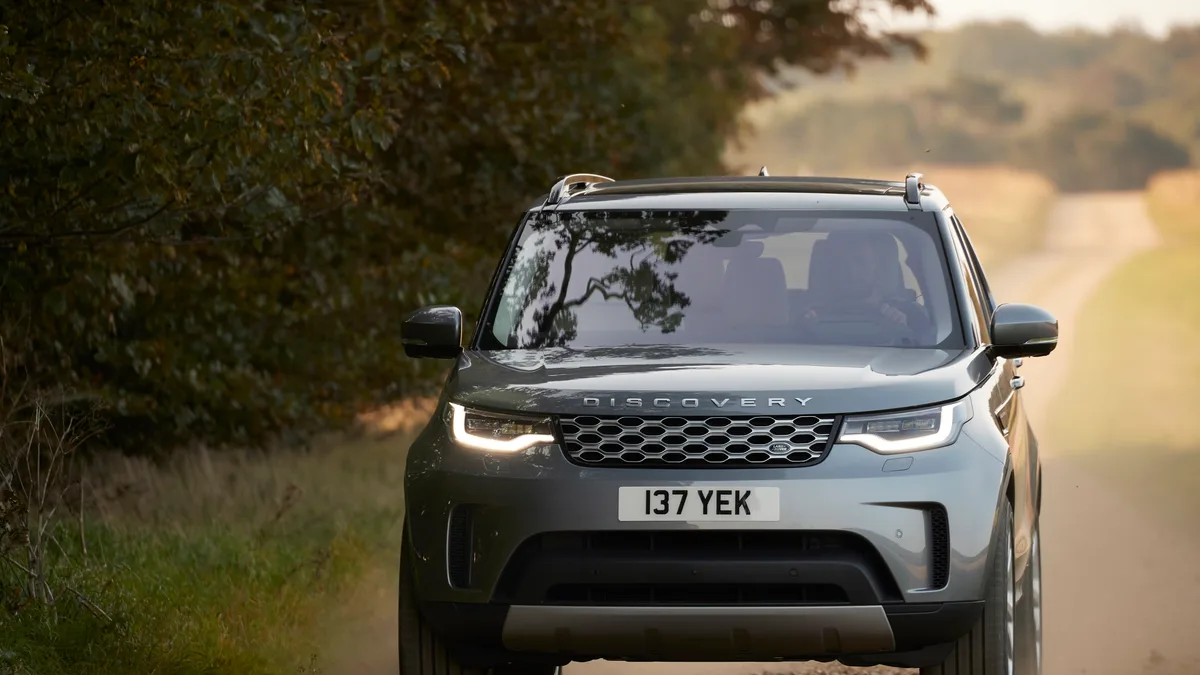
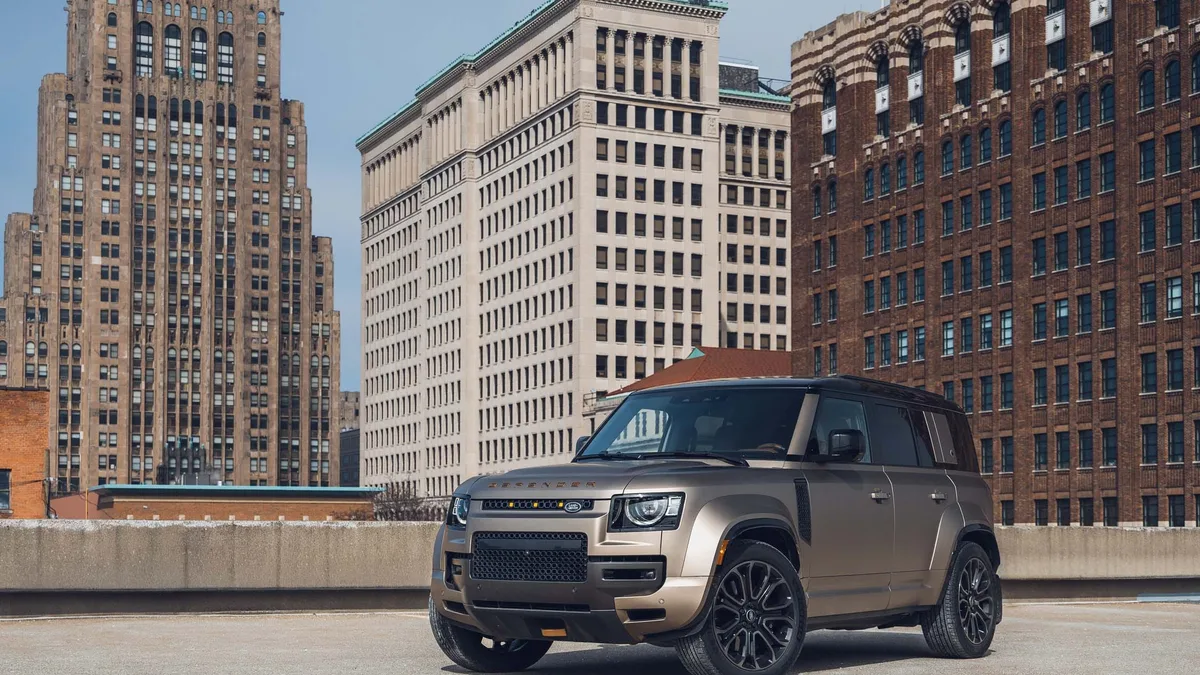
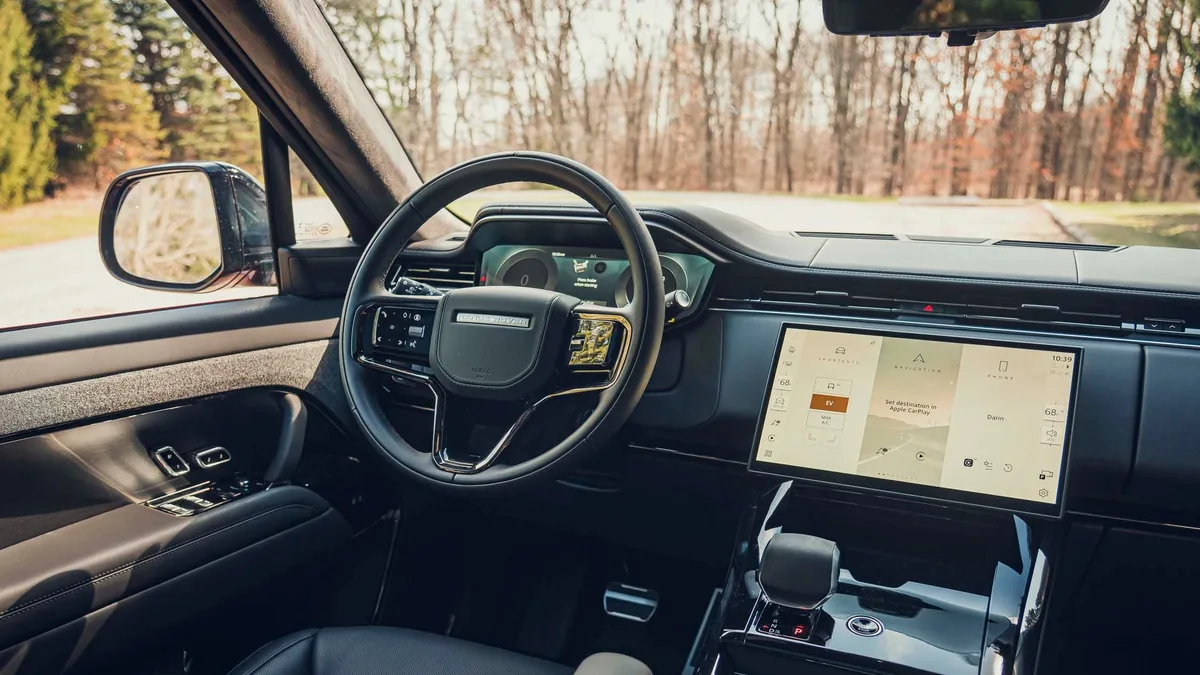
Car and Driver reports that Land Rover is recalling 250,857 SUVs. The affected fleet includes the 2020-2026 Defender, 2021-2026 Discovery, and 2022-2026 Range Rover lines. According to documents filed with the National Highway Traffic Safety Administration (NHTSA), this massive campaign targets vehicles where corrosion increases resistance in the driver airbag clockspring connector circuit.
While Land Rover announced that notifications would begin around August 7, 2026, relying on mail is a dangerous strategy for premium SUV owners. In my experience with luxury vehicle safety campaigns, the practical move is to check your VIN now, schedule an early appointment at any authorized dealer regardless of location (including Southeast Asia), and keep proof of repair in your permanent service record.
Quick Takeaways
- Affected models include specific 2020-2026 Defender, 2021-2026 Discovery and 2022-2026 Range Rover SUVs.
- The core concern is corrosion at the driver airbag clockspring connector, which increases circuit resistance and risks non-deployment in a crash.
- Land Rover’s verified remedy involves applying protective lubricant to the affected connector terminals during an authorized dealer visit.
- A warning light may illuminate before failure occurs, but I would not wait for that signal. The airbag system is compromised until repaired.
The factual baseline for this guide comes from the primary official or regulatory source. I use those published details as inputs; the buyer and ownership judgment is my own.
Why This Recall Matters
Airbag recalls demand a fundamentally different mindset than infotainment glitches or trim issues like paint swirls. If the driver’s side airbag fails to deploy as intended, the entire safety structure of the vehicle is compromised in an emergency situation.
Land Rover’s paperwork indicates that a warning lamp should illuminate before the connector reaches its non-deployment point. However, relying on this light is not a maintenance strategy; it is a last signal that something critical needs attention immediately. Do not assume your car is safe just because you haven’t seen a check engine or airbag light yet.
For owners in Southeast Asia and import buyers specifically, the stakes are higher. A grey-market Range Rover or Defender may not be registered in the local dealer’s standard customer database initially. If the vehicle changed countries during its lifecycle, the recall letter from NHTSA might never reach you automatically without a manual VIN check.
What I Would Do This Week
The protocol is simple but must be executed with discipline:
- Check the VIN immediately: Use the official recall lookup tools to confirm your specific vehicle year, model, and trim are on the list.
- Contact the dealer: Ask explicitly whether the specific recall remedy (lubricant application) is available for your chassis. Do not wait for a phone call from them; initiate it yourself.
- Digital Evidence: Photograph the instrument panel before and after service if an airbag warning lamp appears or disappears during the process.
- Maintain Records: Keep the repair invoice, even when the work is free. For a premium SUV like a Range Rover Sport or Defender 130, a complete service file protects resale value almost as much as it protects your peace of mind.
If you are shopping for a used Land Rover, make recall completion an absolute condition of purchase. I would not accept a seller’s verbal reassurance that “it was fixed.” Ask for the VIN, run the check yourself via NHTSA or the manufacturer site, and request dealer proof before handing over money.
Buyer And Owner Risk In Vietnam And Southeast Asia
Land Rovers are highly attractive in this region because they project capability and status. However, their ownership experience depends heavily on service access and parts availability. If the vehicle is officially distributed by a major importer like Land Rover Vietnam or similar entities, the recall path should be clearer.
If it was privately imported from Europe or elsewhere, you must ask three critical questions before buying: Who pays for diagnosis? Can the local dealer perform this specific campaign (which may require parts shipped directly from UK/US warehouses)? Are materials tied to a market-specific campaign number?
Do not ignore the recall because the car feels normal. The connector problem is electrical and internal; it will likely show no symptoms in daily driving until the warning system detects a fault or, worse, during an accident.
How I Would Prioritize Multiple Land Rover Problems
If your vehicle also needs tires replaced, suspension work performed, battery replacement, software updates, or annual service maintenance, you might be tempted to delay the recall appointment. I would still put the airbag recall near the top of that list.
A tired air suspension can cost thousands in repairs later; a restraint-system fault is an immediate safety issue with no margin for error. Ask the service center to combine the recall work with other necessary maintenance only if it does not delay the critical appointment by weeks, as parts availability for this specific campaign could be tight.
Separate recall work from negotiation drama during a used car purchase. The repair should be free when your VIN is eligible, so a seller should never demand a premium to do what the manufacturer already owes you. What the completed recall provides is confidence: it confirms that the steering-wheel airbag circuit has been handled by the correct service channel and recorded in the vehicle history.
My Used-Car Inspection Checklist
Before signing a purchase agreement for any Land Rover, run this checklist:
- Run the VIN through NHTSA and the official Land Rover dealer system to verify recall status.
- Confirm whether the vehicle is within the affected model years (Defender 20-26, Discovery 21-26, Range Rover 22-26).
- Ask for printed or emailed proof that the recall remedy was completed. If they say “it’s done,” ask to see the digital record.
- Check whether the airbag/SRS warning lamp illuminates at startup and then turns off normally after a few seconds.
- Look for steering-wheel removal marks, loose screws on the dash, or unrelated dashboard repairs that may complicate diagnosis of electrical faults.
- For imported cars, confirm which service center will honor the campaign before you pay a deposit. Do not buy from private sellers who cannot provide this documentation.
Frequently Asked Questions
Can I keep driving my Land Rover before the repair?
The official remedy path does not declare every affected SUV undriveable, but I would avoid unnecessary long trips or high-speed highway travel until your VIN is checked and the repair is scheduled. The risk of non-deployment exists even if you haven’t seen a warning light.
What if my airbag warning light is already on?
This indicates an active fault in the SRS system. Book service immediately and tell the dealer about this recall specifically. Do not assume the warning light is unrelated to corrosion or that it will turn off after a reset.
Should used buyers walk away from these models entirely?
Not automatically, but proceed with extreme caution. I would walk away only if the seller refuses a VIN check, cannot document the recall status clearly, or dismisses an active SRS warning light as “normal.” A luxury SUV is not complete until its safety systems are verified.
Is this issue limited to certain regions?
The NHTSA filing covers global production runs. While notification campaigns often start in the US and Europe, the defect applies to all vehicles manufactured during those years regardless of where they were sold or imported later.
Dr. Worry’s Final Recommendation
This Land Rover airbag recall is manageable if handled early and documented properly with strict adherence to manufacturer protocols. My recommendation remains simple: check the VIN, schedule the free repair immediately at an authorized center, and keep the proof of completion in your vehicle files.
For used buyers specifically, make recall completion part of the deal before finalizing payment because a luxury SUV with an unresolved airbag campaign is not a complete purchase. If you are considering other vehicles to mitigate risk while waiting for repairs or parts availability, look at alternatives that do not carry this specific electrical vulnerability.
For those interested in how modern safety recalls impact the broader market of premium crossovers and SUVs, this Toyota bZ recall guide offers a useful comparison on checking battery-electric vehicle systems. Similarly, understanding the nuances of used luxury ownership can be aided by reading about Honda SUV recalls and what buyers should check.
Remember that a car is only as safe as its most vulnerable component. By taking this proactive stance today, you ensure that the next time an emergency occurs on the road or off-road, your vehicle’s safety systems will perform exactly when needed.