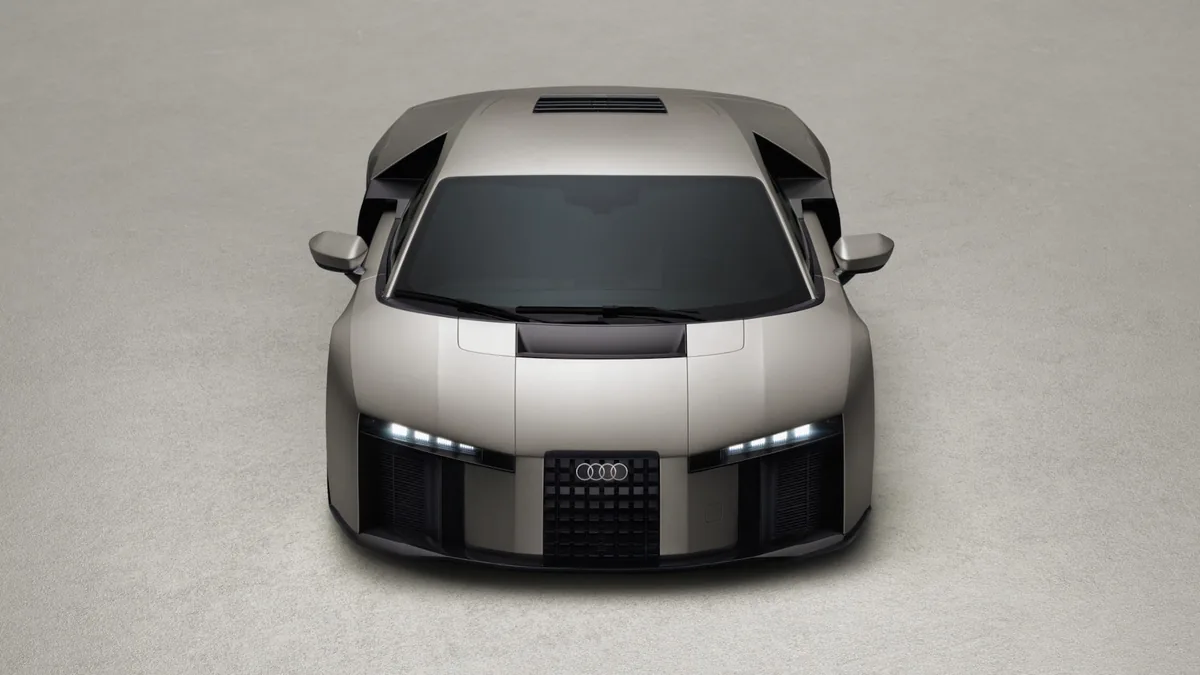
Dr. Worry’s verdict: The 2027 Audi Nuvolari is a masterpiece of engineering, yet it represents one of the most complex purchases in modern automotive history. My direct recommendation: admire the machine as an art object and invest heavily before buying, but do not treat this purchase like acquiring any other vehicle from Ingolstadt. This is not merely a car; it is a high-voltage liability that requires specific infrastructure support.
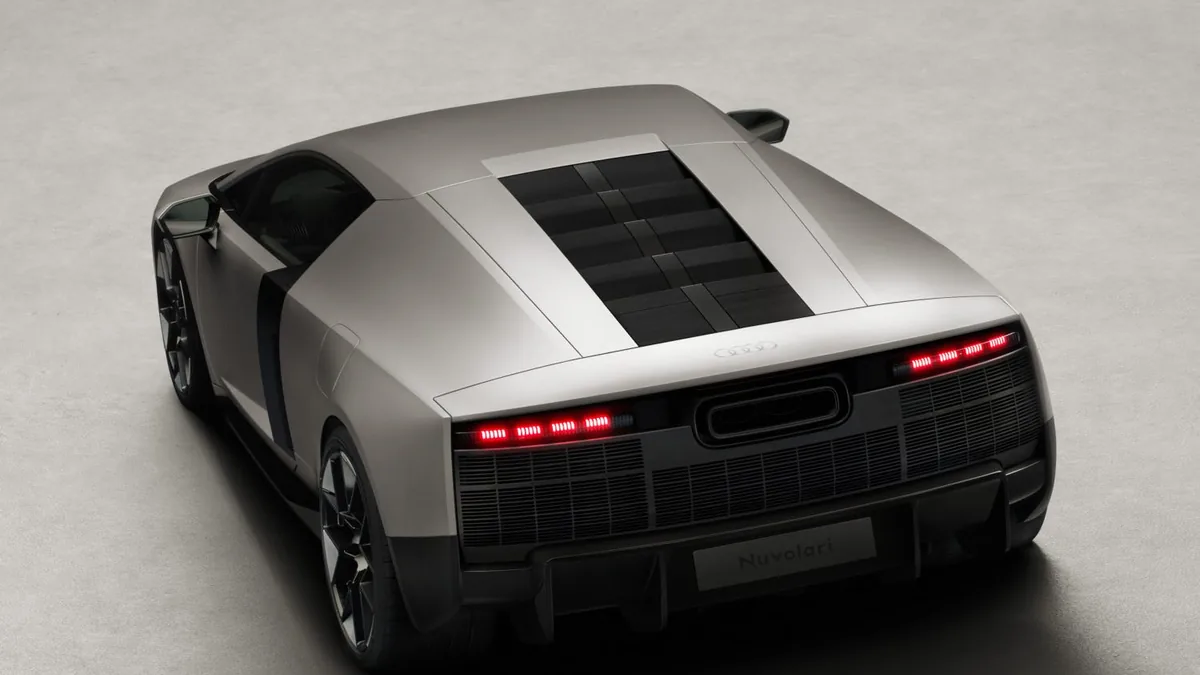
Car and Driver reports Audi’s new hybrid supercar uses Lamborghini-linked V-8 drama and electric assistance to create a limited-production halo car. The brand has been missing an emotional successor to the R8, and this vehicle attempts to fill that void while pushing into uncharted territory for European manufacturers.
In my experience, cars like this bifurcate the buyer base instantly. One group wants the fastest, rarest thing in the room regardless of cost or complexity. The other seeks a usable exotic that can be serviced without drama. If you are located in Vietnam, Thailand, Cambodia, or Singapore, the second question matters exponentially more than horsepower figures.
A rare hybrid supercar is not just a purchase price; it is a comprehensive plan for parts availability, battery health management, diagnostic access, import-tax volatility, and resale liquidity. If you cannot answer these logistical questions before signing the deposit agreement, walk away immediately.
Quick Takeaways
- The Nuvolari is strictly collector-grade; it is not a daily grand tourer for uncertain service networks in Southeast Asia or beyond.
- Hybrid performance hardware can be brilliant on paper, but long-term support availability matters far more than launch-control numbers.
- For buyers in Vietnam and similar markets, I would never import one without written guarantees regarding battery replacement costs and body-panel lead times.
The factual baseline for this guide comes from the primary official or regulatory source and independent automotive reporting. I use those published details as inputs; the buyer and ownership judgment is my own.
What Makes the Nuvolari Special
The Nuvolari matters because it addresses an emotional void. For years, Audi fans mourned the loss of the R8’s identity: mid-engine shape, everyday usability, and enough Lamborghini connection to make the badge feel special without being a direct competitor.
Car and Driver describes the car as a high-output hybrid supercar, while Audi’s media material positions it as a limited halo model. The headline figures are enormous: roughly four-digit metric horsepower territory (specifically 987 PS), extremely quick acceleration, and top-speed claims that put it in the serious exotic class.
The more interesting detail is the combination of combustion character and electric torque. Done well, this can give the car instant response out of corners and the top-end theater people still expect from an exotic. Done badly, as often happens with complex hybrids, it can feel heavy, overly complicated, and expensive to keep perfect.
Audi borrows Lamborghini’s 10,000-rpm V-8 to create its own hybrid halo car, but the integration of three axial-flux electric motors adds a layer of complexity that conventional supercar owners are not accustomed to. The powertrain may be excellent on paper, but high-voltage diagnostics and battery warranty terms must be clear before purchase.
The Buyer Case for Saying Yes
I can see why a serious collector would want it. Limited production protects the story against normal depreciation curves. Audi’s performance brand has a deep motorsport image, dating back to Tazio Nuvolari himself. A hybrid supercar with a Lamborghini-adjacent powertrain gives the Nuvolari more emotional pull than a pure compliance EV.
It may also be one of the last chances to buy this kind of European hybrid supercar before regulations, noise rules, and product planning push the segment further toward full EVs. If you already own modern exotics and have established support channels, the Nuvolari could be a fascinating addition rather than a reckless leap.
For buyers who actually drive, the question is cooling and repeatability. A fast launch number is easy to market; stable performance in heat is harder. I would want to see independent testing in hot conditions before assuming the car will feel effortless on tropical roads common in Southeast Asia.
The Catch: Rarity Makes Every Mistake Expensive
Limited cars are seductive because they feel protected from normal depreciation. That is sometimes true, but only for the right spec, mileage, condition, documentation, and market timing. A rare car with missing service history, damaged carbon trim, weak battery health, or non-original paint can become hard to move.
Hybrid systems add another layer of financial risk. You need clarity on high-voltage battery warranty, replacement cost, diagnostic support, software updates, cooling system service, and whether the local dealer is trained for the car. A conventional supercar can already be demanding; a limited hybrid supercar narrows the list of people who can work on it correctly.
Body and glass parts also matter significantly. If a small accident takes months because a bumper, headlight, carbon panel, or sensor assembly is special-order only from Germany, the ownership experience can turn sour quickly. Before paying a deposit, I would ask for parts lead-time estimates in writing specifically.

Southeast Asia Import and Tax Reality
In Vietnam especially, the purchase price is only the opening number. Import duties, special consumption tax, registration fees, insurance, and storage can change the math completely. A buyer who can afford the car may still become frustrated if the car spends more time waiting on paperwork or parts than driving.
Singapore has a different problem: registration cost, road-tax treatment, and usable road space. Thailand may be friendlier for enthusiast driving, but dealer support still matters immensely. Cambodia can offer a looser ownership environment, but the supercar service ecosystem is thinner there as well.
My rule is simple: if the official support path is unclear in your specific country, treat the car as a collectible object, not a reliable weekend driver. That changes how much you should pay and how much mileage you should expect to add before resale value drops significantly.
How I Would Spec and Protect One
I would choose a timeless exterior color, avoid overly personalized interior combinations that date quickly, and keep every document from order to delivery. Paint protection film should be installed by a shop that understands sensors, cameras, and panel edges specifically for this model.
Cheap film or careless removal can damage a rare car’s value permanently. I would also build a service file from day one. Battery reports, software update records, tire dates, brake measurements, and fluid services should be organized meticulously. Exotic resale buyers pay for confidence in the paperwork.
What I Would Check Before Buying
- Confirm high-voltage battery warranty coverage and replacement process specifically in your country of residence.
- Ask whether the local Audi service center is trained, tooled, and authorized to handle Nuvolari-specific diagnostics.
- Get insurance quotes and import-tax estimates before placing a single deposit on the vehicle.
- Check parts lead times for headlights, glass, carbon panels, wheels, and hybrid components specifically with your regional importer.
- Choose a resale-friendly color scheme and document the car thoroughly from delivery day forward.
Daily Use vs. Ownership Reality
The Nuvolari is positioned as a halo model rather than a daily driver, but enthusiasts often insist on using their machines regularly. In Vietnam or Thailand, where heat and humidity are constant factors, the cooling system of this hybrid setup becomes critical.
Hybrid Engine Efficiency: What 45.5% Really Means for Buyers is relevant here because these high-performance units operate differently than standard PHEVs found in family SUVs like the Honda CR-V Hybrid or BYD Dolphin Plug-In Hybrid. The efficiency gains are there, but they come with thermal management demands that a tropical climate exacerbates.
If you treat this as a daily driver without proper battery conditioning and cooling maintenance protocols, you risk degrading the asset faster than depreciation can account for it. This is distinct from owning a Range Rover Evoque: Stylish British SUV or Ownership Headache? where mechanical complexity exists but thermal stress is less severe.
Direct Alternatives
If your primary goal is raw speed without the hybrid liability nightmare, look at established V8 supercars that do not require high-voltage battery management. However, if you are committed to electrification and want a halo car, consider whether this specific model fits your risk tolerance.
For those who need practicality over pure emotion, vehicles like the Xiaomi YU7: The Tech SUV That Could Scare Traditional Car Brands offer cutting-edge technology with far lower ownership friction. While not a supercar alternative per se, it highlights the trade-off between exotic performance and daily usability.
FAQ
Is the Audi Nuvolari an R8 replacement?
Spiritually, yes for many buyers, because it gives Audi another halo supercar. Technically, it is its own hybrid-era project rather than a simple R8 continuation. It borrows DNA from the Temerario but stands alone as a limited-edition concept car that happens to be street legal.
Is a hybrid supercar risky to own?
It can be if service support is weak in your region. The powertrain may be excellent, but high-voltage diagnostics, battery warranty clarity, and parts access must be clear before you commit funds. Without written guarantees on these points, the risk profile increases significantly.
Would I import one to Vietnam?
Only with official support from a recognized dealer network, proper insurance tailored for high-value assets, documented tax math that accounts for future duty changes, and a concrete plan for battery and body repairs. Without that infrastructure in place, I would treat it as a high-risk collectible rather than an investment.
What is the production limit?
Audi plans to build just 499 examples of the Nuvolari globally. This limited run creates artificial scarcity but also concentrates risk on every single unit sold, making each one critical for maintaining brand equity and parts availability.
For a useful ownership comparison, read Xiaomi YU7: The Tech SUV That Could Scare Traditional Car Brands and Honda CR-V Hybrid: The Japanese Family SUV for People Who Hate Surprises. Those guides help put this model’s service, packaging and running-cost tradeoffs in context.
Dr. Worry’s Final Recommendation
I would buy the Nuvolari only as a supported collector car, not as a spontaneous exotic flex or an emotional impulse purchase based on horsepower figures alone. The car itself sounds special with its 987-HP hybrid powertrain and Lamborghini-linked V-8 heart, but the smartest buyer will spend just as much time checking service infrastructure in their specific country as they do checking acceleration times.
If you live in a market like Singapore or Vietnam where parts logistics are slow, this car is a liability waiting to happen unless you have pre-negotiated repair agreements. Treat it with the respect due to a museum piece until that support network matures around your location. If you can secure those guarantees, enjoy the thrill of driving one of the most powerful production vehicles in history.
Remember: rarity does not protect against obsolescence if the technology becomes unsupported or too expensive to maintain relative to its value. Plan for a future where this hybrid system requires replacement parts that may cost more than the car itself is worth at resale time. That reality check should guide your decision before you sign any papers.
Ultimately, the Nuvolari represents Audi’s boldest step yet into the supercar arena post-R8 era. It combines Formula 1 innovations with road-legal usability in a way that has never been attempted at this scale by an OEM of its size. Whether it succeeds as a viable ownership proposition depends entirely on your ability to navigate the complex web of hybrid regulations, import taxes, and service requirements specific to your region.
Do not let marketing hype blind you to the logistical realities. The car is magnificent; the purchase plan must be equally robust. Proceed with caution, verify every warranty clause, and ensure that a qualified technician can access this machine when it inevitably requires attention beyond standard maintenance intervals.