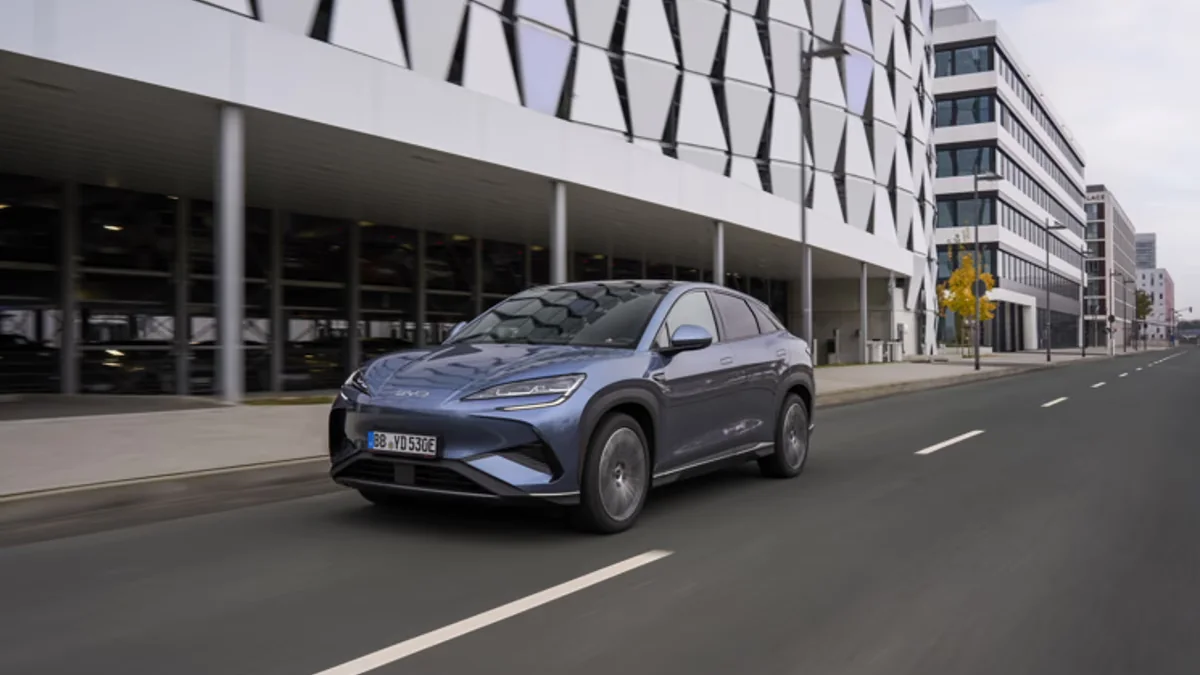
The BYD Sealion 7 is part of a bigger change in the car market. Chinese EVs are no longer strange budget alternatives. They are becoming serious competitors with strong battery technology, high equipment levels, and aggressive value. The question for buyers is no longer “Is it Chinese?” The better question is “Is the ownership ecosystem ready?”
My advice: I would consider the BYD Sealion 7 if you want an electric SUV with strong value and modern EV hardware. Before buying, I would check dealer support, software maturity, parts supply, and resale confidence just as carefully as the spec sheet.
Why the Sealion 7 matters
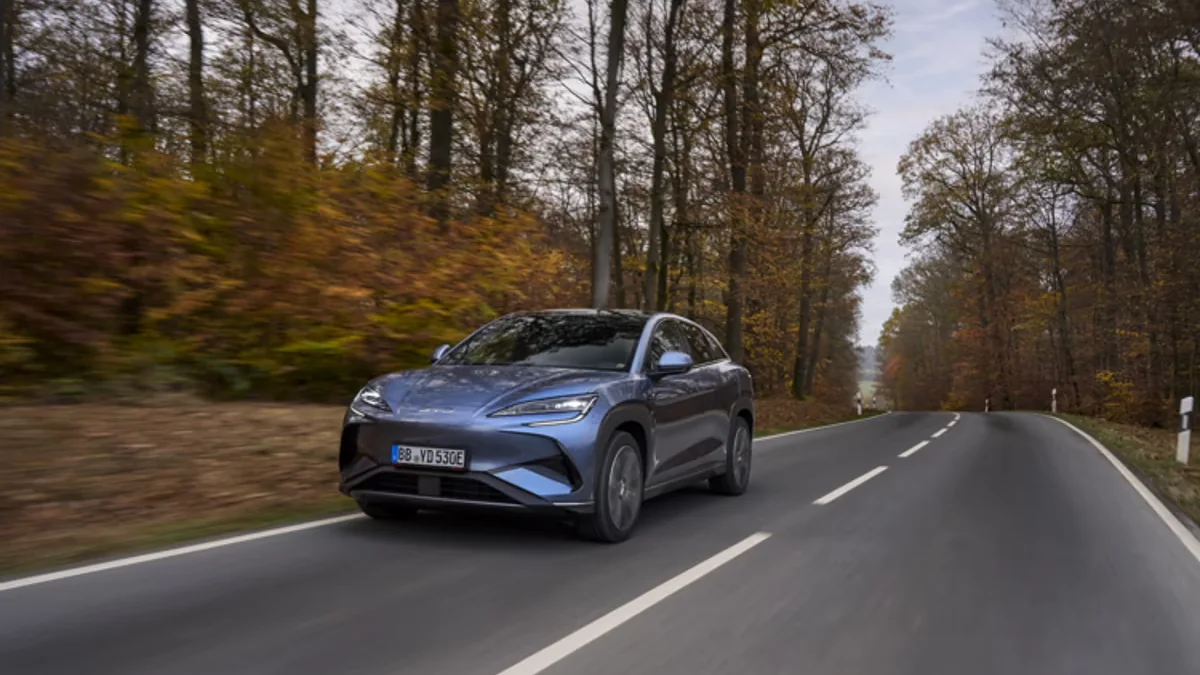
BYD has become one of the most important EV companies in the world because it controls key battery technology and moves fast. The Sealion 7 brings that momentum into the popular electric SUV space. It is not trying to be a tiny city EV. It is aimed at buyers who want family usability, modern design, and enough performance for daily driving.
This makes it a direct threat to established brands. If a Chinese EV offers similar range, better equipment, and lower pricing, many buyers will at least take a test drive.
The strongest argument for buying one
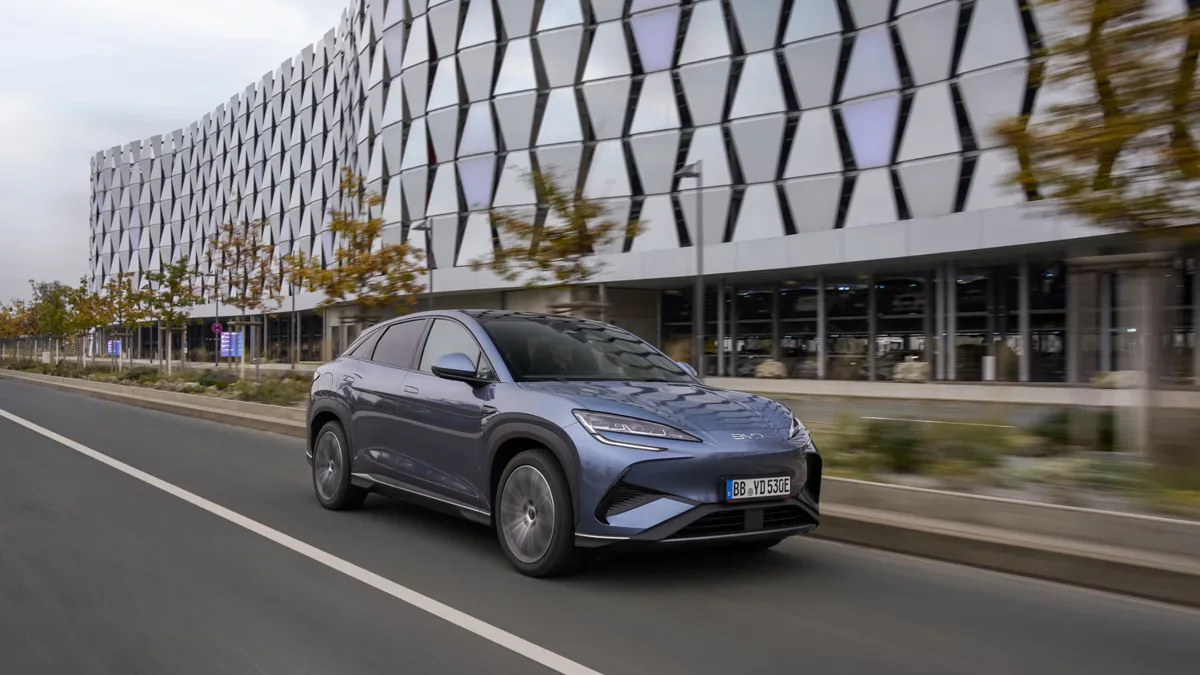
Value is the obvious argument. BYD often packages EV features aggressively: large screens, driver assistance, panoramic roofs, heat pumps in some markets, strong warranty terms, and advanced battery chemistry. For buyers comparing monthly payments, that can be persuasive.
Battery confidence is another factor. BYD’s Blade Battery has become a major part of the brand story. Buyers still need to check local warranty details, but BYD is not a random startup buying cells from someone else. It has deep battery experience.
The worry list
The first worry is software. Hardware can look impressive, but daily ownership depends on navigation, phone integration, updates, charging route planning, climate control, and driver-assistance calibration. A short test drive may not reveal every annoyance.
The second worry is service scale. A brand can grow sales faster than it grows service capacity. Before buying, check how many trained technicians and parts centers exist near you.
The third worry is resale. Chinese EV resale values are still being established in many countries. Early buyers may benefit from value, but they may also face uncertainty when selling.
Who should consider it?
- EV buyers who want strong equipment for the money.
- Families with home charging and predictable daily driving.
- Drivers open to newer brands if warranty and service support are solid.
- People comparing Tesla, Hyundai, Kia, Volkswagen, and Chinese EVs.
Who should wait?
If your local BYD dealer network is thin, or if resale value matters more than upfront value, waiting may be sensible. Let the market build more owner data first.
Dr. Worry recommendation
The BYD Sealion 7 deserves a serious look because Chinese EVs are now competing on substance, not just price. The smart buyer should test the software carefully, confirm warranty details in writing, and compare insurance quotes before deciding. If the support network is strong in your area, it could be one of the more rational electric SUV choices.
FAQ
Is the BYD Sealion 7 fully electric?
Yes. It is a battery-electric SUV from BYD.
Is BYD a reliable EV brand?
BYD has major battery and EV manufacturing experience, but reliability still depends on model, market support, and service quality.
What should I check before buying?
Check warranty, charging compatibility, software behavior, dealer capacity, spare parts availability, insurance, and resale expectations.