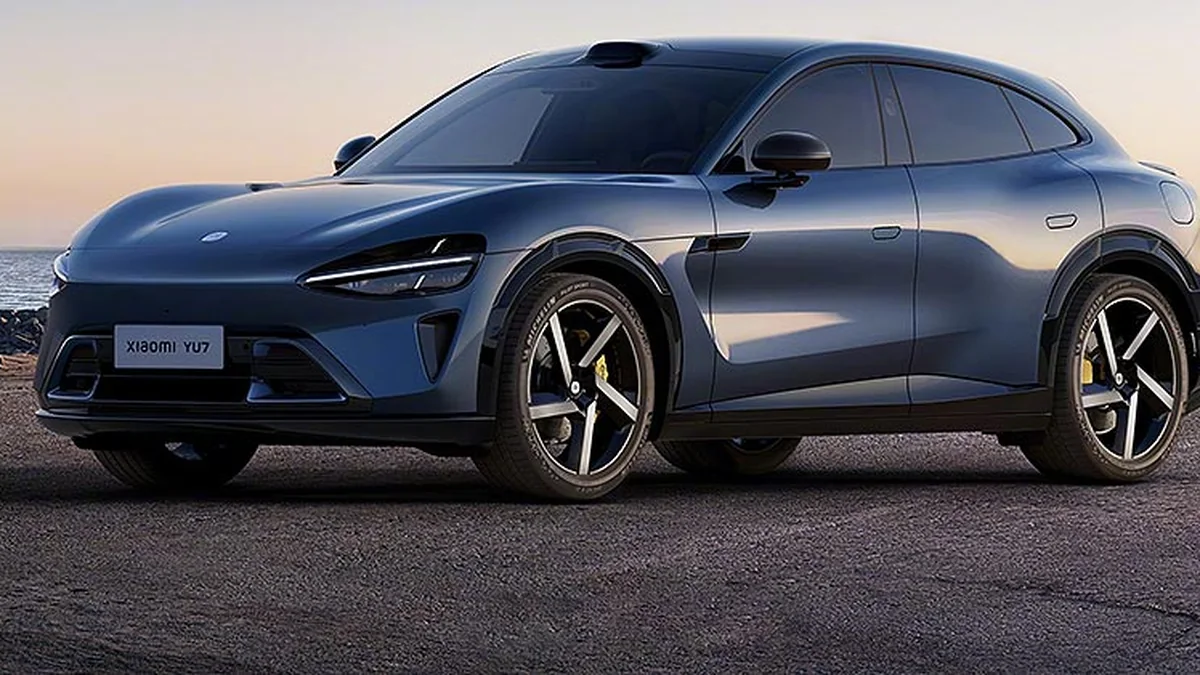
The Xiaomi YU7 is not interesting only because it is another Chinese electric SUV. It is interesting because Xiaomi understands consumer technology better than most car companies. That can be powerful in an EV, where software, screens, connectivity, apps, and user experience matter every day.
My advice: I would treat the Xiaomi YU7 as an exciting option for tech-first buyers, but not as a phone on wheels. I would check service access, crash repair support, long-term durability, and resale risk before becoming an early owner.
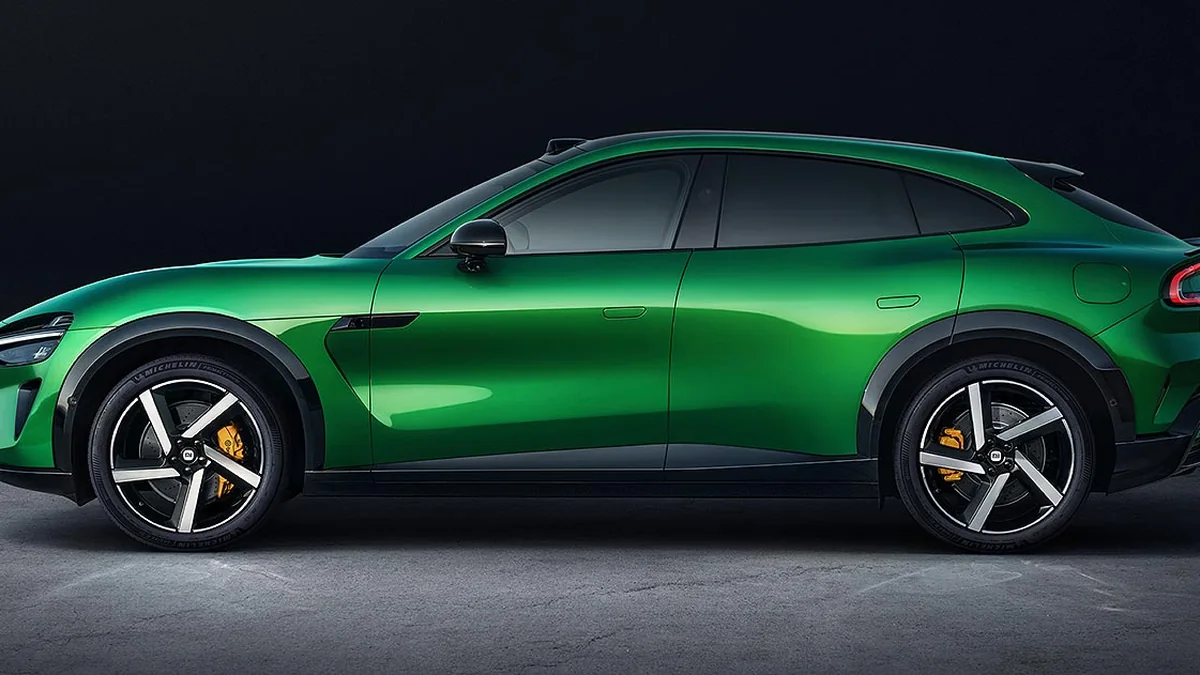
Why Xiaomi entering SUVs matters
Traditional car brands are used to competing on engines, platforms, and dealer networks. Tech companies compete on user experience, ecosystems, speed, and software updates. EVs sit between those worlds. A car now needs both strong mechanical engineering and a digital experience that does not feel outdated after one year.
Xiaomi’s advantage is that many buyers already trust its devices. If the YU7 connects smoothly with phones, home devices, apps, and cloud services, it can feel natural to people who live inside the Xiaomi ecosystem.
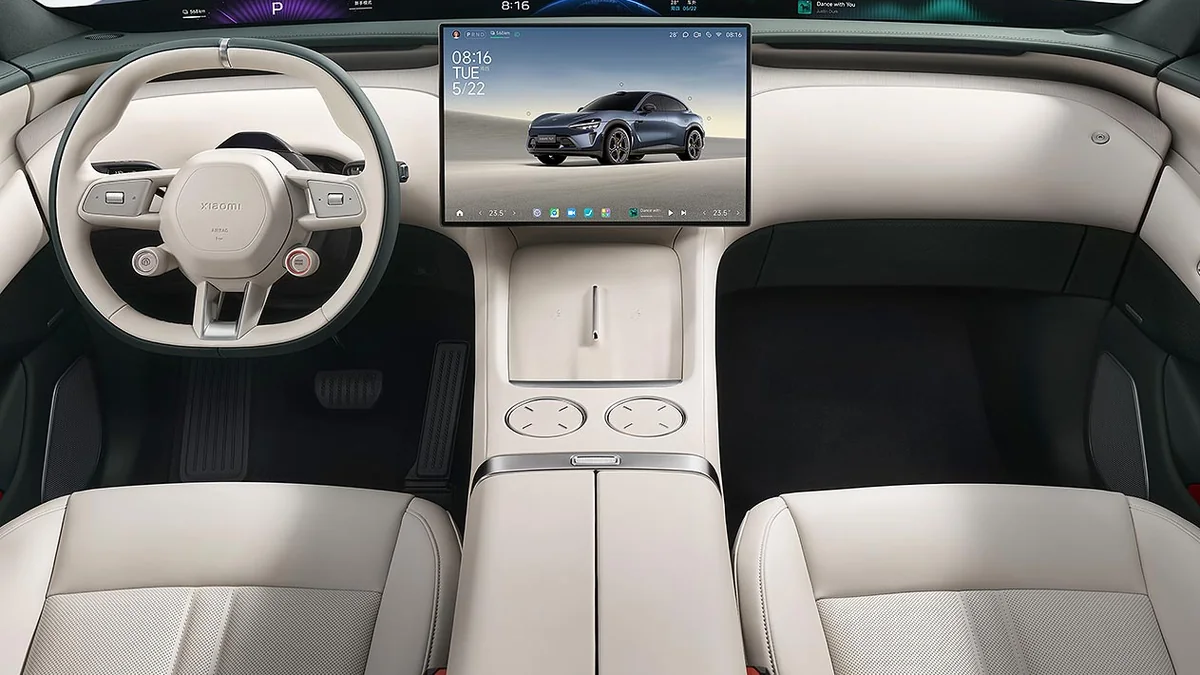
The promise
A good tech-company EV can make daily use easier. Navigation can be smarter. Voice control can be more useful. App control can be faster. Cabin screens can feel more like consumer electronics than old car infotainment. Over-the-air updates can improve features after purchase.
For younger buyers, that may matter as much as horsepower. They do not want a car that feels like a closed machine. They want a connected device that also drives well.
The danger
Cars are harder than phones. A phone bug is annoying. A car bug can affect safety, charging, climate control, driver assistance, or basic usability. A car also needs crash repair, paint matching, suspension durability, tire management, water sealing, and parts availability.
This is where hype becomes dangerous. A beautiful screen cannot replace a strong service network. A fast launch cannot replace long-term reliability data. A tech brand can make the cabin feel clever, but it still has to prove the vehicle can survive years of heat, rain, rough roads, and daily abuse.
Who should consider it?
- Tech-focused EV buyers who enjoy early adoption.
- Drivers already using Xiaomi phones or smart-home products.
- Urban owners with reliable charging and dealer access.
- People who value software experience as much as traditional brand history.
Who should wait?
Conservative buyers should wait. Families who need one completely dependable car should wait. Anyone far from authorized service should wait. First-generation excitement is real, but so is first-generation risk.
What to test before buying
Spend time with the infotainment system. Try phone pairing, voice commands, navigation, climate control, camera views, driver assistance, and charging settings. Then check the normal car details: ride comfort, visibility, brake feel, seat support, cargo area, tire size, and warranty.
Dr. Worry recommendation
The Xiaomi YU7 could become a serious warning to traditional car companies because it may make the car feel more like modern technology. But buyers should not treat it like a smartphone purchase. A car has to be repaired, insured, charged, and resold. Buy only if the local support network is strong enough to match the excitement.
FAQ
Is the Xiaomi YU7 an electric SUV?
Yes. It is positioned as an electric SUV from Xiaomi’s automotive business.
Why is Xiaomi’s car business important?
Because Xiaomi brings consumer-tech thinking into cars, especially software, ecosystem integration, and user experience.
Should I buy one early?
Only if you accept early-adopter risk and have strong local service support.