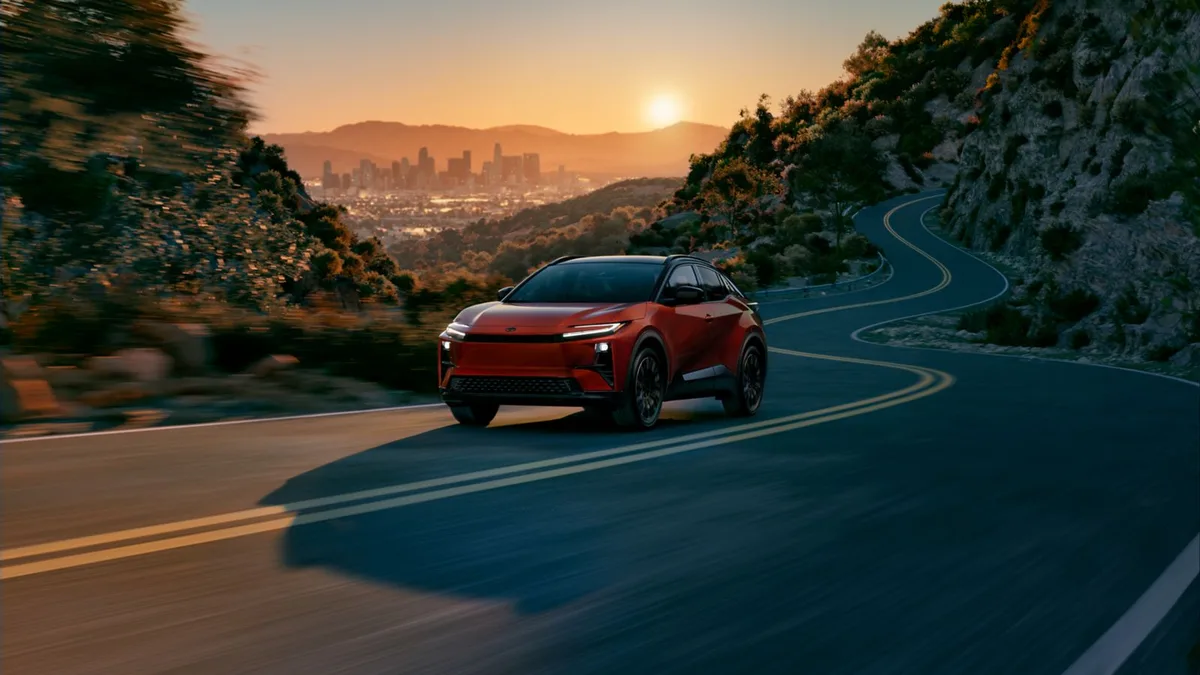
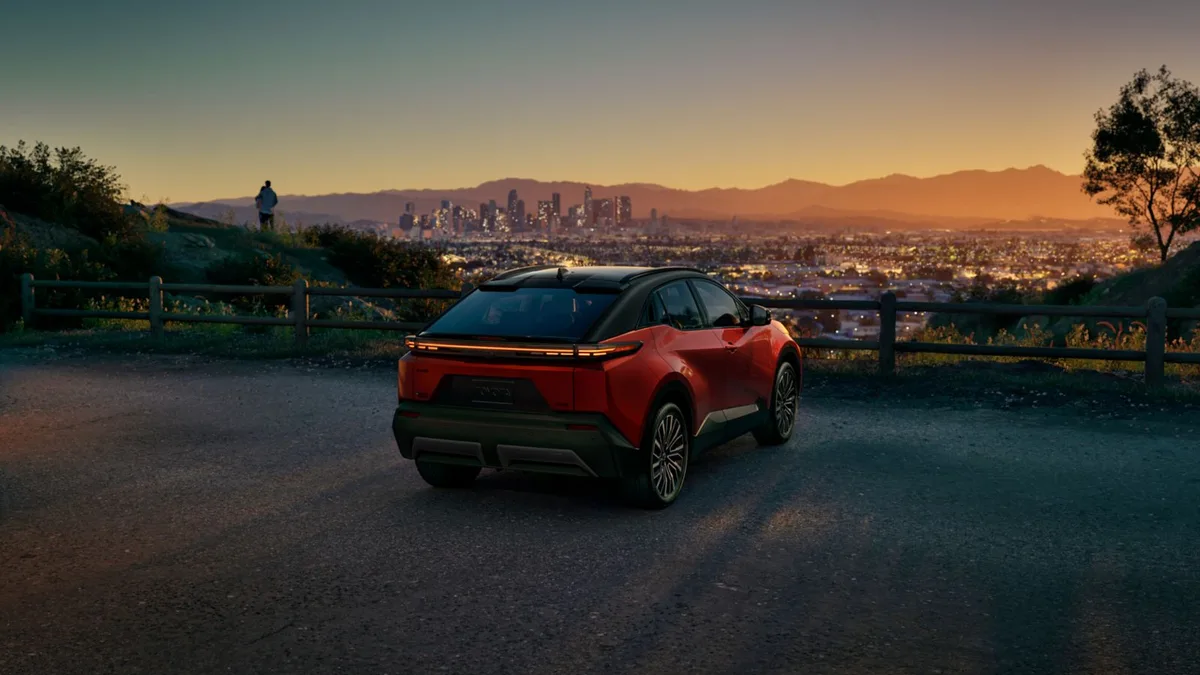
The 2026 Toyota C-HR is back as an all-electric compact SUV, and my advice is to look past the dramatic styling first and check whether the size, charging routine, and trim choice actually fit your life. Toyota gives it numbers that sound strong on paper: standard dual-motor all-wheel drive, 338 net combined horsepower, an EPA-estimated 287 miles of range on the SE grade, and a NACS charge port. That makes it much more serious than the old gas C-HR, but it does not automatically make it the right Toyota EV for every buyer.
I would treat the new C-HR as the sporty, city-friendly member of Toyota’s electric SUV family. It is smaller and more style-led than the bZ, more expensive and powerful than some mainstream compact EVs, and more dependent on your charging habits than a RAV4 Hybrid or Corolla Cross Hybrid. If you can charge at home and want a quick, distinctive small crossover, it deserves a test drive. If you need maximum rear-seat room, frequent road-trip comfort, or the lowest-risk ownership path, I would slow down and compare carefully.
What The 2026 Toyota C-HR Is
Toyota says the C-HR nameplate returns to the U.S. as a battery-electric compact SUV. The formula is simple: coupe-like styling, standard AWD, a 74.7-kWh battery, and a performance pitch built around a manufacturer-estimated 4.9-second 0-60 mph time. That is quick for a practical small crossover, and it changes the C-HR from a quirky economy model into something closer to a small performance EV.
The official range split matters. Toyota lists an EPA-estimated 287 miles for the SE with 18-inch wheels and 273 miles for the XSE with 20-inch wheels. That difference is not huge, but I would still pay attention to it. Larger wheels often look better in the showroom, but on an EV they can cost range, ride comfort, and tire money over time.
My Advice Before You Choose One
My advice is to make the charging plan the first decision, not the color or the monthly payment. The C-HR includes a NACS charge port and Toyota says it can charge from 10% to 80% in around 30 minutes under ideal DC fast-charging conditions. That is useful, but “ideal” is doing a lot of work. Charger temperature, station reliability, battery temperature, route planning, and subscription/app setup can all affect the real experience.
If you have Level 2 charging at home, the C-HR becomes much easier to recommend. You can use the car like a phone: plug in at night and start most mornings with enough range. If you live in an apartment and depend on public chargers, I would test your local charging routine before buying. Visit the stations you expect to use, check pricing, check plug access, and see whether they are busy at the time you normally drive.
I would also compare the C-HR against the Toyota bZ, not just against non-Toyota rivals. The bZ is the more conventional electric SUV choice, while the C-HR is the smaller, sharper-looking alternative. If you regularly carry adults in the back or load bulky family gear, the bigger vehicle may be less exciting but easier to live with.
SE Or XSE: Which Trim Makes More Sense?
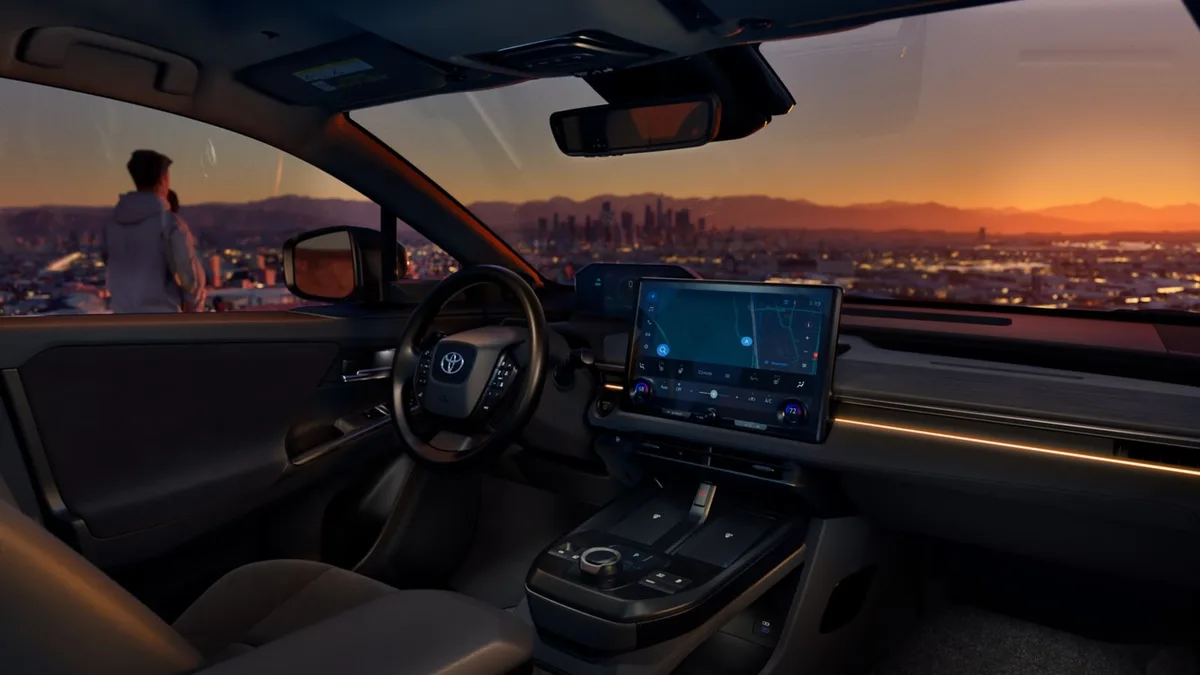
In my experience, the cheaper EV trim is often the smarter long-term buy, and the C-HR SE looks like the trim I would price first. It gets the better official range rating at 287 miles, standard AWD, the same 338 hp output, a 14-inch touchscreen, heated front seats and steering wheel, dual wireless phone chargers, Toyota Safety Sense 3.0, blind spot monitoring, and front and rear parking assist with automatic braking.
The XSE adds the emotional stuff: 20-inch wheels, SofTex and synthetic suede trim, driver memory, an 8-way power passenger seat, Panoramic View Monitor, Lane Change Assist, and Traffic Jam Assist. Those features are nice, but I would not let them distract from the range and tire tradeoff. The XSE’s EPA-estimated 273-mile range is still usable, but if I were buying the C-HR as an efficient daily EV, I would ask whether the extras are worth giving up the SE’s smaller wheels and longer rating.
My practical rule is this: choose SE if you want the C-HR because it is a sensible compact EV with Toyota backing. Choose XSE if the design, cabin materials, camera tech, and driver-assistance extras are the reason you are buying it in the first place.
Where I Would Be Careful
The first caution is space. Toyota lists up to 25.3 cubic feet behind the rear seats and 59.5 cubic feet with the rear seats folded. That is useful for a compact SUV, but the C-HR’s coupe-like roofline is part of its personality. I would sit behind my own driving position, check child-seat access if relevant, and load the items I actually carry: stroller, golf bag, large suitcase, work gear, or pet crate.
The second caution is price context. Toyota says the 2026 C-HR starts at $37,000 before dealer processing and handling charges. That puts it in a zone where buyers may also consider a larger EV, a discounted outgoing model, or a very efficient hybrid SUV. The C-HR gives you standard AWD and strong power, but it is not automatically the cheapest way into an electric crossover.
The third caution is driving expectation. The C-HR looks aggressive and has serious low-speed punch, but I would not assume it is a true enthusiast car. Independent reviews have described it as quick and responsive while also noting that the sporty look is stronger than the ultimate dynamic feel. That is not a deal-breaker. It just means the test drive should include rough pavement, highway merging, and a normal commute route, not only a quick loop around the dealer.
How It Compares With Other WorryCars Picks
If you are cross-shopping, I would put the C-HR in a very specific lane. Compared with the 2026 Nissan LEAF, the Toyota feels more performance-focused and image-conscious. Compared with the Kia EV3, the Toyota’s standard AWD and power are a strong selling point, while Kia’s packaging and pricing strategy may appeal to value-first EV shoppers. Compared with the 2026 Toyota bZ, the C-HR is the more compact and style-led choice.
If you are not ready for a full EV, also compare it with the Toyota RAV4 Hybrid. A hybrid will not give you the same quiet EV feel or instant torque, but it removes most public-charging anxiety and may be easier for rural drivers, apartment dwellers, and families that take frequent long trips.
Buyer Checklist
- Confirm whether you can charge at home or at a reliable nearby Level 2 charger.
- Compare SE and XSE range, wheel size, tire cost, and ride comfort.
- Sit in the rear seat behind your own driving position before signing.
- Load real cargo, not imaginary cargo, during the dealer visit.
- Ask whether NACS adapter/access details are included in writing for your delivery date.
- Check insurance quotes because 338 hp and EV repair costs can affect premiums.
- Compare the C-HR with Toyota bZ, Nissan LEAF, Kia EV3, and a hybrid SUV before deciding.
FAQ
Is the 2026 Toyota C-HR electric?
Yes. The 2026 Toyota C-HR returns to the U.S. as a battery-electric compact SUV.
How much range does the 2026 Toyota C-HR have?
Toyota lists an EPA-estimated 287 miles for the SE grade and 273 miles for the XSE grade.
Does the 2026 Toyota C-HR have all-wheel drive?
Yes. Toyota lists standard dual-motor all-wheel drive with 338 net combined system horsepower.
Should I buy the SE or XSE?
I would start with the SE because it has the longer official range rating and keeps the core powertrain. I would move to XSE only if the added cameras, driver-assistance features, seats, and design details matter enough to justify the price and range tradeoff.
Final Recommendation
My final recommendation: the 2026 Toyota C-HR is worth a serious look if you want a compact EV that feels quicker and more distinctive than the average small crossover. I would buy it only after proving the charging routine, checking rear-seat and cargo space with real use in mind, and comparing the SE against the XSE without getting hypnotized by the bigger wheels. For the right driver, it could be one of Toyota’s most interesting new EVs. For the wrong driver, a bZ, LEAF, EV3, or RAV4 Hybrid may be easier to live with.
Sources: Toyota USA Newsroom 2026 Toyota C-HR announcement; Toyota.com 2026 C-HR product page and official photo gallery; Car and Driver 2026 Toyota C-HR review/spec page.