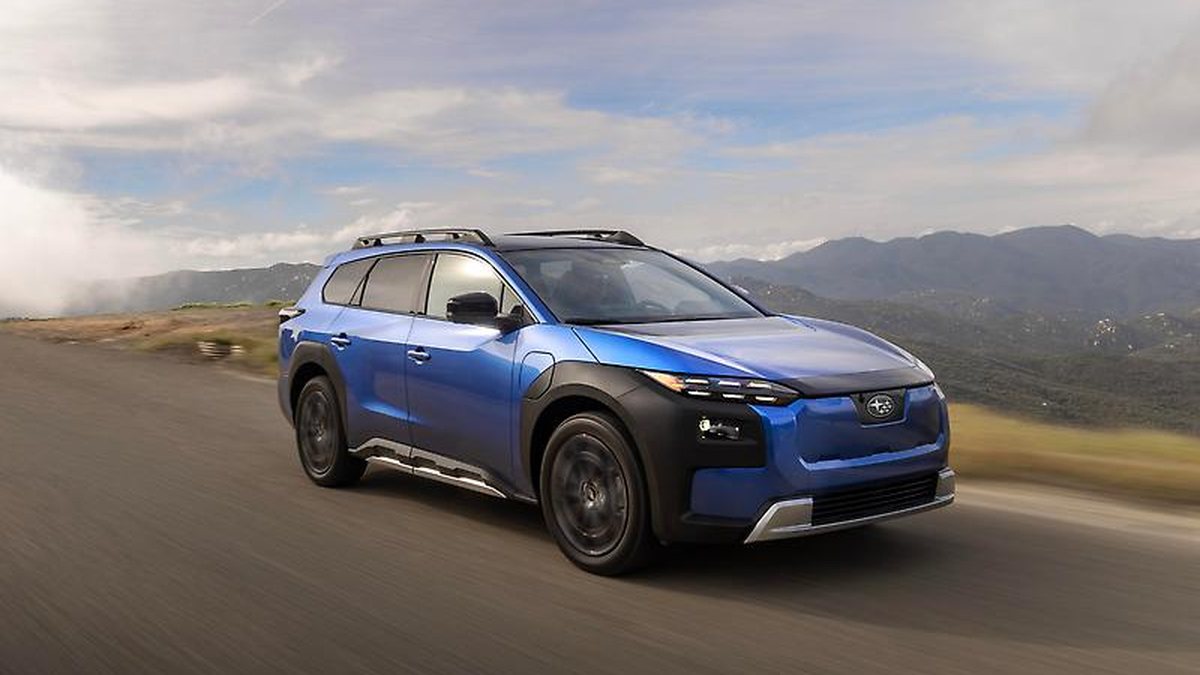
The 2026 Subaru Trailseeker is the electric Subaru that makes more emotional sense to me than a small city EV. It is a wagon-like electric SUV with standard all-wheel drive, 375 horsepower, about 281 miles of estimated range, and pricing that Subaru says starts at $39,995 before destination.
My advice: treat the Trailseeker as an electric Outback-style family tool, not as a cheap EV. I would check cargo use, charging speed, tire cost, and dealer high-voltage support before choosing it over a hybrid wagon or SUV.
Why This Is Not Just Another Subaru EV
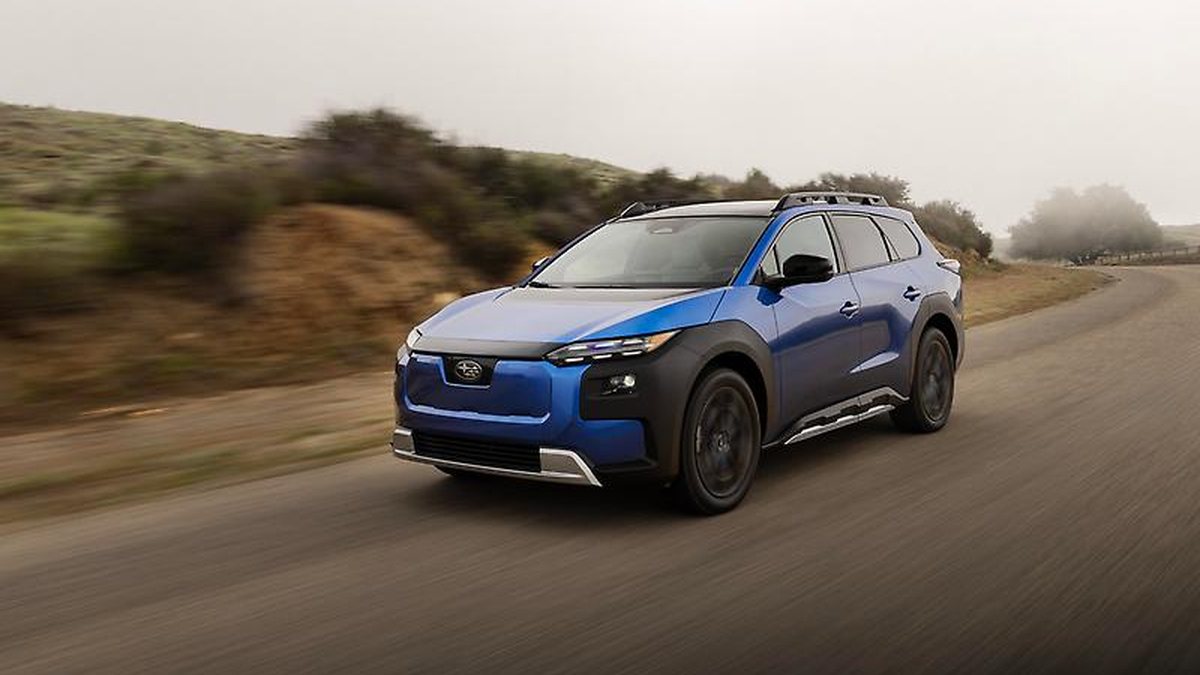
The Trailseeker matters because it speaks Subaru language better than many EV crossovers. It promises ground clearance, all-wheel-drive confidence, a practical body, and enough power to feel modern. For buyers who like the Outback idea but want to move away from gasoline, this is the Subaru EV that deserves attention.
Subaru’s official release positions the Trailseeker with 375 horsepower and an estimated 281 miles of range. Those numbers are useful, but they are not the whole ownership story. A family EV in Southeast Asia has to deal with heat, rain, bad surfaces, public chargers, apartment parking, and long weekend drives where a full cabin and luggage can change efficiency.
The Good News Is Practical Shape
I like EVs that start with a practical body. Sleek crossovers often look good but waste rear headroom or cargo height. The Trailseeker’s value is that it should be easier to use as a real family car: school bags, airport runs, camping gear, supermarket trips, and wet-weather weekends.
That practical shape is why I would compare it against hybrid SUVs as much as against EVs. If you can charge at home, the Trailseeker may reduce fuel cost and still keep the all-weather confidence Subaru buyers expect. If you cannot charge at home, a hybrid may remain less stressful.
Power Is Nice, But Range Is The Daily Question
The 375-horsepower figure will sell test drives. It should make the Trailseeker feel quick, especially from low speed. But power is not what most owners worry about after six months. They worry about real range, charger reliability, battery cooling, tire wear, and whether the car can do a family road trip without turning every stop into homework.
In my experience, a powerful AWD EV can be expensive to run if the owner drives it hard and replaces large tires often. I would ask for the exact tire size, tire-load rating, brake-service expectations, and wheel-repair cost. EV torque is fun, but it is not free.
Charging Must Be Tested Like A Feature
Subaru talks about the Trailseeker as a modern EV, but the local charging network decides whether it feels modern in daily life. I would not buy one in an emerging EV market without testing the charging routine first: home charger quote, garage cable path, public charger apps, payment methods, connector compatibility, and dealer support for charging faults.
For Vietnam, Thailand, Cambodia, and other regional markets, the road-trip question is still uneven. Some routes are improving quickly. Others remain a planning exercise. A Trailseeker buyer should be honest about actual routes, not imagined adventure photos.
Who Should Consider It
- Families with home charging who want Subaru practicality without gasoline.
- Drivers who travel in rain, hills, or rough resort roads and value AWD.
- Outback or Forester owners who want an EV but still need cargo flexibility.
- Buyers who can accept range planning in exchange for lower fuel use and strong performance.
Who Should Wait
I would wait if you park in an apartment without dependable charging, drive long rural routes often, or live far from a Subaru dealer trained on high-voltage systems. I would also wait if resale matters more than technology, because new EV nameplates can take time to develop a predictable used-market value.
Another reason to wait is uncertainty around accessories and repair support. Family buyers often add roof bars, cargo mats, chargers, dash cameras, child seats, and sometimes towing or bike-carrying hardware. I would check what is approved for the Trailseeker before assuming Outback-style accessory freedom carries over automatically.
The Family Test I Would Run
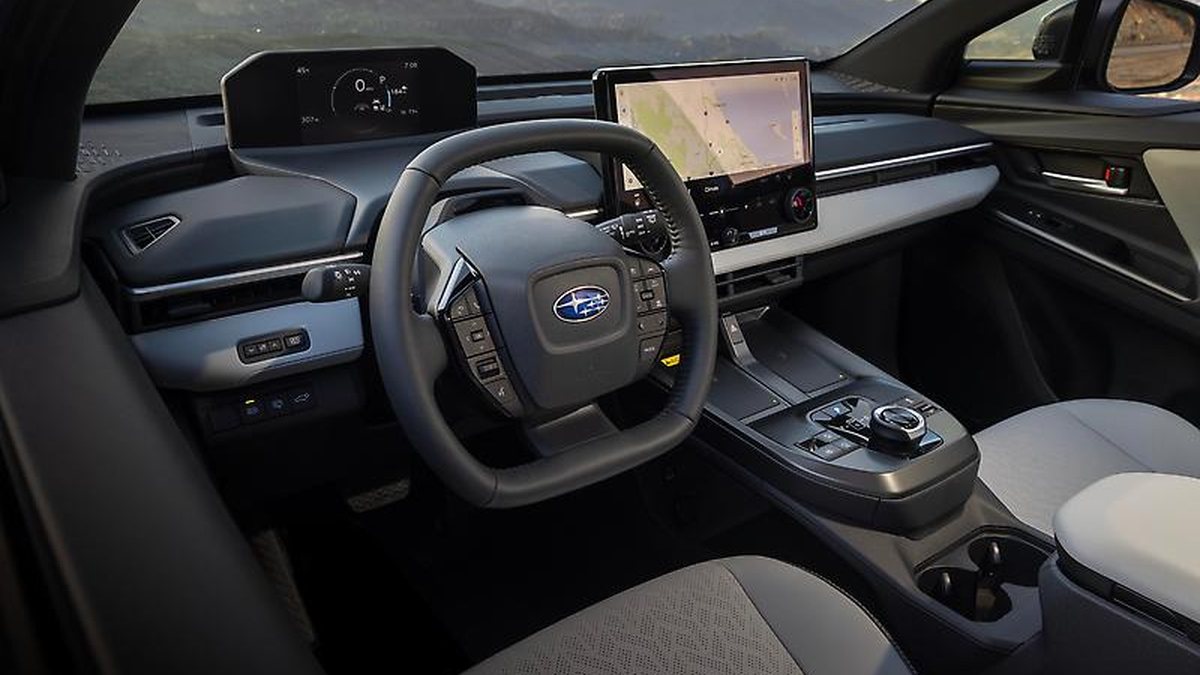
Before signing, I would do one boring but revealing test: load the car for a real weekend. Put in the stroller, luggage, sports gear, charging cable, rain jackets, and the people who complain first. Then check rear visibility, cargo-floor height, second-row comfort, and how easily the driver can reach climate and navigation controls. That test tells you more than another acceleration run.
How I Would Cross-Shop It
The Trailseeker is larger and more family-oriented than the Subaru Solterra range story already covered on WorryCars. It is also a different buyer case from the Honda CR-V Hybrid, which remains easier for buyers without charging. The decision is not EV versus gasoline in theory; it is whether your home and route make the Trailseeker easy to live with.
FAQ
Is the 2026 Subaru Trailseeker an electric Outback?
It is not literally an Outback replacement, but it plays a similar role: practical family shape, Subaru all-wheel-drive confidence, and adventure-friendly positioning.
Is 281 miles enough range?
It can be enough if you charge at home and your regular routes are predictable. It may feel tight if you do frequent long trips where public charging is sparse.
What would I inspect first?
I would inspect charging access, tire cost, cargo shape, rear-seat comfort, and service support before discussing color or finance offers.
Final Recommendation
The 2026 Subaru Trailseeker is the Subaru EV I would take seriously for family duty. My final recommendation is to shortlist it only if you can charge easily and want AWD practicality more than maximum range. Without that charging base, a hybrid SUV may still be the calmer choice.