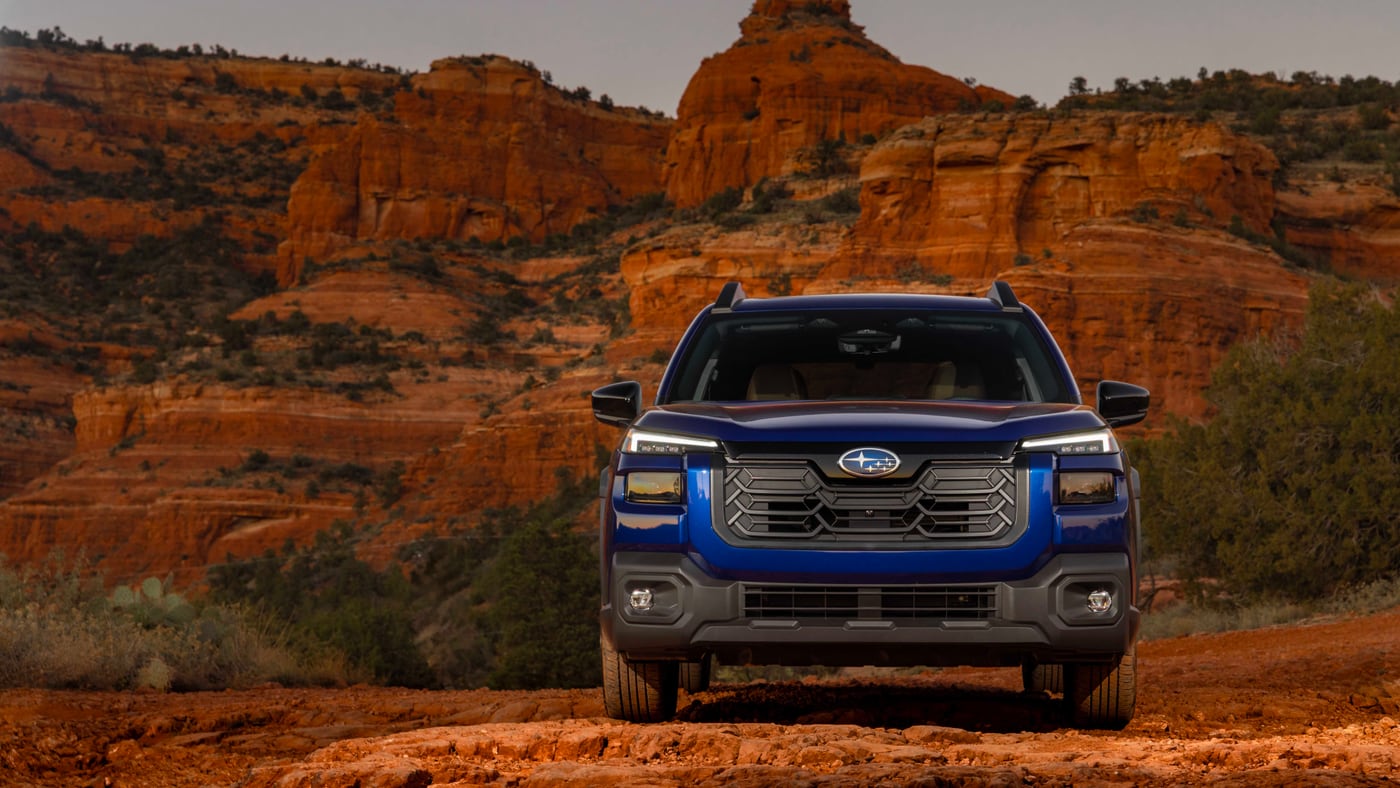
My advice: the 2026 Subaru Outback is worth a serious look if you loved the old Outback idea but secretly wanted more SUV space. I would not buy it just because it is new, though. Subaru has moved the Outback into a boxier, taller, more tech-heavy direction, and that brings both better family practicality and new questions about price, screen usability, tire cost, and whether the Wilderness trim is truly needed.
Subaru says the seventh-generation Outback starts at $34,995 MSRP in Premium trim because the old Base model is gone. The company also says the new SUV gets a standard 12.1-inch multimedia system, a 12.3-inch digital instrument cluster, standard Symmetrical All-Wheel Drive, improved interior volume, and a Wilderness version with up to 9.5 inches of ground clearance. That is a lot of useful hardware, but the ownership story is not only about features.
Why The Boxier Shape Matters
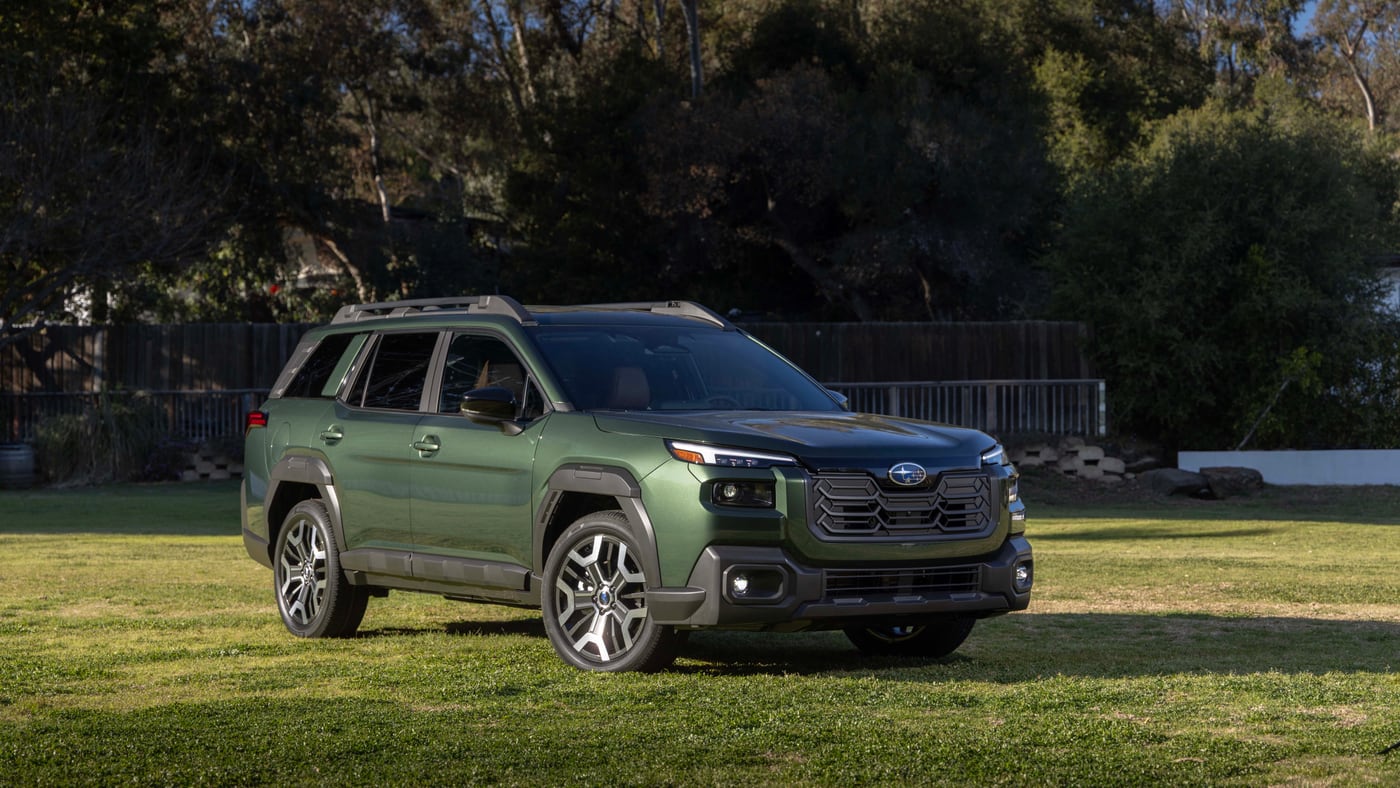
The old Outback worked because it sat between wagon and SUV. The 2026 model leans harder into SUV territory. I see that as good news for buyers who carry strollers, coolers, luggage, dogs, or outdoor gear. A taller cargo area is easier to load, and a square rear end usually wastes less space than a sloping one. The tradeoff is image and driving feel. Some longtime Outback buyers may miss the lower, wagon-like character.
In Southeast Asia, that shape can be useful. Families here often carry more people and cargo than the brochure suggests. Airport runs, school bags, folding chairs, wet umbrellas, and weekend luggage all punish stylish but shallow cargo bays. I would still check parking height and turning space, because a more SUV-like Outback may feel less graceful in tight urban garages.
Premium Is Now The Entry Point
The Base trim disappearing is not automatically bad. The Premium trim brings better equipment, including the big screen, heated front seats, power rear gate, raised roof rails, water-repellent StarTex upholstery, and Subaru’s latest EyeSight driver-assist package. My concern is that buyers who used to see the Outback as a rugged value play may now be pushed into a higher price floor.
I would compare the final transaction price against compact and midsize hybrid SUVs, not only other wagons. The Outback has standard AWD, but it is not a hybrid. If your daily use is heavy traffic in Ho Chi Minh City, Bangkok, or Phnom Penh, fuel cost may matter more than trail confidence. If you drive wet mountain roads or rough provincial routes, AWD and ground clearance become more valuable.
The Wilderness Trim Needs Honest Use
The Outback Wilderness is the emotional trim. Subaru lists a 2.4-liter turbo engine, 260 horsepower, 277 lb-ft of torque, all-terrain tires, 17-inch wheels, electronically controlled suspension, and up to 9.5 inches of ground clearance. That sounds excellent for bad roads and camping. It also means more expensive tires, more hardware, and potentially more fuel use than a calmer trim.
My rule is simple: buy Wilderness if you use Wilderness. If your roads include dirt, gravel, deep rain ruts, trailheads, beach access, or frequent mountain travel, it makes sense. If your biggest adventure is a shopping-mall ramp, I would rather spend less and keep the ride quieter. This same logic applies to other Subaru choices such as the Crosstrek Hybrid: capability is valuable only when it matches the real week.
Screen And Safety Tech Check
The new screen layout matters because families use climate controls, navigation, cameras, calls, and music constantly. I would test the system before the drive: pair a phone, switch cameras, adjust temperature, change audio, and see whether common actions take too many taps. A large screen can feel premium in the showroom and annoying during monsoon traffic.
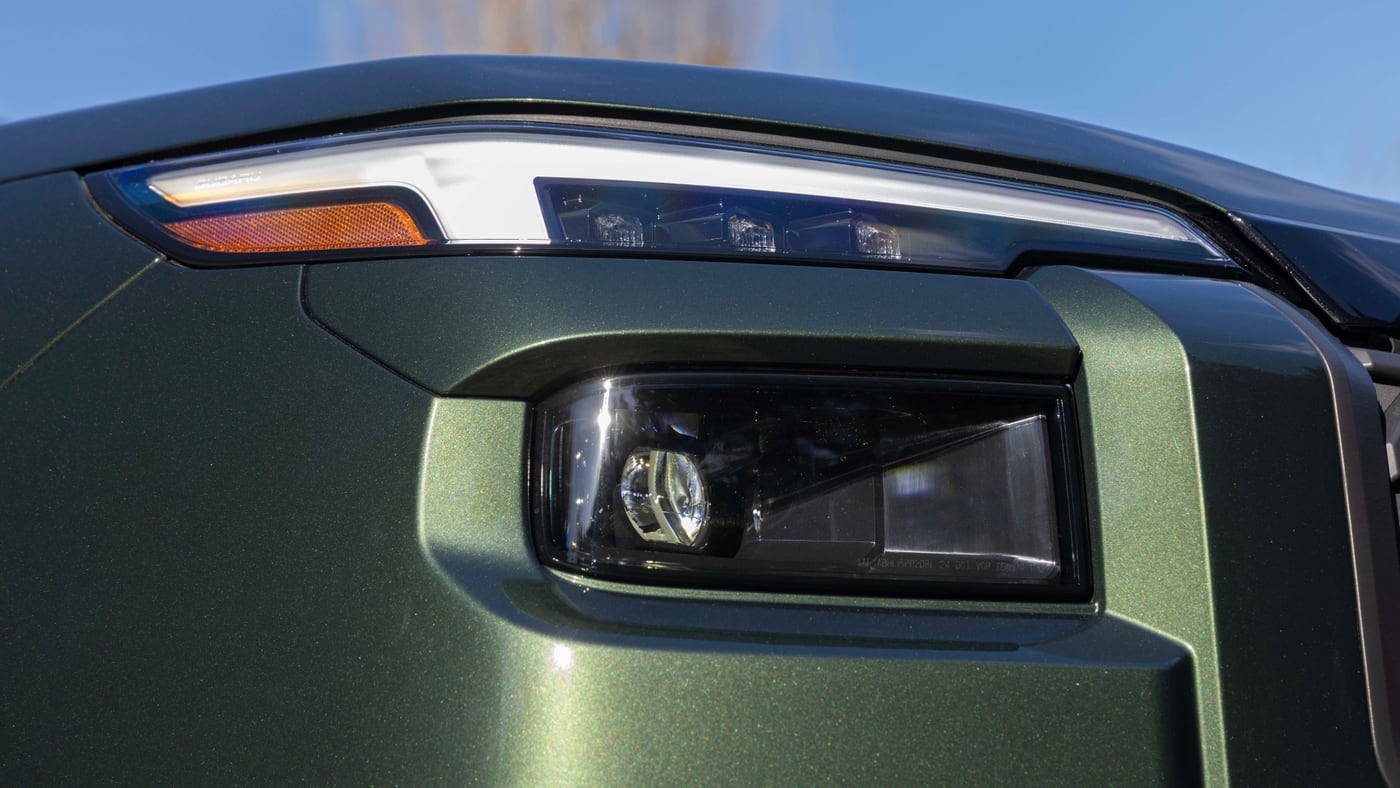
Subaru’s latest EyeSight package includes more assistance features, and upper trims add hands-free highway functions. I like useful driver assistance, but I would check how it behaves on faded lane markings, motorbikes, uneven shoulders, and aggressive traffic. A system tuned for American highways may not always feel calm in Vietnam or Thailand.
What I Would Check Before Buying
- Final price of Premium, Limited, Touring, XT, and Wilderness trims after local taxes or import costs.
- Replacement tire cost, especially for Wilderness all-terrain rubber.
- Whether the big touchscreen is easy to use with wet hands and traffic stress.
- Real cargo fit with family luggage, stroller, cooler, or pet crate.
- Fuel use expectations for the turbo XT and Wilderness trims.
- Subaru service depth for EyeSight cameras, sensors, screens, and turbo hardware.
FAQ
Is the 2026 Subaru Outback still a wagon?
It still carries the Outback name and standard AWD formula, but the new shape is much more SUV-like. I would judge it as a practical family crossover rather than a traditional wagon.
Is the Wilderness trim worth it?
It is worth it if you use the ground clearance, tires, turbo torque, and rugged cabin. For mostly city driving, a lower trim may be quieter and cheaper to own.
Should Southeast Asia buyers wait?
I would wait for local pricing, warranty, and service confirmation. The Outback makes sense only if the dealer network can support the technology and AWD hardware properly.
My Final Recommendation
The 2026 Subaru Outback looks like a stronger family tool, not merely a facelift. My recommendation is to shortlist it if you need space, AWD confidence, and rough-road comfort, but do not overbuy the trim. Test the screen, price the tires, and compare fuel costs before falling for the boxier look. If those checks pass, this could be one of the more honest family SUVs in its lane.