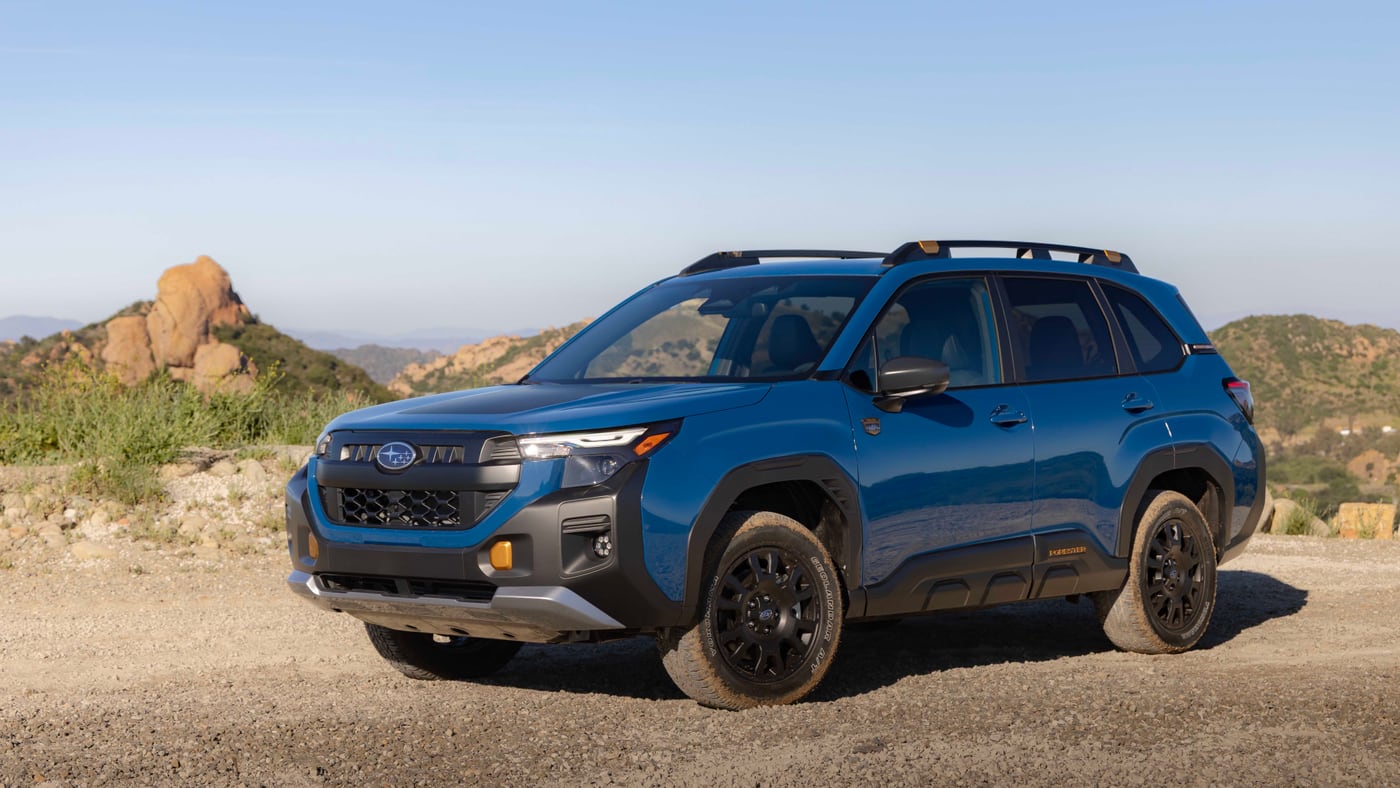
My advice: the 2027 Subaru Forester Wilderness Hybrid is interesting because it solves a real tension: people want rugged AWD confidence, but they do not want silly fuel bills. I would put it on the shortlist if you drive wet roads, gravel, campsite tracks, and mountain routes, but I would still check battery warranty, tire cost, and local hybrid service before treating it as the perfect adventure SUV.
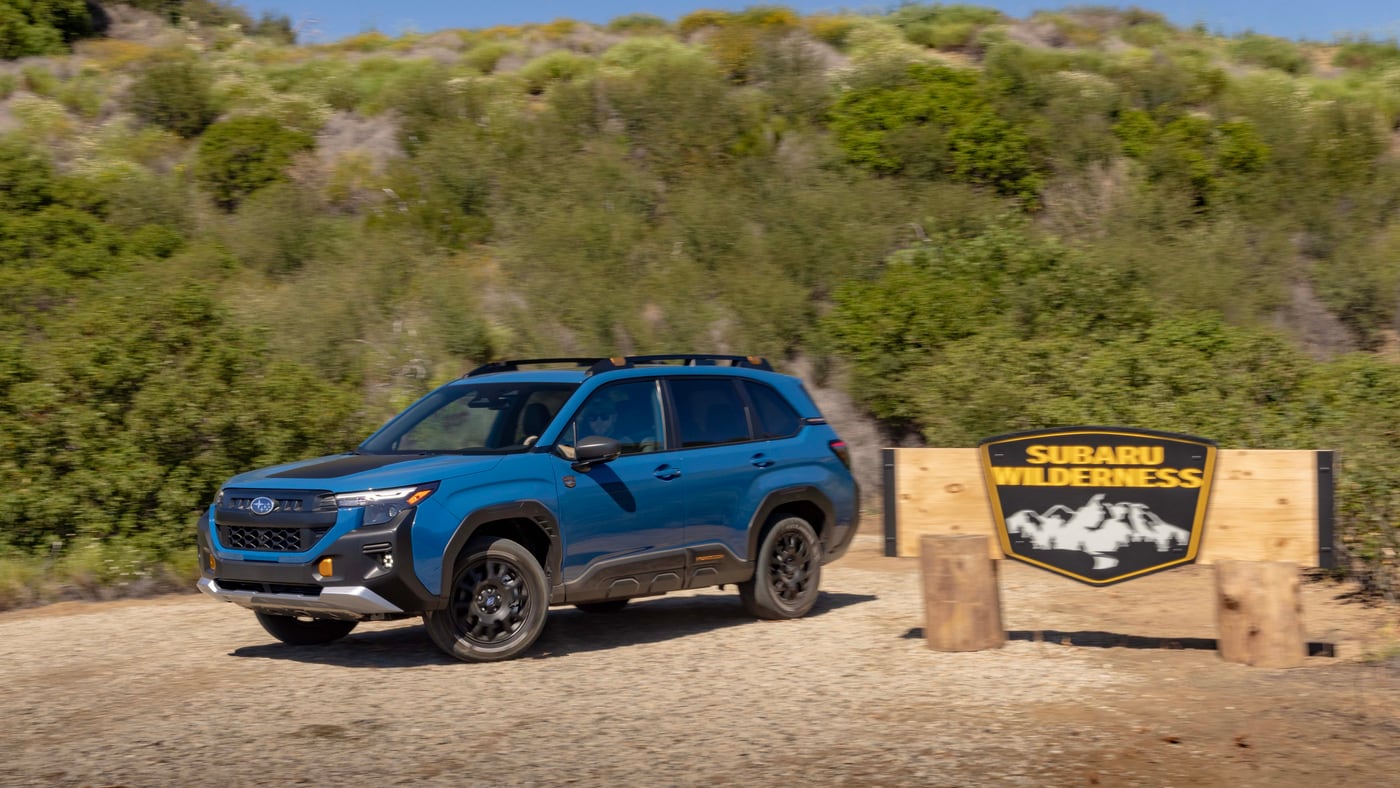
Subaru calls this the first-ever Wilderness Hybrid and says it has 194 total system horsepower, 9.3 inches of ground clearance, Symmetrical All-Wheel Drive with a mechanical front-to-rear connection, X-MODE Dual-Mode settings, all-terrain Yokohama Geolandar tires, and fuel economy up to 25 percent better than a non-hybrid Wilderness model. It is due to go on sale in late 2026, with pricing closer to launch.
Why This Is More Than A Badge
Some rugged trims are mostly paint, cladding, and marketing. This one at least brings the parts I care about: more ground clearance than the Forester Hybrid, all-terrain tires, off-road drive modes, useful roof rails, and a hybrid system tuned for better economy. That combination matters because many buyers do not need a body-on-frame SUV. They need a compact crossover that can handle a broken road, muddy campsite, or steep wet driveway without becoming expensive to feed.
In my experience, the right off-road crossover is the one you can afford to use often. A big 4WD may be tougher, but if it is thirsty, hard to park, and expensive to maintain, it spends too much time being admired rather than used. The Forester Wilderness Hybrid could be a better real-life tool for couples, small families, and outdoor drivers.
The Hybrid System Is The Main Question
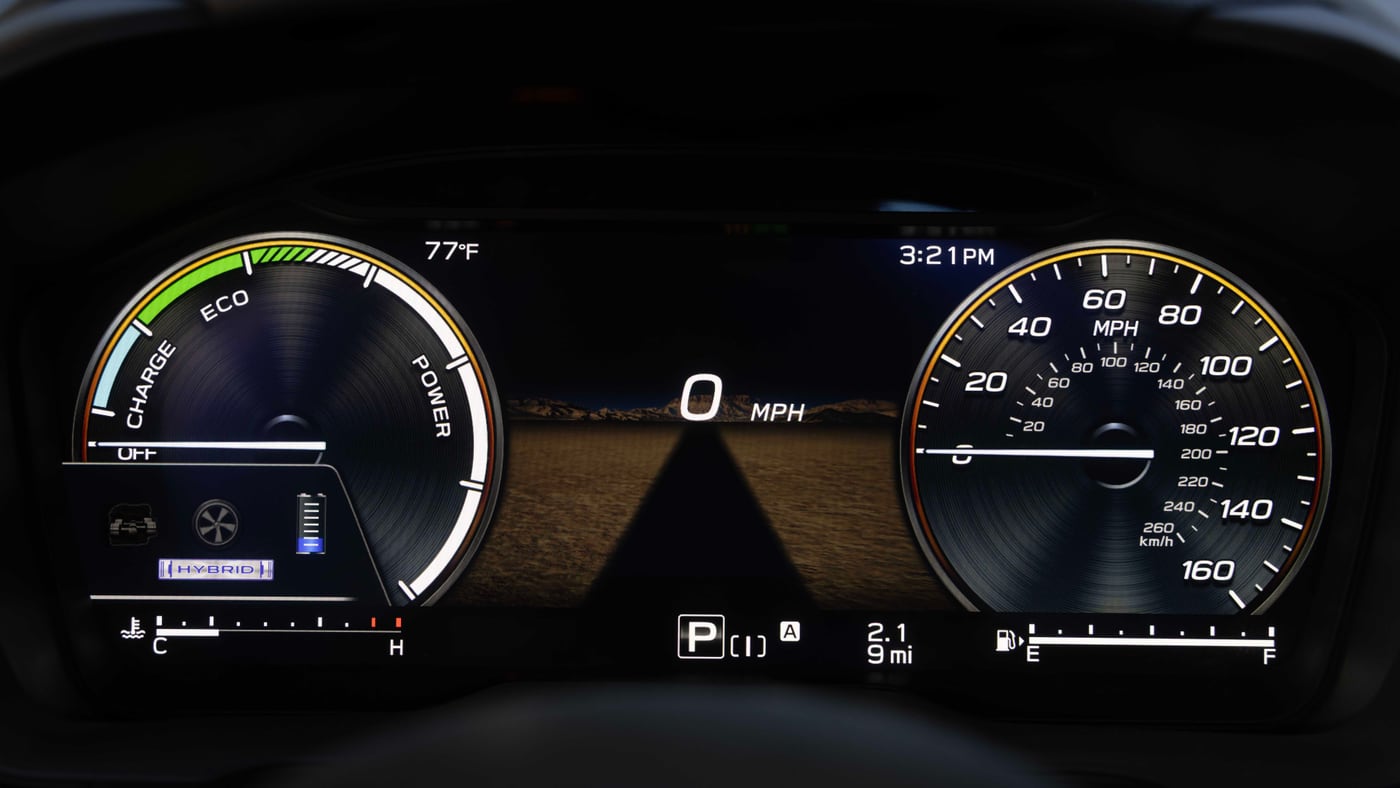
Subaru says the Forester Wilderness Hybrid uses an Atkinson/Miller-cycle 2.5-liter boxer engine, a lithium-ion battery, and electric motors for 194 horsepower. That is more than the 180-hp non-hybrid Wilderness figure Subaru cites, but I would not buy it for speed. I would buy it for smoother low-speed response, better fuel use, and less guilt during weekday traffic.
The catch is service. In Vietnam, Thailand, and Cambodia, hybrid reliability is not only about the manufacturer. It is about trained technicians, diagnostic tools, replacement parts, and warranty handling. I would ask the dealer who services the battery system, how long parts take, and whether remote travel affects warranty or roadside support.
Trail Hardware Still Matters
The 9.3 inches of ground clearance is useful. So are the approach, breakover, and departure angle improvements Subaru lists over the standard Forester Hybrid. But tire choice may matter even more. All-terrain tires can add confidence on gravel and mud, but they may be noisier, heavier, and more expensive than normal road tires. I would price a full set before signing.
I would also remember that a Forester is not a Land Cruiser. It is not meant for deep water, abuse, or recovery-heavy off-roading. It is meant for reasonable trail access and ugly road conditions. If that is your use case, good. If you plan remote expeditions, the hardware and recovery support need a harder look.
Daily Use In Southeast Asia
The Forester size is one of its strengths. It is easier to park than a big three-row SUV like the Subaru Ascent, but it still has useful cargo space and visibility. Subaru says the Wilderness Hybrid has a 27.5-cubic-foot cargo area and more than 69 cubic feet with the rear seats folded. That is the kind of space that works for sports gear, camping boxes, airport luggage, and small-family travel.
I would check rear air-conditioning performance, seat material in heat, cabin noise from the tires, and whether the 11.6-inch screen is easy to operate on rough roads. StarTex upholstery and all-weather mats are sensible in a wet region. A fussy touch interface is not.
Before leaving a deposit, I would ask for a route that includes broken pavement, a wet ramp if possible, a tight U-turn, and a short highway stretch. That single drive tells more about tire noise, hybrid smoothness, brake blending, and visibility than a glossy launch video ever will.
What I Would Check Before Buying
- Hybrid battery warranty, inverter coverage, and local technician training.
- Replacement cost and local availability of the all-terrain tire size.
- Whether the roof rails suit your tent, box, bike rack, or kayak load.
- Real fuel use in traffic with air-conditioning on.
- Screen usability and camera clarity on rainy nights.
- Dealer policy for off-road wear, underbody damage, and recovery-related repairs.
FAQ
Is the Forester Wilderness Hybrid a plug-in hybrid?
No. Subaru describes it as a hybrid system paired with a boxer engine, battery, and electric motors. It is not a plug-in EV-style vehicle.
Is it better than a normal Forester Hybrid?
It should be better for rough-road use because of ground clearance, tires, X-MODE tuning, and Wilderness hardware. A normal Forester Hybrid may be quieter and cheaper for city-only use.
Would I buy it for Vietnam?
I would consider it if official dealer support is strong. The concept fits Vietnam’s wet roads and rough surfaces, but hybrid service support must be clear.
My Final Recommendation
The 2027 Subaru Forester Wilderness Hybrid has a sensible mission: real AWD confidence with better fuel economy. My recommendation is to treat it as a rough-road compact hybrid, not a hardcore off-roader. If the price, warranty, tires, and service support check out, it could be one of Subaru’s most useful regional products. If those details are weak, the Wilderness badge will not be enough.