My advice: the 2027 Volkswagen ID. Buzz Tourer is the rare EV that makes emotional sense before it makes spreadsheet sense. I like the idea of a factory-style camper package, but I would buy it only after checking overnight comfort, DC fast-charging stops, tire load ratings, and whether the van can do the exact weekend trips you imagine.
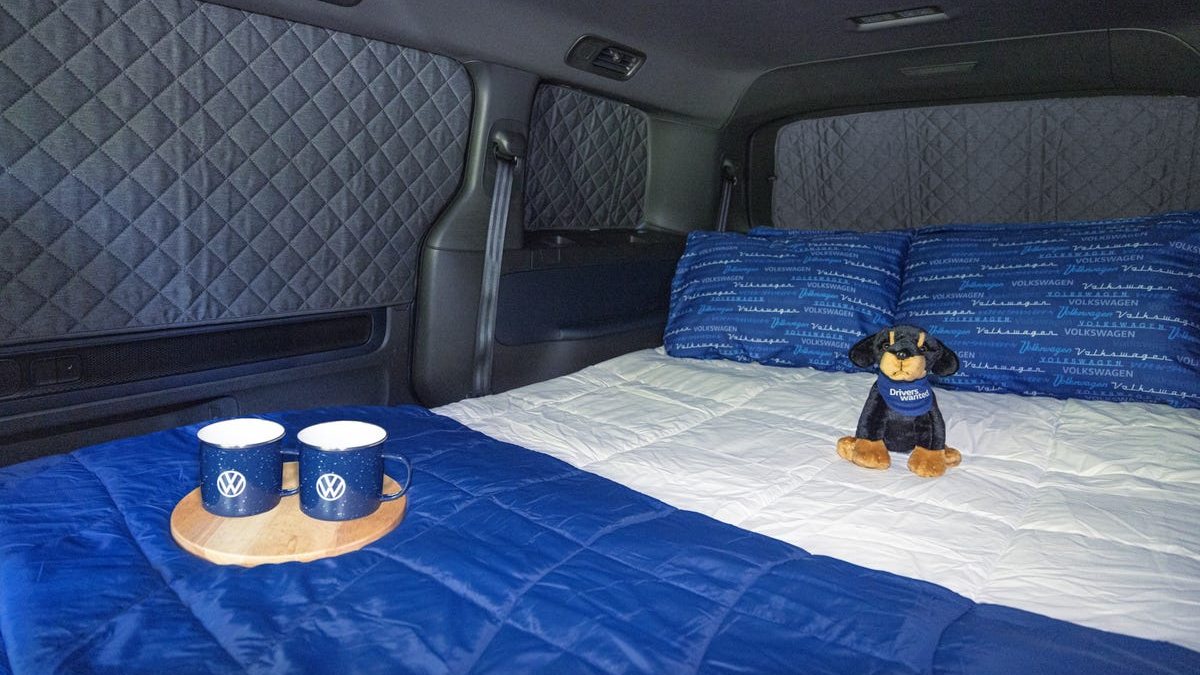
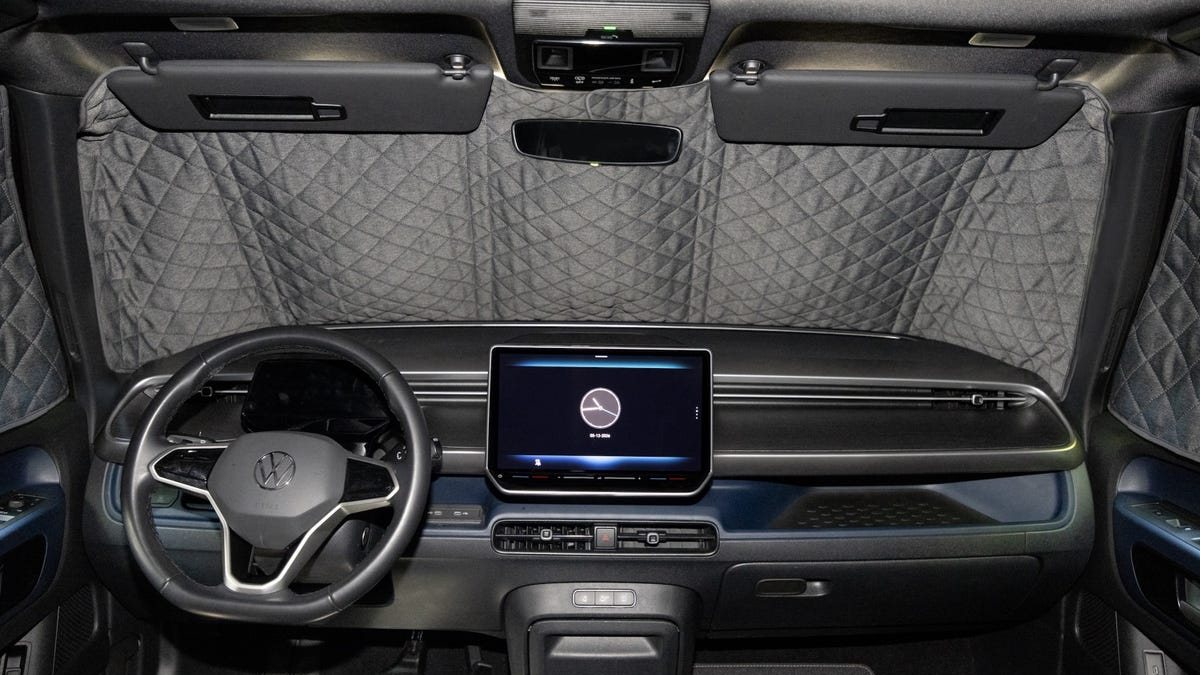
Road & Track reported that Volkswagen is bringing the ID. Buzz back to America for 2027 with a reworked lineup and a new Tourer 4Motion trim. The key hook is camping hardware inspired by Europe’s Good Night Package: a fold-out interior platform for a mattress, window blinds, ventilation panels, exterior chairs, a table, and an Overnight Mode for camping use. That sounds charming. It also needs a sober buyer check because camper vans expose every weakness in range, storage, heat management, and charging location.
Quick takeaways
- The Tourer is the most interesting ID. Buzz because it gives the retro van a real use case instead of relying on nostalgia.
- Camping gear adds value only if the sleeping platform, privacy, and ventilation are comfortable for your body size and climate.
- For Southeast Asia, the big question is not whether the van is cute. It is whether service, charging, and battery cooling support long hot trips.
Why the Tourer angle matters
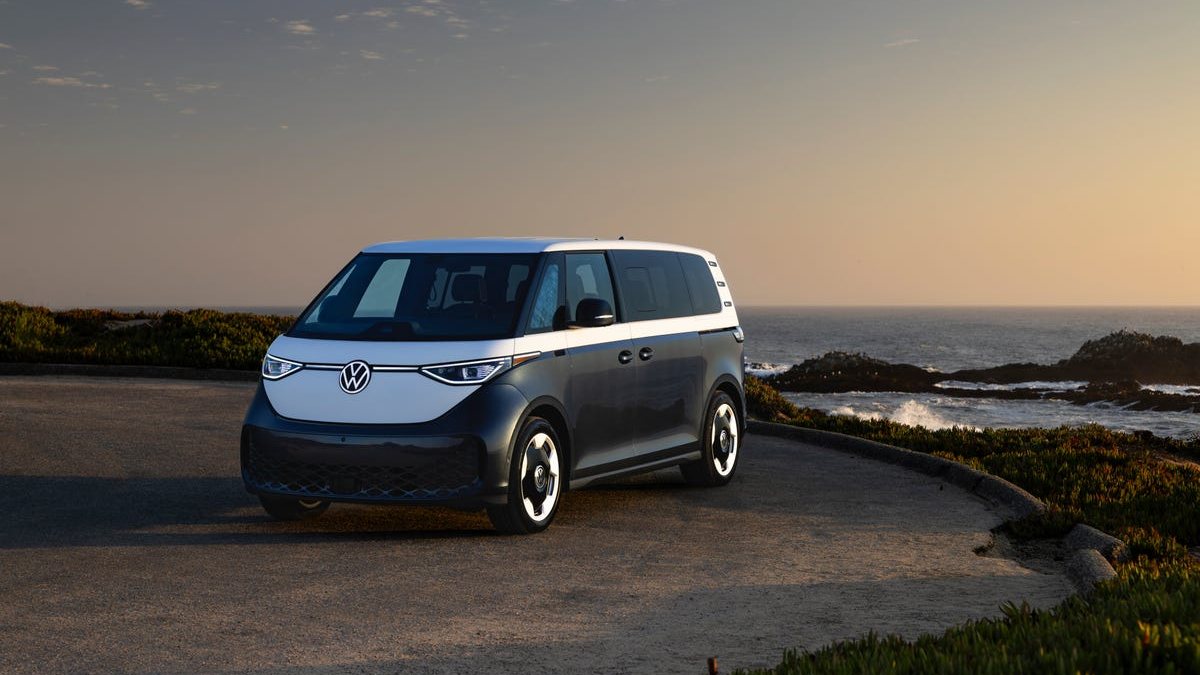
The ID. Buzz has always had a problem: everyone liked the shape, but not everyone could justify the price and range compromises. A Tourer trim gives the van a clearer job. Instead of being an expensive retro people mover, it becomes a weekend base camp for two people, a surf-trip support vehicle, or a hotel alternative for short national-park runs.
That is a better story than “modern Microbus.” In my experience, lifestyle vehicles age badly when they are sold mainly as an image. They age well when they solve a routine. A camping ID. Buzz can solve a routine if the owner actually uses the bed, shades, ventilation panels, and table. If those parts sit unused, the buyer paid for accessories and Instagram appeal.
The charging plan decides the trip
My biggest question is not the bed. It is the charging plan. Camper use means the van may arrive at a remote campsite, sit overnight, run climate or electronics, then drive back the next day. That is a different energy pattern from commuting. Before buying, map your favorite weekend route with a conservative range buffer, then add a second charging option in case the first station is broken, occupied, or too slow.
This is especially important in Southeast Asia. Vietnam, Thailand, and Malaysia are improving EV infrastructure, but the best chargers are still concentrated around major routes and cities. If your camping fantasy involves beaches, mountain roads, or muddy side tracks, check the charging reality first. WorryCars recently looked at the Chevrolet Bolt charging reality, and the same principle applies here: range is only useful when the route supports it.
What I would check in person
I would start by lying on the bed platform, not by sitting in the driver’s seat. Check mattress length, shoulder room, flatness, and how much cargo space remains when the sleep setup is installed. Then close the blinds and sit inside for ten minutes. If the cabin feels stuffy in a showroom, it will feel worse in a humid climate. Ventilation panels sound minor, but they decide whether you sleep or sweat.
Next, inspect payload. Two adults, camping gear, water, portable fridge, chairs, table, and a mattress can add up. EV vans are heavy already. If you plan to carry bikes, a roof box, or a rear carrier, check the rating before the first trip. Finally, ask how the camping kit is serviced. Replacement blinds, panels, and trim clips are not as simple as normal floor mats.
Who should shortlist it
The Tourer makes sense for a buyer who already wants an EV van and genuinely takes weekend trips. It also makes sense for couples who would rather sleep inside a vehicle than tow a trailer or build a custom camper. It makes less sense as a daily school-run van unless the camping gear is removable and the price premium is modest.
If you need a conventional family SUV, compare the ID. Buzz with something less emotional and more practical. Our 2027 Volkswagen Atlas family SUV check is a useful contrast because it focuses on space and ownership rather than camper personality. If you want pure EV utility, also compare larger three-row EVs before falling for the van silhouette.
FAQ
Is the 2027 ID. Buzz Tourer a full camper van?
It is better understood as a factory camping package, not a full motorhome. Expect sleep and privacy features, not a complete built-in kitchen or bathroom.
Would I use it for long road trips?
Yes, but only with conservative charging planning. I would not drive deep into a remote area without two verified charging options on the way back.
Is 4Motion important?
For wet grass, gravel campsites, and slippery roads, all-wheel drive helps. It does not turn the ID. Buzz into a serious off-road vehicle.
Final recommendation
The ID. Buzz Tourer is a better idea than a plain nostalgia van because it gives the vehicle a job. I would still buy it with my route map open, not my heart in charge. If the bed fits, the camping hardware is durable, and the charging network supports your real destinations, it could be one of the most likeable EVs of 2027. If not, it becomes an expensive toy with a mattress.