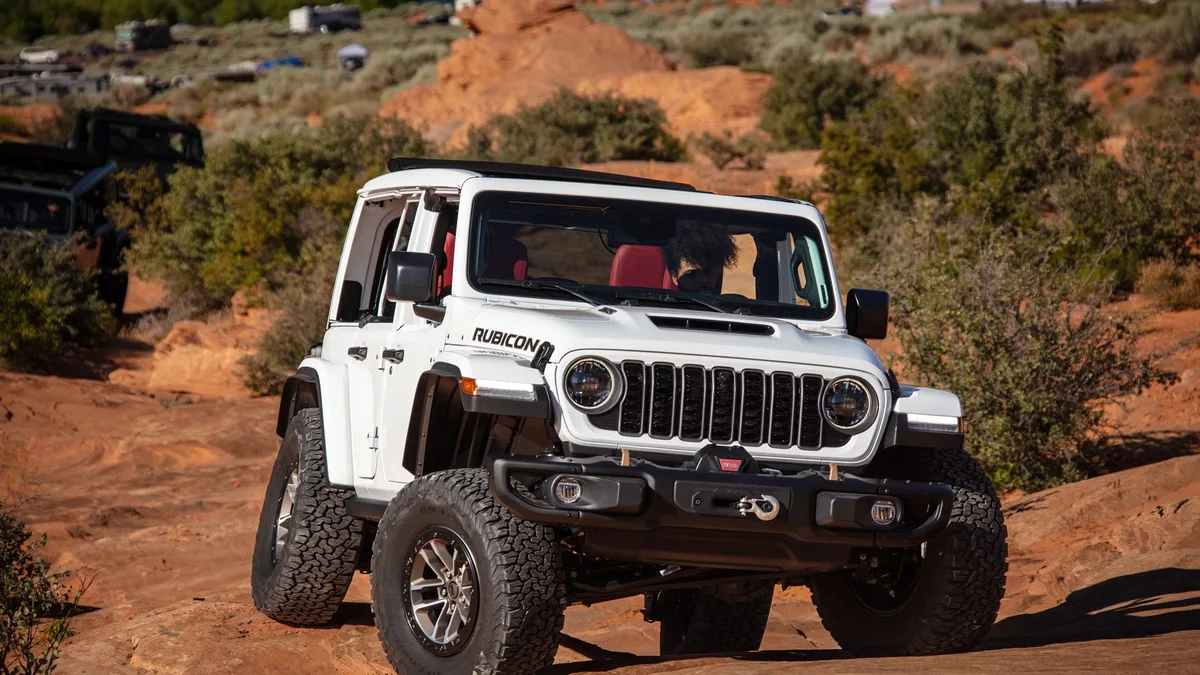
Dr. Worry’s verdict: If you own a model-year 2021-2025 Jeep Wrangler or Gladiator and the NHTSA alert applies to your VIN, do not wait for an appointment letter before acting. The instruction is explicit: park outside and away from structures until the remedy is complete. I know this disrupts routines, especially in dense urban environments where garage space is premium real estate. However, a recall involving electrical overheating that can cause fire while the vehicle is off represents a risk category distinct from standard software updates or minor component campaigns.
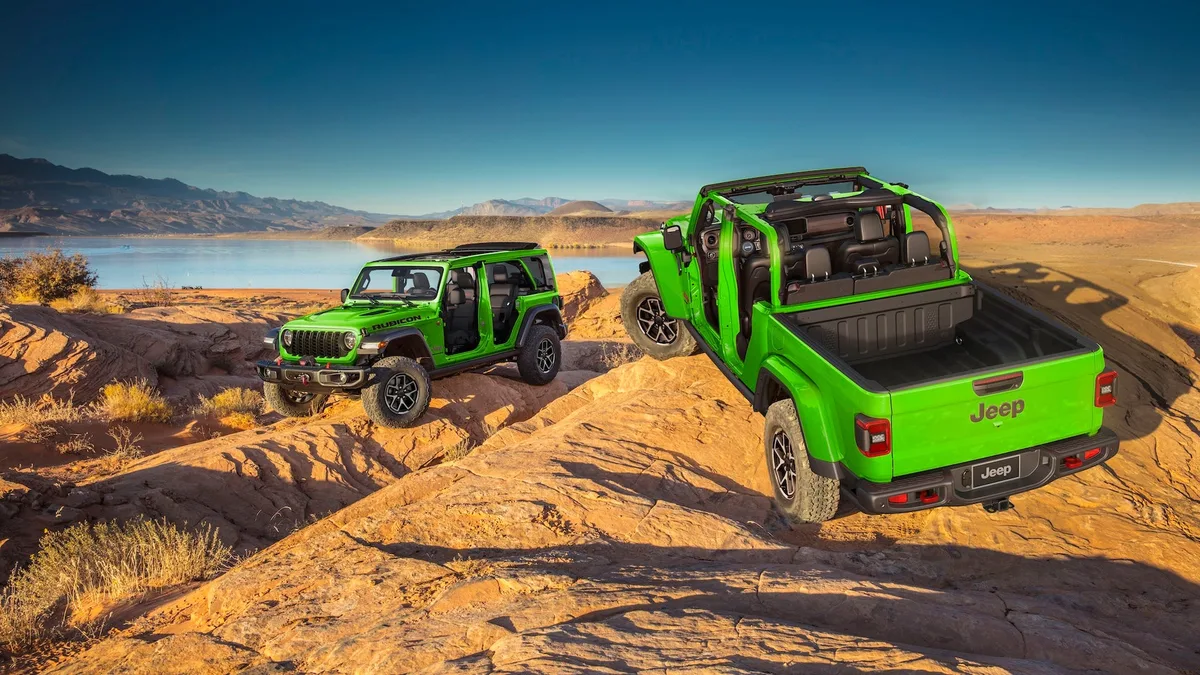
The NHTSA consumer alert confirms that FCA US has initiated a recall for 1,076,999 vehicles. The technical root cause is an electrical connection issue within the electric hydraulic power steering pump wiring harness. This specific failure mode can lead to overheating and potentially ignite a fire even when the ignition key is removed or the vehicle is turned off.
According to official data released alongside the campaign, NHTSA has become aware of 51 fires and one injury likely tied directly to this electrical issue. While owner letters were expected around July 9, 2026, and VINs became searchable from June 11, relying on a letter alone is dangerous behavior in safety matters. The risk exists regardless of whether you have received physical mail.
Quick Takeaways
- The recall affects more than one million 2021-2025 Wrangler and Gladiator vehicles globally.
- NHTSA and FCA advise owners to park outside and away from structures until repaired, not just in a garage.
- The issue involves the electric hydraulic power steering pump wiring connection overheating.
- Owners must verify status via NHTSA, recalls.mopar.com, or the SaferCar app immediately with their VIN.
The factual baseline for this guide comes from the primary official or regulatory source. I use those published details as inputs; the buyer and ownership judgment is my own.
Why Park-Outside Recalls Deserve Urgency
A significant number of owners become desensitized to safety campaigns because many are merely software updates (TSBs) or minor component replacements like wiper blades. This recall is fundamentally different in severity. If a vehicle possesses a credible fire risk while parked, the safest behavior changes immediately from “convenience-first” to “risk-avoidance.”
This means no parking in a basement garage located directly under bedrooms where smoke or heat could travel up ventilation shafts. It also means avoiding squeezing your Jeep beside another car in a tight carport where fire containment is impossible, and certainly not ignoring the issue because the vehicle still starts and drives normally.
For owners residing in Southeast Asia, this parking problem is particularly acute due to local infrastructure realities. Many vehicles are kept in dense buildings with narrow alleys or covered home parking structures that lack open-air ventilation. My practical advice is to create distance first: move the vehicle outside if possible, even temporarily, then sort out the repair logistics. If you physically cannot park outside safely within a reasonable timeframe due to building layout constraints, speak directly with your dealer and local building management rather than pretending the instruction does not apply.
What I Would Do Today
The first step is verification. Check the VIN on NHTSA’s official database and recalls.mopar.com. Photograph the result page immediately and save it to your personal files or cloud storage. If your Jeep appears in the list, move it outside and away from structures as much as practical.
Next, contact the dealer. Ask whether the remedy is available for your specific VIN today or if you must wait for parts shipment. Crucially, ask them to document their advice regarding parking restrictions in writing if the physical repair cannot be performed immediately due to part shortages. Do not assume verbal instructions are sufficient given the fire risk.
If the Jeep shows electrical warnings on the dashboard, emits a burning smell, produces smoke, displays power-steering oddness (like loss of assist or grinding noises), or exhibits unusual heat around the front bumper area where the pump resides, stop using it immediately. Contact professional help for towing if necessary. Do not keep driving to see whether an issue repeats; fire-risk recalls punish curiosity.
Used Buyers Should Be Tough
The Wrangler and Gladiator maintain strong resale values because enthusiasts love their iconic image, removable roof panels (soft tops), roll cages, and off-road culture. That desirability does not excuse sloppy recall records or safety compromises. If I were buying one now in the current market, I would ask for the VIN before visiting a dealership lot.
I would also demand to know exactly where the vehicle has been parked since the recall notice was issued and whether the seller possesses written dealer communication confirming repair completion. This is similar to how I treat any ownership-risk topic on rugged models; as noted in my Jeep Cherokee Hybrid buyer check, choosing the right hardware for real use requires verifying that safety systems are functional. This recall guide is about proving the hardware has been made safe before you pay a premium for the lifestyle.
What Makes This Hard For City Owners
The awkward part of this situation is that many Wrangler and Gladiator owners do not have spare outdoor space available in their immediate vicinity. A city dweller may only have access to a single basement slot, shared alley parking managed by HOA rules, or a covered carport attached directly to the house.
I would not solve this dilemma by ignoring the alert. Instead, I would ask the dealer whether they can prioritize your repair appointment and potentially offer temporary loaner arrangements if parts are delayed. Simultaneously, talk to building management about temporary outside parking permissions during the recall window. Keep the vehicle away from walls, other cars, and stored fuel whenever possible.
Do not let the Jeep’s rugged image make the recall feel less urgent. Off-road hardware, big tires, and a tough body do not change the risk of an overheated electrical connection inside the chassis. A responsible owner handles the boring paperwork and parking changes first, then goes back to enjoying the vehicle later.
How I Would Treat Modified Jeeps
Lift kits, winches, auxiliary lights, and aftermarket wiring harnesses on modified Wranglers and Gladiators require an extra careful conversation with your service advisor. These modifications may not cause this specific recall issue, but they can complicate diagnosis and fire investigations significantly.
Before any service appointment, photograph the entire vehicle thoroughly, disclose all major electrical modifications to the technician immediately, and ask the dealer to note these details clearly on their work order. If a used Jeep has messy wiring or unprofessional after-market additions, I would be much more cautious until both the recall issue and the accessories are inspected by a factory-trained specialist.
My Repair And Documentation Checklist
- Run the VIN through NHTSA.gov and recalls.mopar.com to confirm status.
- Park outside and away from buildings until the recall is completed officially.
- Ask the dealer whether a remedy is available for your VIN today or if parts are backordered.
- Save screenshots of lookup results, appointment records, and repair invoices.
- Do not clear electrical warning lights without professional diagnosis first.
- For used purchases, require recall completion before final payment or price the risk accordingly in negotiations.
FAQ
Can I park my Jeep in a garage if it has not caught fire?
I would strongly advise against this. NHTSA’s alert says affected owners should park outside and away from vehicles and buildings until repaired. The risk is overheating, which can happen without the engine running.
Does the recall affect both Wrangler and Gladiator?
Yes. NHTSA names model-year 2021-2025 Jeep Wrangler (all body styles) and Gladiator vehicles for this campaign. A specific VIN lookup is needed to confirm if your exact build year falls within the affected range.
Should I stop driving completely?
The alert focuses on parking outside until repair, but safety dictates caution while moving. If you smell burning, see smoke, notice electrical warnings like a dashboard light for power steering failure, or feel unusual resistance in the steering wheel, I would stop driving and contact roadside assistance immediately.
Is this recall covered by insurance?
Federal recalls are generally free of charge to owners. Insurance companies typically do not cover repairs mandated by a manufacturer safety campaign unless there is additional damage beyond the defect itself that was unrelated to the recall issue.
What if my dealer says they don’t have parts yet?
If your dealer indicates parts are unavailable, ask for written documentation of their timeline. Continue to park outside as instructed by NHTSA until you receive a definitive confirmation from FCA that the repair has been performed on your vehicle.
Dr. Worry’s Final Recommendation
This Jeep recall is one I would handle immediately without delay. My recommendation is to check the VIN, park outside if possible, contact the dealer for a definitive status update, and keep every piece of paperwork related to this campaign.
The Wrangler and Gladiator are still highly desirable vehicles with unique capabilities that few competitors match in their class. However, an unresolved “park-outside” fire recall should sit at the very top of your ownership checklist until resolved. Safety is not a feature you can toggle off; it is the foundation upon which all enjoyment rests.
For those considering similar vehicles with electrical components, such as the BMW 330e starter fire recall, always prioritize verifying that all safety campaigns are closed before making a purchase. The same diligence applies to the Kia Telluride seat fire recall issues, where previous repairs sometimes required repeat visits.
Treat your vehicle with respect by ensuring its electrical systems are functioning within factory specifications. If you own a Jeep from the affected years and have not yet verified your status or moved it outside for storage while waiting for parts, take action today. Your safety depends on it.