
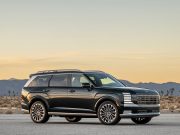
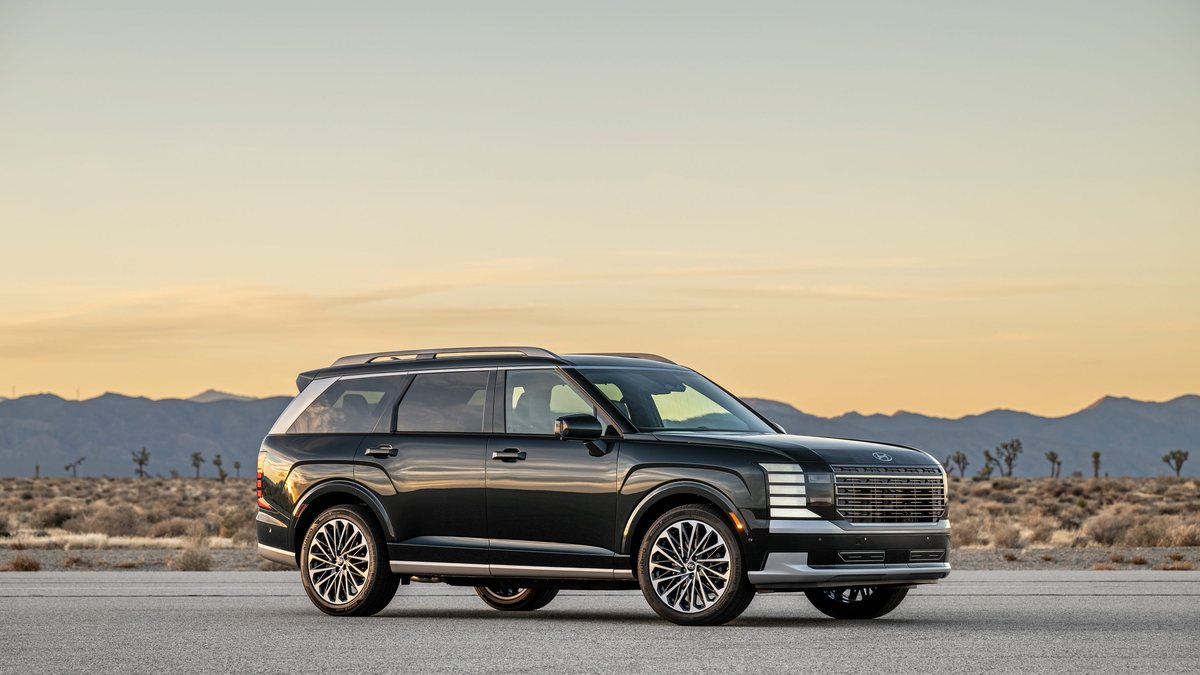
The 2026 Hyundai Palisade Hybrid is the three-row SUV I would put near the top of a family shortlist if you want hybrid efficiency without giving up the big, quiet, comfortable feel that made the Palisade popular. Hyundai lists 329 combined horsepower, a starting MSRP of $44,160, up to 619 miles of targeted range, and a towing rating that still matters for weekend gear.
My advice: do not buy it only because the word hybrid sounds cheaper to run. I would compare the hybrid premium, local fuel prices, warranty terms, and real third-row use before choosing it over a V6 Palisade, Toyota Grand Highlander Hybrid, Mazda CX-90 PHEV, or a smaller two-row hybrid SUV.
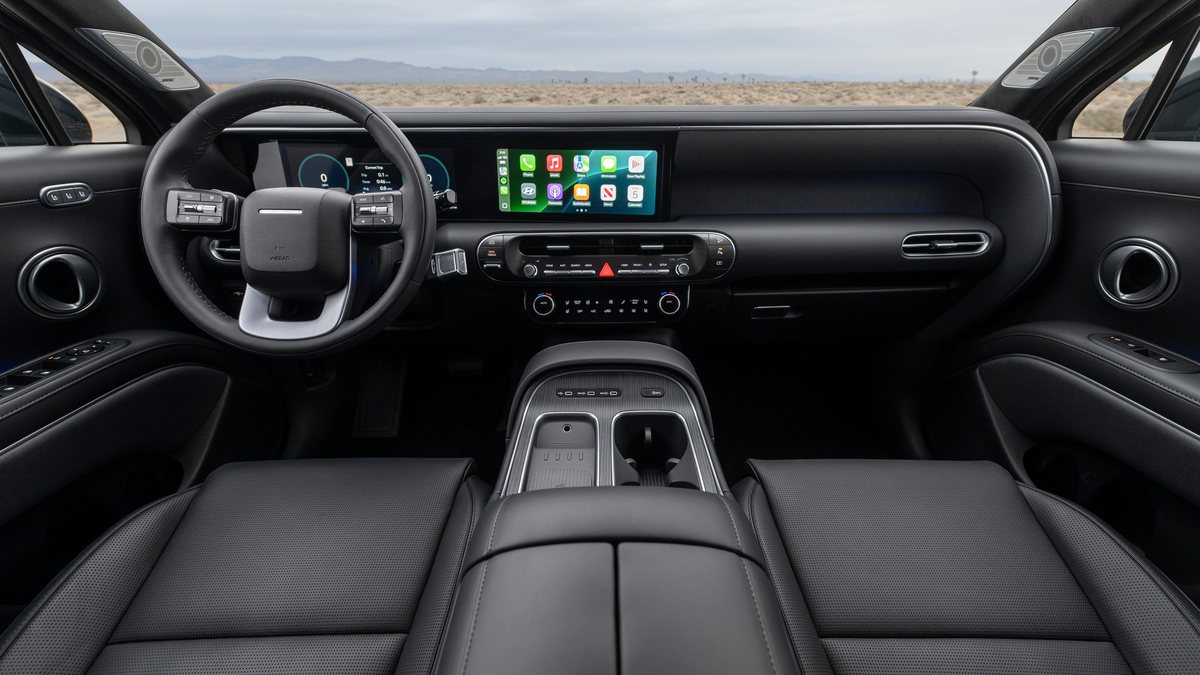
Why This Palisade Hybrid Matters
The Palisade has always appealed to families who want luxury-car calm without luxury-car pricing. The hybrid version changes the ownership math because it gives the big Hyundai a more efficient powertrain and more torque-like response in traffic. That is useful in Southeast Asia, where a three-row SUV may spend most of its life in heat, stop-start traffic, school queues, airport runs, and weekend highway trips.
Hyundai’s own 2026 Palisade Hybrid page lists the 329-hp combined output and up to 619 miles of targeted range. Car and Driver also notes the hybrid uses a turbocharged 2.5-liter four-cylinder with electric motors and a six-speed automatic. The buyer implication is simple: this is not just a fuel-saver trim. It is probably the Palisade version that feels strongest in daily use.
The Hybrid Is Probably The Sweet Spot, But Not For Everyone
I like the idea of a hybrid three-row SUV because it solves a common family problem. A full EV three-row can be expensive, heavy, and charging-dependent. A normal gasoline three-row is easy to refuel but can feel wasteful in city traffic. The Palisade Hybrid sits in the middle: normal refueling, electric assistance in slow driving, and enough output for a loaded family trip.
The catch is price. A hybrid that costs meaningfully more has to earn its premium. I would ask the dealer for the exact out-the-door difference between the V6 and hybrid with the same equipment, then calculate fuel savings over three to five years. If you drive mostly short city trips, the hybrid case gets stronger. If you drive mostly open highways, the payback may be slower.
What I Would Test With The Family Inside
Three-row SUVs should be tested with people, not just spec sheets. I would put adults in the second row, kids or smaller adults in the third row, and actual luggage in the back. Then I would check air-conditioning speed, USB access, seat-folding effort, rear visibility, parking camera quality, and how the suspension behaves over broken concrete.
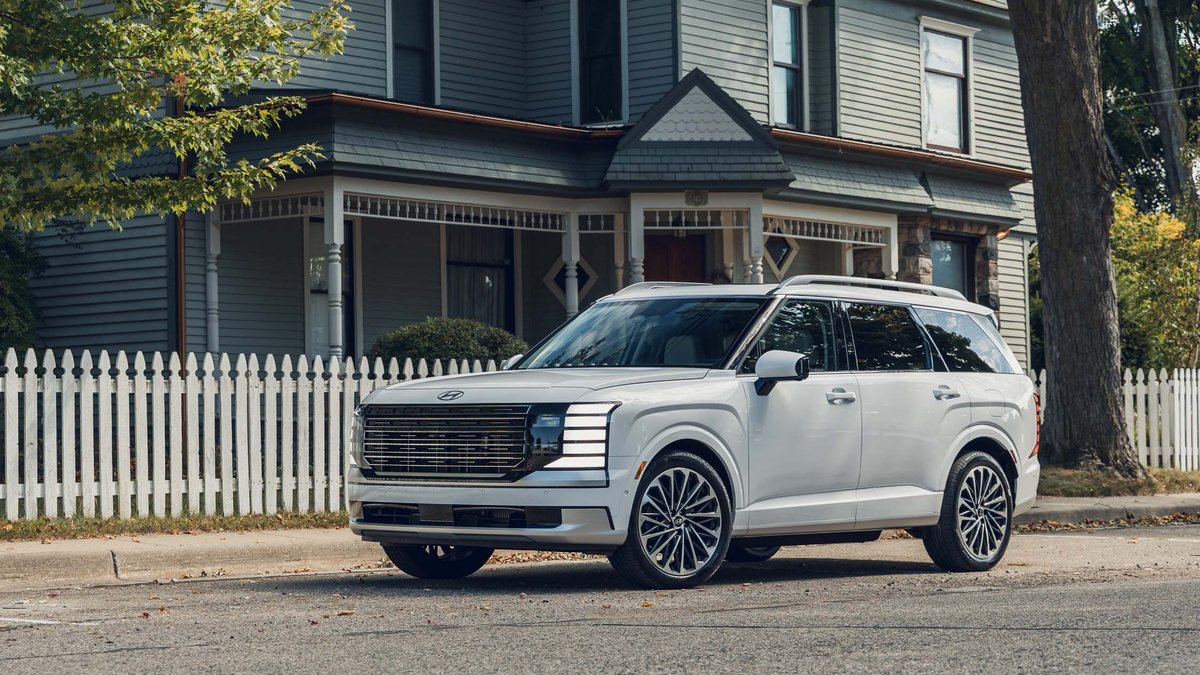
In my experience, families often buy the biggest screen and forget the boring details. Door opening angle, child-seat access, cargo height, and third-row ventilation matter more after six months than another shiny trim badge. The Palisade usually does these basics well, but the hybrid battery packaging and trim-specific equipment still need a hands-on check.
Towing And Load Still Need Realistic Expectations
The Palisade Hybrid can tow, but I would keep expectations sensible. A family trailer, bicycles, or light utility load is different from dragging heavy equipment in mountain heat. If towing is part of your plan, compare the hybrid rating with the V6, ask about transmission cooling, and check whether the dealer includes tow hardware on your chosen trim.
For Vietnam and nearby markets, I would also think about service support. Hybrid systems are common now, but not every workshop treats them with equal confidence. Ask about hybrid battery warranty, inverter coverage, cooling-system checks, and whether diagnostic equipment is available locally.
How I Would Cross-Shop It
If you want maximum family practicality with normal refueling, compare the Palisade Hybrid with the Toyota RAV4 Hybrid only if you do not truly need three rows, and with the Honda CR-V Hybrid if a smaller, easier-to-park SUV might be enough. If you are EV-curious, the Kia EV6 price-cut buyer math is a different path, but charging access has to be solved first.
What I Would Check Before Buying
- Calculate the hybrid premium against your real fuel use, not a perfect brochure route.
- Load the third row and cargo area with the people and bags you actually carry.
- Ask for hybrid battery, inverter, and cooling-system warranty details in writing.
- Compare tire sizes and replacement prices across trims.
- Confirm tow equipment, tow rating, and service support for your market.
FAQ
Is the 2026 Hyundai Palisade Hybrid better than the V6?
For city-heavy family use, I think it is likely the smarter version. For frequent towing or buyers who want the lowest purchase price, the V6 still deserves a direct comparison.
Is this a plug-in hybrid?
No. Treat it as a regular hybrid that refuels normally and uses electric assistance to improve efficiency and response.
What is the biggest ownership risk?
The biggest risk is overpaying for a hybrid trim without enough annual mileage or local service confidence to justify it.
Final Recommendation
The 2026 Hyundai Palisade Hybrid looks like the most sensible Palisade for families who drive in traffic and need three real rows. My final recommendation is to shortlist it, but only after doing the fuel-savings math and testing the third row with real passengers. If the price gap is fair and the dealer can support the hybrid system properly, this is the version I would want.