Dr. Worry’s verdict: Treat the incoming 2027 Audi Q7 as a serious tool for families needing seven-seat flexibility, not merely a prettier German badge to hang on your driveway. While Car and Driver reports confirm a robust third-generation arrival with a stronger V-6 engine and an SQ7 performance sibling, the ownership equation remains simple: will the complex electronics, low-profile tires, air suspension, and service network fit your specific reality in Vietnam or Southeast Asia? My advice is to shortlist it for style-conscious buyers but avoid buying blind on badge value alone.
Quick Takeaways
- The redesigned Q7 prioritizes families needing seven-seat flexibility over buyers seeking only styling updates.
- The SQ7’s 591-hp V-8 is tempting, but tires, brakes, fuel consumption, and insurance premiums will quickly make it the expensive choice in tropical climates.
- For Southeast Asia markets like Vietnam or Singapore, inspect rear air-conditioning performance, camera visibility in rain, and local dealer diagnostic support before ordering.
The factual baseline for this guide comes from the primary official or regulatory source and independent automotive reporting. I use those published details as inputs; the buyer and ownership judgment is my own.
What Changed: The Shift to Digital Luxury
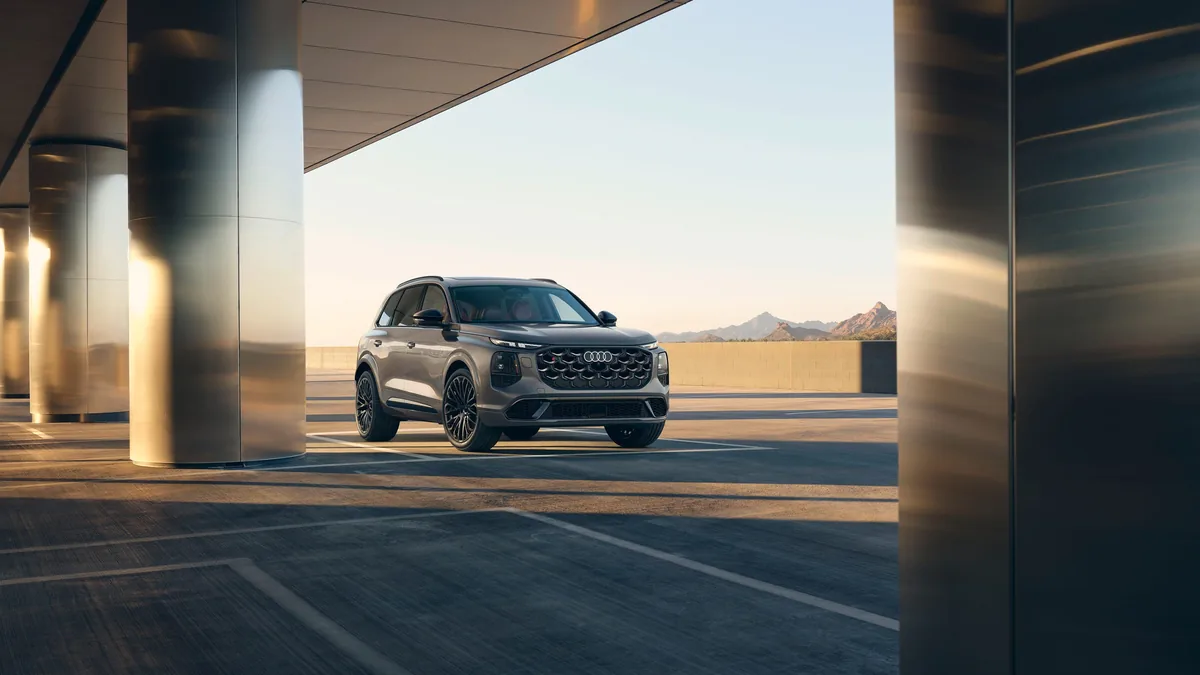
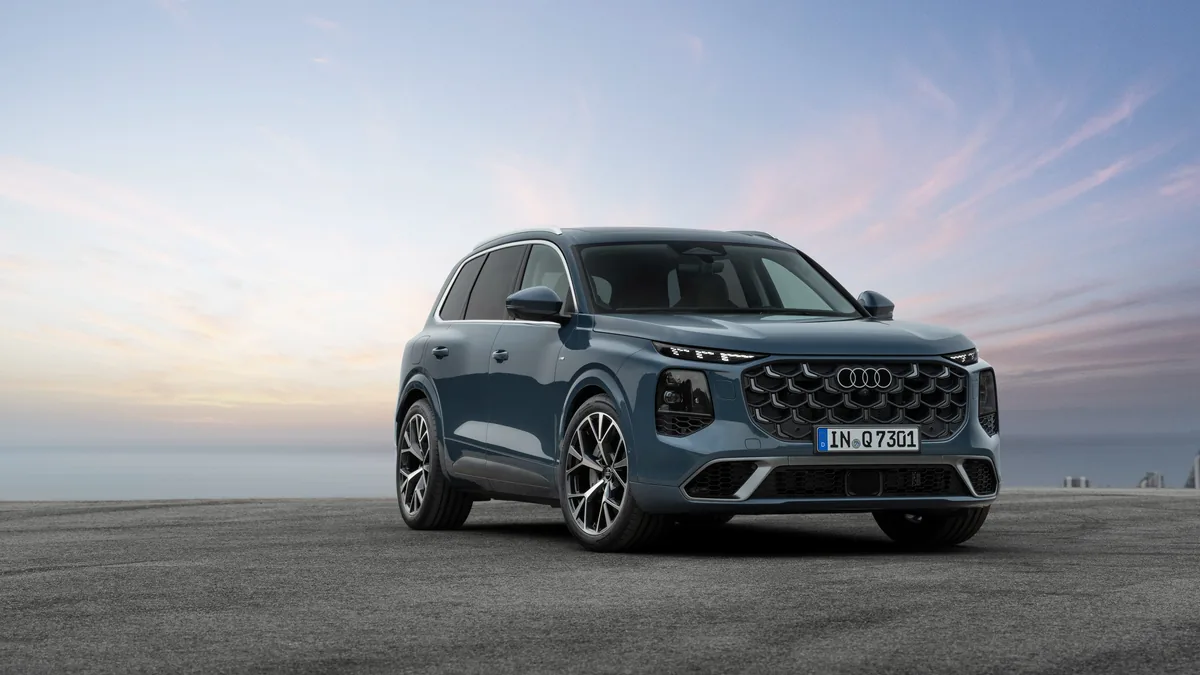
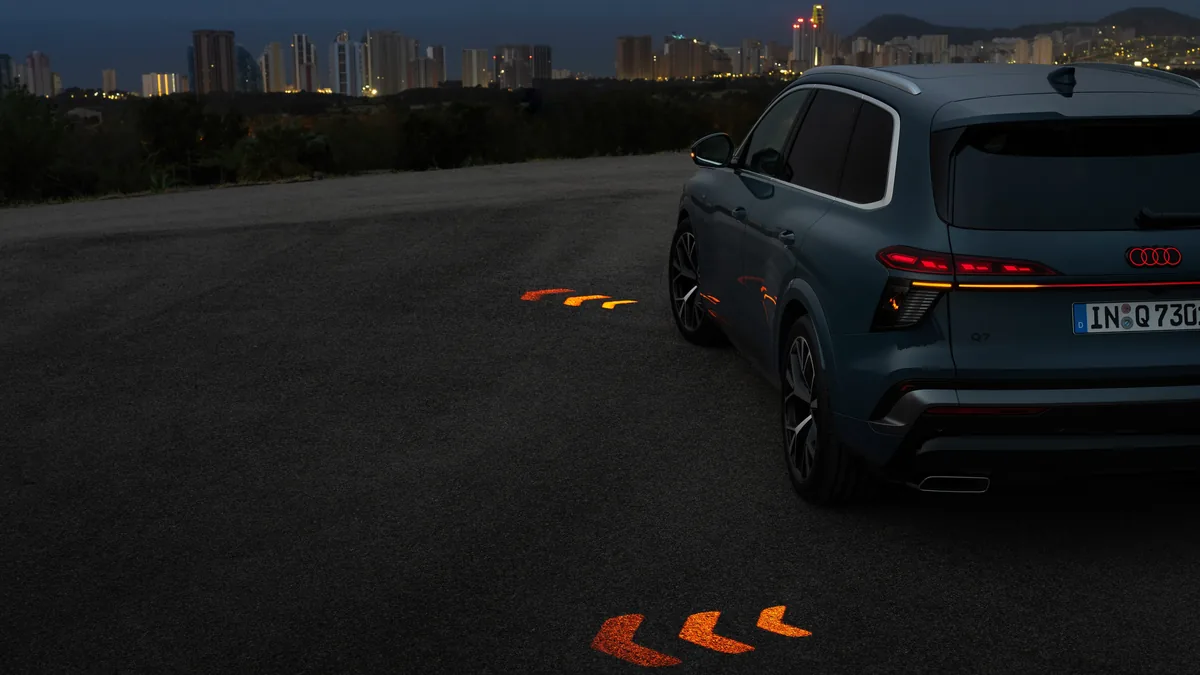
The most significant shift is that Audi is pushing the Q7 back into the center of the luxury three-row conversation. Previous iterations aged gracefully but eventually lost their edge against newer rivals like BMW, Mercedes-Benz, Lexus, Kia, and Volvo. The new model aims to reset this with a cleaner design language, a sharper lighting signature featuring customizable OLED taillights and illuminated grilles, and a cabin built around Audi’s current digital interface.
According to Car and Driver reports on the third-generation reveal, the vehicle enters its next chapter in Bratislava. The standard Q7 now boasts a 429-horsepower turbocharged 2.9-liter V-6 engine, while the SQ7 performance sibling moves the emotional argument with a massive 591-hp twin-turbo 4.0-liter V-8.
However, raw horsepower numbers matter less to me than how the car manages weight, heat dissipation, and repeated family use in stop-and-go traffic. A powerful three-row SUV is only satisfying if it remains calm during congestion, offers easy parking maneuverability, and does not constantly consume consumables like oil or coolant.
The Q7 also lands in a difficult price zone globally. Buyers can cross-shop this vehicle against the Mercedes-Benz GLS, BMW X5 or X7, Volvo EX90, Lexus TX, Kia EV9, and premium minivans depending on local market availability. This means the Q7 must win on day-to-day confidence rather than just the four-ring badge.
The Good Part: Power Without Losing Family Mission
I appreciate that Audi is not pretending every buyer wants an electric vehicle (EV). In many Southeast Asian cities, a large luxury EV can be perfect if you have home charging infrastructure but becomes awkward if you rely on public chargers or travel between provinces. A strong gasoline Q7 still makes sense for buyers who need predictable range, fast refueling times, and towing flexibility.
The standard V-6 output is already more than enough for loaded family use, mountain roads, and overtaking maneuvers in the region’s varied topography. The SQ7 is undoubtedly an emotional car; I understand the appeal of that extra thrust. But for a buyer who spends most time navigating city traffic or rural heatwaves, the V-8’s extra power may be less valuable than the money saved on tires, brakes, fuel, and depreciation.
Where the Q7 needs to prove itself is ride quality. Big wheels look right on a luxury SUV in marketing shots, but they can punish you on broken roads common in parts of Vietnam or Thailand. I would test the exact wheel and tire package before signing anything. A Q7 mounted on slightly smaller wheels with better sidewalls can feel much more expensive in real use than a showroom-spec car equipped with the largest 23-inch rims found on the SQ7.
The Catch: Third-Row Luxury is Easy to Oversell
Three-row SUVs often promise more space than they deliver. The Q7 can physically carry seven people, but I would check whether the third row suits actual adults or growing teenagers, rather than just occasional short trips with toddlers. If you regularly carry six or seven passengers daily in a tropical climate, a luxury minivan or a boxier three-row SUV may still be easier to live with.
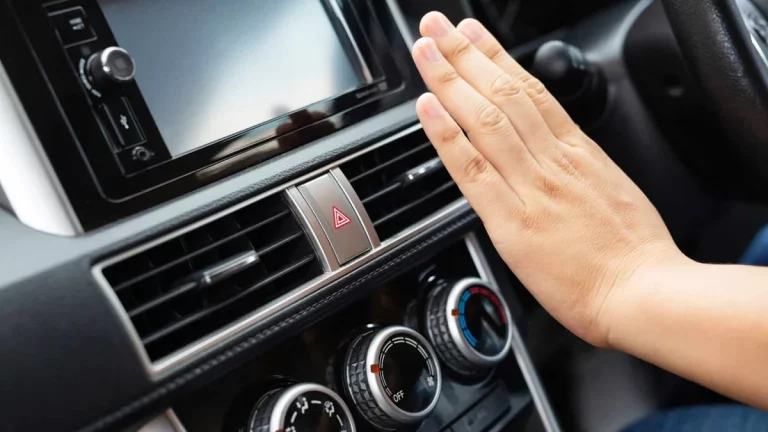
Heat is another practical point that cannot be ignored. A dark interior combined with a panoramic roof and screen-heavy dashboard can look premium but become tiring very quickly in Southeast Asian heat if the rear vents are weak or the glass lets in too much solar radiation. On a test drive, I would leave the car parked in direct sun for several hours, load passengers into the second and third rows, and observe how quickly the cabin recovers to a comfortable temperature.
The digital cabin also deserves a cautious look from an owner’s perspective. Audi interiors can feel beautifully precise with their haptic feedback, but software menus are not always friendlier than physical buttons for elderly family members or those less tech-savvy. If multiple family members will drive the car, ensure everyone can handle climate controls, camera views, and phone pairing without a lesson every week.
Vietnam and Southeast Asia Ownership Angle
If you are importing or buying through a premium dealer in Vietnam, Singapore, Thailand, or Cambodia, the question is support. Ask which diagnostic tools the service center has on hand, how quickly wear parts arrive, and whether Q7-specific suspension components, cooling system modules, camera units, and electronic control units are stocked locally.
I would also check insurance pricing before falling for the SQ7’s emotional appeal. High-power premium SUVs can carry painful premiums in regions where repair estimates run high, especially if matrix lighting or radar modules sit in expensive bumper zones susceptible to minor impacts common on busy streets like Ho Chi Minh City roads.
Resale is the last quiet risk you must consider. A well-kept Q7 can hold desirability over time, but buyers of used German luxury SUVs are cautious for a reason. Documented service history, clean electronics with no error codes, original paint condition, and sensible wheel choices will matter significantly when you eventually sell.
Where I Would Place It Against Rivals
Against a BMW X5, the Q7 should appeal to buyers who want a calmer, more formal family car that commands respect in business settings. Against a Mercedes-Benz GLS, it may be easier to park and potentially less expensive depending on market pricing strategies, though competitors often offer slightly different interior dimensions.
Against electric rivals like the Kia EV9 or Volvo EX90, the Q7 is the more traditional choice for buyers not ready to bet their household car entirely on charging access reliability. For those interested in electrified luxury alternatives with similar seating capacity, you might explore options like the 2027 Lexus TZ if available in your region.
My preferred spec would be a well-equipped V-6 Q7, not the SQ7, unless the buyer already understands high-performance SUV running costs. Spend money on comfort packages, advanced driver-assistance systems (ADAS), backup cameras with clear visibility, good tires suited to local road conditions, and comprehensive warranty coverage before chasing the biggest engine.
What I Would Check Before Buying
- Drive the exact wheel size you plan to buy over rough pavement or pothole-heavy roads common in Southeast Asia.
- Test third-row access with the people who will actually sit there, including children and elderly relatives.
- Park it in direct sun for at least two hours and check second- and third-row air-conditioning recovery times.
- Ask the dealer about parts lead times specifically for suspension components, camera modules, lighting units, and infotainment screens.
- Quote insurance premiums for both Q7 trims before choosing an engine configuration to avoid budget shocks later.
Frequently Asked Questions
Is the 2027 Audi Q7 a good family SUV?
Yes, if you need occasional seven-seat flexibility and want a premium cabin that feels substantial. I would still compare it with roomier three-row SUVs if adults will use the third row often for commuting or school runs.
Should I buy the Q7 or SQ7?
Most buyers should start with the regular V-6 Q7. The SQ7 is exciting and offers thrilling acceleration, but the extra performance brings higher running costs including fuel consumption, tire wear, and potential insurance surcharges.
Is the Q7 a good fit for Vietnam or Southeast Asia?
It can be, but only with strong dealer support networks nearby. You must ensure sensible wheel choices to handle heat buildup, secure good insurance rates, and verify that cooling systems and rear air-conditioning units suit hot weather conditions year-round.
How does the new lighting technology affect daily driving?
The Digital Matrix LED headlights allow adaptive switching of individual LEDs so as not to dazzle oncoming traffic. This is helpful in urban environments full of pedestrians and cyclists, though you must ensure local regulations permit these features.
What are the biggest risks for imported Q7 owners?
The primary risks involve parts availability for specialized electronics like matrix lighting or radar modules if a crash occurs. Additionally, heat management in tropical climates requires careful selection of tint and glass to prevent cabin overheating.
For a useful ownership comparison, read Detailed Comparison: Mazda 3 Luxury 2024 vs. Mazda 6 Luxury 2024. Those guides help put this model’s service, packaging and running-cost tradeoffs in context.
Another large luxury SUV to compare: Infiniti is preparing a much more powerful flagship. Read the Infiniti QX80 performance-model buyer guide before deciding whether headline horsepower is worth the ownership cost.
For a rear-seat-first alternative: the updated Maybach takes a different approach to a large luxury SUV. Read the 2027 Mercedes-Maybach GLS 680 buyer reality check before deciding how much chauffeur comfort is worth.
Dr. Worry’s Final Recommendation
I would shortlist the 2027 Audi Q7 for premium family use where style meets utility, but my money would go toward the most comfortable V-6 version with the strongest warranty and service support available in your region.
The SQ7 is the fun one; it delivers that emotional connection to driving dynamics. However, the regular Q7 is likely the smarter long-term car for a family navigating traffic jams, school runs, and occasional weekend trips across varied terrain. Do not let the badge blind you to practical realities like heat management, tire costs, and service accessibility.
Before signing any purchase agreement or import contract, visit the dealership in person. Sit in the third row with your actual passengers. Drive over a rough patch of road if possible. Ask about parts stock levels for suspension components specific to this generation. If you cannot get satisfactory answers regarding local support and heat management solutions, look elsewhere.
The 2027 Audi Q7 represents a step forward in digital luxury and powertrain efficiency compared to its predecessor. It is not perfect, but it offers a compelling blend of German engineering precision with modern technology that appeals to the discerning buyer who values both form and function. Just remember: in Southeast Asia, practicality often trumps prestige when the sun beats down at noon.
Make your decision based on how this vehicle fits into your daily life, not just its price tag or marketing brochure images. The market offers many alternatives now; choose wisely.