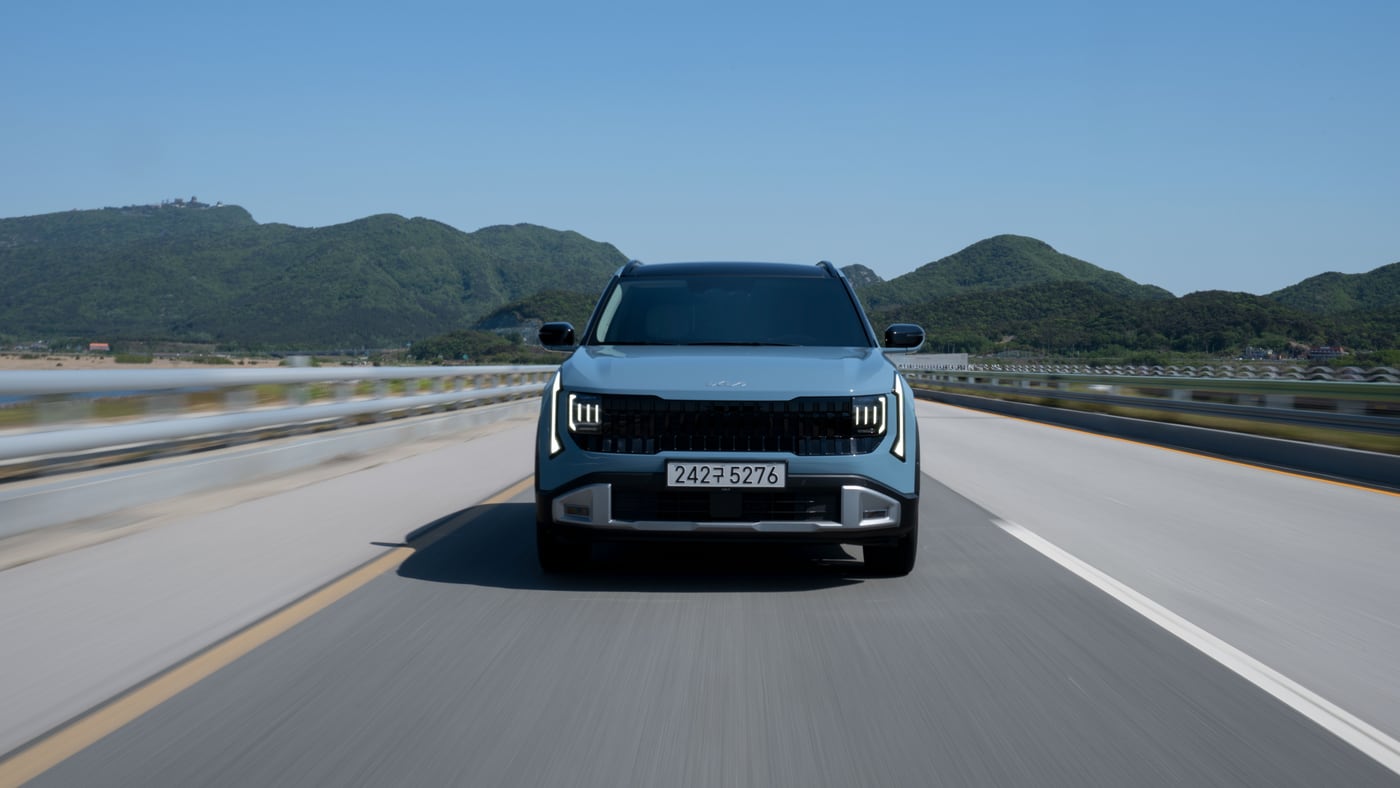
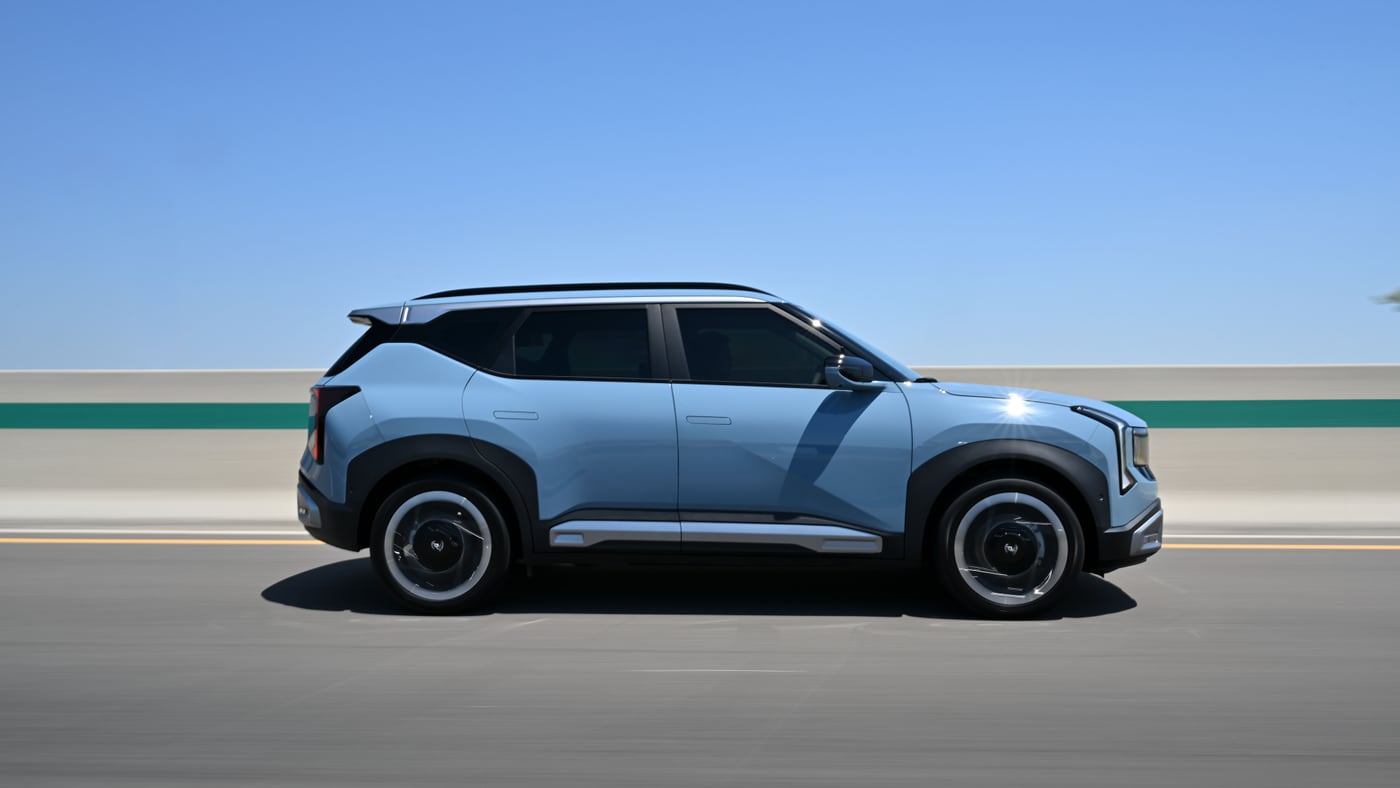
My advice: the 2027 Kia Seltos looks like a smart small SUV for buyers who want big-car features without big-car size, but I would keep the trim choice disciplined. More screens, more driver assistance, and more cabin space are useful only if they do not push the price close to larger hybrids or better-riding compact SUVs.
Kia says the second-generation Seltos made its North American debut at the 2026 New York International Auto Show with more cabin space, more cargo space, more screen space, and technology normally found in higher segments. Kia also teased it as a small SUV designed for daily commutes and weekend use. That is exactly the lane where Southeast Asia buyers should pay attention.
Why A Small SUV Still Makes Sense
Large SUVs dominate attention, but small SUVs often make more sense in real cities. They are easier to park, easier to thread through traffic, less stressful in tight apartment basements, and usually cheaper to run. A good Seltos can be more useful than a larger vehicle that feels clumsy every weekday.
For Vietnam, Thailand, and Cambodia, this segment is important because roads change quickly. You may drive through city congestion, broken pavement, rainwater, market streets, and highway stretches in the same week. A small SUV with decent ground clearance, good cameras, and sensible tires can be a better daily tool than a low sedan or oversized family hauler.
The Tech Upgrade Is Good, But It Has A Catch
Kia is leaning hard on screen space and driver-assistance features. I like that if the interface is quick and the controls are not buried. I dislike it if the car becomes expensive and distracting. The showroom test should be simple: pair your phone, start navigation, adjust climate, change audio, open the camera, and switch driver-assist settings while sitting in the driver seat.
In my experience, small SUVs succeed when they feel easy. If basic functions require too many taps, the tech is not helping. This is especially true in heavy rain or traffic, when the driver already has enough to watch. I would also check whether lower trims get the useful safety equipment or whether Kia reserves the best kit for expensive versions.
Space Claims Need A Real Load Test
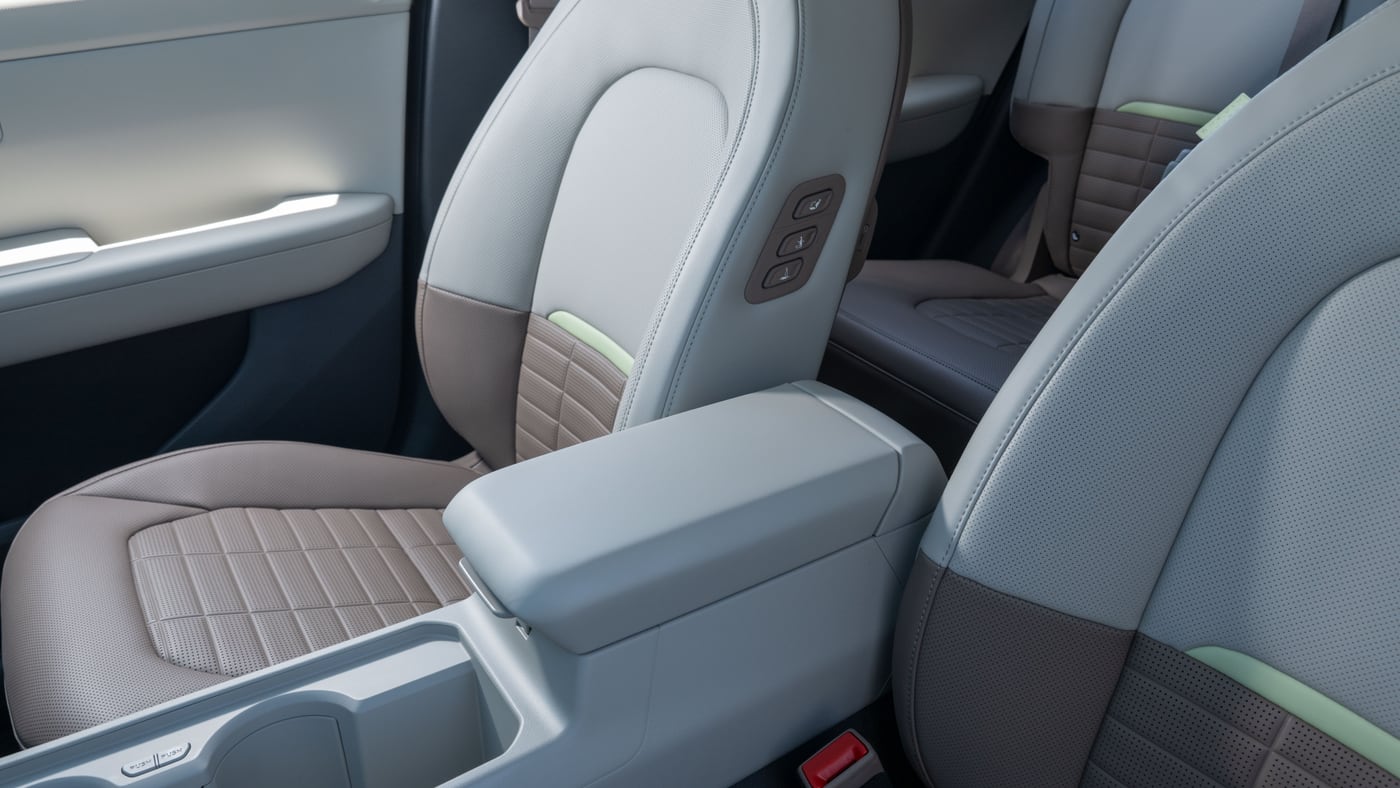
Kia says the new Seltos brings more cabin and cargo space than before. That is promising, but I would test it with normal life. Put two adults in front, two in back, a weekend bag, a stroller or scooter helmet, and a grocery load. Fold the rear seats. Check the cargo floor height. Open the tailgate in a low garage.
Small SUVs often win or lose on details: rear-seat knee room, door opening angle, cargo lip height, spare tire arrangement, and whether the rear air vents actually cool passengers. A brochure cannot answer those questions. A 15-minute family-fit check can.
Do Not Overpay For The Wrong Trim
The Seltos buyer risk is trim creep. A modest small SUV can become expensive once you add larger wheels, premium audio, panoramic screens, leatherette, and advanced driver assistance. At that point, you should compare it with larger options and efficient crossovers. The Kia Sportage Hybrid, for example, asks a different question: would you rather have a bigger hybrid SUV instead of a loaded small gasoline SUV?
I would also compare Mazda if steering feel and cabin finish matter. The 2026 Mazda CX-5 redesign sits a class above, but it can become relevant if the Seltos price climbs too high. A small SUV should stay honest about value.
Engine, Tires, And Service Questions
Kia’s U.S. Seltos material focuses heavily on positioning, space, and technology. Before buying in any market, I would verify the exact engine, transmission, fuel economy, tire size, and safety package that local dealers will sell. Do not assume U.S. launch equipment equals Vietnam or ASEAN-market equipment.
Tire size matters more than shoppers think. Large wheels look premium but hurt comfort and replacement cost. A small SUV should ride quietly and absorb bad roads well. I would drive the exact wheel-and-tire setup over broken pavement before choosing a style-heavy trim.
I would also check body-part availability. Small SUVs are daily drivers. Bumpers, lamps, mirrors, cameras, sensors, and wheels take abuse in tight cities. A good purchase has parts that are available quickly, not just a warranty promise.
What I Would Check Before Buying
- Exact local engine, transmission, safety package, and warranty, not only U.S. launch specs.
- Rear-seat comfort with adults, child seats, and air-conditioning running.
- Real cargo fit for luggage, stroller, helmets, or weekend gear.
- Screen usability for climate, camera, maps, phone, and driver-assist controls.
- Replacement cost for tires, lamps, cameras, mirrors, and bumper sensors.
- Whether the loaded trim overlaps larger hybrid SUVs in price.
FAQ
Is the 2027 Kia Seltos a good city SUV?
It has the right concept for city use: compact size, SUV seating, and more cabin flexibility. The final answer depends on local engine, trim, ride comfort, and price.
Should I buy the highest trim?
Not automatically. I would choose the trim with the best safety and comfort value, then avoid paying for cosmetic features that push it into bigger-SUV money.
Is the new Seltos better than a larger used SUV?
For many buyers, yes, because warranty, fuel cost, parking ease, and newer safety tech matter. But if you carry a family often, a larger hybrid may be worth comparing.
My Final Recommendation
The 2027 Kia Seltos is promising because it keeps the useful small-SUV footprint while adding more space and modern tech. My recommendation is to treat it as a value tool, not a miniature luxury SUV. Buy it if the middle trim gives you safety, visibility, comfort, and easy controls at a fair price. Walk away if the spec sheet gets expensive enough to make a bigger hybrid SUV look sensible.