Dr. Worry’s verdict: Buy the 2027 Mercedes-AMG CLA 45 EV only if you prioritize repeatable chassis performance over headline horsepower figures, but be prepared for significant ownership friction in hot climates and high consumable costs.
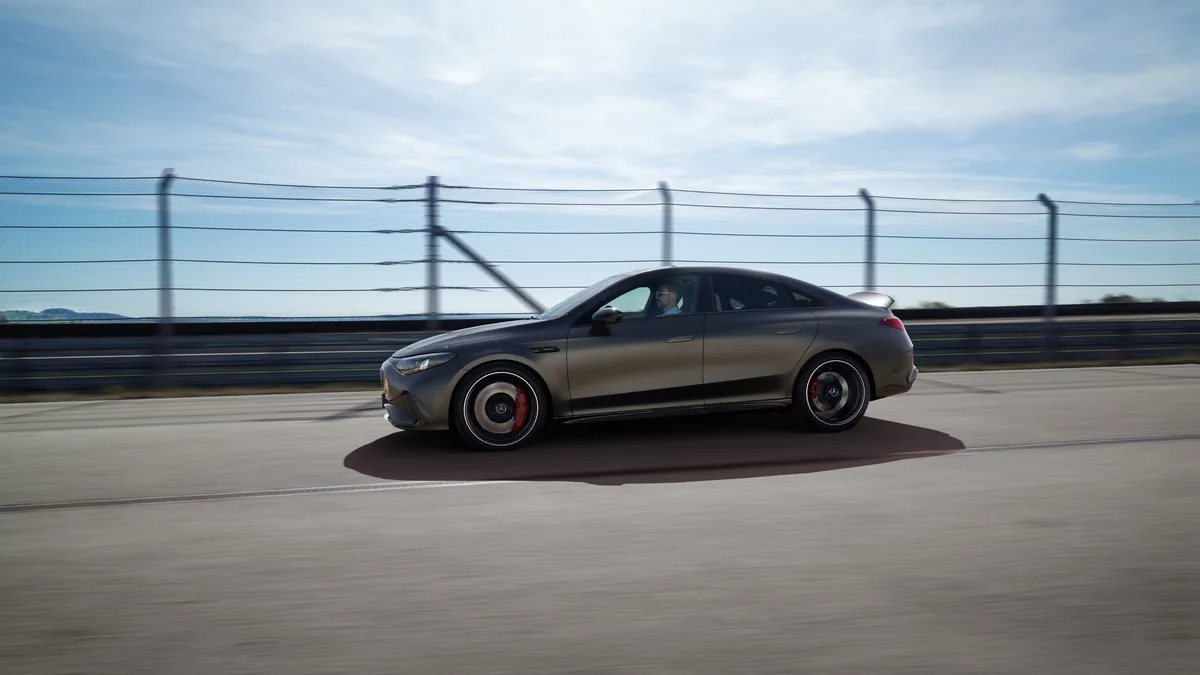
The automotive landscape is shifting rapidly toward electrification, yet not every electric vehicle (EV) offers a seamless transition. The new Mercedes-AMG CLA 45 EV represents the pinnacle of this shift within its class: an axial-flux motor architecture delivering up to 680 hp in peak bursts. However, as Dr. Worry has analyzed countless performance vehicles over decades, I must caution buyers that extraordinary power does not equate to a frictionless daily experience.
Mercedes-AMG states the new electric CLA utilizes three axial-flux motors and can deliver up to 500 kW in peak conditions. Car and Driver reports a 0-to-60-mph estimate near 2.6 seconds, positioning it as an extraordinary compact performance car. However, this model will not be sold in the United States; buyers must look elsewhere for availability.
The regular electric CLA is built around efficiency; the AMG version adds a front motor and two rear motors alongside aggressive cooling and software theater. That gives the car a clear identity. The catch is that buyers can easily pay for capability they almost never use while accepting a firmer ride, expensive tires, and more complicated hardware every day.
Quick Takeaways for Buyers
- Promised Power vs. Reality: The 680-hp figure is a peak number available as a temporary boost, not the continuous output you should expect indefinitely during daily driving.
- Motors and Complexity: Three motors can improve torque control for cornering stability, but they add significant cooling load and diagnostic complexity compared to dual-motor setups.
- Theater vs. Utility: Virtual shifts and synthetic sound are preference items; test them before paying a premium for the software theater rather than mechanical engineering.
- Climatic Constraints: In hot climates, repeatable performance and cabin cooling matter far more than one acceleration run at 35 degrees Celsius or higher.
The factual baseline for this guide comes from the primary official or regulatory source and independent automotive reporting. I use those published details as inputs; the buyer and ownership judgment is my own.
What Makes This CLA an AMG?
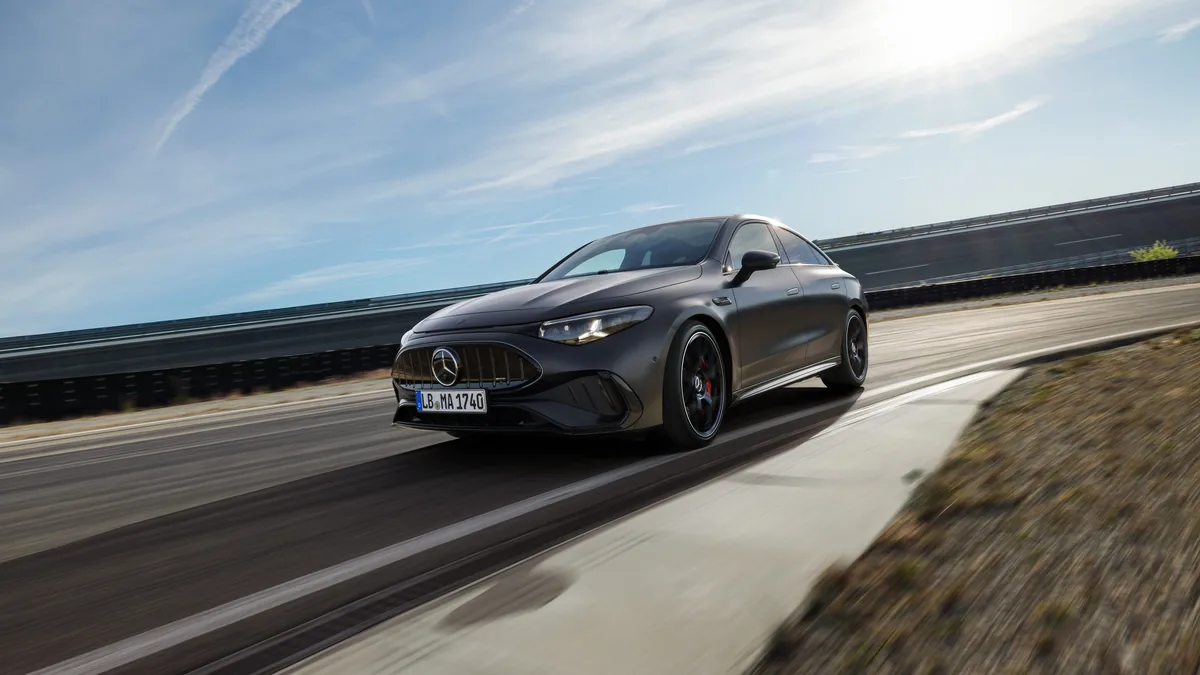
The engineering behind the new model is fascinating. Mercedes-AMG’s official specifications list a front motor and two motors on the rear axle, with a peak output of 500 kW (679 hp). Axial-flux motors are particularly useful here because they can package high power density in a compact shape suitable for a small performance sedan.
Furthermore, Mercedes has engineered the front motor to be disconnectable during steady driving. This allows the car to operate primarily from the rear axle when all-wheel-drive traction is unnecessary, optimizing efficiency without sacrificing on-demand AWD capability. That engineering is more interesting than the sprint time alone. Independent control at the rear axle can influence corner exit dynamics and stability.
However, software calibration decides whether the result feels natural or artificial. I would drive it on a rough, wet road before declaring it brilliant. The integration of these motors requires precise thermal management; if one motor overheats due to aggressive driving in traffic, the system may derate power significantly, negating the advantage of having three units.
The Peak-Power Number Needs Context
Car and Driver notes that the maximum figure is available as a temporary boost, while a lower level represents continuous output. That is normal for a high-performance EV because the battery and motors must stay within temperature and current limits to prevent degradation.
The honest test is how the car performs after several hard accelerations or a long mountain climb. For Southeast Asia specifically, ambient heat raises the stakes considerably. I would ask how the battery and motor cooling system behaves at 35 degrees Celsius with the air-conditioning running full blast. A car that feels explosive for ten seconds but reduces power quickly is less useful than a slower vehicle that remains consistent.
Mercedes-AMG claims up to 680 hp from three axial-flux motors, which accelerates the sedan from 0 to 100 km/h in roughly 2.7 seconds. While impressive, this output is not sustainable indefinitely. The battery thermal management system becomes a critical component of ownership cost and reliability.
Virtual Shifts: Fun Feature or Unnecessary Noise?
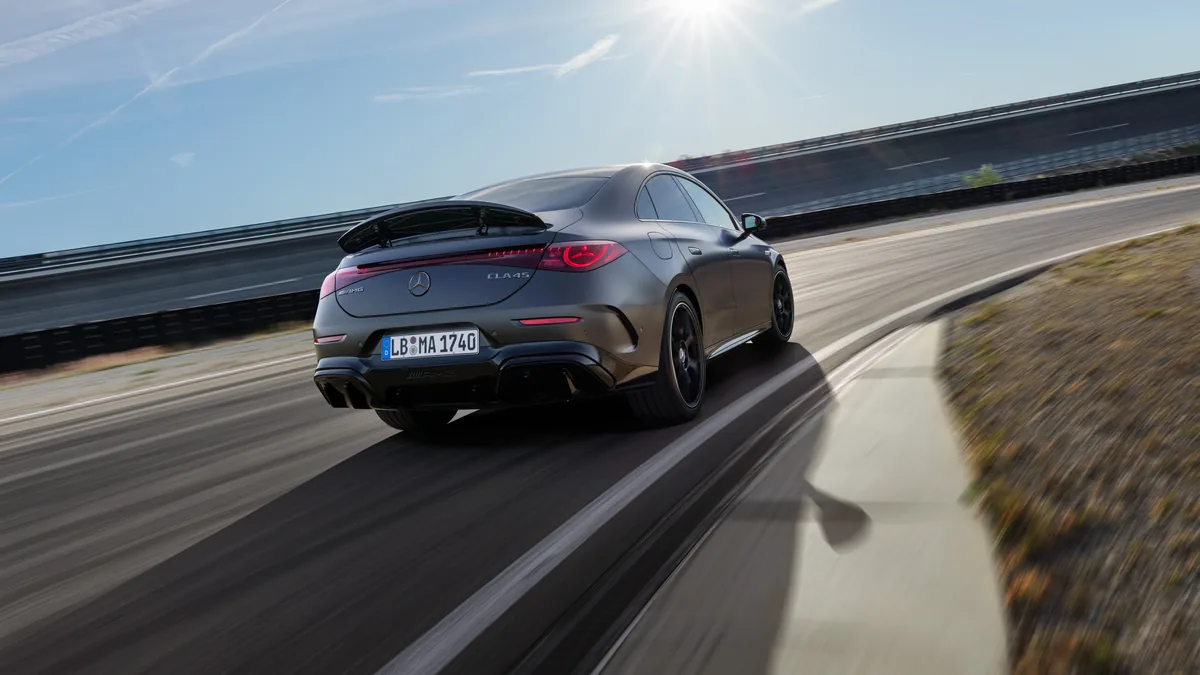
AMG has chosen to give the driver simulated gear changes and sound. I do not object; performance cars are emotional products, and a completely silent surge can feel detached from reality. My concern is whether the effect improves control or merely adds distraction.
I would test the car with the feature on and off during ordinary commuting. If the virtual shifts introduce predictable steps in power delivery that make corner entry easier to judge for an experienced driver, they may be useful. However, if they simply interrupt smooth acceleration by introducing latency or artificial noise without mechanical benefit, I would disable them immediately.
A buyer should not confuse more sensation with more speed. The software theater is a double-edged sword: it enhances the driving experience for enthusiasts but can mask underlying issues like torque steer or thermal throttling that require immediate attention from an owner who understands EV dynamics better than average marketing copy suggests.
Charging and Range Are Still Daily Questions
The AMG sits on the electric CLA family architecture, but performance tires, aerodynamic changes, and aggressive driving will affect real range significantly. I would not use the standard CLA’s best efficiency figure to plan an AMG road trip.
Wait for homologated range and charging data for your specific market before making a decision. Then subtract a realistic reserve for heat, speed, and elevation loss. Charging speed also depends on battery temperature and station quality. Before buying, I would take the car to the public chargers you actually use.
A premium EV should precondition correctly upon arrival at a charging station, connect without repeated errors, and show a useful charging curve rather than just a brief peak followed by slow trickle charges as the battery warms up or cools down. The 330 kW maximum charge rate is promising on paper but must be validated in real-world conditions.
The Hidden Running Costs
This car will be hard on tires, regardless of where you live. Instant torque from three motors and a heavy battery can wear the inner shoulders before an owner notices if they are not careful with alignment or driving style.
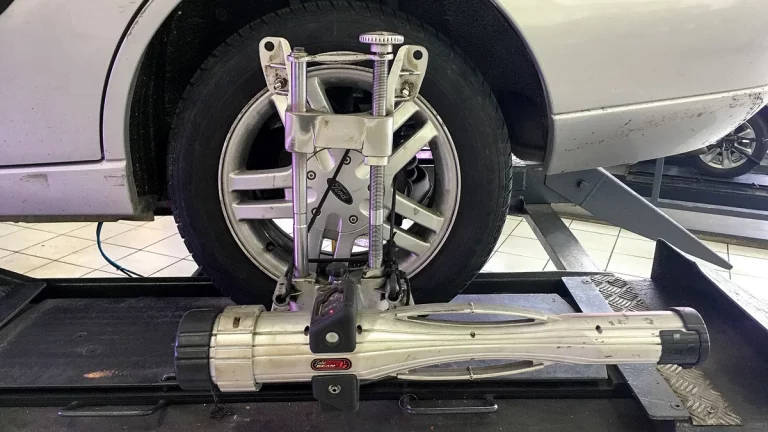
I would inspect alignment frequently and avoid choosing the largest wheel purely for appearance. A smaller approved wheel may ride better on rougher Southeast Asian roads and cost less to replace when tread life ends prematurely due to heat buildup in the rubber compound. Insurance deserves the same attention as mechanical components.
The front fascia contains cameras, radar, and cooling hardware, while the battery sits low in the structure. Ask how the insurer handles underbody damage specifically for EVs with high-voltage batteries exposed during minor impacts. A minor impact can become a major bill if calibration and structural procedures are ignored by non-certified repair shops.
How It Differs From The Regular Electric CLA
The regular Mercedes CLA Electric focuses on efficiency and compact-luxury value, offering a smooth ride for daily commuting. The AMG is a different decision: it trades some efficiency and comfort for extreme acceleration, stronger cooling systems, and a more expressive chassis.
Buyers who primarily commute may be happier with the normal car unless they specifically seek track-like dynamics in an urban environment. I would also compare the AMG with competitors like the Porsche Taycan or high-performance Hyundai Ioniq 5 variants. The Porsche has a more established performance-EV story, while the Hyundai may deliver much of the fun at a lower price point.
The Mercedes must win on compact size, cabin quality, and technical character to justify its premium over these alternatives. If you only want fast acceleration without regard for build quality or daily usability, cheaper EVs already provide it in abundance today’s market offers many options under $50k with similar 0-60 times.
What I Would Check Before Buying
- Road Test on Broken Pavement: Drive over broken pavement in the exact wheel and tire package you intend to use. This reveals how well the suspension handles imperfections common outside major highways.
- Thermal Derating Data: Ask for continuous-output specifications, not just peak numbers. Understand exactly when power drops occur under load.
- Virtual Shifts and Sound Testing: Test virtual shifts and sound in traffic conditions, not only on a launch route or empty track.
- Tire Pricing: Price a full set of performance tires immediately to confirm local stock availability. High-performance rubber is often scarce outside major metropolitan areas.
- Warranty Verification: Verify battery, motor, and track-use warranty terms carefully. Does the manufacturer cover thermal management system failures?
- Certification Requirements: Confirm local high-voltage repair certification requirements for collision centers near your home or workplace.
FAQ
How powerful is the electric AMG CLA 45?
Mercedes-AMG lists up to 500 kW, which converts to approximately 680 hp from three axial-flux motors. Peak output is temporary and available only briefly before thermal limits are reached.
Does it have real gears?
No, the vehicle uses software-created shift sensations rather than a conventional multi-speed gearbox. I would test whether that adds enjoyment or gets in the way of smooth acceleration during daily driving scenarios.
Is it a good daily car?
Potentially, but wheel choice, ride quality, visibility, charging access, and tire cost will matter more daily than the acceleration figure. The firm suspension may be uncomfortable for long commutes on uneven surfaces common in many regions.
Will it work well in hot climates?
In Southeast Asia or other tropical locations, thermal management is critical. If cooling systems cannot maintain optimal temperatures during peak summer months, performance will degrade rapidly despite the advanced motor architecture designed for high output demands.
What are the main drawbacks of this model?
The primary drawback is its complexity and cost structure. Three motors mean higher maintenance potential compared to dual-motor EVs. Additionally, the lack of availability in some markets like the United States limits resale value for buyers who cannot find local dealerships willing to service such specialized machinery.
For a useful ownership comparison, read Comprehensive Review of the Mercedes GLC 300 and Ford Everest and Mercedes CLA Electric: Small Luxury EV or Expensive Fashion Statement?. Those guides help put this model’s service, packaging and running-cost tradeoffs in context.
Dr. Worry’s Final Recommendation
I would buy the AMG CLA 45 EV only after driving the regular electric CLA first. If the AMG’s chassis, cooling, and emotional features transform your experience beyond mere acceleration metrics, then the premium can make sense financially.
If you only want fast acceleration without regard for build quality or daily usability, cheaper EVs already provide it in abundance today’s market offers many options under $50k with similar 0-60 times. Three motors should buy you a better car through improved handling dynamics and torque distribution, not just a better headline number on the spec sheet.
Ultimately, this vehicle is for enthusiasts who understand that performance comes at a cost—both financial and mechanical. Ensure your local infrastructure supports such a demanding machine before signing any paperwork. The thrill of 680 hp awaits those prepared to manage its complexities responsibly.