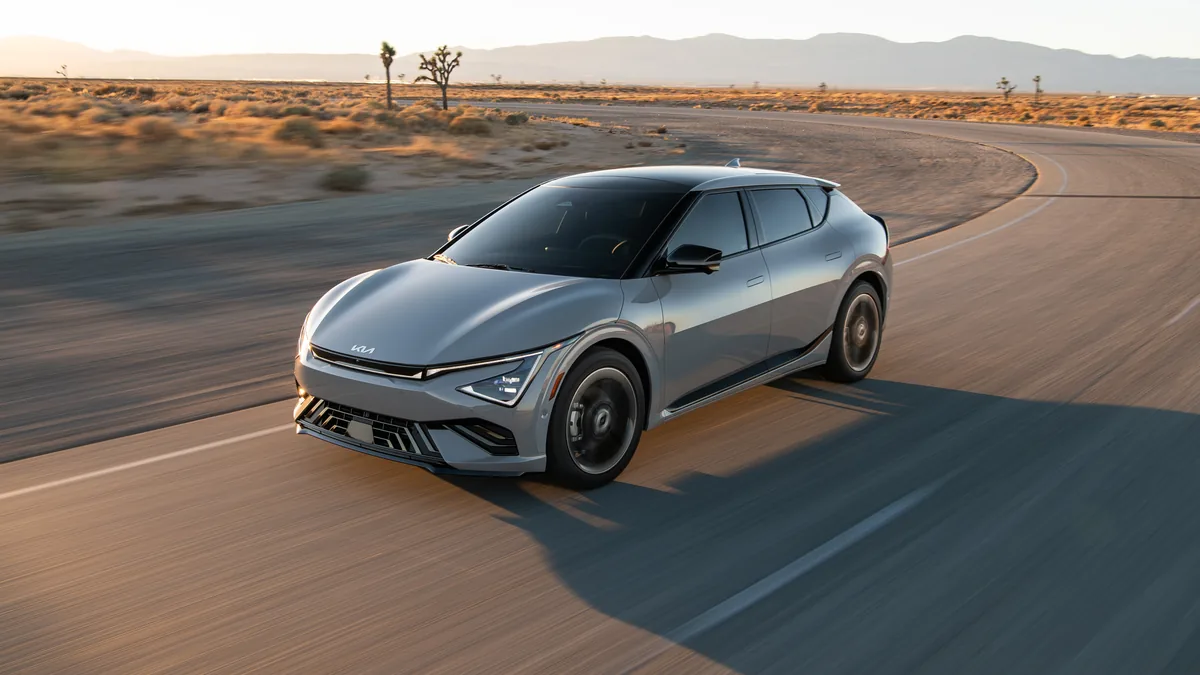
Kia’s 2026 EV6 story is not about a radical redesign. It is about pricing, positioning, and whether a proven fast-charging EV still makes more sense than waiting for a newer, smaller electric crossover.
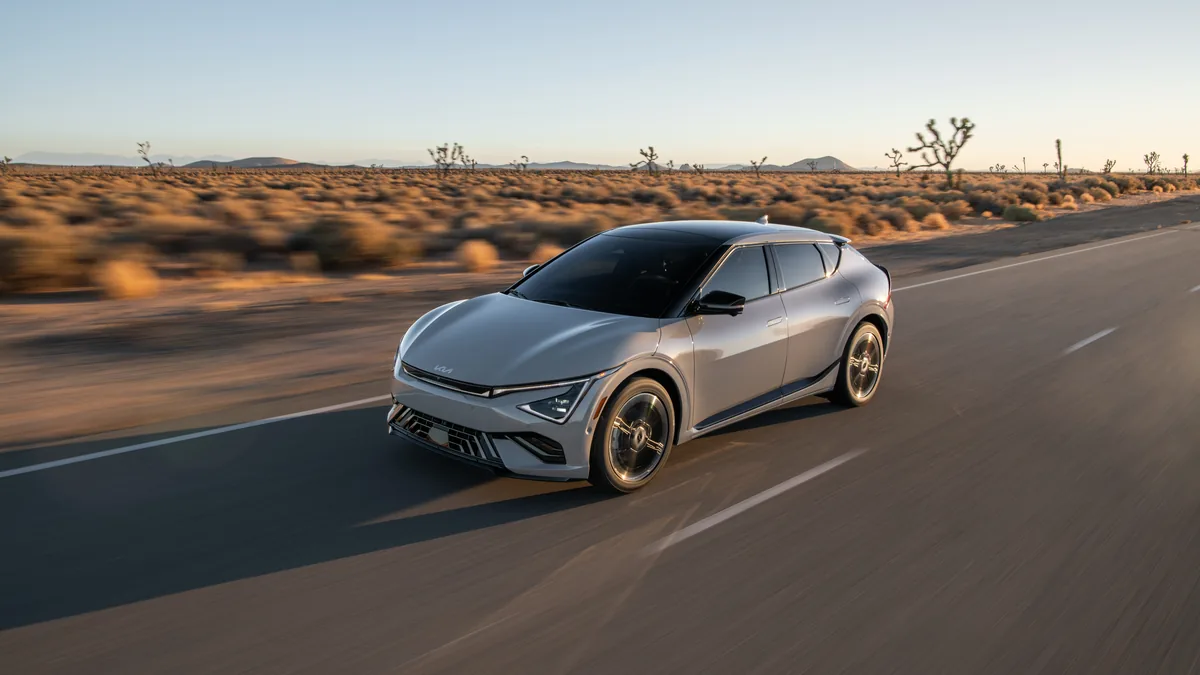
My advice: do the ownership math before chasing the lower sticker. I would compare the EV6 against the EV3, Hyundai Ioniq 5, home-charging cost, insurance, tire size, and real highway range for your climate.
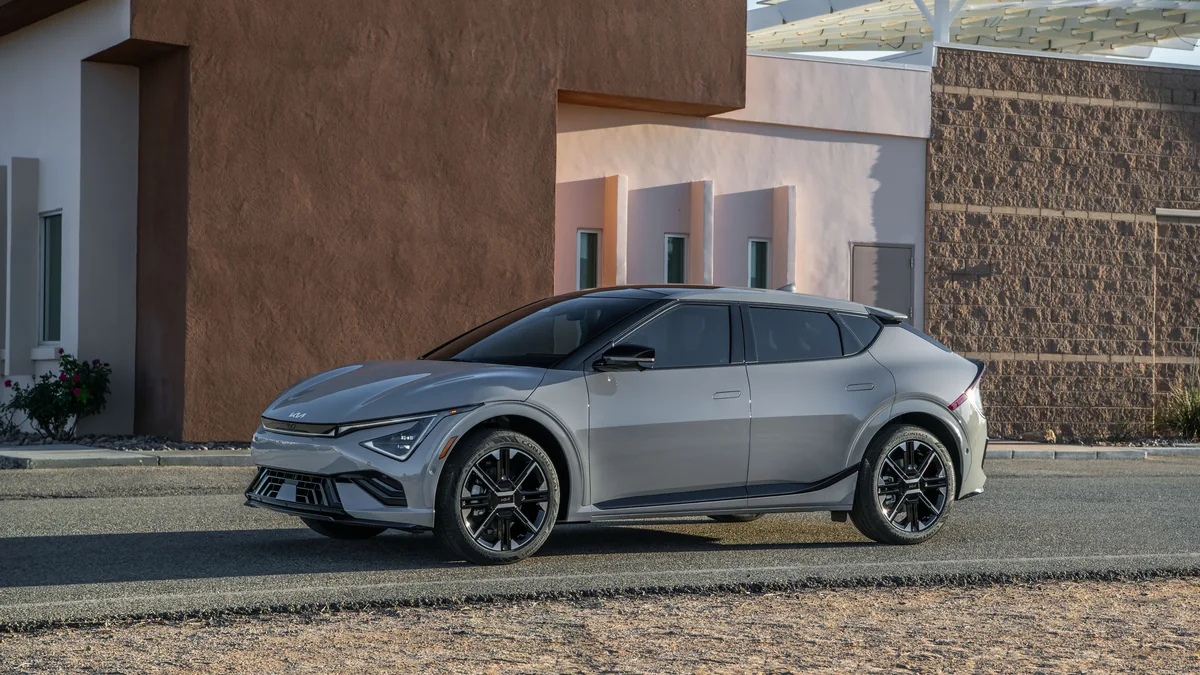
The Price Cut Helps, But It Does Not Answer Everything
A lower starting price makes the EV6 easier to recommend, especially because the platform already has a strong reputation for fast charging and usable daily range. But a cheaper EV is not automatically cheap to own.
I would get quotes for insurance, replacement tires, home charger installation, and registration fees. Then compare that monthly number with a hybrid SUV or a smaller EV. EV buyers often focus on fuel savings and forget the rest of the bill.
EV6 or EV3: Size and Charging Should Decide
The EV3 is newer and smaller, and it may fit buyers who want a normal compact EV at a more approachable price. The EV6 is the roomier, sleeker, more mature choice for people who road-trip more often or want stronger fast-charging credibility.
If your driving is mostly city and suburban, the EV3 idea may be enough. If you carry adults, luggage, or regularly use highway chargers, I would lean toward the EV6. We covered the EV3 separately in Kia EV3: The Compact Korean EV That Could Make Electric Cars Normal.
Range Claims Need Your Route, Not Just a Spec Sheet
EV6 trims vary by battery, motor layout, wheels, and equipment. I would not compare only headline range. Put your real routes into a charging planner and test a similar trim if possible.
Cold weather, high-speed driving, roof boxes, and larger wheels can all change the ownership feel. The right EV6 trim is the one that completes your common week with margin, not the one that looks best in an advertisement.
Fast Charging Is the EV6 Advantage to Protect
The EV6 has long been appealing because it can charge quickly when connected to a suitable high-power DC charger. That advantage matters only if the chargers you use are reliable and conveniently located.
Before buying, I would check the charging network around your home, work, and two favorite road-trip routes. If you will charge at home 95 percent of the time, speed matters less. If you travel, it matters a lot.
What I Would Inspect at the Dealer
Check rear-seat comfort, cargo opening height, visibility, tire brand and size, charging cable/adapters, heat-pump availability if relevant, and the exact driver-assist features on the trim you are considering. Also check whether any dealer discount is tied to financing terms you do not want.
If you are considering another Korean EV, the Hyundai Ioniq 5 remains the obvious comparison. It has a different shape and personality, but a similar buyer question: do you want the EV lifestyle enough to build your routine around charging?
FAQ
Is the 2026 Kia EV6 still worth buying?
Yes, if you need the space, fast-charging potential, and hatchback-crossover practicality. I would be more cautious if you only need a short-range commuter.
Should I buy the EV6 or wait for a smaller EV?
Wait or compare carefully if price and city use matter most. Buy the EV6 if passenger space, road-trip charging, and a more established model matter more.
What is the main hidden cost?
Insurance and tires are the two costs I would quote early. They can change the monthly ownership picture more than buyers expect.
Final Recommendation
The 2026 Kia EV6 price repositioning makes a good EV more interesting, but I would not call it an automatic bargain. My final recommendation is to compare total monthly cost and real charging routes first; if those work, the EV6 remains one of Kia’s strongest electric choices.