Dr. Worry’s verdict: I would not treat “sealed” as “maintenance is impossible,” and I would not order a power flush simply because a workshop sells one. I first identify the transmission, read both the vehicle maker’s schedule and the transmission supplier’s current guidance, check the history and inspect how it shifts. If service is justified, the exact fluid, filter or pan, fill temperature and level procedure are non-negotiable.
Sealed automatic transmissions usually lack a convenient dipstick; they are not welded shut. That design reduces casual contamination and may use a temperature-dependent fill plug. It also makes bad servicing easier to hide. In Southeast Asian traffic, heat, crawling speeds, steep roads, towing and uncertain imported-car histories can all influence the decision, but there is no honest universal mileage that fits every conventional automatic, CVT, dual-clutch unit or hybrid transaxle.
Quick Takeaways
- “Sealed” describes access, not an eternal fluid chemistry.
- Use the vehicle’s exact transmission identity, specification and schedule.
- A drain-and-fill, pan service and machine exchange are different procedures.
- Never assume dark fluid alone proves failure or guarantees a cure.
- Record temperatures, quantity removed, parts, fluid approval and post-service checks.
What Lifetime Fluid Really Means for a Buyer
The owner’s maintenance guide may list no routine change under normal use, then specify inspection or replacement for towing, commercial duty, repeated low-speed work or another severe pattern. The transmission manufacturer may publish its own oil-change guidance. ZF Aftermarket, for example, recommends changes according to its lubricant lists and says high temperature, towing, high-speed driving, sporty use and frequent short trips can justify shorter intervals.
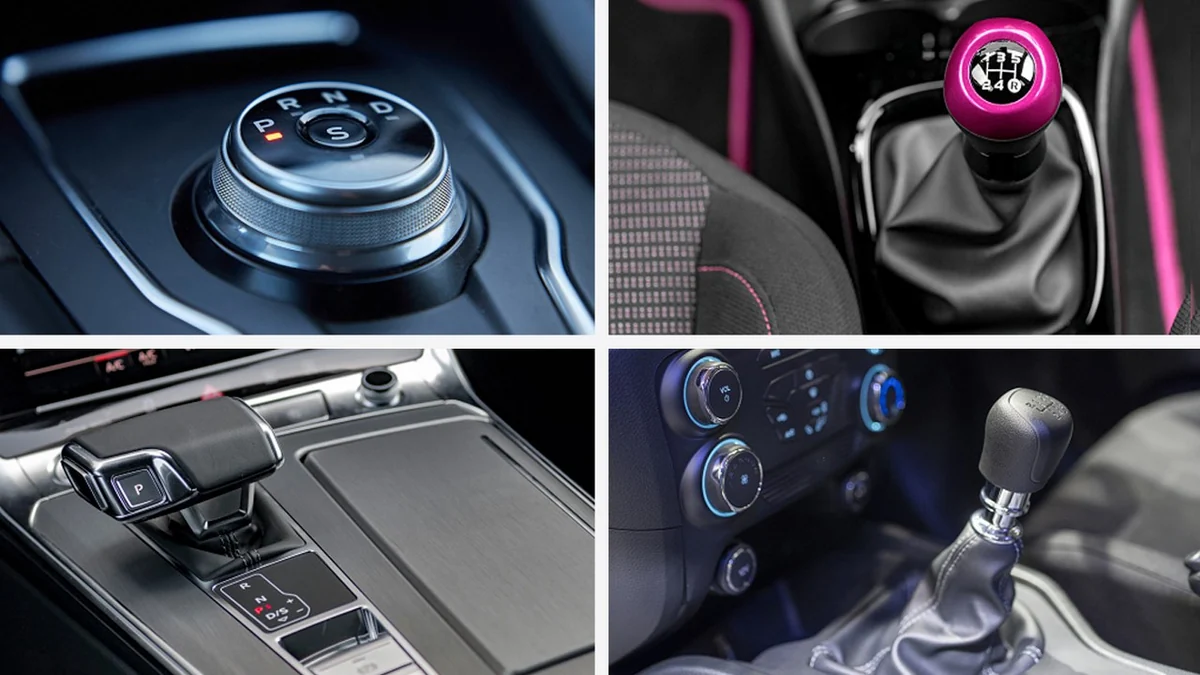
I do not turn that into a blanket rule for every gearbox. A Toyota eCVT, a wet dual-clutch transmission, a belt CVT and a ZF torque-converter automatic have different hardware and fluids. Ford directs owners to the manual for the vehicle-specific fluid, and Toyota’s public guidance also puts manufacturer recommendations first. The correct answer begins with the VIN, transmission code and market documentation—not a social-media mileage.
How I Decide Whether Service Is Worth Doing
I build a timeline: current mileage, prior invoices, towing or commercial use, overheating events, leaks and symptoms. A documented change with the correct fluid is valuable. A handwritten note that says “gear oil” is not enough. If the transmission already slips, flares, bangs into gear or stores ratio and pressure codes, I diagnose first. New fluid is maintenance, not a guaranteed repair.
On a healthy unit with a due interval or severe use, planned service is usually easier to defend. On a very high-mileage car with no history and active symptoms, I want a specialist to inspect fluid condition, adaptation data where meaningful, pan debris and fault codes before choosing the procedure. The risk is not that new fluid magically destroys a good transmission; the risk is using the wrong material, level or method on a worn or already failing unit.
Drain-and-Fill, Pan Service or Machine Exchange?
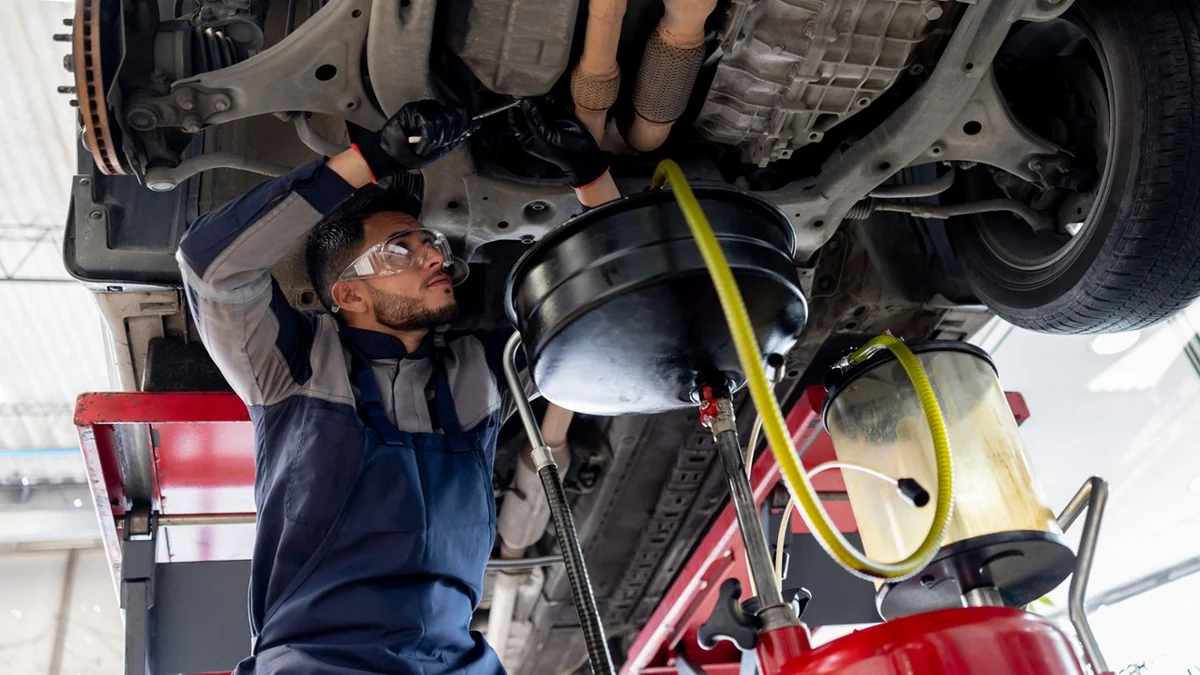
A drain-and-fill replaces only the fluid that leaves through the drain. A pan service may also replace a separate filter or a pan with an integrated filter, clean magnets and renew seals. ZF’s current workshop instructions show that some plastic pans integrate the filter and that the fill level must be set within a specified temperature window. The same instructions warn that overfilling, underfilling or filling at the wrong temperature can cause damage.
A machine exchange moves a larger share of fluid, but “flush” can mean different things. I reject unapproved cleaning chemicals and pressure claims. Ford’s flush guidance says aftermarket agents should not be used unless recommended and approved, and transmission repair may require cooler replacement or an inline filter. I ask the shop to describe exactly what its machine does and whether the vehicle maker authorizes that process.
Fluid Specification Is More Important Than Brand Fame
Modern fluids control friction as well as lubrication and cooling. The wrong friction characteristics can change shift quality or clutch behavior. “Compatible with” is weaker than a clear approval or specification match. I verify the product data sheet and the exact required code, including revisions. I do not add conditioners, stop-slip products or cleaners unless the transmission maker specifically requires them.
I also check whether the workshop can access the right service information. Some units require a scan tool, a measured temperature, gear-selection sequence, adaptation procedure or level check with the engine running. For CVT fundamentals and ownership tradeoffs, WorryCars’ CVT transmission explanation helps separate design myths from a model-specific maintenance decision.
What I Would Check Before Authorizing Service
- Decode the exact transmission and confirm the market-specific maintenance guide.
- Review invoices, use pattern, leaks, overheating and current symptoms.
- Scan all modules and save codes before clearing anything.
- Confirm fluid specification, quantity, pan or filter parts and seals.
- Ask whether the method is drain-and-fill, pan service or machine exchange.
- Verify the fill-temperature, level and gear-selection procedure.
- Road-test cold and warm, then inspect for leaks and saved fault codes.
Used-Car Evidence Matters More Than Promises
During a pre-purchase inspection I scan the car before a battery disconnect or code clear. The OBD readiness-monitor warning explains why recently erased evidence deserves patience. I also make the sale conditional on a specialist inspection when shift behavior changes between cold and hot operation.
If a seller claims a recent transmission service, I ask for product, part numbers, quantity and shop details. If problems appear after purchase, preserve the advert and inspection report using WorryCars’ used-car problem action plan. A vague “lifetime oil” claim should not end a careful conversation.
Frequently Asked Questions
Does sealed mean the fluid can never be changed?
No. It usually means there is no owner dipstick and the level procedure is controlled. Many sealed units have drain and fill points or a replaceable pan.
Will changing old fluid damage the transmission?
A correct service does not create existing wear, but an already failing unit may not improve. Wrong fluid, wrong level, harsh chemicals or poor procedure can cause new problems.
Is a power flush always better than a drain-and-fill?
No. The approved method depends on the transmission and condition. I want the maker’s procedure, not a generic machine sales pitch.
Can fluid color decide whether service is due?
No. Color and odor can support diagnosis, but schedule, specification, operating history, debris, codes and shift behavior provide the useful context.
Dr. Worry’s Final Recommendation
I would service a sealed automatic only with a defensible reason and a workshop that can name the transmission, fluid approval and fill procedure before opening a bottle. For a healthy car, documented preventive work can be sensible. For a symptomatic car, pay for diagnosis first and refuse any promise that a universal flush will repair mechanical wear.