Dr. Worry’s verdict: In a hot, wet climate, I would never approve a tire solely because it has deep tread. Check the manufacture date, sidewalls, pressure history and wet-road behavior. Once a tire shows cracking, bulging, repeated pressure loss or age-related deterioration, replacement is cheaper than gambling on the remaining rubber.
Tread depth is easy to see, so it gets most of the attention. Age is quieter. Rubber changes through heat, oxygen, ultraviolet exposure, load and repeated flexing. A low-mileage car parked outdoors in Bangkok, Ho Chi Minh City or Phnom Penh can therefore have old tires that look “nearly new” to an untrained buyer. Monsoon rain then exposes the weakness when grip and water evacuation matter most.
Quick Takeaways
- Read the four-digit date code on every tire, including the spare.
- Do not use tread depth as the only replacement rule.
- Check pressure cold at least monthly and before a long trip.
- Replace any tire with a bulge, exposed cord, serious cut or persistent pressure loss.
- Match size, load index and speed rating to the vehicle label and manufacturer guidance.
How to Read a Tire’s Age
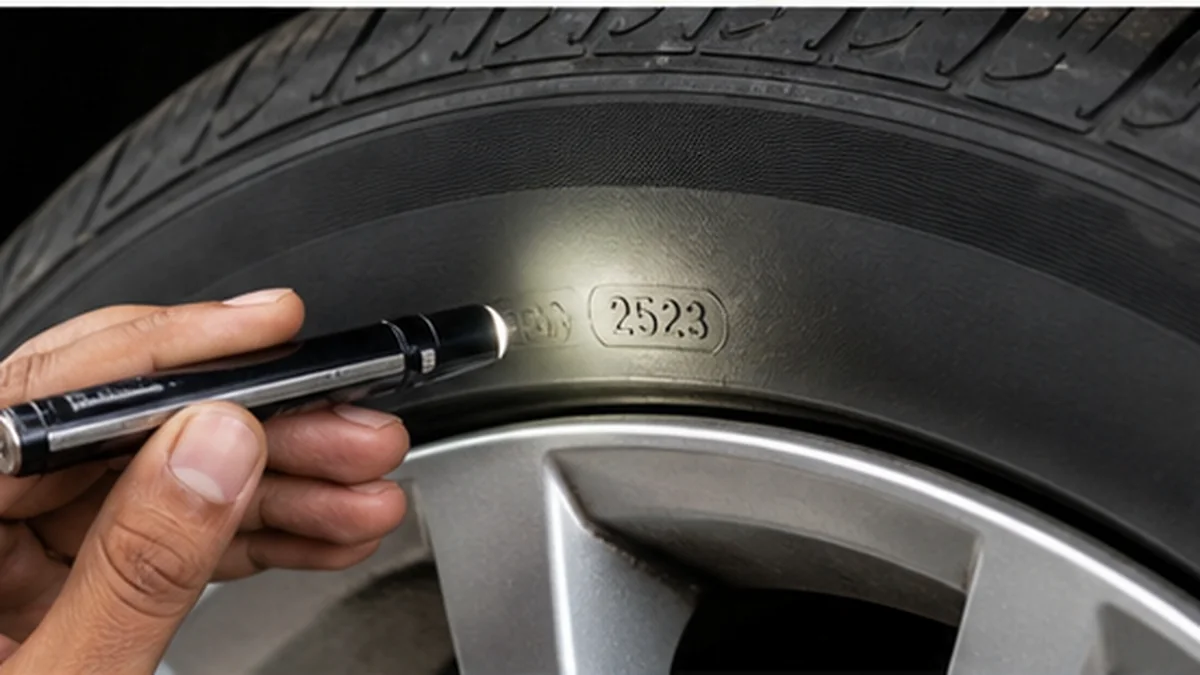
Look for the Tire Identification Number on the sidewall. The last four digits of a modern code show the week and year of manufacture: for example, 2523 means the twenty-fifth week of 2023. The full code may appear only on one side, so you might need to look behind the wheel or ask a technician to raise the car safely.
Do this for all four road tires rather than assuming they form one set. Used cars often have replacements from different years. Then check the spare. NHTSA specifically warns that spare tires age even though they are rarely used. A full-size spare that has spent years under a hot cargo floor should be treated as an emergency item, not automatically promoted to daily service.
There Is No Single Magic Birthday
NHTSA says some vehicle and tire manufacturers recommend replacement at six to ten years regardless of tread, while also stressing that environment and maintenance affect aging. Michelin advises professional annual inspection after five years in service and replacement by ten years from manufacture. Those are outer guidance points, not permission to ignore damage until a calendar alarm rings.
I use age as a trigger for closer scrutiny, not as the only verdict. A five-year-old tire that has lived outdoors, run underinflated and struck potholes may concern me more than a carefully stored tire of similar age. Conversely, a recent date does not excuse a sidewall bubble or an improper repair. The tire manufacturer and vehicle handbook remain the correct references for the exact product.
Why Heat and Underinflation Are a Bad Pair
NHTSA notes that sustained high temperature can contribute to tire deterioration and that warmer climate and sun exposure accelerate aging. Underinflation adds flex and heat. Heavy loads, high speed and long expressway runs increase the demand again. This is why “it only loses a little air” is not a harmless condition to tolerate for months.
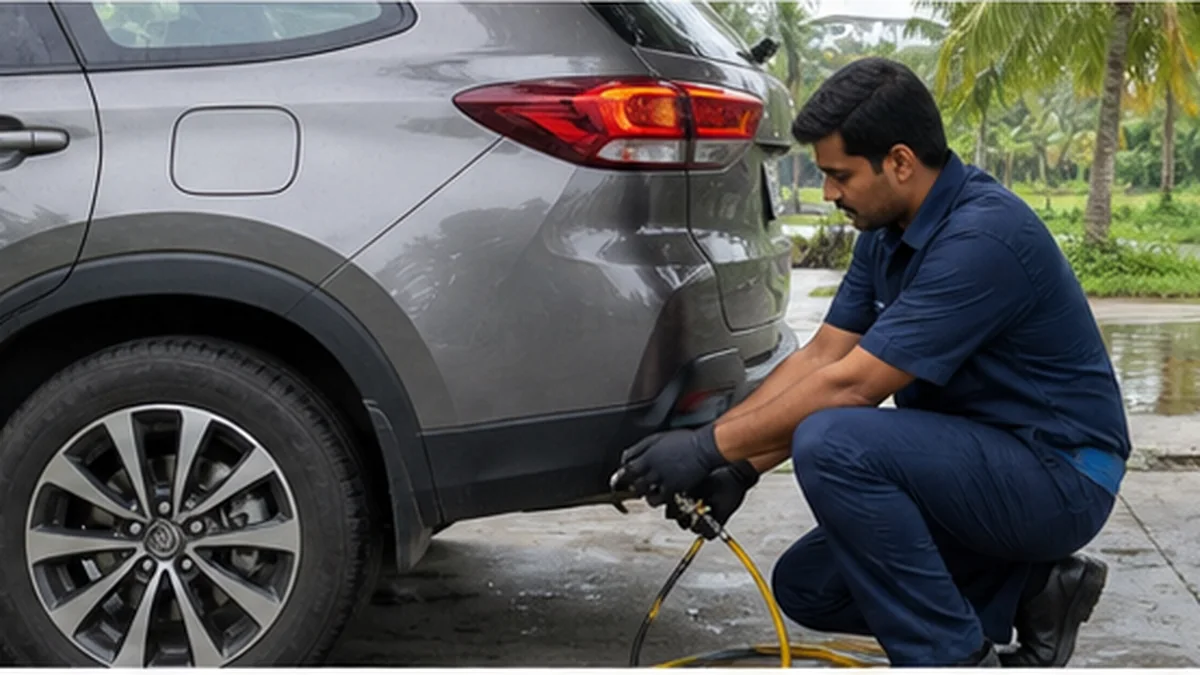
Check pressure when the tires are cold and use the figure on the driver’s door label, not the maximum number molded on the tire. The correct front and rear pressures may differ, and a fully loaded trip may require another setting. If one tire repeatedly loses pressure, find the leak or damage rather than continually topping it up.
Wet-Weather Inspection Matters More Than Cosmetic Shine
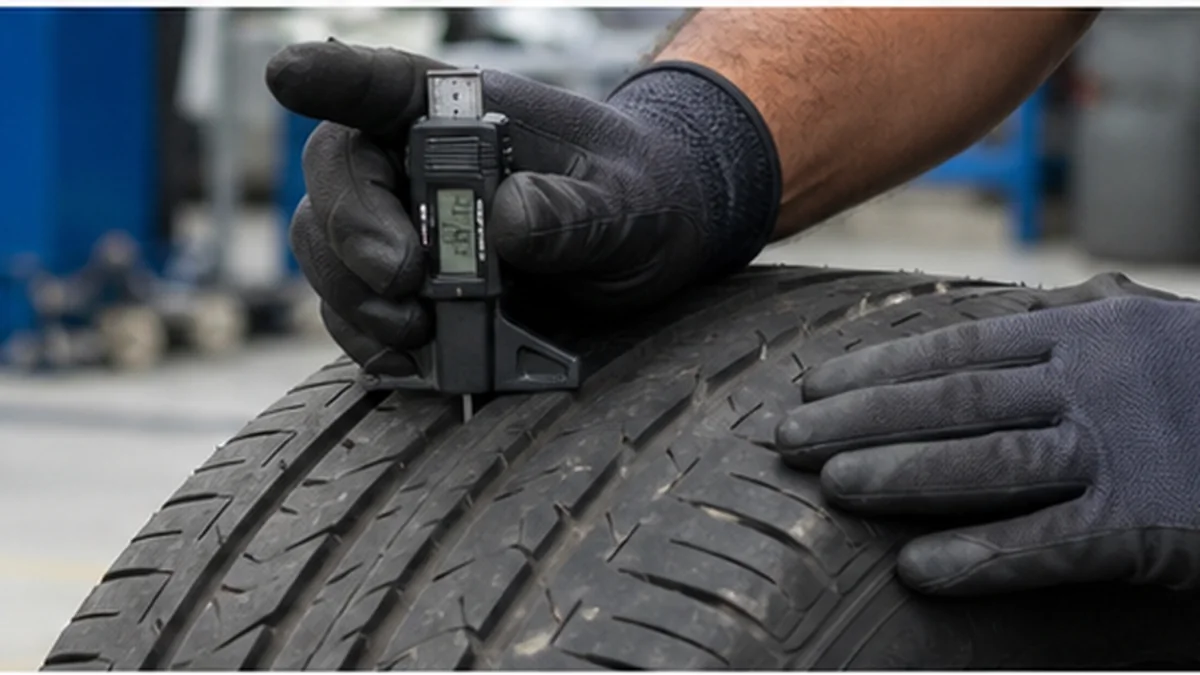
For monsoon use, inspect tread across the full width. Uneven shoulder wear may point to alignment, pressure or suspension issues. Feel for feathering, look for cuts and stones, and examine the inner sidewalls where damage is easily missed. NHTSA’s legal minimum reference is 2/32 inch in the United States, but buyers should understand that wet performance can decline before a tire reaches the absolute minimum.
Do not let tire dressing hide the evidence. Fresh black coating can make old rubber attractive without repairing it. Fine surface lines deserve evaluation; deep cracking, visible cords, a bulge or a separated-looking tread is a stop sign. Ask a qualified tire professional when the condition is unclear.
Also compare all four valve stems and wheel rims. A recent valve on one corner may simply follow a puncture repair, but it is worth asking why. Check the repair location: a properly assessed tread-area puncture is different from a sidewall plug or unexplained patch. I would reject a tire with an unsafe sidewall repair, and I would not accept a seller’s promise that vibration will disappear after the sale. Vibration needs diagnosis before money changes hands.
What I Would Check Before Buying Tires
- Confirm the exact size, load index and speed rating required by the vehicle.
- Compare manufacture dates and reject suspiciously old “new” stock without a convincing storage history.
- Choose a wet-grip and temperature specification suited to your use, not only a fashionable tread pattern.
- Ask where the tire was stored and inspect it before fitting.
- Get valves, balance and alignment checked as appropriate.
- Record the installation date, mileage and cold pressures.
On a used car, a mismatched set tells a story. It may simply reflect one puncture, or it may reveal cost-cutting after suspension damage. I would combine the tire check with the broader process in my used-car inspection comparison for Vietnam. If the seller has already concealed defects, follow the evidence-preservation steps in what to do after finding problems in a newly purchased used car.
Frequently Asked Questions
Should I replace a six-year-old tire with good tread?
It needs a careful professional inspection and comparison with the tire maker’s and vehicle maker’s age guidance. Climate, storage, damage and performance matter as well as the date.
Does the date code show when the tire was installed?
No. It shows the week and year of manufacture. Ask for an invoice or service record to establish installation date and mileage.
Can I replace only one tire?
Sometimes, but tread difference, axle pairing and all-wheel-drive requirements can make that unsuitable. Follow the vehicle and tire manufacturer’s guidance.
Is nitrogen a cure for neglected pressure checks?
No. Whatever gas is used, tires can lose pressure or develop damage. Regular cold-pressure and condition checks remain necessary.
After a hard road impact: tire age is only one part of the risk. Use this pothole alignment and damage checklist to inspect the wheel, sidewall, steering and suspension before new rubber is sacrificed.
Dr. Worry’s Final Recommendation
Read the date codes today, including the spare, then assess condition and pressure rather than waiting for a birthday alone. In tropical ownership I favor conservative replacement when age, heat exposure or damage creates doubt. Good tread is valuable, but sound structure, correct pressure and documented care are what make the tire trustworthy.