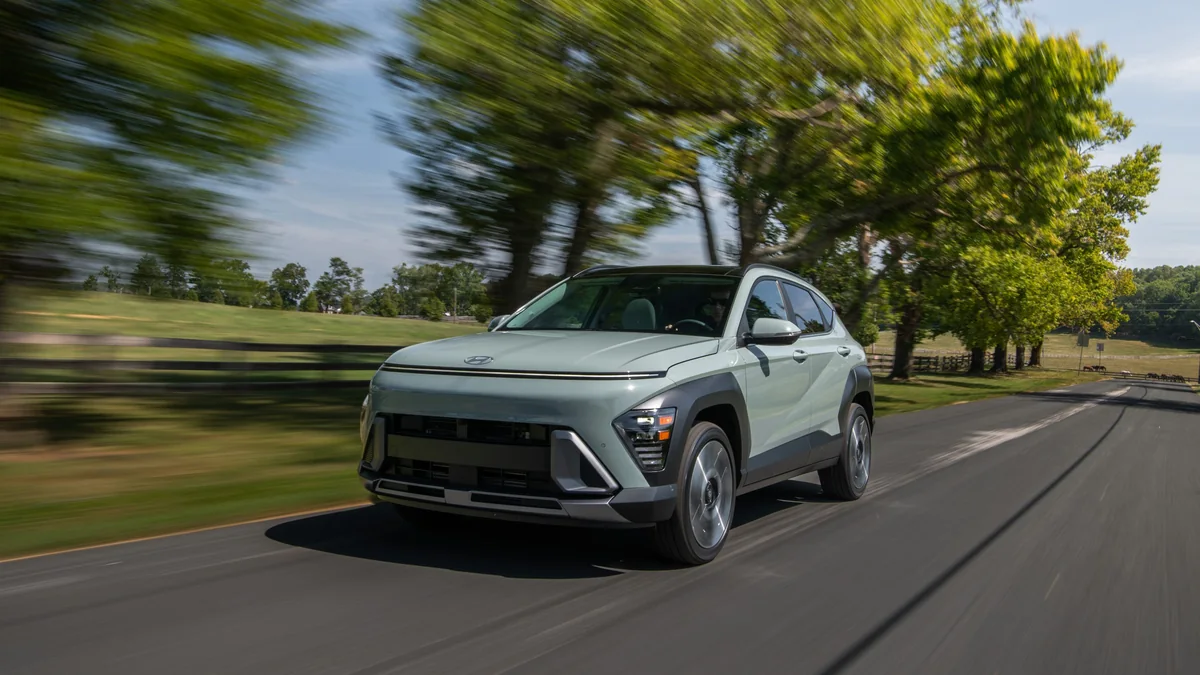
Dr. Worry’s verdict: If your VIN is included in Hyundai recall 306/NHTSA 26V452, do not put anyone in the rear-center seat until a dealer replaces the buckle assembly. I would keep using the two outboard rear seats only when their belts and child-restraint setup are correct. This is a restraint defect with no warning symptom, so a quick tug on the belt is not a substitute for the free recall repair.
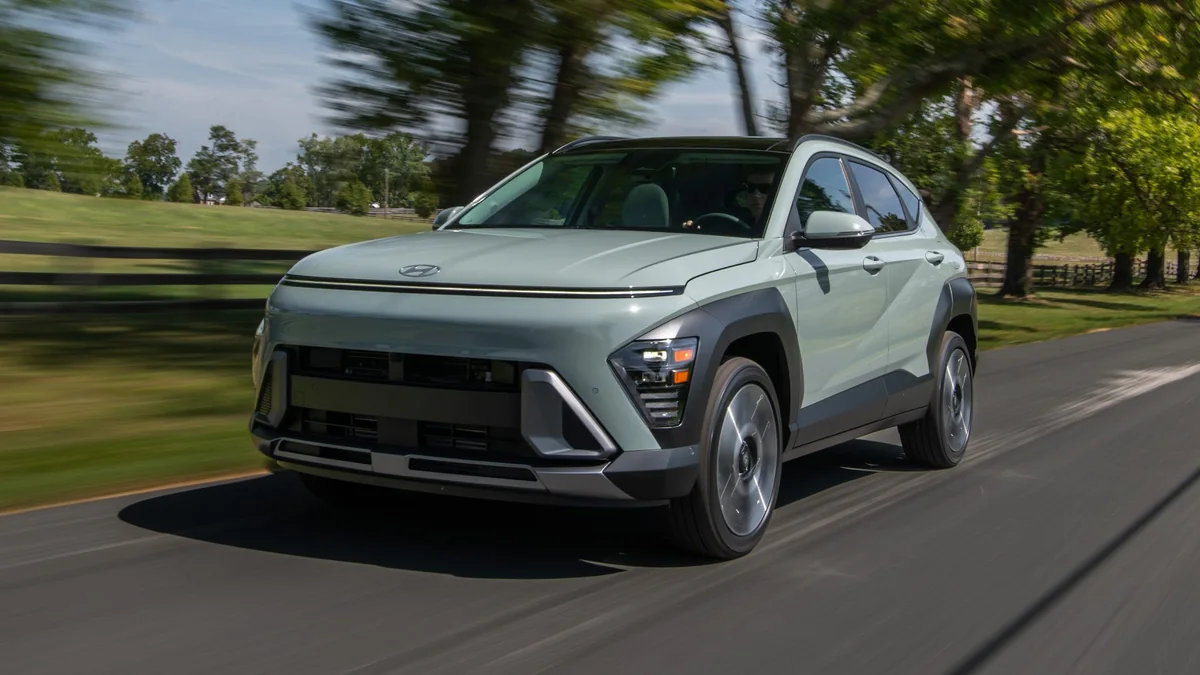
The campaign covers 47,749 vehicles in the United States: 47,733 model-year 2026 Kona SUVs and 16 model-year 2025 Kona Electric SUVs. Those numbers sound broad, but model year alone does not decide eligibility. The 17-digit VIN does. Owners can already search affected VINs, while notification letters are expected by September 11, 2026.
Quick Takeaways
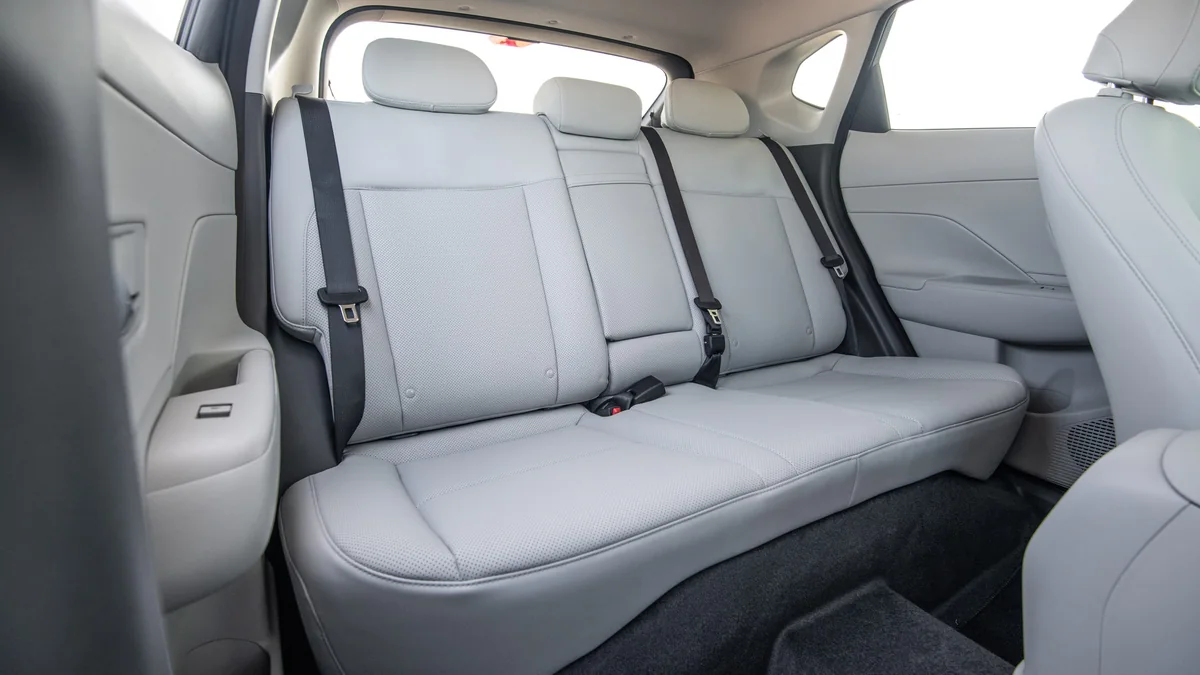
- The affected component is the rear-center seat-belt buckle assembly.
- Hyundai advises owners not to carry a passenger in that seating position before repair.
- The remedy is a free buckle-assembly replacement, not an over-the-air update.
- The campaign covers gasoline Konas and a very small number of Kona Electrics.
- An imported Kona may need original-market recall coordination.
What the recall says can go wrong
The official NHTSA campaign record for 26V452 says the rear-center buckle may fail to restrain an occupant in a crash. Hyundai traced the issue to a supplier manufacturing problem. Reporting based on the filing says an improperly maintained stamping die produced brackets outside the intended specification. That matters because the bracket is part of the load path when the belt must hold a passenger.
Transport Canada’s parallel recall notice explains the failure in plainer language: the bracket securing the buckle may not have been manufactured properly, allowing the belt to detach in a crash. There may be no strange noise, warning lamp, or visible looseness beforehand. I would therefore treat a normal-looking buckle as unverified until the VIN and repair record are checked.
What owners should do today
First, enter the VIN in Hyundai’s recall lookup and the NHTSA database. Save a screenshot or PDF of the result with the date. Second, call an authorized Hyundai dealer and ask it to confirm campaign 306, parts availability, and the appointment time. Third, leave the rear-center seat empty until the repair is complete. Moving a passenger to an outboard position is useful only when that belt is worn correctly and a child uses the appropriate restraint.
I would not improvise by swapping buckles, adding a belt extender, or dismantling the rear seat. The recall remedy specifies replacement of the buckle assembly. An extender can change belt geometry and may not be approved for the passenger. A home repair can also complicate the dealer’s inspection and create uncertainty about whether the campaign has been closed correctly.
Why a click-and-pull test is not enough
Owners naturally want a simple driveway test. Buckling the latch and pulling on the webbing can reveal an obviously damaged part, but it cannot reproduce a regulated crash load. The manufacturing problem concerns whether the assembly can carry force when it matters most. A buckle that clicks firmly today can still belong to the affected production population.
This is different from routine belt care. You should still inspect webbing for cuts, make sure the latch is not obstructed, and keep liquids and debris away from the buckle. Those habits prevent other problems, but they do not remove a metallurgical or dimensional defect in the bracket. Only the approved replacement and a closed campaign record settle this recall.
How I would handle children and child seats
Do not move a child seat casually from an outboard position to the affected center seat because the center looks safer. Follow the child-seat maker’s instructions, the Kona owner’s manual, and local law. If your family cannot travel safely with the center position unavailable, ask the dealer whether it can prioritize the repair rather than inventing a temporary setup.
After the remedy, reinstall any child restraint from the beginning and check both lower anchors and the top tether where applicable. A seat-belt recall is also a good reason to review the whole second row. My Honda Odyssey recall action guide uses the same discipline: identify the exact VIN, complete the prescribed remedy, then test the repaired function instead of relying on assumptions.
Used Kona buyers need two separate checks
I would not reject a good Kona solely because it once had a recall. I would reject vague paperwork. Before paying, search the VIN yourself and ask for a dealer repair order naming campaign 306 or 26V452. Confirm the current database shows no open action. A seller saying “all recalls done” is not evidence when the newest campaign arrived in July 2026.
The 2026 Kona has also appeared in other safety campaigns, including a steering-knuckle inspection for a different population and an instrument-display software action. Check every open campaign, not only the one mentioned in an advertisement. If you discover a problem after purchase, my guide to documenting issues with a newly purchased used car explains why dates, written dealer findings, and seller representations matter.
What changes for a Kona imported into Southeast Asia
The population figures and notification schedule above refer to the North American campaign. A U.S.- or Canada-market Kona living in Vietnam, Thailand, Cambodia, or Singapore may still be affected, but a local dealer may need help from the original distributor to obtain the part and close the record. Give the service department the complete VIN before traveling.
I would ask three questions in writing: Can this dealer perform campaign 306 on an imported VIN? Will the replacement be recorded in the original-market system? Is the exact buckle assembly available locally? A generic workshop may be able to fit a physical part, but that is not automatically the same as completing a manufacturer safety recall.
What I would verify after the repair
- The invoice names campaign 306 or NHTSA 26V452.
- The VIN lookup changes to completed or shows no open recall after processing time.
- The buckle is firmly mounted and the belt latches and releases normally.
- No trim, seat cushion, or child-seat anchor was left loose.
- All three rear belts retract correctly and lie flat without twists.
- The old buckle was replaced rather than merely inspected if the VIN required replacement.
FAQ
Which Hyundai Kona years are recalled?
The U.S. action covers certain 2026 Kona vehicles and 16 model-year 2025 Kona Electric vehicles. VIN lookup is the final eligibility test.
Can someone use the rear-center seat before the appointment?
Hyundai and NHTSA advise affected owners not to use that seating position until the remedy is performed.
Does the dealer charge for the repair?
No. The approved buckle-assembly replacement is free for vehicles included in the recall.
Will a warning light appear if the buckle is defective?
Owners should not expect a reliable warning symptom. The safety issue concerns restraint performance during a crash.
Dr. Worry’s Final Recommendation
I would keep this problem in proportion without becoming casual about it. The repair is defined, free, and limited to one seating position, so there is no reason to panic-sell a sound Kona. There is also no reason to place a passenger in the affected center seat while waiting. Check the VIN now, leave that position empty, complete the buckle replacement, and keep the final repair order with the car.