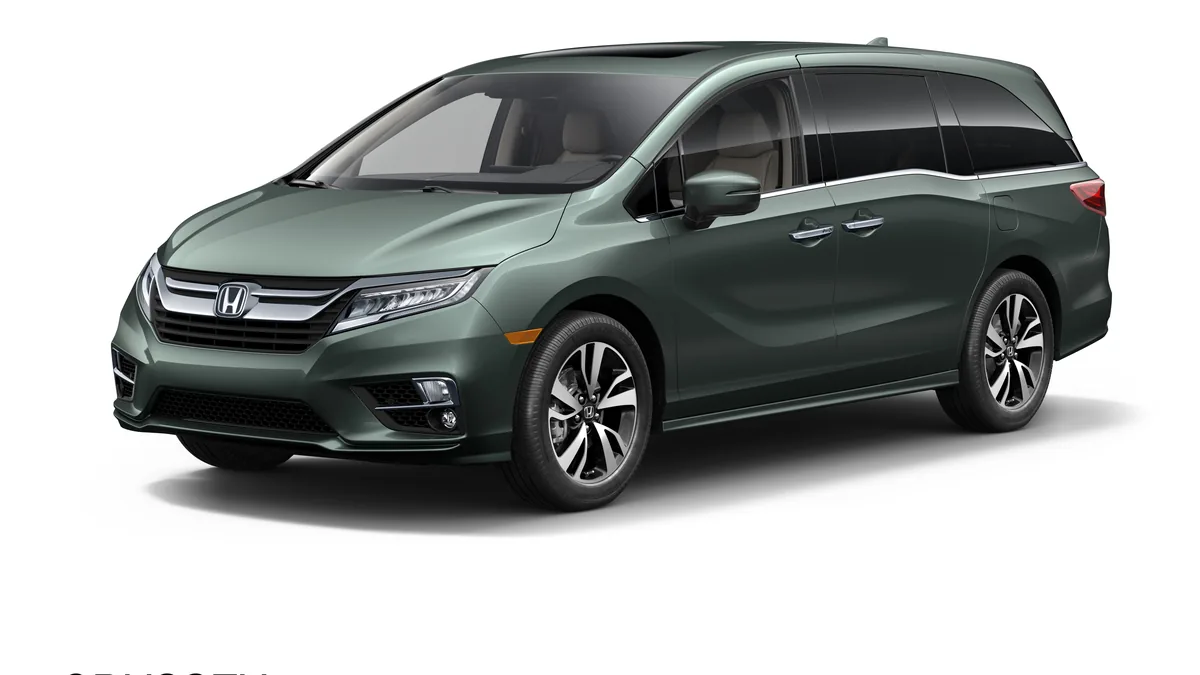
Dr. Worry’s verdict: Do not assume a functioning reverse image guarantees safety if you own a 2018, 2019, or 2020 Honda Odyssey. This recall involves over 325,000 vehicles where the camera housing fractures, allowing moisture to corrode internal circuits. The result is an intermittent failure that can leave your rear view completely blank exactly when you need it most—during a driveway maneuver or backing out of school traffic. A mirror and direct observation are mandatory until this specific hardware defect is repaired.
The National Highway Traffic Safety Administration (NHTSA) has opened Campaign Number 26V423 to address defects in the rearview camera system for these model years. The core issue is not merely a dirty lens or software glitch; it is physical damage to the housing wall that permits water ingress. This can happen after rain, car washes, or even high humidity conditions common in monsoon seasons.
Why this matters now: Many owners dismiss these failures as temporary infotainment glitches because they clear up when the vehicle dries out. However, corrosion is progressive. What starts as a cloudy image can quickly evolve into total blackout or severe distortion that obscures children, bicycles, and low obstacles immediately behind your tall minivan.
Furthermore, this recall expands to include certain 2018 Odysseys previously handled under product-update campaigns. Do not rely on memory of an old dealer visit; the VIN record is the only definitive proof that a vehicle has been cleared for this specific defect. If you are considering purchasing one of these vehicles used, verify the repair status before handing over funds.
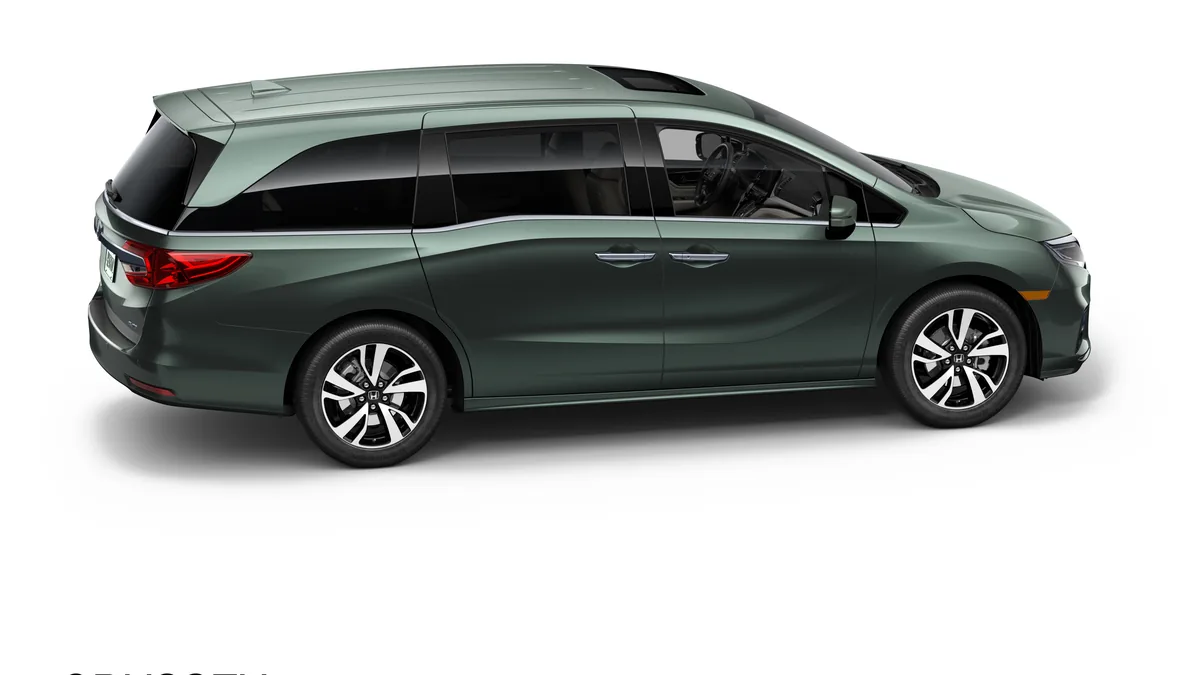
Technical Failure Mode: Cracking Housing vs. Software Glitches
To understand the severity of this recall, one must distinguish between standard infotainment issues and structural hardware failure. Honda’s filing describes cracking or separation within the camera housing itself. This is a manufacturing defect that creates an entry point for water.
Early symptoms often appear after exposure to moisture—rainstorms or automatic car washes—and then disappear as conditions dry out. This intermittent behavior tricks owners into believing the system works fine, leading them to delay service appointments until the camera fails completely in a critical situation. Unlike software updates that fix logic errors, this requires physical replacement of the rearview camera unit.
Owners are advised to record any failure with a phone before turning off the vehicle safely. Photographing the screen while noting weather conditions helps service advisers understand faults that may not reproduce immediately in a dry workshop environment. This evidence is crucial for ensuring the correct diagnosis and preventing unnecessary diagnostic fees if you have already paid out of pocket.
Immediate Actions Before Your Dealer Appointment
If your vehicle displays symptoms or falls within the affected range, take these steps before visiting a dealership:
- Verify via VIN: Do not rely solely on model year. Check both NHTSA and Honda recall lookup tools using your Vehicle Identification Number (VIN). Eligibility is determined by build dates and specific component batches.
- Dry the Exterior Carefully: Keep the rear lens clean, but avoid pressure-washing directly around the camera housing to prevent forcing water into existing micro-cracks. Dirt can hide a separate hardware failure if you are not careful during cleaning.
- Schedule Promptly: Book the repair and explicitly ask whether the replacement camera is in stock at that location. Delays often occur due to supply chain issues for specific OEM parts.
Until the work is complete, make reversing a deliberate two-stage action. Walk behind the van before entering when children are nearby, lower windows in crowded areas if visibility allows, and use mirrors combined with turning your head. Parking sensors can help detect obstacles but do not show every low or moving object.
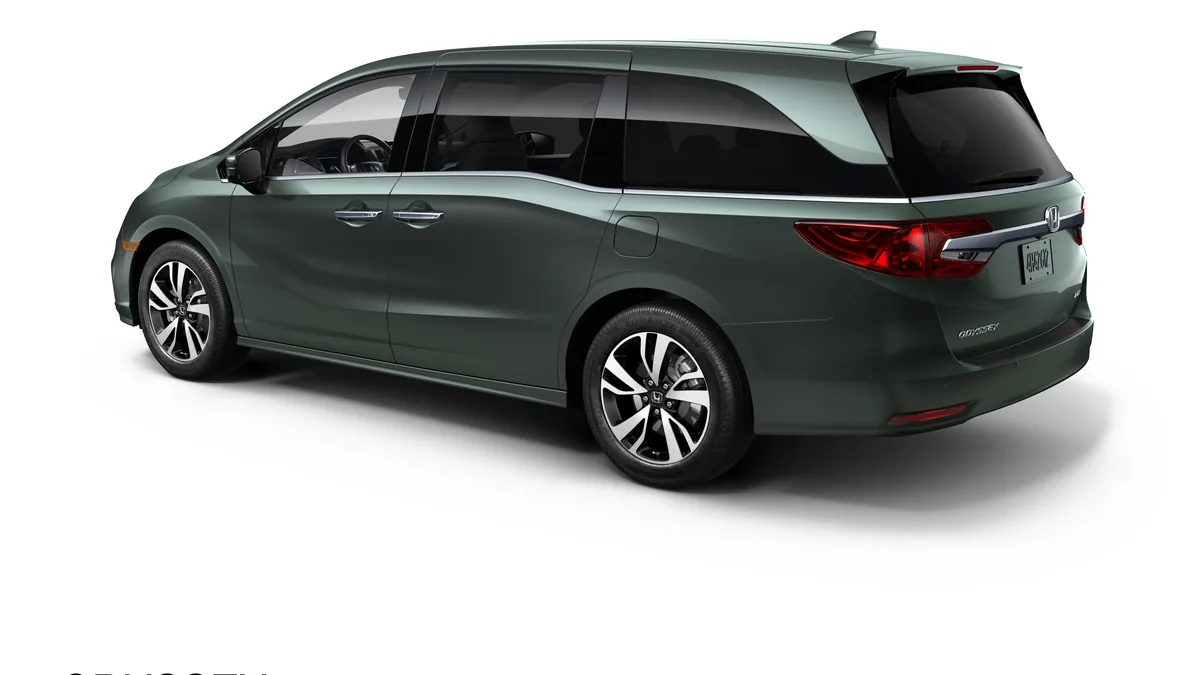
The Repair Process and Paperwork Verification
NHTSA’s report identifies replacement of the rearview camera as the sole remedy. Eligible recall work should be performed free of charge, including labor for removal and installation. However, paperwork is essential to protect your financial interests.
Ask the repair order to explicitly show Campaign Number 26V423/HOX, confirm the completed operation description, and list the replacement part number. Keep a digital copy of this document because a complete safety-recall file makes future private sales significantly easier by proving the vehicle is free from known defects.
If you previously paid to replace the camera (perhaps at an independent shop or during a prior visit), ask Honda about reimbursement eligibility and retain all old invoices. Do not promise yourself a refund before the manufacturer reviews the claim; reimbursement rules normally depend on the date of purchase, part number, and proof that the previous repair was unauthorized.
Buying Guide: Used Odyssey Inspection Routine
A used 2018-2020 Honda Odyssey can still be a sensible family purchase if handled correctly. The vehicle offers spacious utility and reliability in other areas, but an unresolved camera fault is not something to ignore.
- Run the VIN: Start with NHTSA and Honda recall lookup tools before looking at mileage or interior condition.
- Test Under Stress: Test the camera several times after rain or a wash. Check for haze, horizontal distortion, delay, and total blackout.
- Verify Screen Behavior: Confirm that the screen switches reliably when Reverse is selected and returns normally afterward without freezing.
Sellers may frame an open recall as “extra value” because the fix is free. While technically true regarding cost to you, this creates a liability risk until repaired. The useful value lies in a completed, documented repair showing Campaign HOX is closed on dealer documents.
Do not assume this is the vehicle’s only issue; review the VIN for other campaigns using our broader Honda SUV recall used-car checklist. Buyers should match every campaign to the exact VIN, not just the badge.
International Context: Southeast Asia Imports
North American Odysseys sometimes reach markets in Southeast Asia through independent import channels. The U.S. recall may apply to the vehicle physically, but local support is not automatic due to regulatory differences and parts availability.
If you are importing or buying a grey-market Odyssey in this region, give the VIN to an authorized Honda service center and ask in writing whether they can perform Campaign HOX, source the correct camera, and update the recall record. If the local dealer cannot support a grey import, identify a specialist before buying.
A generic aftermarket camera may restore an image yet leave the official recall open or create fitment issues that compromise sealing and image quality. The correct repair matters immensely in monsoon conditions because poor sealing can recreate the moisture problem described above. Always confirm who supplies and calibrates the part to ensure OEM specifications are met.
Direct Alternatives for Buyers
If you cannot secure a repaired unit or find one with closed recall status, consider these alternatives:
- Newer Models: Look at 2021 and newer Odyssey models where this specific housing design was updated.
- Different Platforms: Consider competitors like the Toyota Sienna (checking its own distinct recall history) or minivans from manufacturers with different camera integration strategies, such as those found in our comprehensive comparison guides.
- Pre-Purchase Inspection: Never accept a used Odyssey without written recall-status evidence. A generic aftermarket camera may restore an image yet leave the official recall open or create fitment issues.
The factual baseline for this guide comes from the primary official or regulatory source and independent automotive reporting. I use those published details as inputs; the buyer and ownership judgment is my own.
FAQ
Which Honda Odyssey years are involved in this specific campaign?
The U.S. filing covers certain 2018-2020 Odyssey minivans manufactured during the period when the camera housing design was vulnerable to cracking. Eligibility is determined strictly by VIN, not by year alone.
Can I keep driving if the backup camera screen goes blank?
The van can still be moved using direct observation and mirrors, but the missing rear view raises significant risk, especially in tight spaces or with children nearby. You should minimize reversing in crowded areas until the repair is completed.
Does cleaning the lens fix this recall issue?
No. Cleaning removes dirt from the glass surface, but it cannot repair a cracked housing wall or corroded circuit board inside the unit. The defect requires physical replacement of the camera assembly.
Is there an extended warranty that covers this if I am out of factory coverage?
This is typically covered under safety recalls regardless of mileage or age, but reimbursement for prior repairs depends on specific terms and proof of payment. Always check your current policy with Honda Customer Relations before assuming no cost.
What happens to the old camera during replacement?
The defective unit will be removed by a technician and typically recycled according to manufacturer environmental standards. You should not attempt to reuse it, as internal corrosion is hidden from view once installed in another vehicle.
Dr. Worry’s Final Recommendation
I would not reject a good 2018-2020 Odyssey solely because of this campaign if the repair has been completed and documented, but I would not buy or keep using one casually with an unresolved camera fault. The decision to proceed depends entirely on your risk tolerance regarding reversing maneuvers.
Check the VIN immediately through official channels. Complete the free replacement at a Honda dealership. Keep all paperwork in a dedicated folder for future resale value verification. Continue using mirrors and direct observation as primary safety tools until you are certain of the repair’s success over multiple weather cycles.
A family minivan earns trust through boring details like a reverse image that appears every single time, regardless of rain or humidity. Do not gamble with your children’s safety on an intermittent electronic component. If in doubt about local support for imported units, consult our Honda CR-V 2024 review to see how Honda handles safety features on newer models before making a purchase decision.
The remedy is straightforward: replace the camera. The cost is zero if done correctly under recall terms, but the time and effort required to verify eligibility are non-negotiable for any responsible owner or buyer.