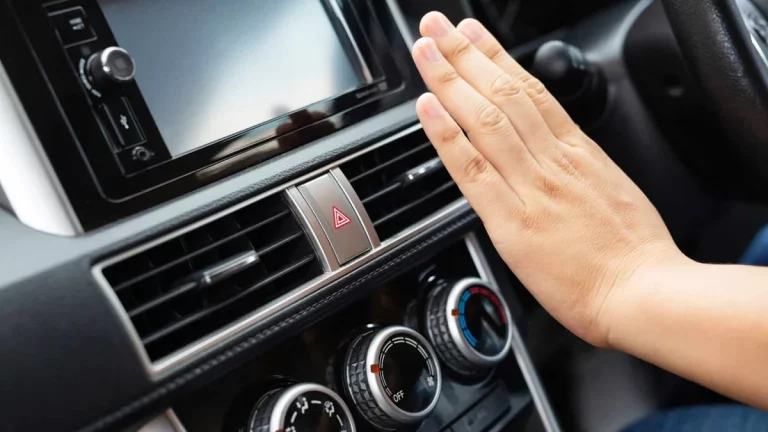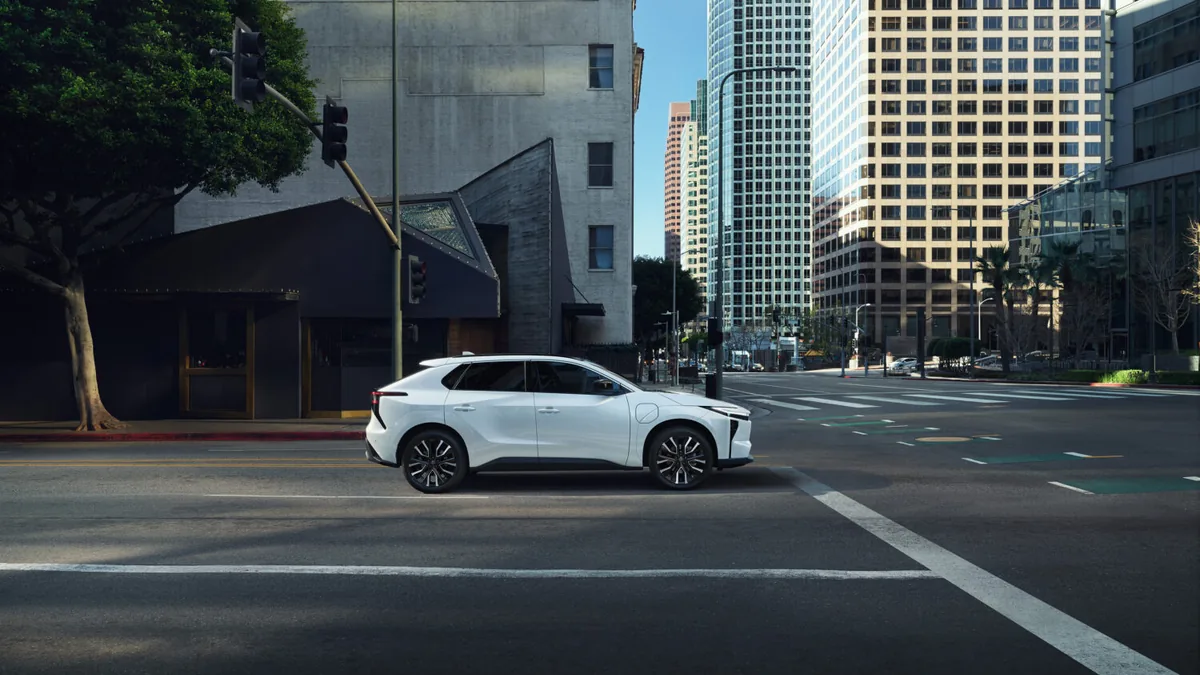
Toyota has recalled certain 2026 Toyota bZ and Lexus RZ electric vehicles in North America, and my advice is simple: do not treat this as background noise if you are about to buy, lease, or take delivery of one. Toyota says the recall involves about 16,200 vehicles and centers on battery ECU software that can cause the electric drive system to shut down. Power steering and power-assisted braking are expected to remain, but losing motive power at higher speed is exactly the kind of EV issue I would want resolved before a car becomes my daily driver.
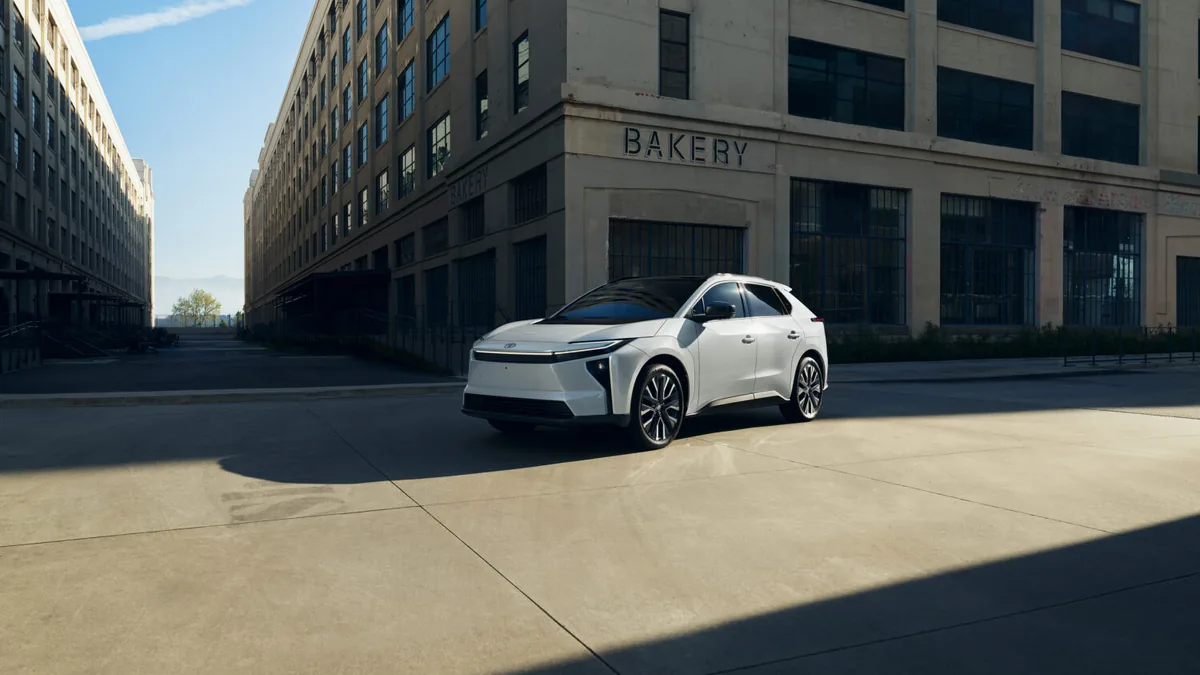
The 2026 bZ is important for Toyota because it is more than a renamed bZ4X. It brings refreshed styling, NACS charging access, an available 74.7-kWh battery, and a manufacturer-estimated range of up to 314 miles on selected versions. That makes it a more serious shopping-list EV than Toyota’s earlier effort. But a software recall this early in the model cycle changes the delivery conversation. If I were shopping one this week, I would check the VIN before signing anything, ask the dealer whether the battery ECU update has already been completed, and keep written proof of the answer.
What Toyota Says Is Wrong
According to Toyota’s June 18, 2026 recall notice, the battery ECU that supplies electricity to the drivetrain can experience an error. Toyota says that error can cause the electric drive system to shut down. The recall covers certain 2026 Toyota bZ and Lexus RZ vehicles in North America.
The key phrase for owners is “loss of motive power.” In plain English, that means the car may no longer propel itself even though steering assist and brake assist continue to operate. That is not the same as a total electrical blackout, but it can still be serious if it happens while merging, passing, climbing a grade, or driving in fast traffic.
My Advice Before You Buy Or Take Delivery
My advice is to make the recall check part of the purchase process, not something you promise yourself you will handle later. Ask the dealer for three things before accepting the vehicle: the VIN-specific recall status, confirmation that the battery ECU software update has been performed if the VIN is affected, and a service record showing the completion date.
If the car is in transit, on a dealer lot, or being sold as a demo, I would not rely on a verbal “Toyota will take care of it.” Recall repairs are free, but your inconvenience is not free. A buyer who takes delivery before the update may need to return for service, work around appointment availability, and live with a question mark until the update is done.
I would also ask whether the car is under any stop-sale or delivery hold at that specific dealer. Toyota’s public notice says owners will be notified by mid-August 2026, but dealer systems can show VIN-level status before a letter arrives. The useful answer is not “we have not seen a letter.” The useful answer is “we checked your exact VIN today.”
What Existing Owners Should Do Now
In my experience, the best recall routine is boring but effective. Check the VIN at Toyota’s recall lookup page and at the NHTSA recall site, then save a screenshot or PDF of the result. If the VIN is affected, call the dealer and ask specifically for the battery ECU software recall repair. Because Toyota describes the remedy as a software update, the repair should not depend on a large replacement part, but scheduling can still vary by dealer.
Until the update is done, I would be conservative about high-speed trips, especially if the car has already shown warning lights, reduced-power behavior, or unusual drive-system messages. Toyota’s notice does not tell owners to stop driving, so I would not invent panic advice. But I would avoid ignoring symptoms in an EV drivetrain, because intermittent software faults are harder to reason about from the driver’s seat.
Why This Matters For The 2026 bZ
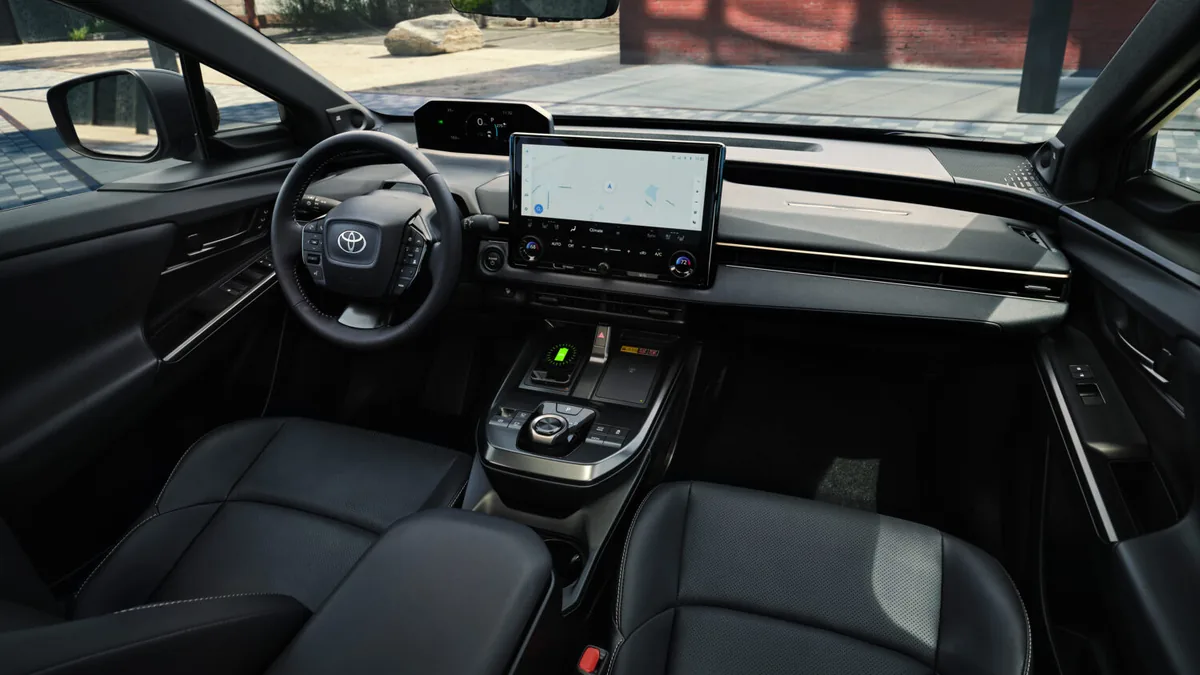
The awkward part is timing. Toyota has worked to make the 2026 bZ a more compelling EV. The lineup moves away from the bZ4X name, adds NACS charging, offers a larger battery on some trims, and gets a more modern cabin with a standard 14-inch multimedia screen. For many buyers, that fixes several reasons they previously skipped Toyota’s electric SUV.
That is also why the recall deserves attention. Early EV buyers are not only buying range and charging specs; they are buying confidence in software, battery management, and dealer support. A free ECU update may turn out to be routine, but I would still use it as a test of the dealer’s competence. If the sales team cannot clearly explain whether the exact VIN is affected and whether the remedy is complete, that tells me something about the ownership experience.
Used And Demo bZ Buyers Need A Separate Check
This recall also matters for shoppers looking at early demo cars, service loaners, and nearly new 2026 bZ examples. A dealer-used EV can look attractive if it has low miles and a discount, but I would not assume a recall repair was completed just because the vehicle stayed inside the dealer network. Ask for the repair order.
If the seller is not a Toyota dealer, be even more direct. Run the VIN yourself, ask the seller for service records, and budget time to visit a Toyota dealer before a long drive home. For a private-party purchase, I would make recall completion a condition of the deal or negotiate with the understanding that you will handle the appointment immediately after purchase.
Quick Checklist
- Check the exact VIN at Toyota.com/recall and nhtsa.gov/recalls.
- Ask whether the battery ECU software update is open or complete.
- Get a written service record if the recall has been repaired.
- Ask the dealer whether delivery is allowed for that VIN today.
- Do not ignore warning lights, drive-system messages, or reduced-power behavior.
- For used/demo cars, verify the recall repair independently before a long trip.
How I Would Weigh The Risk
I would not automatically reject the 2026 Toyota bZ because of this recall. Software recalls happen, and Toyota’s stated fix is clear: dealers will update the battery ECU software at no charge. What I would reject is a sloppy delivery process. A buyer should not have to guess whether a newly delivered EV is still waiting for a safety-related drivetrain update.
If you are cross-shopping other electric crossovers, also read our 2026 Nissan LEAF buyer advice, Kia EV3 ownership-risk guide, and plain-English guide to how electric cars work. The bZ may still make sense if the recall is closed on your VIN, the price is right, and your charging routine is realistic.
FAQ
Which vehicles are affected by the Toyota battery ECU recall?
Toyota says the recall covers certain model year 2026 Toyota bZ and Lexus RZ vehicles in North America. Use the VIN lookup tools from Toyota or NHTSA to confirm whether a specific vehicle is involved.
What is the repair for the 2026 Toyota bZ recall?
Toyota says dealers will update the battery ECU software free of charge.
Should I still buy a 2026 Toyota bZ?
I would still consider one, but only after checking the exact VIN and confirming the recall remedy is complete or scheduled. For a new-car delivery, I would prefer completion before handover.
When will owners be notified?
Toyota says involved owners will be notified by mid-August 2026, but buyers should not wait for a letter if they are shopping or taking delivery now.
Final Recommendation
My final recommendation: treat the 2026 Toyota bZ recall as a paperwork-and-software checkpoint, not a reason to panic. If the VIN is clear or the battery ECU update is documented, the bZ remains worth considering as Toyota’s more serious electric SUV. If the seller cannot verify the recall status, pause the deal until they can.
Sources: Toyota USA Newsroom recall notice dated June 18, 2026; Toyota USA Newsroom 2026 bZ vehicle and product materials; Toyota bZ official image album.