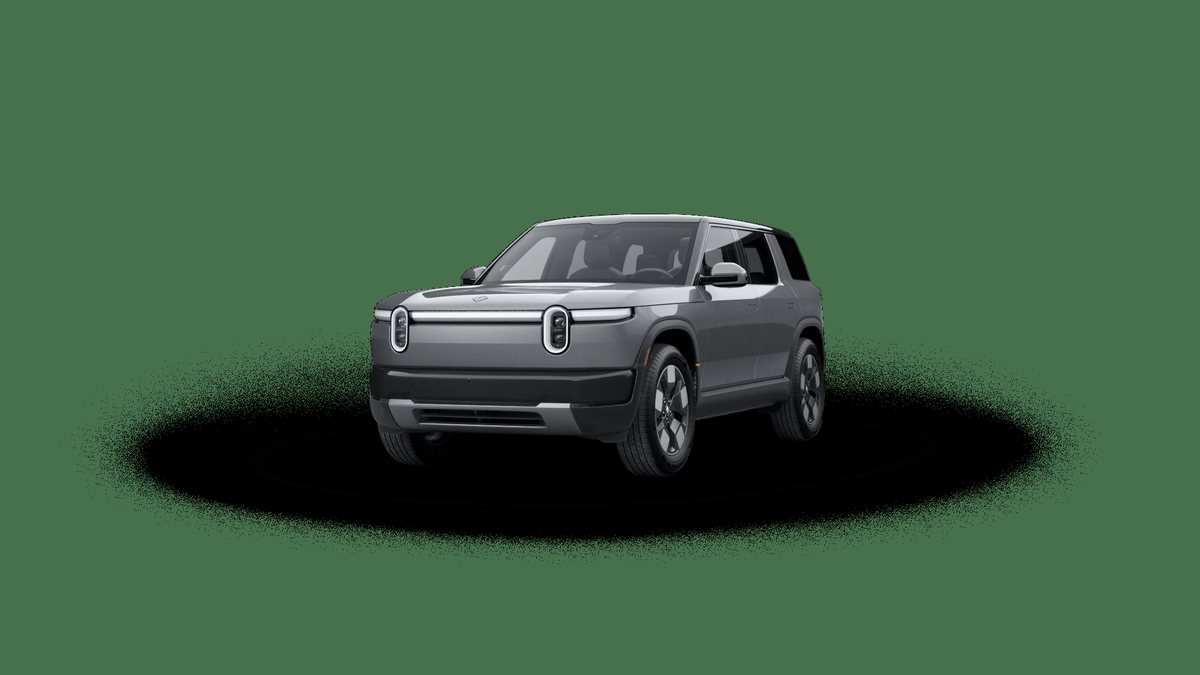
The 2026 Rivian R2 is one of the few new electric SUVs I would treat as a serious ownership question rather than just a launch spectacle. Rivian says the R2 range starts with the Performance Launch Package at $57,990, with Premium versions later in 2026 and Standard versions following in 2027. Business Insider reports the broader roadmap still points to a $44,990 entry point later, which is the price many normal buyers are waiting for.
My advice: do not judge the R2 by the headline base price unless that is the version you can actually buy. I would separate three decisions: whether the launch trim is worth paying for, whether service coverage works where you live, and whether a Rivian makes more sense than a Tesla Model Y, Hyundai Ioniq 5, Kia EV6, or a hybrid SUV.
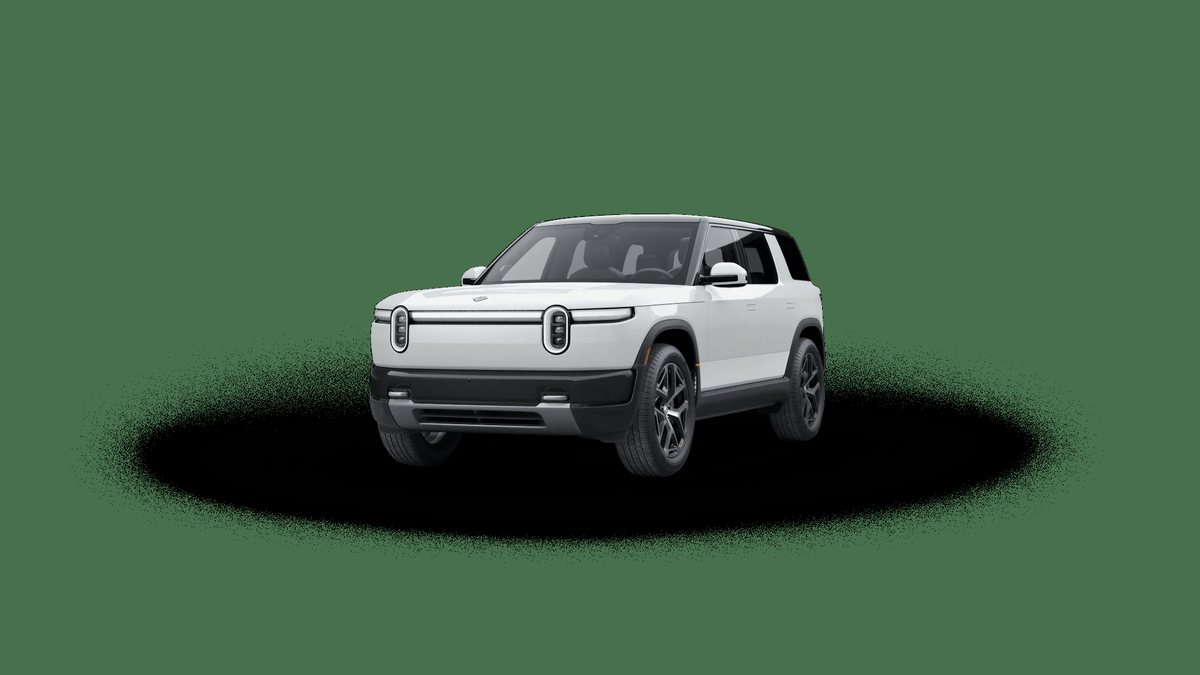
Why The R2 Is A Big Deal
Rivian already proved it can make desirable electric trucks and SUVs, but the R1T and R1S are expensive, large, and very American in scale. The R2 is meant to bring the brand into a more normal family-SUV lane. That matters because EV growth needs cars that feel attainable, easy to park, and useful beyond a wealthy early-adopter audience.
Rivian’s launch notes say the Performance with Launch Package starts deliveries first, with Premium and Standard trims following later. The useful buyer detail is timing: the most affordable R2 is not necessarily the first one available. Early buyers may be paying for priority, power, and specification rather than pure value.
The Launch Trim Is Not The Value Trim
I would be careful with the first-year excitement. A launch-trim EV can feel irresistible because it has the strongest performance, the freshest colors, and the most attention. But if your goal is a practical family EV, the later Premium or Standard trims may be the calmer purchase. The expensive first version can make sense if you truly want the brand early and can afford the risk. It is not automatically the best R2.
In Southeast Asia, that distinction becomes even sharper. A grey-market or personal-import R2 will need shipping, taxes, charging compatibility checks, software support, and parts planning. A delayed but officially supported version, if it ever comes to your market, could be worth more than getting the first car quickly.
Charging And Service Are The First Questions
The R2’s adventure image is appealing, but daily ownership starts with charging. If you have home charging and predictable routes, the R2 can make sense as a compact family EV with more personality than a typical crossover. If you rely on public chargers, I would test the exact network, payment apps, connector support, and parking access before putting down serious money.
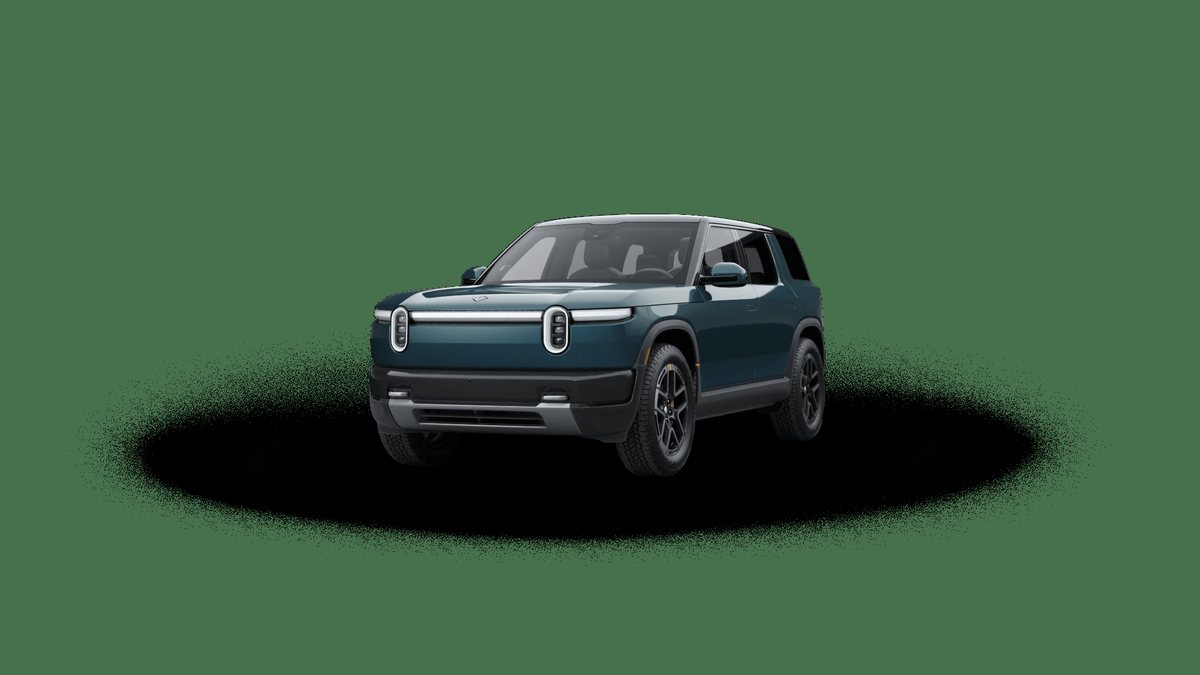
Service is the second question. Rivian is still young compared with Toyota, Hyundai, Honda, or even Tesla in many markets. I would ask where body panels, lamps, suspension parts, high-voltage components, and software diagnostics will be handled. A small parking hit should not turn into a multi-month parts story.
What Makes It Different From A Model Y
The Tesla Model Y remains the easy benchmark because charging and software support are strong in many markets. The Rivian R2 counters with a more rugged shape, stronger adventure identity, and packaging that should appeal to buyers who find the Model Y too common or too road-biased. That is a real emotional advantage, but it does not replace practical checks.
I would compare the R2 against the Kia EV6 if price matters, the Kia EV3 if you want something smaller, and the 2026 Nissan LEAF if easy EV ownership is more important than image.
What I Would Check Before Reserving
- Confirm which trim you can actually order and when delivery is realistic.
- Map home charging, work charging, and weekend-route chargers.
- Ask how warranty support works if the car is imported into your country.
- Price tires, insurance, glass, lamps, and body panels before assuming EV savings.
- Compare lease or finance cost against a Model Y, Ioniq 5, EV6, and a hybrid SUV.
The Buyer I Think Should Wait
I would wait if you live far from Rivian service, park in an apartment without charging, or need predictable resale within three years. I would also wait if your budget depends on the $44,990-style entry price, because the launch version is a different financial decision.
The Buyer I Think Should Shortlist It
I would shortlist the R2 if you have charging at home, want a five-seat EV with real outdoor usefulness, and understand that a young brand requires more ownership patience. If you already like Rivian’s design and can tolerate a more complex service story, the R2 could be one of the most interesting EVs of this model cycle.
FAQ
Is the Rivian R2 already the best family EV?
Not automatically. It has a strong case, but the best family EV is the one with charging, service, warranty, and price that fit your actual life.
Should I buy the Launch Package?
I would only buy it if early delivery and higher specification matter enough to you. Value-first buyers should wait for later trims.
What is the biggest risk?
The biggest risk is service and support outside Rivian’s strongest markets. The car can be excellent and still be inconvenient if parts and diagnostics are far away.
Final Recommendation
The Rivian R2 deserves attention because it brings Rivian’s adventure formula closer to normal SUV money. My final recommendation is to reserve only after you identify the exact trim, local support path, and charging routine. If those three checks pass, the R2 is exciting. If they do not, a more established EV or a hybrid SUV will be easier to live with.