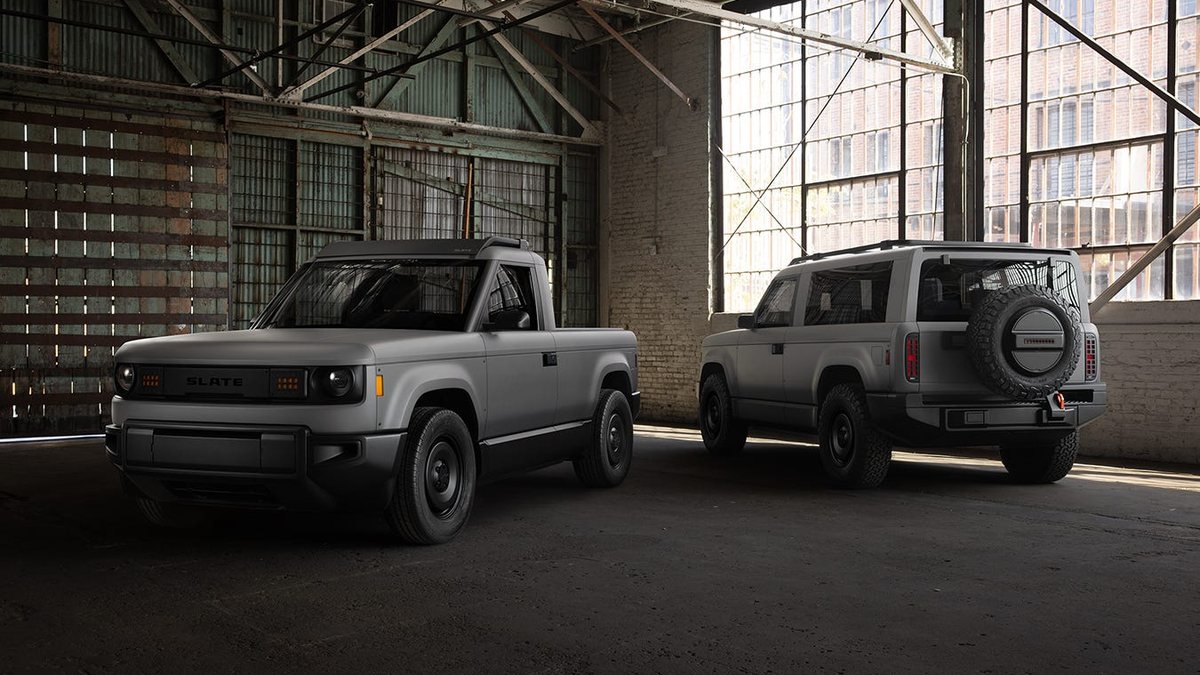
My advice: the 2027 Slate Truck is interesting because it attacks the one EV problem most brands avoid: price. But I would not treat the $24,950 headline as the real ownership cost. The truck is deliberately basic, the accessory menu is part of the business model, and the buyer who needs rear seats, a better cabin, more range, audio, wraps or installer work can move far away from the cheapest number quickly.
Slate Auto announced on June 24, 2026 that its two-seat electric pickup will start at $24,950 before options, with production expected in late 2026. Business Insider reports the company is leaning hard into customization, including more than 200 accessories, SUV conversion kits, and low-cost wraps. That makes the Slate a useful WorryCars topic because it is not only another EV launch. It is a test of whether cheap, modular electric transport can work for real buyers.
Quick takeaways before you reserve one
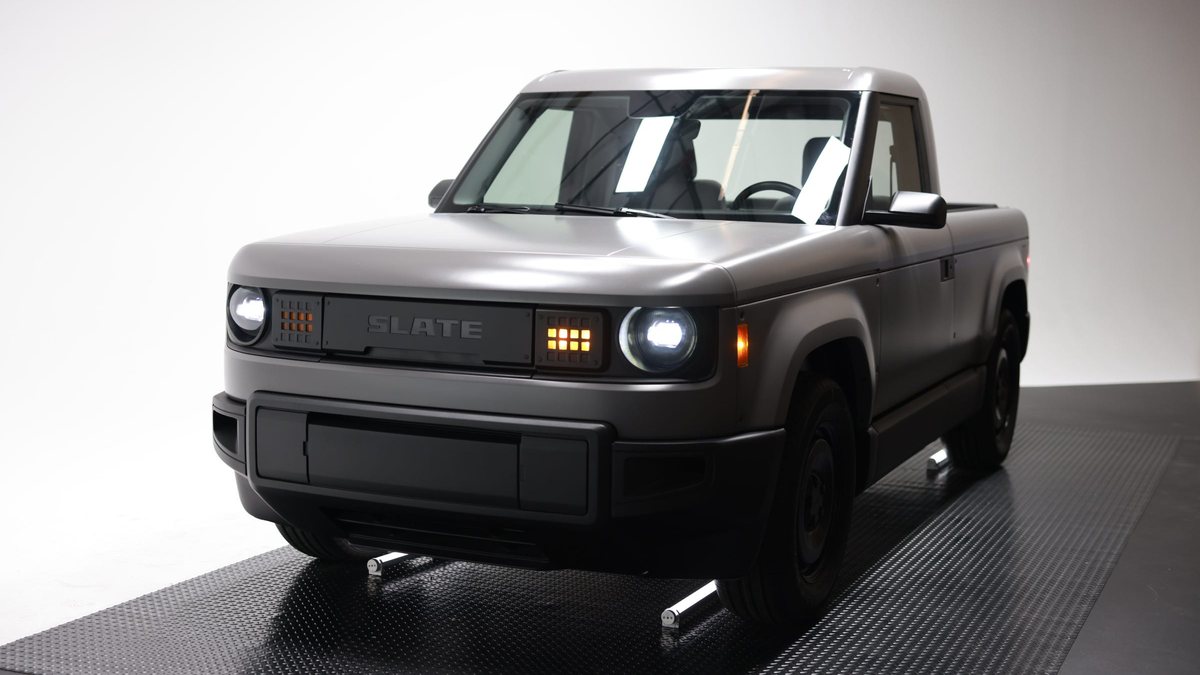
- The base Slate Truck is a two-seat compact EV pickup, not a four-door family truck.
- Slate says the launch price is $24,950, but SUV kits and comfort accessories can push the build higher.
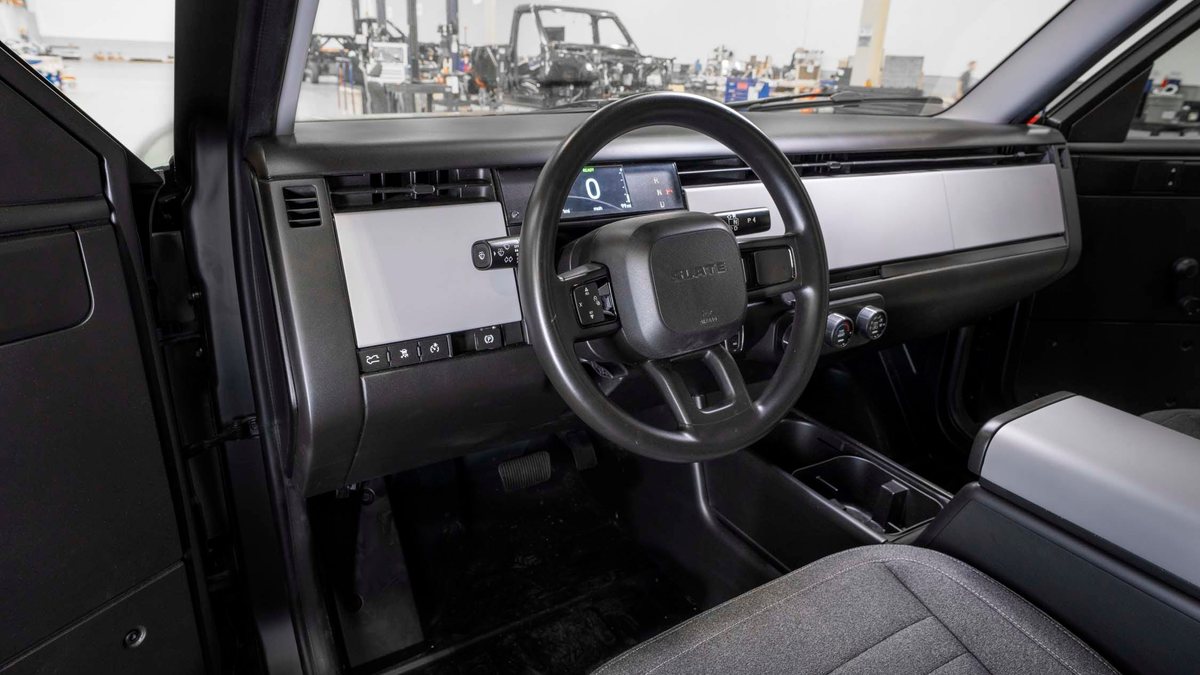
- The company has promoted a simple cabin with manual windows and no standard infotainment system.
- The buyer risk is configuration creep: adding the things you actually need may erase the cheap-EV advantage.
Why the cheap price matters
Most EV launches start with power, screens and performance. Slate starts with subtraction. No paint shop in the traditional sense, fewer interior electronics, simple controls, and a body designed around wraps and add-ons. I like that honesty. A cheap car should not pretend to be a luxury product. It should tell buyers what they are not getting.
That said, cheap only helps if the base vehicle matches your life. If you need a daily work runabout, a second household vehicle, or a compact delivery machine, the Slate could be clever. If you need a family SUV, a long-distance road-trip EV, or a polished cabin for clients, you are probably shopping the wrong product. I would compare it with small used EVs, compact hybrid crossovers, and cheaper mainstream models before assuming the low entry price wins.
The accessory model is both smart and dangerous
Slate wants owners to personalize the truck over time. That can be smart because buyers do not pay for factory features they do not need. It can also be dangerous because every missing feature becomes a future purchase. A stereo, upgraded interior pieces, racks, wraps, seats, lift hardware and SUV conversion parts may feel optional one by one, then become a serious invoice together.
My advice is to build the exact vehicle in a spreadsheet before reserving. Add the configuration you would actually drive for three years, including installation labor and taxes. If that final number still beats the alternatives, the Slate is compelling. If it lands close to a better-equipped EV or hybrid, the cheap headline is doing too much emotional work.
What I would check for Southeast Asia use
For Vietnam, Thailand or Cambodia, I would be careful. The Slate is designed first around the U.S. market. A compact, simple EV pickup sounds perfect for tight streets, but import rules, charging support, parts channels and warranty execution matter more than the brochure. I would not import one early unless the seller can prove diagnostic access, battery warranty handling, body-panel supply and charger compatibility.
The small footprint is attractive. The two-seat layout is the catch. Many Southeast Asia buyers use one vehicle for work, family and weekend errands. In that case, a small hybrid crossover or an affordable EV SUV may still make more sense. This is the same logic I use when comparing mainstream EV choices like the Kia EV6 with newer startups: the best deal is the one you can service.
The range and comfort questions
Slate’s minimalist cabin is part of the charm, but I would test it in heat, rain and traffic. Manual windows are not a moral failure. A missing audio system is not automatically bad. But daily comfort adds up. I would sit in the truck, test visibility, phone mounting, rear-camera display, climate-control strength and seat comfort before deciding the simplicity is charming rather than tiring.
Range also needs a realistic check. A budget EV used for local duty may be fine with modest range. A buyer who regularly runs highway miles, carries payload or cannot charge at home needs more margin. The more accessories and body kit pieces you add, the more I would want real-world efficiency data rather than early promise.
What I would check before buying
- The exact delivered price after destination, taxes, accessories and installation.
- Battery size, real EPA range and highway range with payload.
- Whether the SUV conversion is factory-approved, crash-tested and insurable.
- Charging connector, home-charging speed and public network access.
- Warranty coverage for accessory-installed parts.
- Parts and service plan if the truck is used outside the U.S.
FAQ
Is the Slate Truck really under $25,000?
Slate announced a $24,950 starting price, but that is before many accessories and ownership costs. I would judge it by the configured price you would actually buy.
Is it a family vehicle?
Not in base form. The base truck is a two-seater. Slate plans SUV kits, but I would wait for final safety, insurance and installation details before treating it like a family car.
Would I import one to Southeast Asia early?
Only as a specialist experiment. For normal buyers, I would wait until warranty, parts, diagnostic and charging support are clear.
My final recommendation
The 2027 Slate Truck is one of the most refreshing EV ideas in years because it tries to be simple and affordable. My recommendation is cautious optimism: reserve only if the base vehicle fits your real use, price the accessories honestly, and do not confuse a cheap starting price with a cheap ownership plan.