




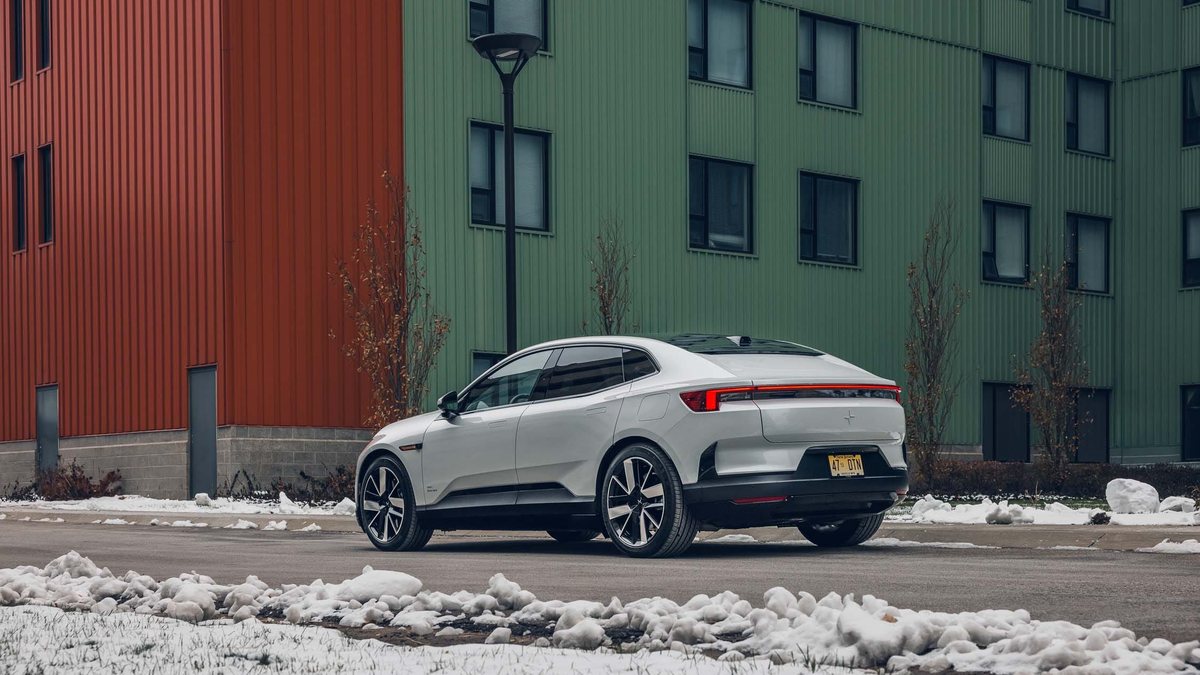
My advice: if you are looking at a Polestar in the United States, slow down and read the warranty and service terms before chasing a discount. Polestar leaving U.S. new-car sales from the 2027 model year may create tempting deals on existing inventory, but the real question is not whether the car is good. It is whether support, parts, software updates and resale confidence remain strong enough for your ownership plan.
Car and Driver reports that Polestar was denied authorization under the U.S. connected-vehicle rule and will wind down new-car sales in America after existing stock. The rule focuses on connected software and hardware linked to countries of concern. Polestar is headquartered in Sweden, but its parent company is China’s Geely. That ownership and software link is the issue, even though some Polestar production and brand identity sit outside China.
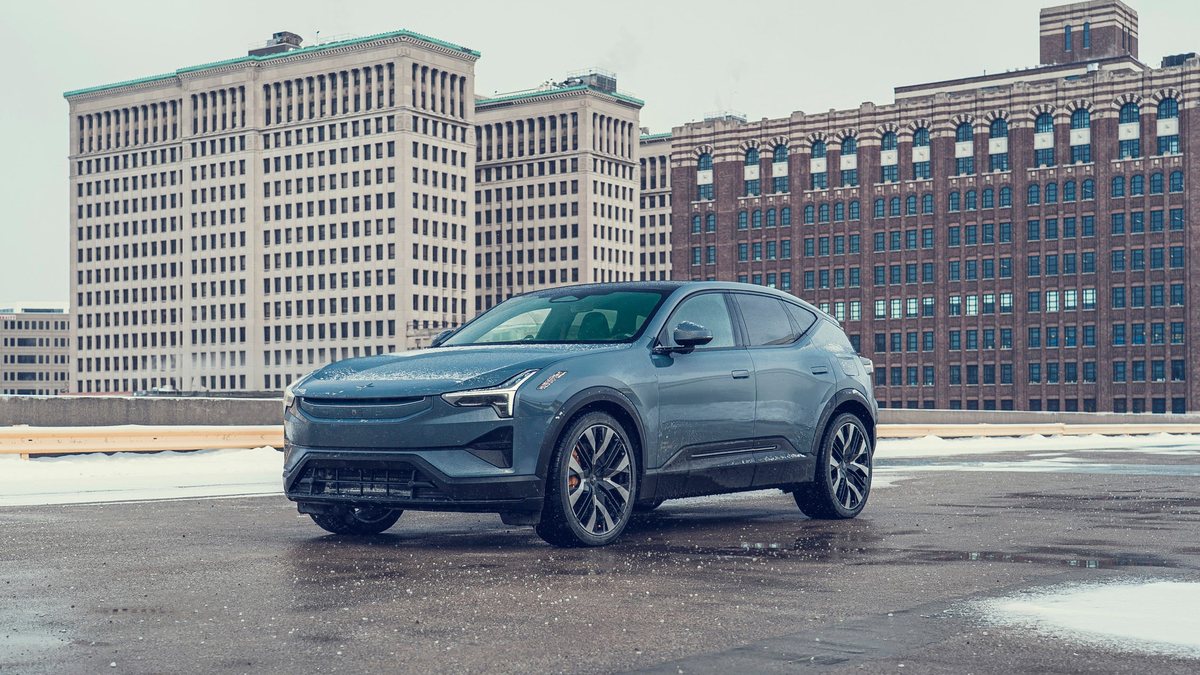
Quick takeaways for EV shoppers
- Polestar will not sell new vehicles in the U.S. from the 2027 model year unless the regulatory position changes.
- Existing U.S. owners are expected to keep warranty and service support, according to the company statement reported by Car and Driver.
- Canada remains open for Polestar sales, so the brand is not leaving North America entirely.
- The buyer risk is resale confidence, software continuity, parts flow and dealer-network strength.
Why this matters even outside America
This is not only a U.S. politics story. Modern EVs are connected devices with wheels, and governments are starting to treat software, sensors and data links as strategic hardware. Buyers in Southeast Asia should pay attention because import rules, data rules and service access can change faster than old mechanical-car habits suggest.
I would not assume every Chinese-linked EV brand faces the same outcome in every market. That would be lazy. But I would ask harder questions about cloud services, app support, over-the-air updates, navigation, battery diagnostics and who controls the software stack. Those questions matter whether you are considering Polestar, a Chinese EV, or a European brand using Chinese manufacturing and supplier technology.
What current Polestar owners should check now
If you already own a Polestar in the U.S., do not panic. The company says existing warranties remain in effect and that owners will continue to receive service access. That is good. Still, I would download warranty documents, save service records, confirm the nearest authorized service point and ask how long body panels, battery components, displays and drivetrain parts will be stocked.
The hidden risk is not that the car suddenly stops working. The hidden risk is friction. If a repair takes longer, if used-car shoppers become nervous, or if future software features skip the U.S. fleet, resale value can suffer. That is why I would document everything now, especially for leased cars or vehicles financed with a planned trade-in.
Should bargain hunters chase remaining inventory?
Maybe, but only with the right discount and the right temperament. A Polestar 3 or 4 can be a refined, interesting EV. A discounted one could be attractive for a buyer who plans to keep it long-term and lives close to service. It is less attractive for someone who changes cars every two years, depends on high resale value, or lives far from a Polestar service point.
My practical rule is simple: the discount must pay you for uncertainty. If the dealer talks only about monthly payment and not about service continuity, walk away. Compare the deal with more stable EV choices, including mainstream options like the Kia EV6 and newer entrants such as the Rivian R2. A lower price is not automatically a lower total ownership cost.
What Southeast Asia buyers can learn from this
Vietnam and nearby markets are open to many EV brands, but aftersales depth varies wildly. The Polestar case is a useful warning: software origin, corporate control and regulatory approval can affect a car long after the showroom handover. Before buying any imported EV, I would check diagnostic access, battery warranty execution, app availability, map support and whether independent workshops can even read the car properly. This is why I treat brand stability as part of EV value, not a separate business headline.
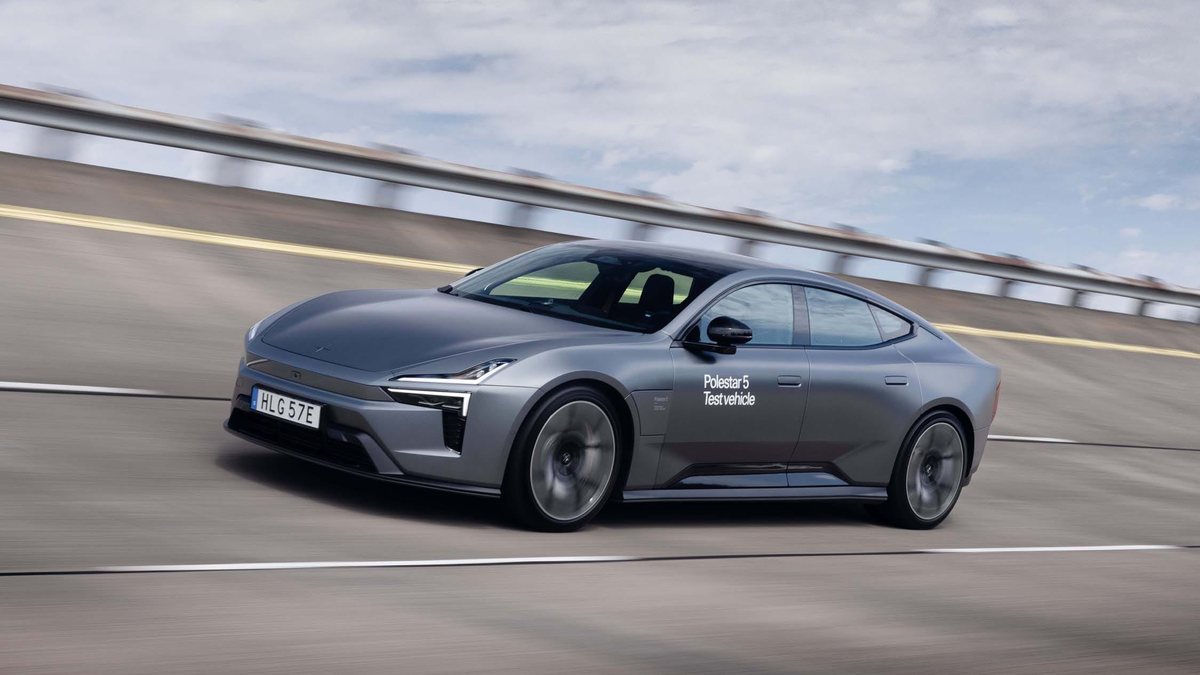
What I would check before buying or keeping one
- Written confirmation of warranty coverage and service access for your VIN.
- Nearest authorized service center and realistic appointment wait time.
- Parts availability for collision repair, battery service and charging hardware.
- Whether app, connected services and OTA updates remain available in your market.
- Lease-end and finance terms if residual values change.
- Insurance pricing after the brand’s U.S. exit becomes widely known.
FAQ
Will existing Polestar owners lose warranty coverage?
Based on the company statement reported by Car and Driver, existing warranties remain in effect and will continue according to their terms. I would still save that documentation for your specific car.
Does this mean Polestar cars are unsafe?
No. This is a connected-vehicle authorization and market-access issue, not a direct statement that existing Polestar vehicles are mechanically unsafe.
Should buyers outside the U.S. care?
Yes, because the decision shows how software origin, data systems and ownership structure can affect future vehicle availability and resale confidence.
My final recommendation
Polestar’s U.S. exit does not make every current car a bad buy, but it changes the math. My advice is to treat any remaining U.S. inventory as a specialist purchase, not a normal premium EV deal. Buy only if the discount is strong, service is convenient and you are comfortable owning through regulatory uncertainty.