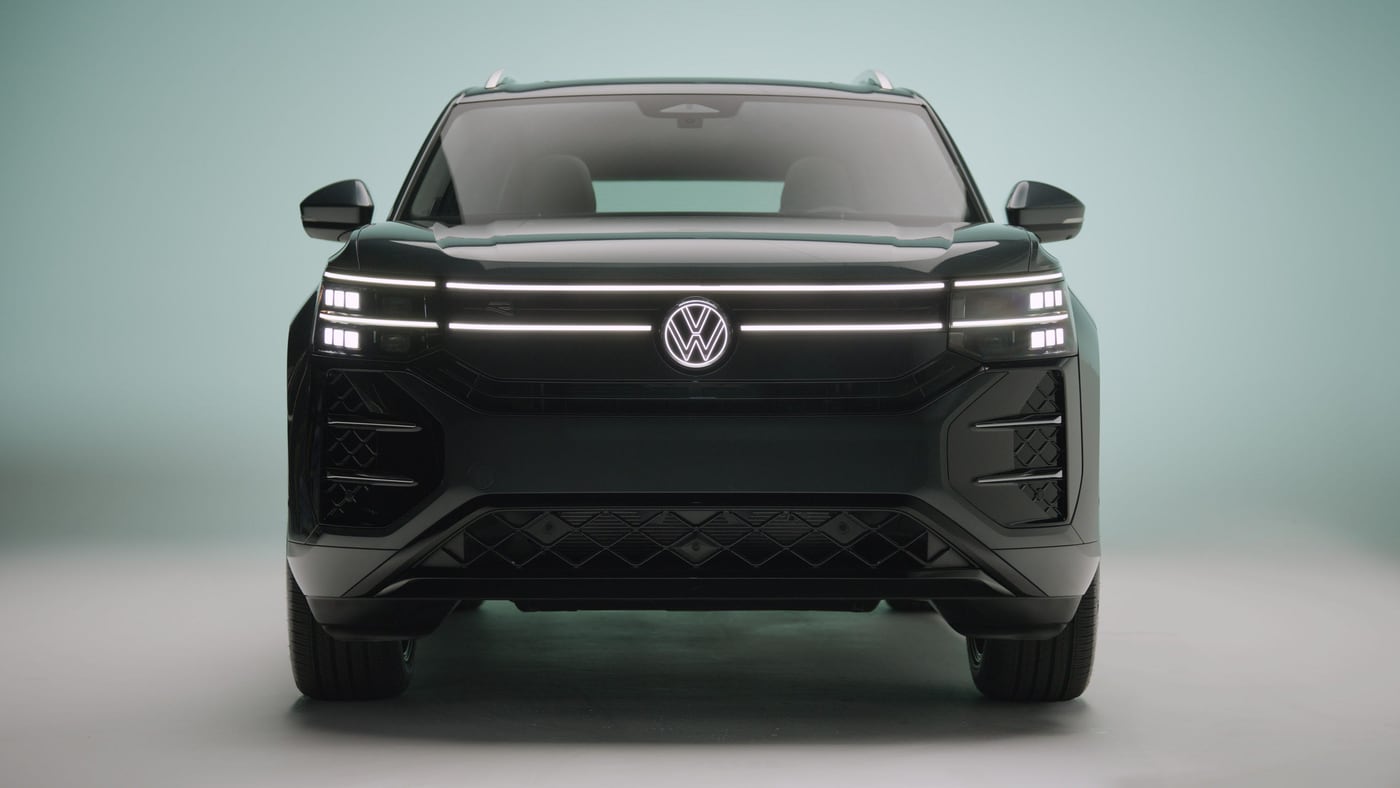
My advice: the 2027 Volkswagen Atlas is worth watching if you want a roomy three-row SUV that feels more premium than the badge suggests. I would not rush to buy the first loaded trim, though. The redesigned Atlas looks richer, gets a stronger turbo engine, and keeps the practical family-SUV shape, but the real ownership question is whether Volkswagen has fixed the parts buyers actually touch every day: controls, cabin durability, tire cost, and long-term service comfort.
Volkswagen showed the all-new Atlas ahead of the 2026 New York Auto Show, then folded it into the brand’s 2027 lineup update. Car and Driver reports the updated 2.0-liter turbo engine now makes 282 horsepower, 13 hp more than before, with an eight-speed automatic, front-wheel drive standard, all-wheel drive available, and a 5,000-pound towing rating. That is useful context, but I see the Atlas less as a spec-sheet story and more as a family-ownership story.
Why The 2027 Atlas Matters To Family Buyers
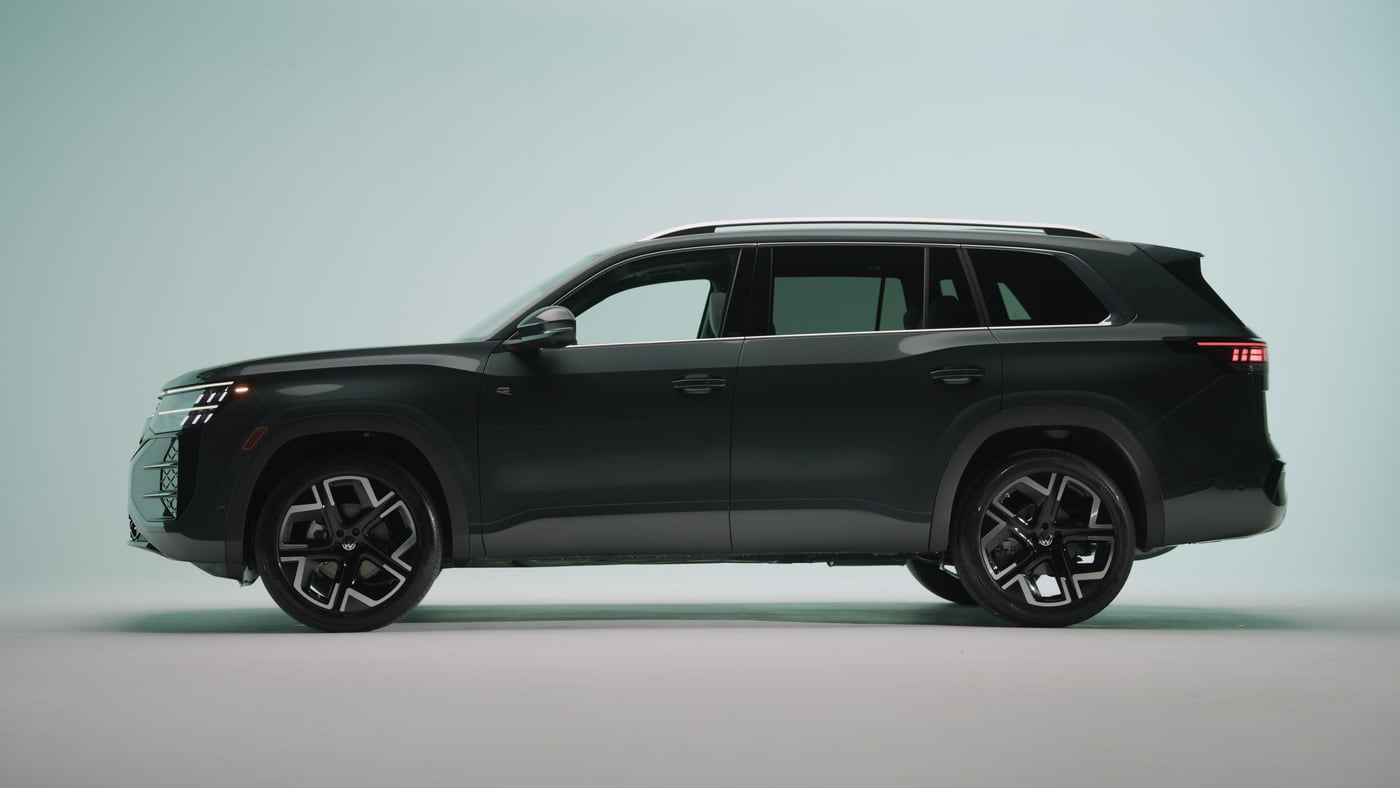
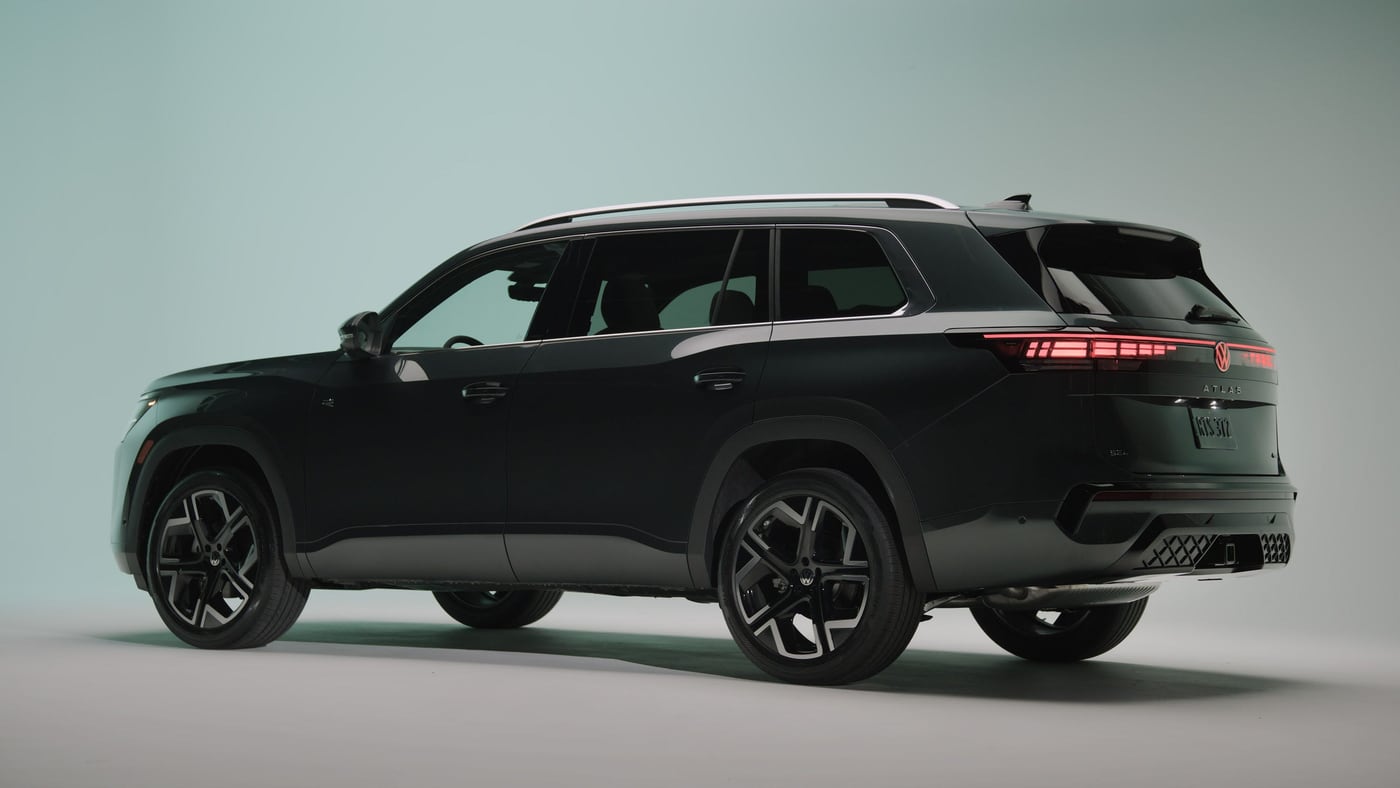
The Atlas has always won by being easy to understand. It is big, square, comfortable, and not trying too hard to be sporty. That matters for parents, expats, airport-run households, and anyone who regularly moves adults in the third row. The 2027 redesign keeps that basic strength while adding a more upscale cabin and cleaner exterior. On paper, that puts it closer to the emotional appeal of a premium SUV without jumping straight into luxury-brand pricing.
In my experience, big family SUVs fail buyers in boring ways. The third row is hard to reach. The screen is distracting. The second-row captain’s chairs feel great in the showroom but reduce flexibility. Big wheels look good but ride badly. The Atlas needs to be judged on those daily details, not only on the fact that it looks more expensive now.
The Power Upgrade Is Nice, But Not The Main Reason To Buy
The extra horsepower should help because a three-row SUV is often full of people, bags, strollers, sports gear, or airport luggage. I would test the Atlas with real passengers before deciding the engine is enough. Turbocharged four-cylinder engines can feel strong in short bursts and still sound busy when loaded in heat or climbing long grades.
The 5,000-pound towing rating is also useful, but I would treat it as a ceiling, not a lifestyle promise. If you tow in monsoon rain, mountain roads, or hot regional conditions, cooling margin, brake feel, tire load rating, and service intervals matter. A buyer who tows often should compare the Atlas with body-on-frame SUVs and larger hybrid options, not only other crossovers.
The Cabin Is The Real Test
Cars.com’s interior photo coverage highlights the richer cabin direction and the new infotainment emphasis. That is good if Volkswagen has made the interface calmer. It is bad if the vehicle buries too many family tasks behind screen taps. I would sit in the second row, adjust the vents, move the seats, fold the third row, connect phones, and change climate settings before the test drive even starts.
This is where the Atlas competes with practical three-row choices like the Hyundai Palisade Hybrid and the Subaru Ascent. The best family SUV is not the one with the biggest screen. It is the one that makes school runs, wet grocery loading, long trips, and parking-garage stress feel easier.
Southeast Asia Reality Check
For Vietnam, Thailand, or Cambodia, the Atlas is interesting but not automatic. It is large by local parking standards, it is not a cheap vehicle to import, and Volkswagen service depth varies by market. I would check local dealer support, turbo-engine parts availability, transmission-service guidance, ADAS calibration access, and tire sizing before falling in love with the design.
If you mostly drive in dense city traffic, a smaller hybrid SUV may be more rational. If you regularly carry six or seven people and value real cabin width, the Atlas makes more sense. I would also check whether the coming hybrid version Volkswagen has hinted at becomes a better long-term fit. In this region, fuel cost and resale anxiety can change the whole equation.
My Buyer Checklist
- Test the infotainment and climate controls with the car stationary and moving.
- Price replacement tires for the exact wheel size on the trim you want.
- Drive it loaded with passengers, not only solo around the block.
- Check third-row access, child-seat fit, cargo space with all seats up, and rear air-conditioning strength.
- Ask the dealer about turbo, transmission, camera, sensor, and screen repair costs after warranty.
- Compare the total price with hybrid three-row SUVs before choosing a high trim.
FAQ
Is the 2027 Volkswagen Atlas all-new?
Volkswagen describes it as an all-new 2027 Atlas, with a redesigned exterior and upgraded cabin while keeping the broad three-row SUV mission.
Does the 2027 Atlas have a hybrid?
Not at launch in the material I checked. Reports point to a hybrid later in the cycle, so fuel-sensitive buyers may want to wait for clearer timing.
Would I buy it for Southeast Asia?
I would consider it only with strong local service support and a real need for three rows. For mostly urban driving, a smaller hybrid SUV may be easier to live with.
My Final Recommendation
The 2027 Volkswagen Atlas looks like a smarter, richer version of a family SUV that already understood space. My recommendation is to shortlist it, but do the dull checks first: screen usability, loaded performance, tire prices, dealer support, and resale. If those pass, the Atlas could be a very good family bus. If they do not, the premium makeover will not save the ownership experience.