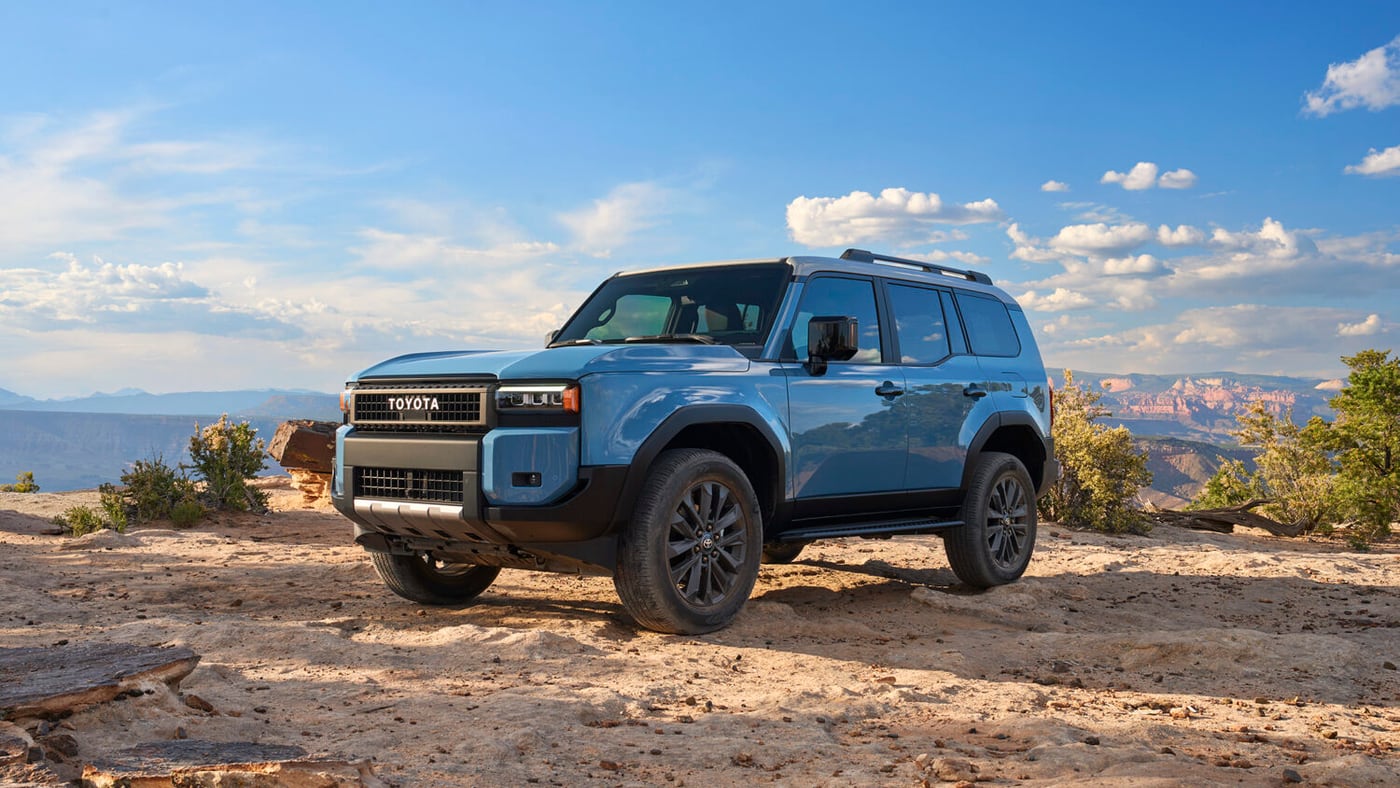
My advice: the 2027 Toyota Land Cruiser is not a cheap SUV, but it is one of the few expensive SUVs that can still make rational sense if you actually use its strengths. The update adds an available high-mounted air intake, heated and ventilated second-row outboard seats, and a new Inked exterior color. Those are not headline-grabbing changes. They are useful changes for buyers who want a hybrid 4WD that can handle family duty and rough-road travel.
Toyota says the 2027 Land Cruiser arrives with a 2.4-liter i-FORCE MAX hybrid powertrain, full-time 4WD, 326 net combined horsepower, 465 lb-ft of torque, and up to 6,000 pounds of towing capacity. Toyota’s press material lists a starting MSRP of $57,880 before destination details are handled in retail pricing. Edmunds and KBB both put the real shopping conversation around the high-$50,000 to mid-$60,000 range depending on trim and fees. That is serious money, so the buyer check has to be serious too.
Why The 2027 Changes Matter
The high-mounted air intake is the kind of feature that sounds rugged in a brochure but only matters if it is engineered and used correctly. It can help in dusty or water-prone travel, but it does not make a driver invincible. Wading depth, electronics, breathers, tires, speed, and recovery planning still matter. I would never treat a snorkel-style intake as permission to charge through floodwater.
The second-row comfort update may matter more for normal families. Heated and ventilated second-row outboard seats are not essential, but they make long trips easier in hot and humid countries. If children, parents, or clients ride in the back often, rear-seat comfort is not a luxury detail. It is part of ownership satisfaction.
The Hybrid Powertrain Is Strong, But Not Magic
I like Toyota’s decision to use a turbo hybrid four-cylinder because torque matters off-road and in traffic. The 465 lb-ft figure is the number I notice more than horsepower. It should make the Land Cruiser feel muscular at low speed and useful when loaded. But buyers should not confuse hybrid with cheap fuel bills. Car and Driver’s Land Cruiser coverage notes EPA ratings around 22 city, 25 highway, and 23 combined, with its own highway test returning lower than the official highway figure.
That is still respectable for a capable 4WD SUV, but it is not compact-hybrid efficiency. If your daily life is school runs and city commuting, a softer hybrid crossover may be cheaper to run. If your life includes bad roads, construction sites, remote trips, towing, or serious weather, the Land Cruiser’s hardware starts to justify itself.
Southeast Asia Ownership Reality
In Vietnam, Cambodia, Laos, and Thailand, the Land Cruiser name carries weight for a reason. People trust it because older Land Cruisers survived ugly conditions. But modern hybrid Land Cruisers are not old mechanical trucks. They have sensors, battery hardware, turbo plumbing, ADAS systems, screens, and calibrated electronics. That means the service network matters as much as the badge.
I would check local hybrid-trained technician availability, parts supply, insurance pricing, battery warranty handling, and whether the dealer can calibrate cameras and safety systems after body repairs. This is especially important if the vehicle will travel far from big cities. A simpler pickup-based SUV may be less refined, but easier to repair in remote areas.
Land Cruiser Or Luxury Three-Row SUV?
The current Land Cruiser is a five-seat SUV in U.S. form, so do not buy it as a full three-row family hauler. If you need six or seven seats, compare it with vehicles like the Hyundai Palisade Hybrid, the Subaru Ascent, or a larger Toyota SUV where available. The Land Cruiser is for buyers who value toughness, ground clearance, towing, and resale confidence more than maximum seating.
I would also compare it with the Lexus GX if local pricing makes them close. The Toyota may be the more honest tool. The Lexus may offer more cabin polish. For buyers who will scratch, tow, camp, and drive rough roads, I would lean Toyota. For mostly city luxury duty, the Lexus argument gets stronger.
What I Would Check Before Buying
- Final transaction price including destination, local taxes, duties, registration, and insurance.
- Hybrid battery, turbo, inverter, 4WD, and towing warranty details.
- Availability of tires in the factory size during travel.
- Real fuel use in city heat, not only official combined ratings.
- Rear-seat comfort and cargo space with the family onboard.
- Whether the high-mounted air intake is factory, warrantied, and properly installed.
- Dealer ability to service the vehicle outside the capital or main city.
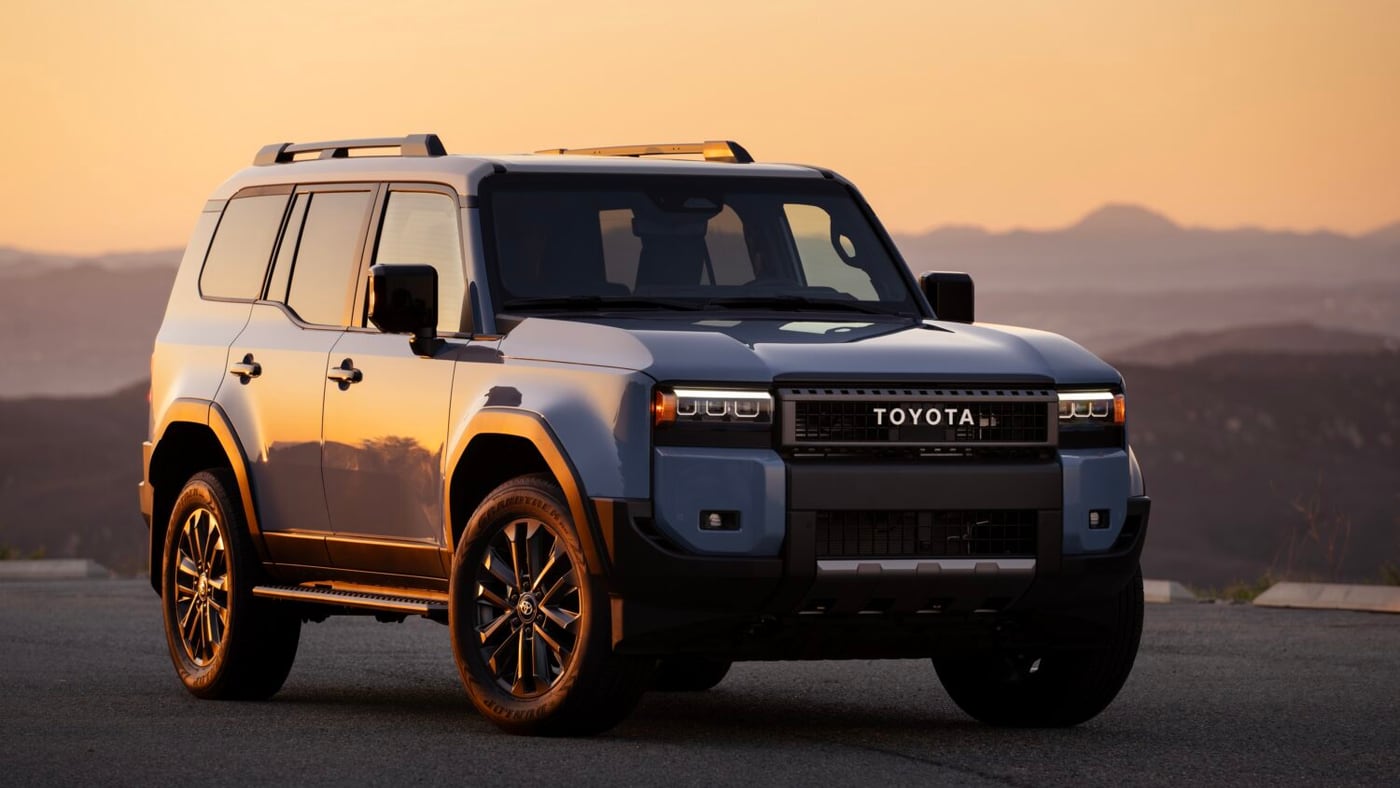
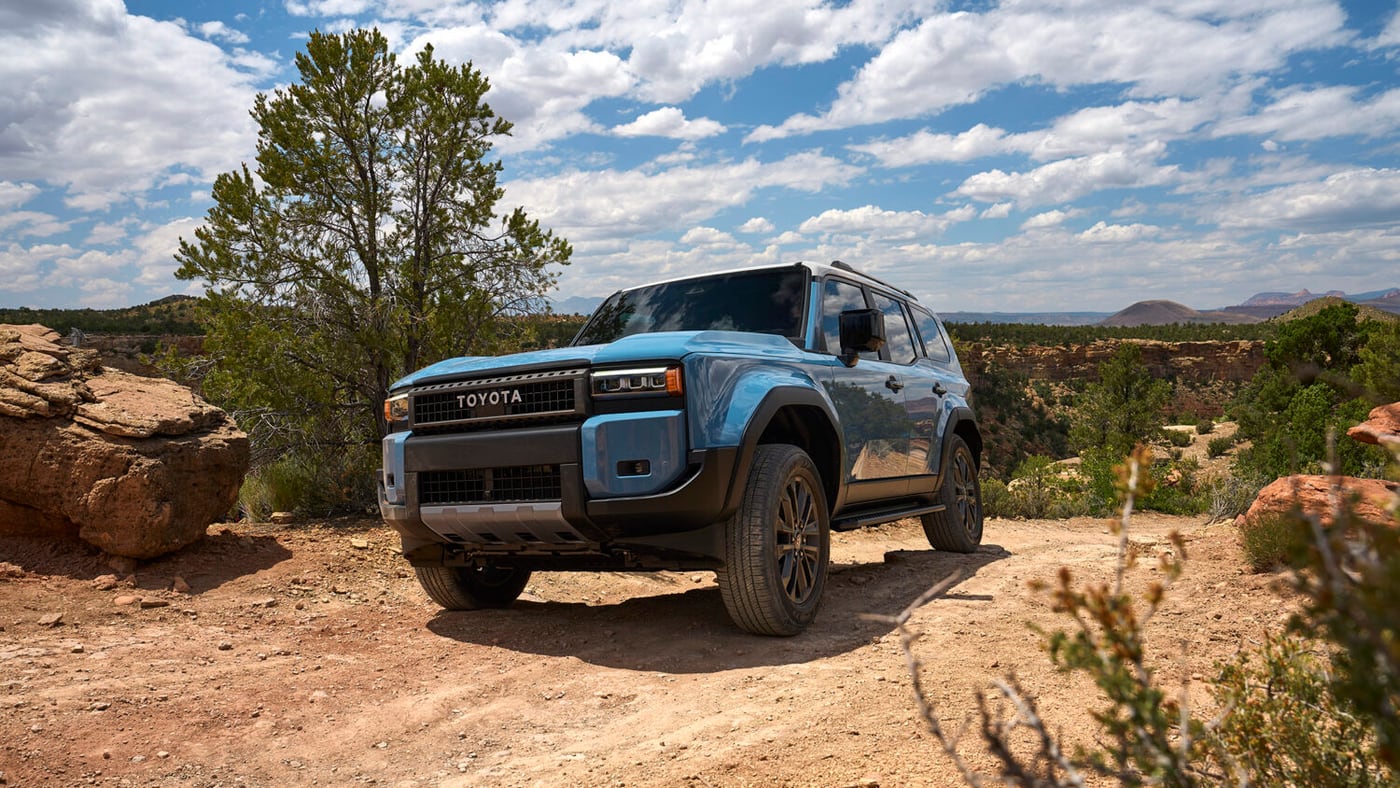
FAQ
Is the 2027 Land Cruiser a full hybrid?
It uses Toyota’s i-FORCE MAX turbo hybrid system. I would treat it as a torque and efficiency helper, not as an EV-style driving experience.
Is it good for flooding?
It can be more capable than normal crossovers, especially with proper equipment, but no vehicle should be driven blindly into floodwater. Electronics, current, depth, and hidden road damage can still destroy a trip.
Should I buy the base 1958 trim?
I would consider it if you want the Land Cruiser hardware without paying for every comfort item. Just make sure you are not deleting features your family will miss daily.
My Final Recommendation
The 2027 Toyota Land Cruiser is a strong buy only for the right owner. My recommendation is to buy it for capability, durability confidence, and rough-road use, not for image alone. If you mostly need a comfortable city family SUV, there are cheaper and more efficient choices. If your life genuinely needs hybrid torque, full-time 4WD, towing ability, and Toyota’s Land Cruiser support story, the 2027 update makes the package more livable.
Need a larger three-row Toyota? Compare this Land Cruiser with the 2027 Toyota Sequoia Trailhunter buyer guide, especially if factory overlanding hardware and family space matter more than compact trail dimensions.