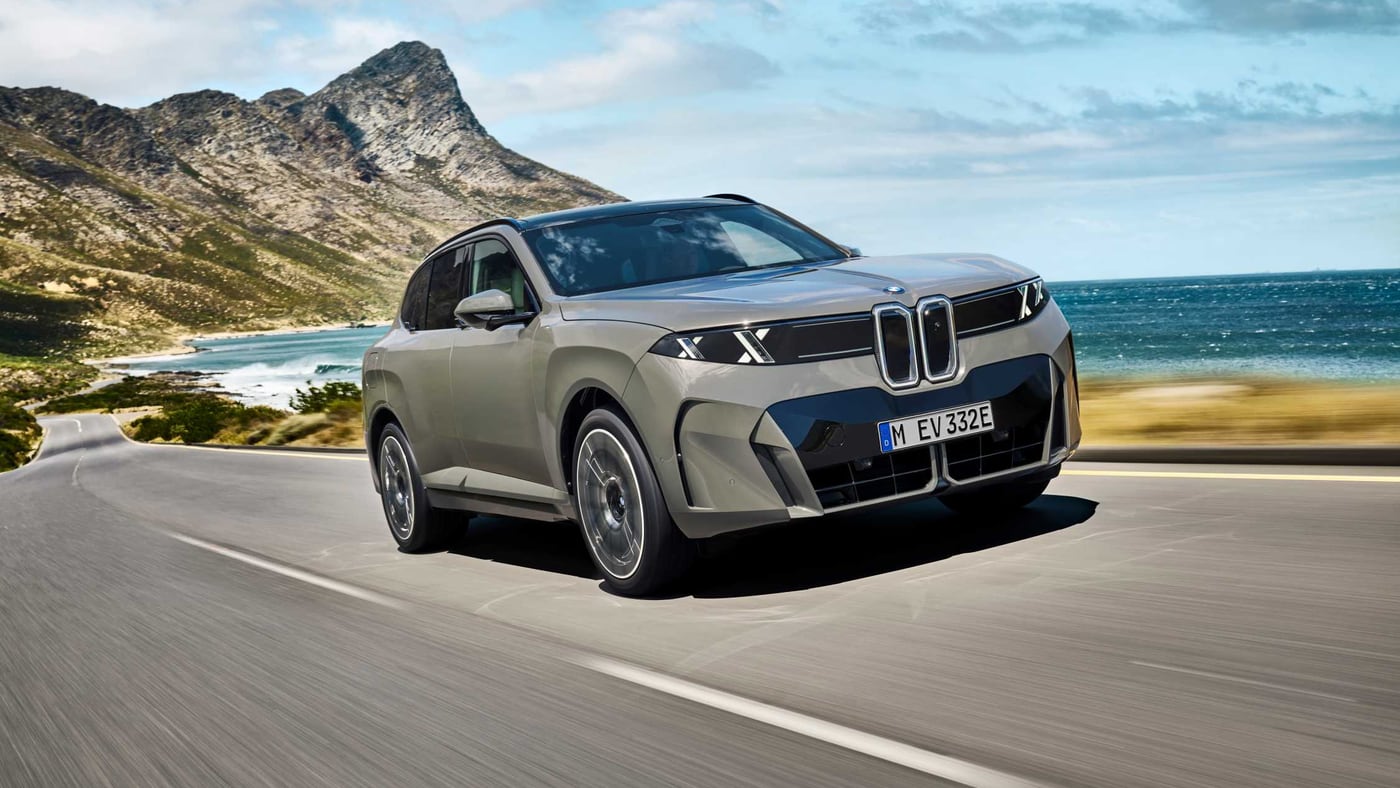
My advice: the 2027 BMW X5 and first electric iX5 are exciting, but I would not treat the broad powertrain menu as automatic good news. Choice is useful only if the buyer is honest about charging access, local service depth, tire cost, battery warranty, resale, and how much long-distance driving the car will actually do.
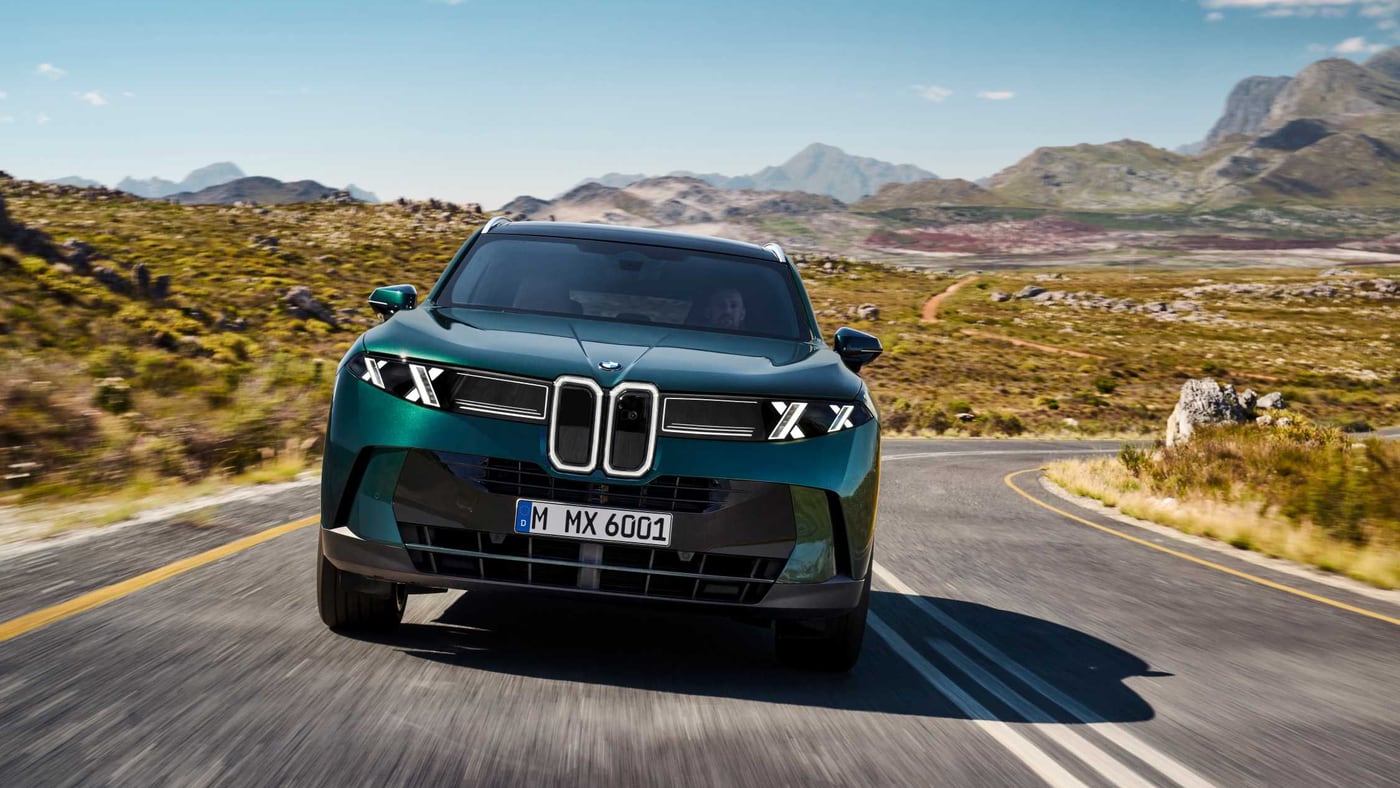
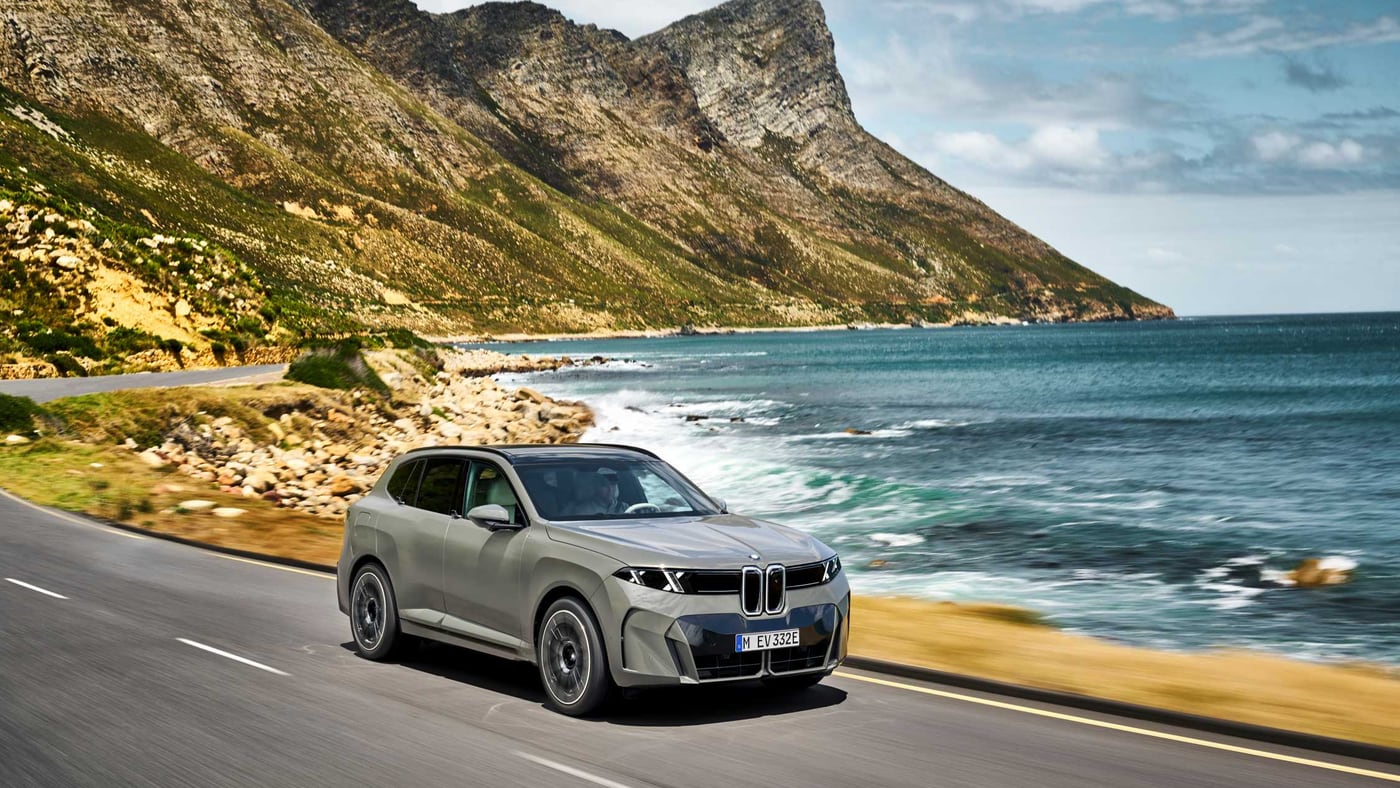
BMW says the new fifth-generation X5 will offer combustion engines with 48V mild-hybrid technology, a plug-in hybrid X5 50e xDrive, the battery-electric iX5 60 xDrive, and later a hydrogen fuel-cell iX5. The U.S. press material lists the iX5 at an estimated 435 miles of range, 800-volt technology, bidirectional charging, and a $79,800 starting price before destination. The X5 50e plug-in hybrid starts at $77,500 and is estimated at up to 44 miles of electric range.
Why The Powertrain Menu Is The Story
Most luxury SUVs ask a simple question: gasoline or electric. BMW is making the X5 more complicated. That is not a problem for informed buyers, but it can become an expensive trap for people who choose the most futuristic version without matching it to their real life. I would start with the week, not the brochure.
If you have reliable home charging and mostly drive predictable routes, the iX5 is the headline. If you live in a condo, travel across provinces, or depend on inconsistent public charging, the plug-in hybrid may be the smarter compromise. If you want long-range simplicity and familiar service, the mild-hybrid inline-six still has a strong argument. The hydrogen version is fascinating, but for Southeast Asia buyers it is mostly a future technology signal until refueling infrastructure becomes real.
The iX5 Looks Strong, But Check Charging Reality
The electric iX5 sounds like the technical hero. BMW quotes preliminary range, fast charging, an 800-volt architecture, and bidirectional capability. Those are serious numbers. My concern is not whether the technology is impressive. My concern is whether owners in Vietnam, Thailand, or Cambodia can use enough of it to justify the price and complexity.
Before ordering, I would check the installed home charger cost, building approval, cable routing, public charger reliability, dealer battery diagnostic ability, and whether the warranty covers heat-related degradation clearly. In tropical climates, battery cooling, parking conditions, and charging habits matter. A luxury EV that spends too much time waiting for a suitable charger quickly stops feeling luxurious.
The Plug-In Hybrid May Be The Practical Sweet Spot
The X5 50e xDrive has a useful argument because BMW lists 483 hp, 516 lb-ft of system torque, and up to 44 miles of electric range. That can cover many school runs, office commutes, and urban errands without using much fuel, while still keeping gasoline range for weekends and poor charging areas.
But plug-in hybrids are only good when owners plug them in. I would not buy the 50e if it will be used like a normal gasoline SUV. You carry the weight and cost of the battery without getting the benefit. I would also ask what the local dealer charges for hybrid-system diagnostics after warranty. Premium plug-in hybrids can be wonderful cars, but neglected charging habits turn them into heavy fuel burners.
Cabin Tech Needs A Usability Test
BMW’s new cabin brings Panoramic Vision, a large central display, and a more software-led interface. I like clear digital information, but I am cautious about luxury cars that move too many routine controls into screens. In my experience, the test is simple: can you change temperature, audio, cameras, drive mode, navigation, and seat settings without staring away from the road?
This matters in Southeast Asia because traffic is dense, motorbikes move unpredictably, and rain can turn a simple commute into sensory overload. A beautiful screen is not enough. It has to be quick, readable, and stable. Buyers who liked older BMW physical controls should spend real time with the new interface before signing.
Ownership Costs I Would Not Ignore
BMW says the new X5 gets standard 21-inch wheels, with 22- and 23-inch options available. I would be careful here. Big wheels look fantastic but can punish ride comfort, tire availability, and pothole survival. A premium SUV with rare tires is annoying on a long trip. It is worse in markets where replacement choices are limited.
I would also compare insurance by powertrain. An iX5 battery pack, plug-in hybrid components, adaptive suspension, active safety sensors, and electronic door hardware can all change repair cost. For buyers cross-shopping EVs, the global electric car brand landscape matters less than the local service network that will support the exact car.
What I Would Check Before Buying
- Home charging approval, wallbox cost, and daily charging convenience for the iX5 or X5 50e.
- Battery, inverter, charging hardware, and hybrid-component warranty terms in your market.
- Dealer ability to service high-voltage systems, software issues, adaptive suspension, and driver-assistance sensors.
- Replacement tire price for 21-, 22-, and 23-inch wheels.
- Resale expectations for gasoline, plug-in hybrid, and electric versions after five years.
- Whether the new screen interface is easy during rain, night driving, and heavy traffic.
FAQ
Should I choose the BMW iX5 or X5 50e?
I would choose the iX5 only with reliable charging and strong EV service support. The X5 50e is safer for buyers who want electric commuting but still need gasoline flexibility.
Is the mild-hybrid X5 outdated now?
No. For buyers who travel far, lack charging, or value simple refueling, the inline-six mild-hybrid can still be the calmest ownership choice.
Does the hydrogen iX5 matter for buyers now?
Mostly as a future signal. Unless a market has real hydrogen stations and support, I would not plan a purchase around it yet.
My Final Recommendation
The 2027 BMW X5 lineup is impressive because it gives buyers real powertrain choice. My recommendation is to be boring before being excited: map your charging, service, tires, warranty, and resale first. If the iX5 support is real, it could be the most interesting version. If not, the X5 50e or even the mild-hybrid six may be the smarter luxury SUV to own.