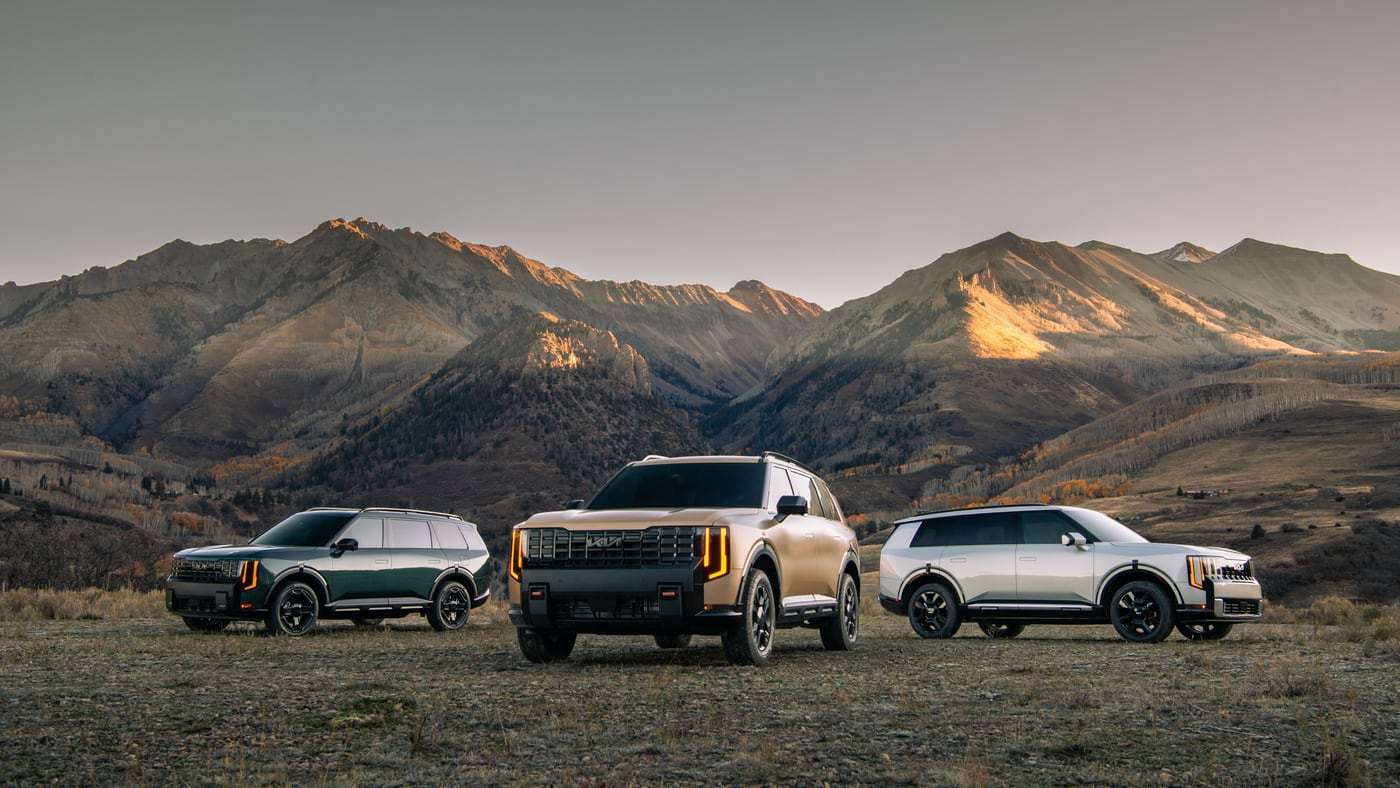
My advice: the 2027 Kia Telluride Hybrid may be the Telluride I would look at first, but only if the hybrid premium, warranty, and local service network make sense. A three-row SUV that returns strong fuel economy can be a gift for families in Southeast Asia. A complicated imported hybrid with weak support can become a headache.
Kia says the first-ever Telluride Hybrid starts below $47,000 in FWD EX form, uses a turbo hybrid powertrain, and has an EPA-estimated 35 mpg combined rating with a total driving range of 637 miles on the EX FWD trim. Kia also positions the second-generation Telluride as a larger, more refined flagship with available X-Pro capability and a choice of 7- or 8-passenger seating.
Why The Hybrid Version Matters
The Telluride was already popular because it looked expensive, felt roomy, and did family duty without needing a luxury badge. The missing piece was fuel economy. A big three-row SUV can become painful when it spends most of its life in traffic, especially with air-conditioning running hard. That is why the hybrid version changes the buyer calculation.
For Vietnam, Thailand, and Cambodia, the hybrid idea is sensible. Family SUVs here often do short city runs, school pickups, airport trips, and weekend highway drives. Those are the exact situations where a well-tuned hybrid can reduce fuel use without asking owners to plan charging stops. Compared with a pure EV three-row SUV, the Telluride Hybrid also avoids the charging anxiety that still affects many apartment and provincial-road users.
The Fuel Math Needs Local Prices
I would not buy the Telluride Hybrid just because the EPA number looks good. I would calculate the price gap against the gasoline Telluride, expected kilometers per year, local fuel price, and resale. If the hybrid costs much more in your market, the payback may take years. If tax rules favor hybrids or fuel is expensive, the math improves.
The hybrid also has a different risk profile. It can save fuel, but it adds battery, inverter, cooling, and high-voltage service considerations. I would ask for written warranty terms, technician training, diagnostic availability, and parts lead time. A family SUV should make life easier, not trap the owner in a service queue.
Three-Row Packaging Is Still The Core Test
Before talking about technology, I would load the Telluride like a real family. Put adults in the first two rows, place a child seat where you actually need it, climb into the third row, and see if luggage still fits. Three-row SUVs often look huge outside and then surprise buyers with tight cargo space behind the last row.
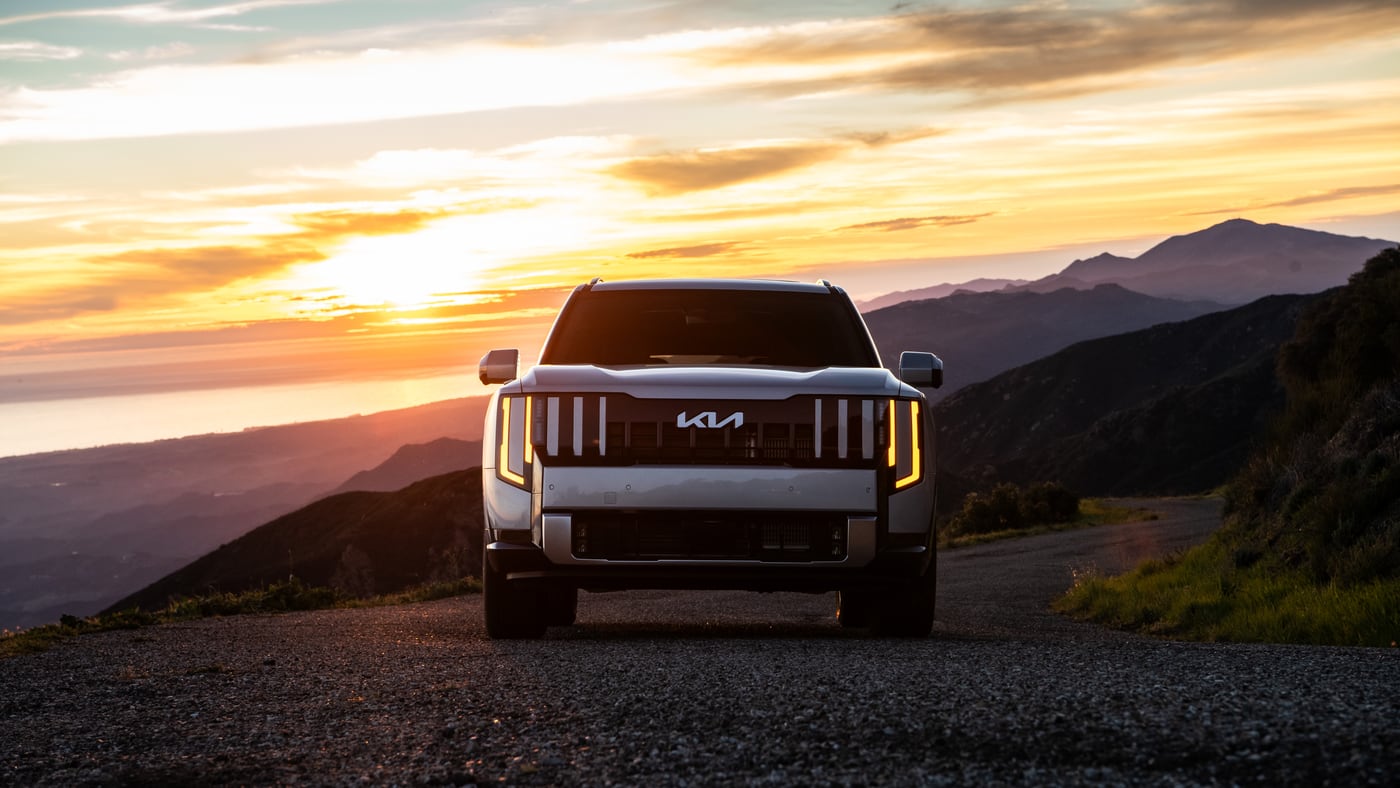
Kia’s broader Telluride pitch is refinement and flexibility, but the buyer test is physical. Can grandparents enter easily? Does the third row have enough ventilation? Can the second row slide without drama? Does the tailgate clear a low garage? These details matter more than a hero photo on a coastal road.
If you are cross-shopping Hyundai and Kia three-row hybrids, I would also compare this Telluride with the 2026 Hyundai Palisade Hybrid. They may share group engineering logic, but pricing, warranty, dealer treatment, seating feel, and resale can differ by market.
Ride, Tires, And X-Pro Temptation
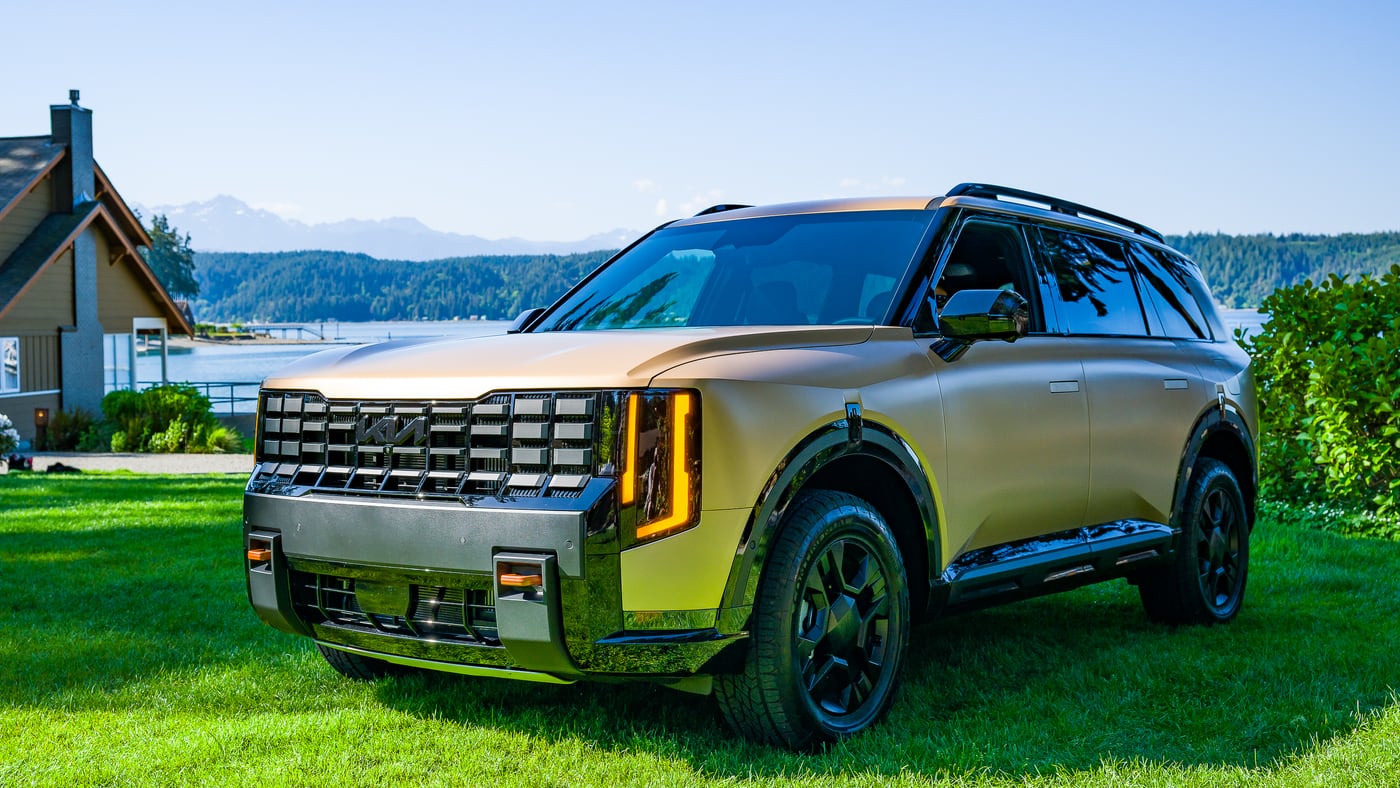
Kia is also pushing expanded X-Pro capability on the new Telluride family. I like the idea for buyers who actually drive to campsites, muddy farms, beaches, or mountain roads. I would be cautious if the SUV will mostly live in a city. Rugged trims can add tire noise, replacement cost, and styling drama without improving your daily life.
For a family hybrid, I would usually choose comfort, visibility, parking cameras, and sensible tire size over off-road theater. The Telluride is already a large vehicle. Big wheels and aggressive tires may look good but can punish ride quality on broken pavement. I would drive the exact trim over speed bumps and rough roads before choosing.
Technology And Safety Checks
A modern three-row SUV is also a rolling electronics platform. I would test the infotainment, phone pairing, rear-seat USB ports, camera resolution, lane assistance, adaptive cruise, and blind-spot warnings. In Southeast Asia, driver-assistance systems must deal with motorbikes, unusual lane discipline, faded markings, and sudden rain. A system that works on a clean U.S. highway may feel nervous here.
I would also ask how software updates are handled. If a screen, camera, or driver-assist fault appears, does the local dealer have the toolchain and parts? This matters for Kia just as it does for other tech-heavy family vehicles such as the EV6.
What I Would Check Before Buying
- Hybrid price premium versus gasoline Telluride after taxes and dealer charges.
- Real annual fuel savings based on your mileage and fuel price.
- Battery, inverter, and hybrid cooling warranty in writing.
- Third-row comfort, child-seat access, cargo space, and rear air-conditioning strength.
- Replacement tire price for the exact trim you want.
- Dealer support for software, safety sensors, hybrid diagnostics, and body parts.
FAQ
Is the Telluride Hybrid better than the gasoline Telluride?
It can be better for high-mileage family use and traffic-heavy driving. If the hybrid premium is too high or service support is weak, the gasoline model may still be easier to own.
Should I buy the X-Pro version?
I would buy X-Pro only if you use rough roads often. For city families, a comfort-focused trim with sensible tires is usually smarter.
Is a three-row hybrid better than a three-row EV?
For many Southeast Asia buyers, yes. A hybrid avoids charging dependency while still reducing fuel use, especially when home charging is not easy.
My Final Recommendation
The 2027 Kia Telluride Hybrid is the kind of family SUV idea I like: practical, efficient, and not dependent on charging infrastructure. My recommendation is to shortlist it, then force the numbers to prove themselves. If the warranty, service, third-row packaging, and fuel payback are strong, it could be the best Telluride to own. If not, the hybrid badge alone is not enough.