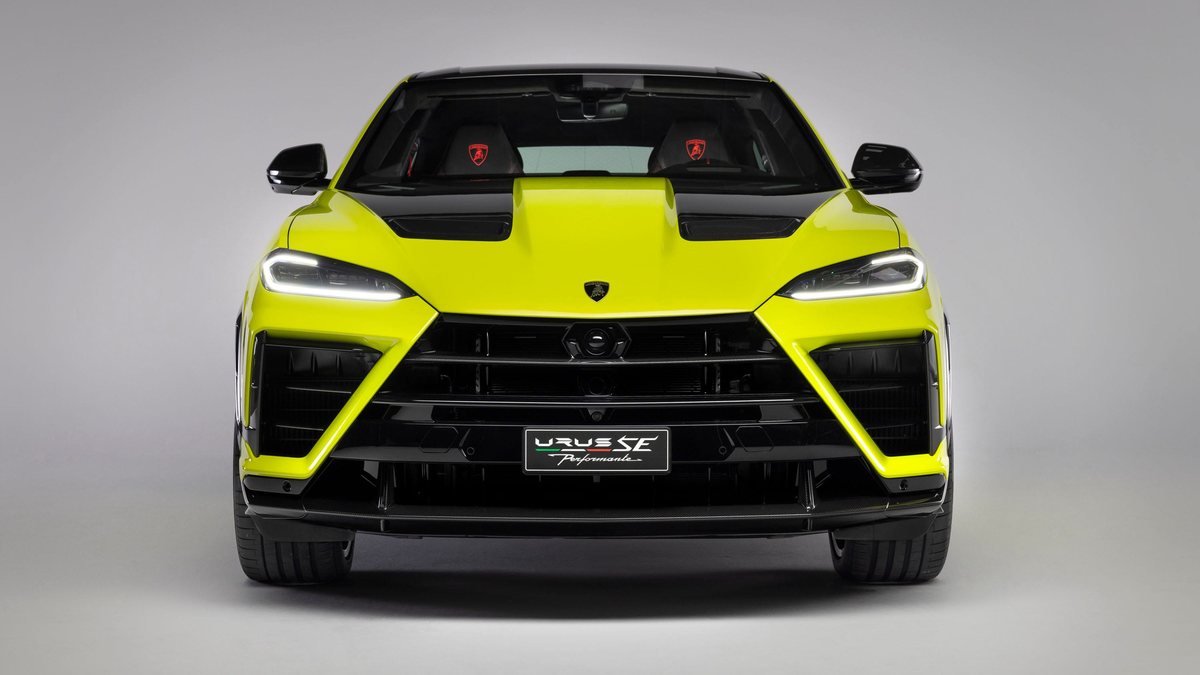
My advice: the 2027 Lamborghini Urus SE Performante is the version to want if you already planned to buy the plug-in hybrid Urus and care about driving feel, but I would not buy it because of the horsepower number alone. This is still a heavy, complex, expensive super-SUV. The smart buyer checks ride comfort, tire cost, charging habits, warranty terms, and resale risk before getting distracted by carbon fiber.
Car and Driver reports that the Urus SE Performante uses a twin-turbo 4.0-liter V8 and electric motor for 801 hp and 737 lb-ft of torque, with a claimed 0-62 mph time of 3.3 seconds. The same report notes a 26-kWh battery, more than 30 miles of electric-only range, retuned transmission behavior, upgraded braking, more carbon fiber, and a new dual-chamber air suspension. MotorTrend adds that the plug-in hardware gives more than 37 miles of EV driving under Lamborghini’s claim. Those are serious numbers, but ownership is where the real test begins.
Quick takeaways before chasing the allocation
- The SE Performante is a higher-performance plug-in hybrid Urus, not a return to the old gas-only Performante formula.
- Output rises to about 801 hp, and Lamborghini claims 0-62 mph in 3.3 seconds.
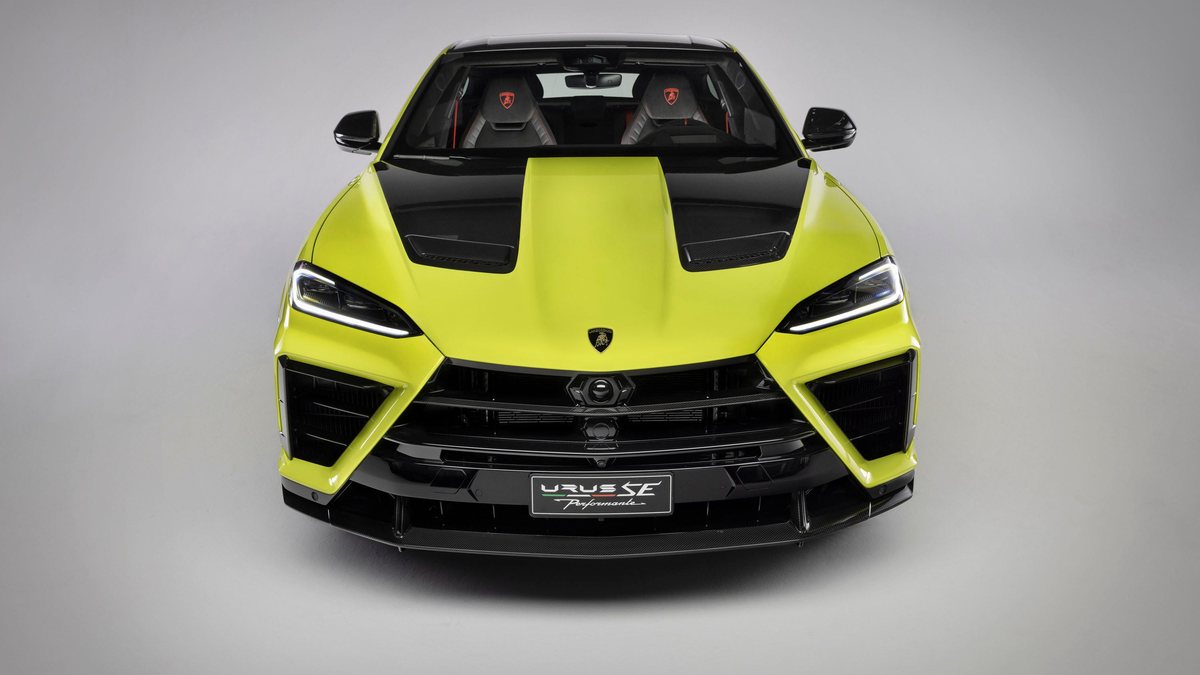
- New suspension, braking, aero, carbon-fiber body parts, and a Rally mode separate it from the regular Urus SE.
- My practical concern is whether the upgrades make sense for how the SUV will actually be used.
The power is impressive, but not the whole story
At this level, acceleration is not the limiting factor. Any modern Urus is already absurdly quick for a family-shaped vehicle. What matters more is how the Performante manages weight, braking, heat, ride quality, and repeated hard use. Lamborghini’s new dual-chamber air suspension sounds promising because the previous gas Performante leaned hard into aggression. If the new setup really reduces body roll while improving comfort, that is a meaningful upgrade.
I would still test the car on bad pavement before buying. Southeast Asia roads can expose luxury performance SUVs quickly: expansion joints, monsoon-damaged asphalt, hotel ramps, steep driveways, and rough provincial roads punish low-profile tires and stiff suspension. A super-SUV that feels brilliant on smooth roads can become tiring when used like a normal SUV.
PHEV ownership needs an honest charging routine
The plug-in hybrid system gives the Urus a useful quiet-running mode, and that can matter in cities, gated communities, and hotel entrances. But a PHEV only makes sense if you charge it. If the owner never plugs in, the vehicle is just carrying expensive battery hardware while using the V8 for most trips.
My rule is simple: before buying a PHEV performance SUV, install the charger or confirm reliable charging at home, office, or a trusted building. Do not assume public charging will suit a Lamborghini owner’s daily schedule. If you want electric practicality first, look at dedicated EV SUVs and the broader luxury-EV lessons from the three-row EV family buyer check. If you want sound, drama, and speed with some electric flexibility, the Urus makes more sense.
Carbon fiber and aero are not free ownership upgrades
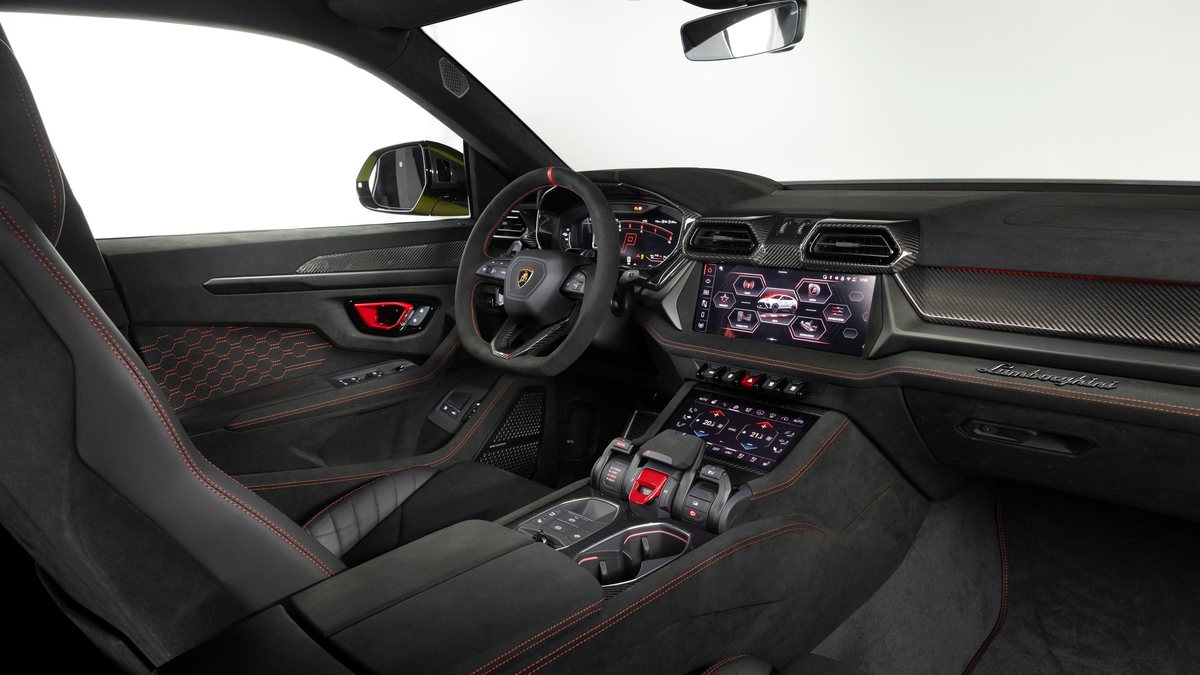
Carbon-fiber bodywork, a titanium exhaust, massive brakes, and specialized tires are part of the appeal. They are also part of the bill. I would price front splitter, wheel-arch, diffuser, brake, and tire replacement before delivery. In cities with steep entrances and tight underground parking, a gorgeous carbon piece can become an expensive consumable.
The same applies to brakes. Lamborghini’s upgraded braking system may be wonderful on a mountain road, but the owner should understand pad, rotor, and tire cost. If the car will mainly do luxury commuting, airport runs, and weekend restaurant duty, a regular Urus SE may offer most of the experience with less anxiety.
Who should buy the Performante instead of the regular SE?
I would recommend the Performante to a buyer who drives quickly, understands tire and brake cost, has real charging access, and wants the sharpest Urus because they will actually feel the difference. I would not recommend it to someone who mainly wants the most expensive badge. The regular SE is already fast and more than dramatic enough for most owners.
For Southeast Asia, I would also ask about dealer allocation, warranty handling, hybrid-system diagnostics, and battery cooling support. Heat is not automatically a problem for a well-engineered Lamborghini, but unsupported complexity is always a problem. The buyer should know where the car will go when a warning light appears, not just where it will be photographed.
What I would check before buying
- Confirmed local warranty support for the hybrid battery, electric motor, inverter, and charging system.
- Home or office charging installation before delivery.
- Replacement cost for tires, carbon-fiber exterior parts, brakes, and suspension components.
- Ride comfort on poor roads, steep ramps, and speed bumps.
- Insurance terms for carbon-fiber bodywork and high-voltage hybrid components.
- Whether the regular Urus SE delivers enough performance for less ownership stress.
FAQ
Is the 2027 Urus SE Performante fully electric?
No. It is a plug-in hybrid that combines a twin-turbo V8 with an electric motor and a battery that can provide limited electric-only driving.
Is it faster than the regular Urus SE?
Lamborghini gives the Performante more output and performance-focused hardware. Car and Driver reports a claimed 0-62 mph time of 3.3 seconds.
Would I buy it for daily use?
Only if I had smooth regular routes, charging access, strong dealer support, and a budget for tires, brakes, insurance, and carbon-fiber repair.
My final recommendation
The 2027 Lamborghini Urus SE Performante is compelling because it tries to make the hybrid Urus sharper without abandoning daily usability. My advice is to buy it for the complete chassis, braking, and suspension package, not for the headline number. If you will not charge it, test it hard, or maintain it properly, the regular Urus SE is probably the more rational super-SUV.