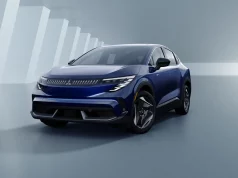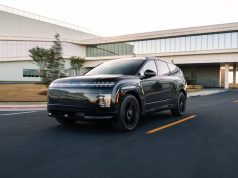
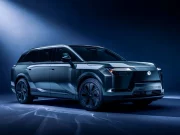


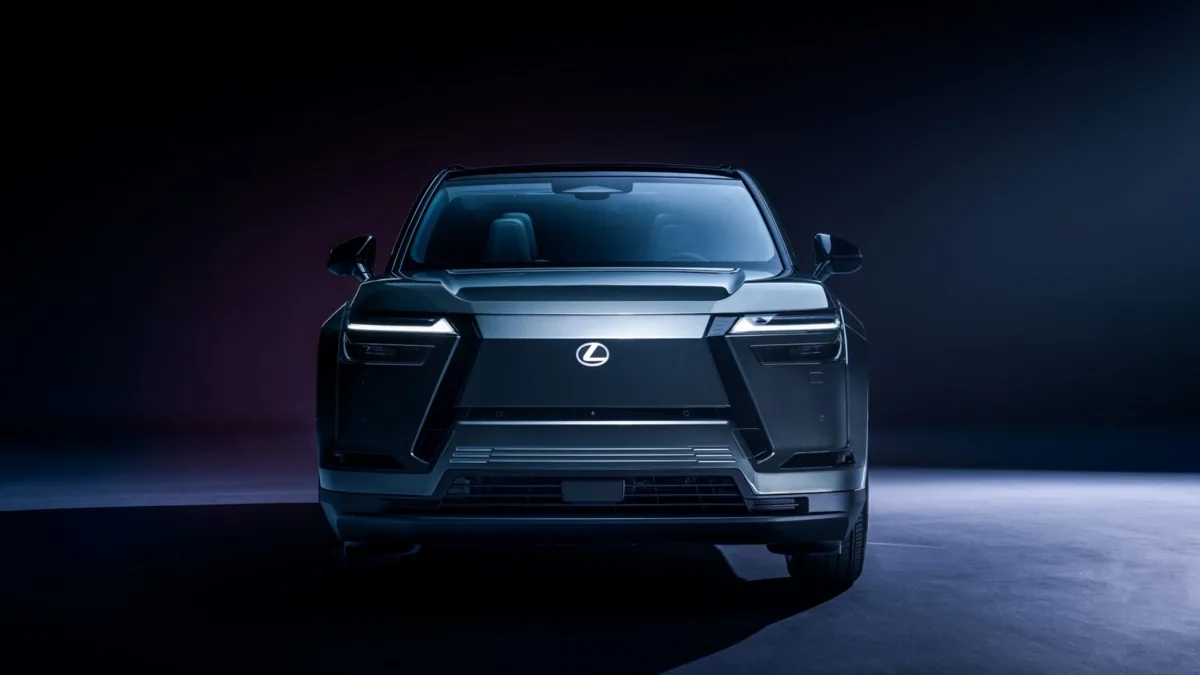
My advice: do not look at the 2027 Lexus TZ as merely a Lexus-badged electric SUV. Look at it as a very expensive family transport decision where charging access, third-row comfort, tire cost, and final pricing matter more than the badge. Lexus has revealed enough to make the TZ interesting, but not enough for me to tell a buyer to place an order blind.
The TZ is important because Lexus is finally moving into the electric three-row space, the same family zone now occupied by the Hyundai Ioniq 9, Kia EV9, Volvo EX90, and several luxury EVs that promise comfort before drama. For Southeast Asia buyers watching from Vietnam, Singapore, Thailand, or Cambodia, the bigger question is not whether the TZ looks premium. It is whether the battery, cabin cooling, charging standard, and local service network will match the price Lexus will ask.
Quick Takeaways
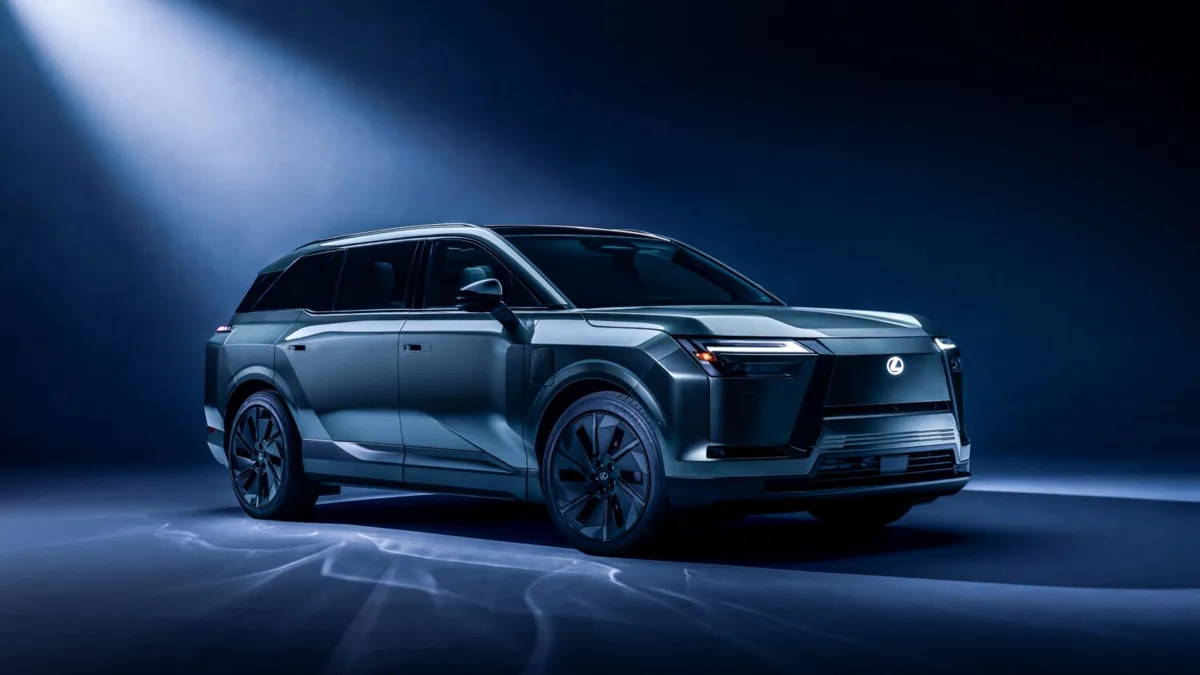
- The TZ is Lexus’ first three-row all-electric SUV and is expected to go on sale at the end of 2026.
- Lexus says select grades target a manufacturer-estimated 300 miles of range.
- DIRECT4 all-wheel drive is standard, and Lexus lists two battery options: 76.96 kWh and 95.82 kWh.
- The U.S. model uses the NACS charging port, which matters for road-trip access.
- Pricing and grades were still not announced in Lexus’ June 25, 2026 update, so value is the unresolved issue.
What The Lexus TZ Really Changes
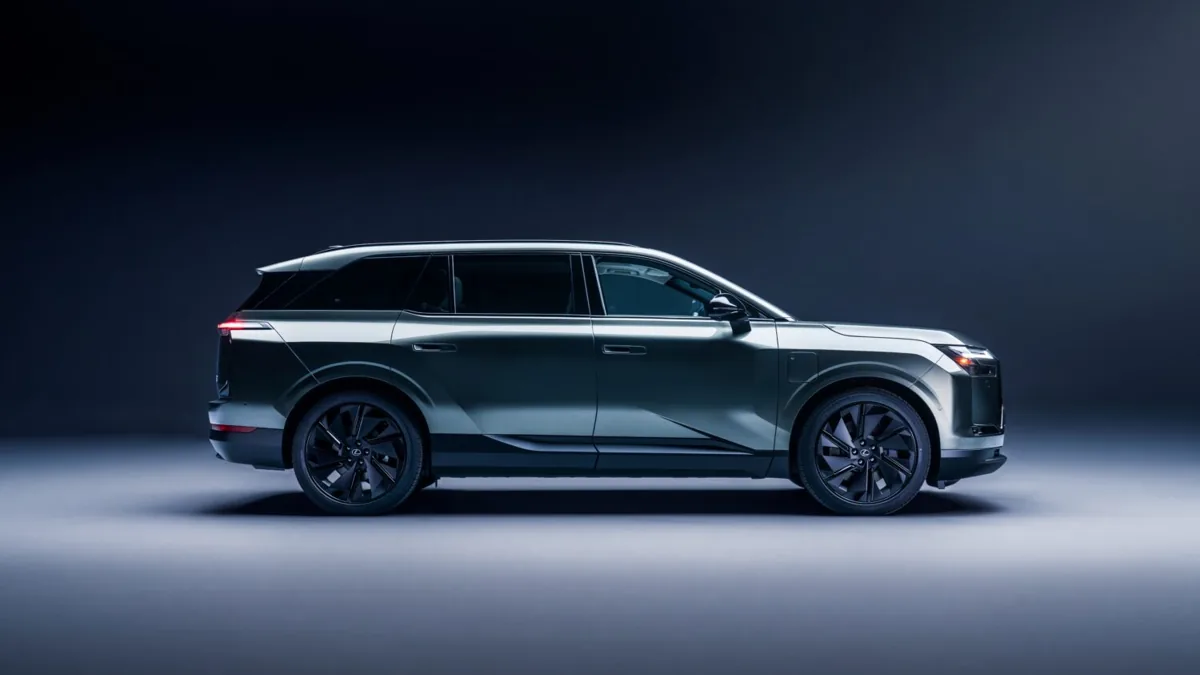
The useful part of the TZ reveal is not the usual luxury language. It is the packaging. Lexus lists a 200.8-inch overall length, a 120.1-inch wheelbase, all-wheel drive, and up to 3,500 pounds of towing capacity. That puts the TZ in proper large family SUV territory, not the cramped “two emergency seats in the back” territory that hurts many premium crossovers.
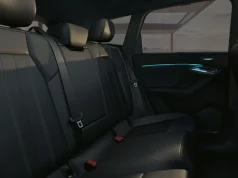
In my experience, three-row EVs expose compromises quickly. A smooth powertrain is easy. A quiet cabin is easy for a premium brand. The hard part is keeping the third row usable, the air-conditioning strong in 38-degree traffic, the tires affordable, and the charging routine predictable once the novelty wears off. Lexus talks about a low floor, second-row captain’s chairs, easier third-row entry, and a quiet cabin. Those are the right promises. I would still sit in row three before paying a deposit.
Battery, Charging, And The Southeast Asia Catch
Lexus says the TZ uses two lithium-ion battery options, 76.96 kWh and 95.82 kWh, with a manufacturer-estimated 300-mile range on select grade. The larger pack is the one I would expect serious buyers to want. A three-row EV spends its life carrying people, luggage, roof accessories, and sometimes a full school-run load with the air-conditioning working hard. Range that looks comfortable on a brochure can shrink quickly in tropical heat and highway rain.
The NACS port is good news in the U.S. because charging access is improving around that connector. In Vietnam and much of Southeast Asia, the connector story is less simple. Local importers, charging networks, adapters, warranty wording, and software support matter. If the TZ eventually appears through official Lexus channels in this region, my first question would be whether Lexus supports the local charging standard directly or relies on adapters and exceptions.
Comfort Sounds Like The Main Selling Point
Lexus is leaning hard into the “Driving Lounge” idea. The brand describes power ottomans for the front passenger and second-row seats, ventilation for key seats, a large panoramic roof, quietness work, Lexus Interface multimedia, 5G-connected services, and Lexus Safety System+ 4.0. This is exactly where Lexus should fight. A luxury EV family SUV does not need to pretend to be a sports car.
My advice is to judge the TZ by second-row and third-row comfort, not by peak output. Check whether the second-row seats leave enough foot space for third-row passengers. Check how easily a child seat affects access. Check whether the panoramic roof has enough heat rejection for tropical use. And check whether the 20- or 22-inch tire package creates harshness on broken city roads.
What I Would Check Before Buying
- Final local price, taxes, warranty, and battery warranty transfer rules.
- Real highway range with six passengers and air-conditioning running.
- Charging-port compatibility in your market, including public fast chargers.
- Third-row entry with a child seat installed in the second row.
- Replacement tire availability and cost for the selected wheel size.
- Whether connected EV routing features work in your country or only in supported U.S. regions.
FAQ
Is the 2027 Lexus TZ a good alternative to the Hyundai Ioniq 9?
Possibly, but it depends on price. The TZ should feel more premium, while the Ioniq 9 may be easier to justify if pricing and charging support are stronger.
Does the Lexus TZ have all-wheel drive?
Yes. Lexus says DIRECT4 AWD is standard on all grades.
Should I wait for the TZ or buy a hybrid Lexus now?
If your charging setup is uncertain, I would still price a Lexus TX hybrid or plug-in hybrid before waiting for the TZ. A great EV is only great when the daily charging routine is easy.
Final Recommendation
I like the 2027 Lexus TZ on paper because it focuses on the right things: quietness, passenger comfort, AWD, large-family packaging, and modern charging. I would not order it until Lexus confirms pricing, local charging support, warranty terms, and real-world third-row comfort. If those pieces land well, the TZ could become one of the calmer luxury three-row EV choices. If they do not, a proven hybrid Lexus may still be the smarter worry-free family car.