My advice: do not buy the 2027 Chevrolet Corvette Stingray because the number 200 looks good on a screen. Buy it only if you want the most attainable new 200-mph-capable sports car and you are also ready for the tires, insurance, heat management, road discipline, and resale questions that come with that sentence.
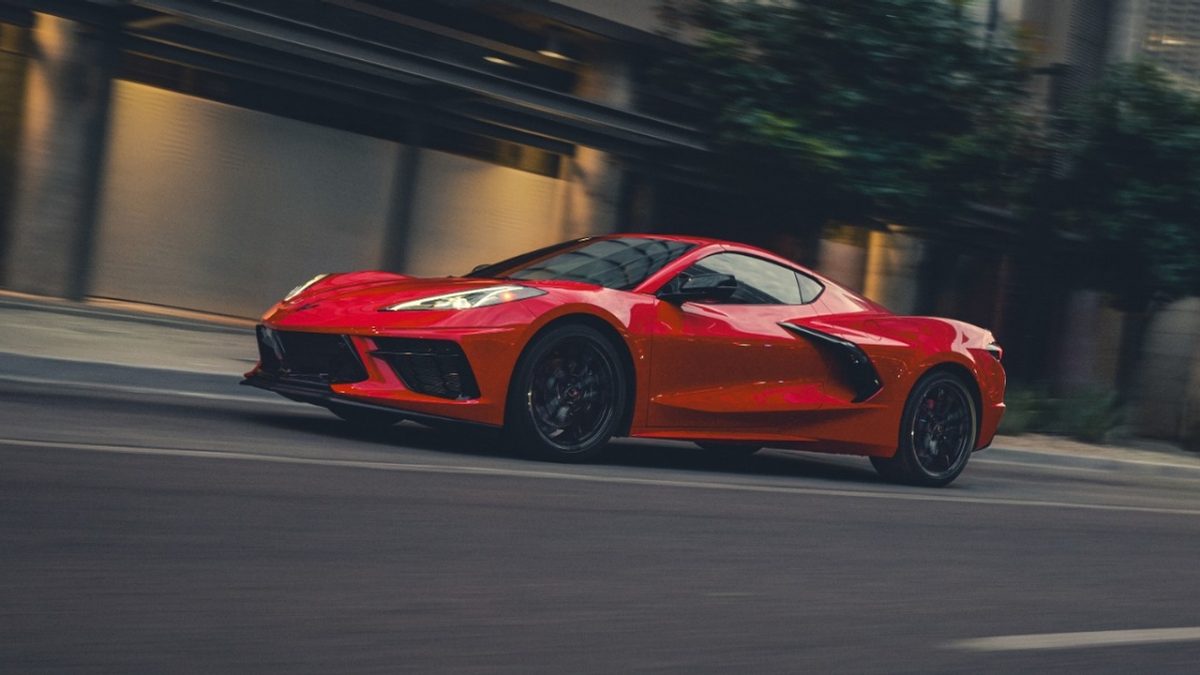
Chevrolet says the 2027 Corvette Stingray 1LT, without the Z51 performance package, has been validated at 200 mph on a closed course. The same announcement lists a starting price of $73,495 before taxes, dealer fees, and options, plus a 2.8-second 0-60 mph time and an 11.0-second quarter mile. That is wild value if you judge by supercar numbers. In my experience, though, the cheaper a very fast car looks on paper, the more carefully you need to check the ownership math around it.
This is not a normal speed milestone for a normal buyer. For a Vietnam or Southeast Asia reader, the Corvette remains more dream import than common showroom choice, but the buyer lesson is useful: performance value is not the same as everyday value. A car can be cheap for its speed and still expensive to use properly.
Quick takeaways
- The big news is the 2027 Stingray reaching a validated 200 mph, according to Chevrolet.
- The new LS6 6.7-liter V8 is rated by Chevrolet at 535 hp and 520 lb-ft of torque.
- The 200-mph run applies to the narrow-body Stingray 1LT without Z51, not every spec a buyer may build.
- My real concern is not whether it is fast. It is whether buyers will budget for tires, brakes, cooling, insurance, and safe places to use it.
- If you mainly want a dramatic road car, a lower-option Stingray may make more sense than chasing track packages.
What changed for the 2027 Stingray
The new LS6 6.7-liter V8 is the heart of the story. Chevrolet says the engine brings 535 horsepower, 520 lb-ft of torque, and a 13.0:1 compression ratio. The extra displacement and torque matter because the Stingray is the narrow-bodied Corvette, so it has less drag than the wider Z06 and ZR1 shapes. That is how the entry Corvette becomes the headline car for the 200-mph claim.
Road & Track also covered the announcement as a meaningful step for the base car rather than just for the exotic upper trims. That matters because the Stingray is the version more buyers will actually consider. The expensive Corvette variants are easier to admire from far away; the Stingray is where the value argument becomes serious.
The buyer math behind a 200-mph Corvette
The starting price is the bait, and it is good bait. A new car capable of this speed at this price level is unusual. But I would not compare it only with expensive supercars. I would compare it with what you actually need: a weekend toy, a daily sports car, a track-day machine, or a long-term collectible.
If the answer is weekend toy, I would keep the build simple. The Corvette already has serious power, a dual-clutch transmission, and enough performance to make poor roads feel very small. More aggressive packages can make sense for track users, but on hot, uneven roads they can also mean more tire noise, sharper impacts, and higher replacement costs.
If the answer is track-day machine, I would ask a different set of questions. What brake package will you run? How much are tires in your market? Can your workshop source Corvette-specific parts quickly? Is there a trusted alignment shop? Do you have access to a circuit where the car can stretch safely? A 200-mph claim is not useful if all of your driving happens in traffic, rain, and short highway bursts.
What I would check before buying
- Insurance quote before deposit, not after delivery.
- Tire brand, size, local stock, and realistic replacement interval.
- Cooling behavior in hot traffic if the car will live in Southeast Asia.
- Whether the car is a U.S. import with warranty limitations in your market.
- Service scan-tool access and parts lead time for body, cooling, and drivetrain items.
- Ground clearance for ramps, basement parking, and rough city streets.
I would also check the exact trim carefully. Chevrolet’s footnote says the 200-mph result was achieved by a 2027 Corvette Stingray 1LT without the Z51 performance package. That is important because performance packages can add grip and track stamina, but they can also add aero drag or change the comfort equation. The fastest top-speed spec is not automatically the best road spec.
Where this car makes sense
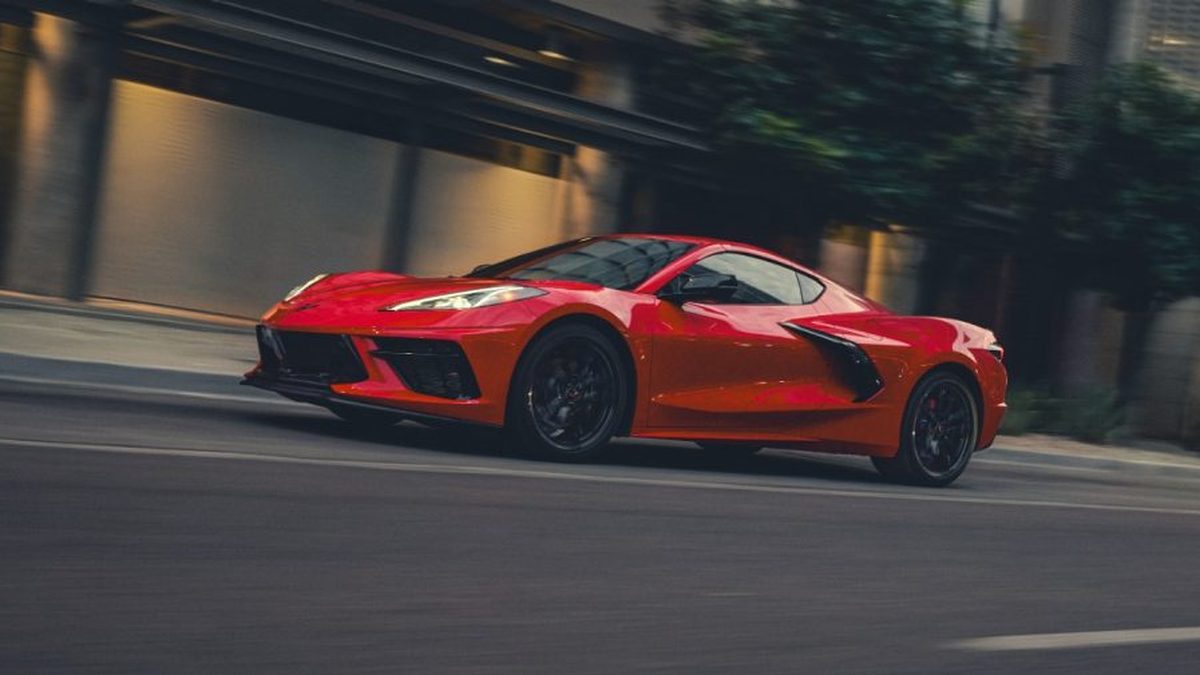
For a U.S. buyer who wants a new V8 sports car with huge performance and real dealer support, the Stingray looks compelling. For an import buyer in Vietnam, Thailand, Singapore, or Cambodia, I would be more cautious. The landed price, registration cost, parts access, and resale audience can change the whole story. A Corvette bought at U.S. value pricing may not remain a value car after import duties and specialist maintenance.
That does not make it a bad car. It means the buyer needs to separate emotional affordability from actual ownership affordability. The Corvette is often better than European exotics at not punishing owners, but it is still a mid-engine performance car. It deserves more planning than a normal coupe.
Internal comparisons worth reading
If you are cross-shopping performance image against daily usability, I would also read my Lamborghini Urus SE Performante buyer check and the Toyota GR86 manual sports-car check. They sit at very different price points, but both show the same rule: the best performance buy is the one you can actually use.
FAQ
Is the 2027 Corvette Stingray really a 200-mph car?
Chevrolet says the 2027 Stingray 1LT without Z51 was validated at 200 mph on a closed course. That is not permission to test the claim on public roads.
Does the Z51 package make it better?
It may be better for track driving, but I would not assume it is better for every buyer. Check ride comfort, tire cost, aero effect, and how you will actually use the car.
Is it a good import for Southeast Asia?
Only for a buyer with budget for import costs, specialist service, and slow-moving parts. I would not treat it like a normal used sports car purchase.
Final recommendation
The 2027 Corvette Stingray is one of the most interesting performance-value stories of the year. My recommendation is simple: if you want the car for its V8 character, usable cockpit, and extraordinary price-to-speed ratio, it deserves a serious look. If you only want the 200-mph number, slow down. The number is the headline; the ownership checklist is where the real decision lives.