

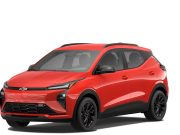


My advice: the 2027 Chevrolet Bolt looks like one of the few electric cars that understands normal buyers, but I would not sign until I had checked my charging routine, local software support, and whether I could live without smartphone mirroring.
Chevrolet lists the new Bolt with a $27,600 starting price on its consumer site, 262 EPA-estimated miles of electric range, a standard NACS charge port, and a GM-estimated 25-minute 10% to 80% DC fast-charge time. Car and Driver’s test of a Bolt RS recorded a 230-mile 75-mph highway range and a 10% to 90% fast-charge time of 38 minutes. Those are useful numbers because they move the Bolt away from “cheap EV compromise” and toward “cheap EV that might actually work.”
For Southeast Asia, the Bolt is not the most obvious showroom car. But as an ownership case study, it matters. Affordable EVs only make sense when charging is simple, battery warranty is clear, and the car does not force the owner into awkward tech habits every day.
Quick takeaways
- Chevrolet says the 2027 Bolt has 262 EPA-estimated miles of range and standard NACS charging.
- The official site lists 25 minutes for a GM-estimated 10% to 80% DC fast charge under suitable conditions.
- Car and Driver observed 230 miles of highway range at 75 mph and a 38-minute 10% to 90% charge.
- The value story is strong, but the missing Apple CarPlay and Android Auto support will annoy some buyers.
- My deciding factor would be home charging first, public charging second, and software comfort third.
Why the Bolt is interesting again
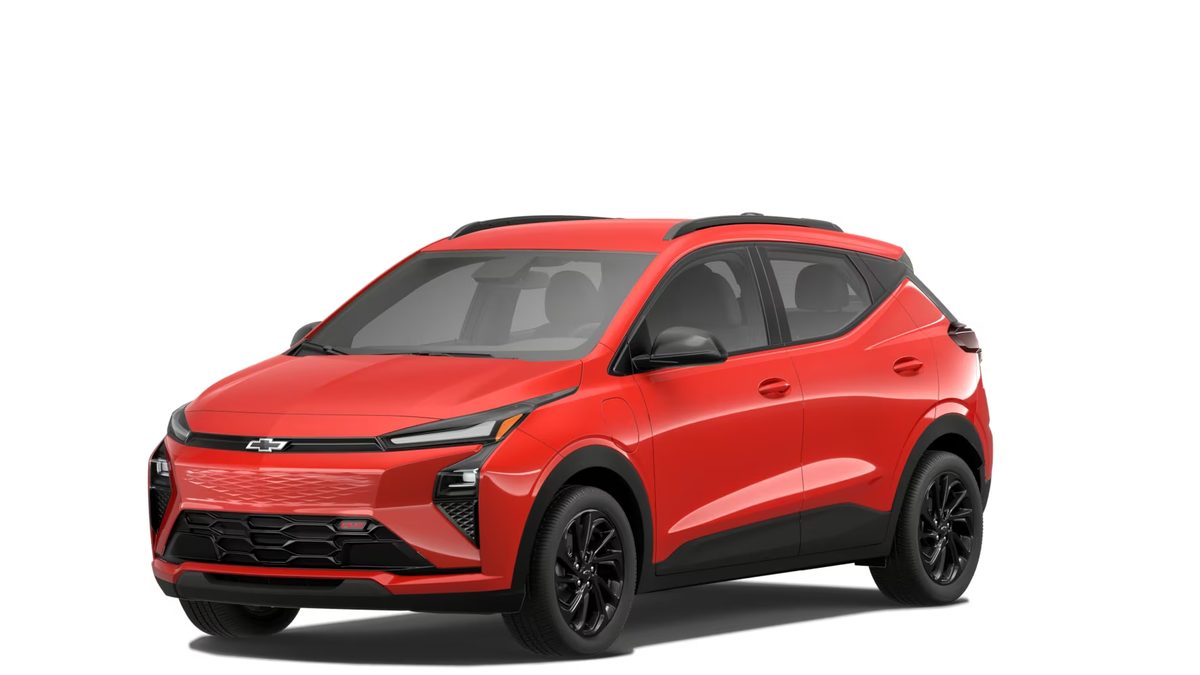
The old Bolt had a loyal audience because it was small, efficient, and not priced like a luxury experiment. The new model keeps that basic idea but fixes the weak point that made many budget EVs painful: charging speed. Chevrolet says the new battery and NACS port allow access to public DC fast charging, including compatible Tesla Superchargers, and the charge-time claim is far better than the older Bolt EUV.
That matters more than the styling. A cheap EV with slow charging can be fine as a second car, but it becomes stressful as a main car. A cheap EV with honest range and tolerable fast charging starts to become a real alternative to a hybrid hatchback or small crossover.
The charging reality I would test
I would start at home. If you can charge overnight, the Bolt’s range is likely enough for most city and suburban weeks. If you depend on public charging, I would map the exact stations you will use and check payment apps, access hours, cable condition, and parking rules. In Vietnam or Thailand, a charging station on a map is not the same as a charger you can rely on during rain, heat, holiday travel, or a crowded weekend.
The 25-minute official 10% to 80% figure is useful, but it is still an ideal-condition number. Car and Driver’s 38-minute 10% to 90% result is also useful because it shows what a real test can look like. I would not plan my life around one perfect charging session. I would plan around the slower session I am likely to get when the charger is hot, busy, or shared.
What I like about the buyer package
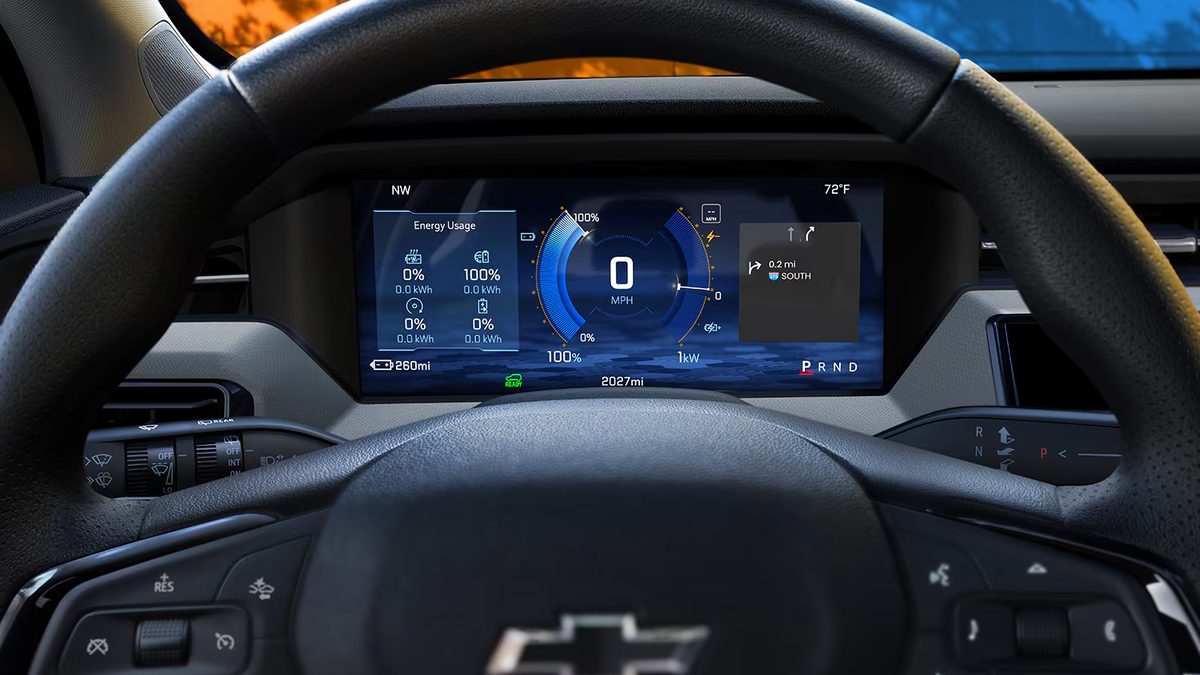
The Bolt keeps the numbers approachable. Chevrolet lists the LT at $27,600 and the RS at $31,600 on its site, with 210 horsepower, an 11.3-inch touchscreen, an 11-inch driver display, and more than 20 standard safety and driver-assistance features. The RS adds style and comfort items, but the LT is the one I would study first because cheap EVs lose their point when options push them too close to larger models.
Car and Driver’s measured 6.7-second 0-60 mph time for the RS is plenty for a city EV. More important, the publication observed 103 MPGe and said the new battery chemistry charges quicker. That is the kind of practical improvement I care about. I do not need a budget EV to win drag races; I need it to charge predictably and keep its owner out of fuel-station math.
The catch: software and long-term support
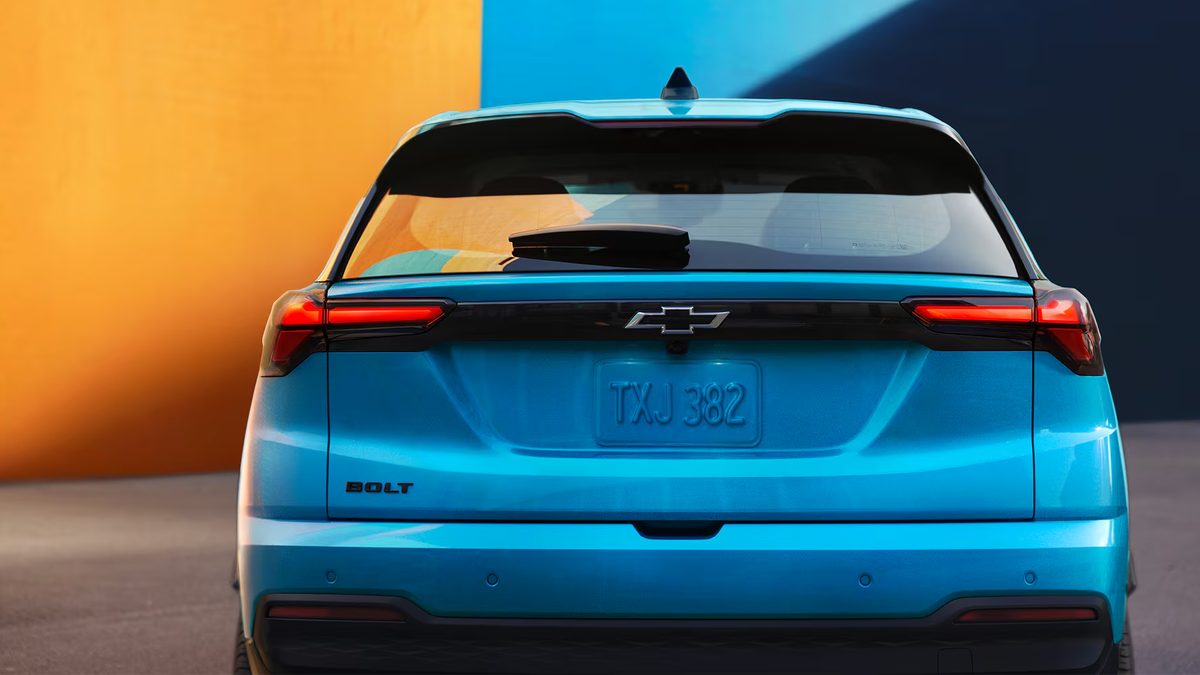
The biggest annoyance is infotainment philosophy. Car and Driver notes that the Bolt uses embedded Google software and does not offer Apple CarPlay or Android Auto. Some buyers will adapt quickly. Others will hate having their daily navigation and music habits tied to the car’s native system. My advice is to test the interface for 20 minutes, not two minutes, before deciding.
I would also ask about long-term support. Car and Driver reports Chevrolet describing the Bolt as a limited-run model, likely spanning a single model year. That does not automatically make it risky, but it changes the parts and resale conversation. A short-lived model can still be excellent, but owners should keep warranty paperwork, software-update history, and battery-health records carefully.
What I would check before buying
- Home charging installation cost and whether the electrical panel can handle it.
- Real public chargers on your weekly and holiday routes, not just advertised networks.
- Whether the NACS access you need works without awkward adapters or account problems.
- Battery warranty terms in your market.
- Native Google infotainment, voice control, maps, and music apps.
- Rear-seat comfort and cargo space with your actual family or work gear.
Internal comparisons worth reading
If you are building a shortlist of affordable EVs, compare this with my 2026 Nissan LEAF buyer advice and the 2026 Toyota C-HR electric SUV check. If you are deciding between cheap EV and hybrid, the 2027 Kia Niro Hybrid value check is the other side of the argument.
FAQ
Is the 2027 Chevrolet Bolt cheap enough to matter?
Yes, if buyers can actually get it near the listed price. The value case depends on avoiding option creep and dealer add-ons.
Is 262 miles of range enough?
For home-charging city use, usually yes. For public-charging-only ownership, I would be much more careful and test your real routes first.
Should I choose the Bolt over a hybrid?
If you can charge at home, the Bolt may be cheaper and simpler day to day. If charging is uncertain, a hybrid may still be the calmer choice.
Final recommendation
The 2027 Chevrolet Bolt is not exciting because it is flashy. It is exciting because it may make EV ownership feel normal at a price normal buyers can discuss. My recommendation is to shortlist it if home charging is easy and you are comfortable with GM’s infotainment direction. If you cannot charge reliably, do not let the low price hide the daily friction.