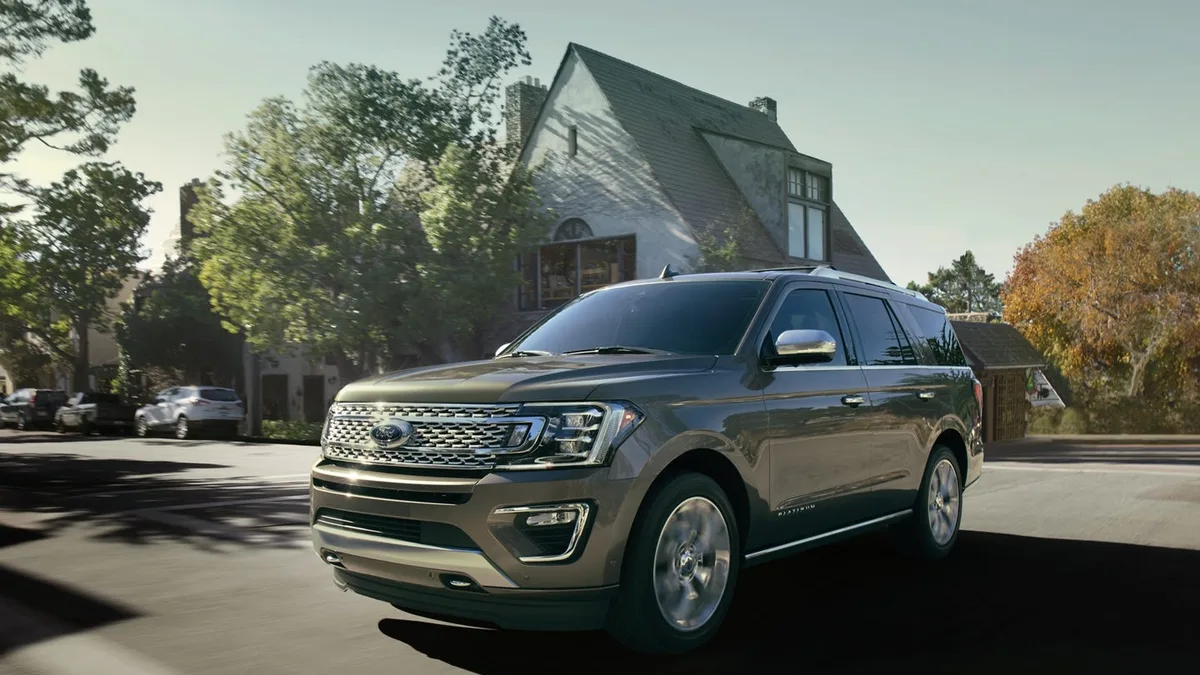
Dr. Worry’s verdict: If your vehicle appears on this recall list, treat it as a critical safety liability until repaired. The issue involves a transmission valve body separator plate that can starve the park valve of hydraulic pressure. This creates a scenario where the parking pawl engages while moving or fails to hold under load. Do not casually postpone this repair; book your appointment immediately once you are eligible.
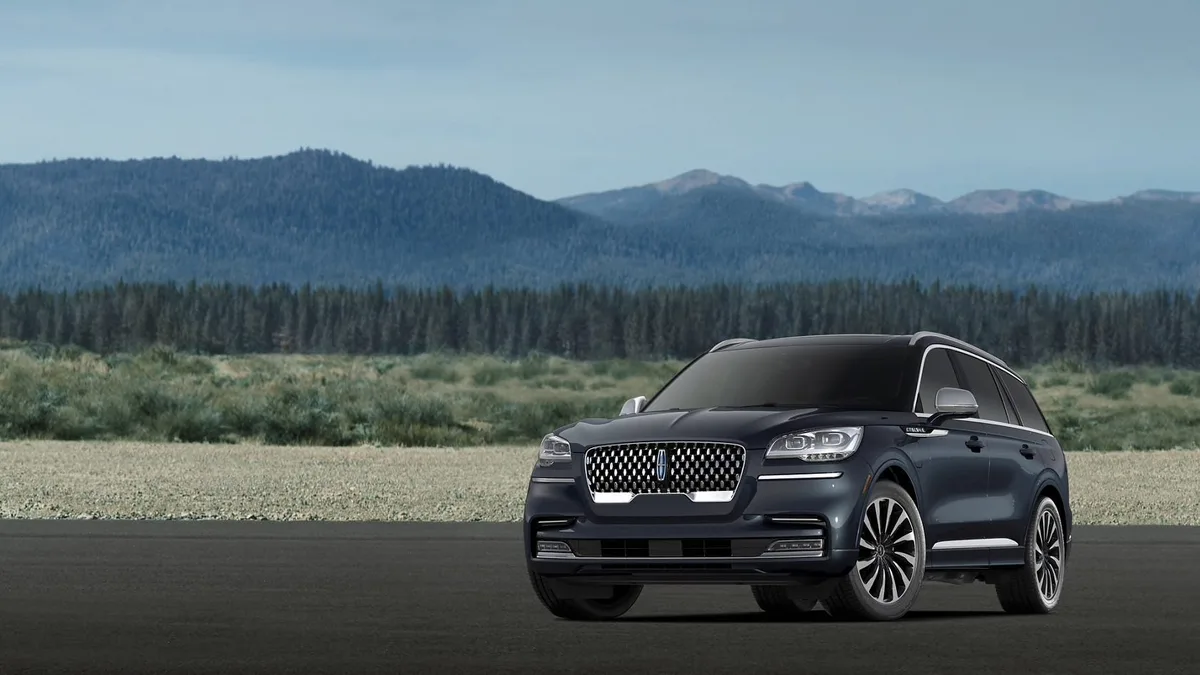
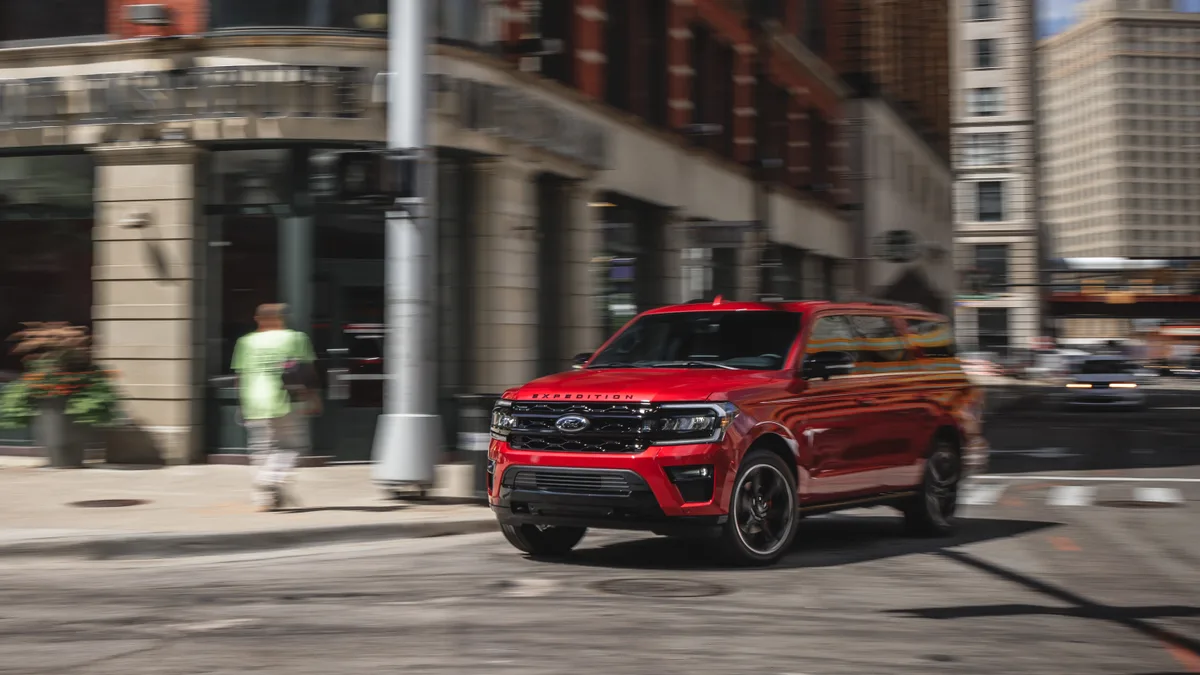
Car and Driver reports that Ford and Lincoln are recalling 741,195 vehicles. The scope is extensive, covering certain model years of the Expedition (2018-2021), Navigator (2018-2021), Explorer (2020-2021), Aviator (2020-2021), and F-150 (2020-2021). The National Highway Traffic Safety Administration (NHTSA) documents describe a specific mechanical fault: the transmission valve body separator plate concern limits flow to the park valve. Depending on shift commands, this can cause the parking pawl to temporarily engage while moving or fail to hold later.
Quick Takeaways
- Affected vehicles include specific Expedition, Explorer, F-150, Aviator, and Navigator models from the years listed above.
- The total recall population stands at 741,195 units across Ford and Lincoln brands.
- Owner letters are expected to be mailed between August 5 and August 9, 2026.
- The dealer fix includes a Powertrain Control Module (PCM) software update and inspection or replacement of damaged parking-system parts as needed.
The factual baseline for this guide comes from the primary official or regulatory source. I use those published details as inputs; the buyer and ownership judgment is my own.
The factual baseline for this guide comes from the primary official or regulatory source. I use those published details as inputs; the buyer and ownership judgment is my own.
What Owners Should Do Now
Until the vehicle is checked by a technician, I would treat the electronic parking brake as mandatory. Shift to Park, set the parking brake firmly, and avoid parking on steep slopes unless absolutely necessary. If your vehicle warns you via dashboard lights, moves unexpectedly when released, feels strange when shifting into Park, or shows transmission-related warning codes, do not keep testing it in your driveway.
Call the dealer immediately to document the symptom. This matters even more for owners who tow trailers, park on boat ramps, use steep apartment garages, or leave the vehicle running while loading passengers. A large SUV or truck has enough mass to cause serious damage if it rolls away unexpectedly. I would apply the same practical caution I use when discussing towing and power systems in the Ford Ranger PHEV Pro Power Onboard guide: clever hardware is useful only when the failure modes are respected.
Used Buyers Need A Different Checklist
If you are looking at a used 2020 or 2021 F-150, Explorer, Aviator, or a 2018-2021 Expedition or Navigator, this recall should be part of the price conversation. I would ask for the VIN before viewing the vehicle physically. If the seller refuses to provide it, move on immediately.
If the recall is open and unresolved, I would either have the seller complete the repair before delivery or write the specific repair requirement into your purchase agreement as a condition of sale. Do not rely on model-year labels alone; recall populations are usually tied to production ranges, components, and VINs. Two similar-looking F-150s may not have the same status because they were built in different batches with different valve body configurations.
Why The Repair Is More Than Software
The planned PCM software update is important to recalibrate logic, but the inspection step matters too. If the parking system has already been damaged by the fault—such as a worn pawl or bent shift fork caused by premature engagement—software alone may not restore full confidence in the vehicle’s safety.
I would ask the service advisor explicitly whether the parking pawl and related components were inspected for physical damage. Ask if anything was replaced, even if it looks fine to you visually. Keep the invoice with your service history; this proves that Ford addressed the specific issue on your unit. For Southeast Asia import buyers, I would be extra careful here. Some of these vehicles arrive outside official channels or as used imports where local support may vary.
Before buying an imported example in regions like Thailand, Indonesia, or Malaysia, confirm who can perform the recall officially. Verify whether the specific software calibration is available locally and whether transmission parts can be sourced without long downtime that leaves you stranded on a hillside.
The Southeast Asia Ownership Context
For owners in Southeast Asia, this recall introduces unique daily-use challenges distinct from North American or European markets. The region’s tropical climate presents specific environmental stressors for the transmission fluid and electrical components involved in the park valve system. High ambient temperatures can accelerate fluid degradation, potentially exacerbating hydraulic pressure issues if the separator plate is already compromised by manufacturing tolerances.
Furthermore, daily-use patterns differ significantly. In cities like Bangkok or Jakarta, traffic congestion often forces drivers to stop frequently on inclines while waiting for light changes. Unlike open highways where a vehicle might roll freely into an intersection before stopping, urban environments involve tight parking in multi-story garages with steep ramps and limited space. A rolling F-150 or Expedition in such a confined garage can cause catastrophic damage to the structure of the building or trap pedestrians.
Ownership costs also shift in this context. While Ford dealerships are present across major hubs, service availability for specific transmission components may be inconsistent outside primary metropolitan areas. If you own an imported unit that is not officially distributed by a local branch, sourcing genuine replacement parts like the separator plate or parking pawl can lead to significant downtime and higher labor costs compared to official channels. This tradeoff between immediate repair cost and long-term reliability must be weighed carefully against the risk of being stranded.
Where This Recall Changes Daily Habits
My short-term habit change would be simple: park flatter, set the parking brake firmly every single time, keep people away from the vehicle while shifting into Park on a slope, and do not leave children or luggage behind the vehicle during loading. Those are common-sense steps, but they matter more when the suspected failure mode involves unexpected vehicle movement due to hydraulic starvation.
For work trucks and family SUVs, I would brief every regular driver in your household. Many households share an Expedition, Explorer, F-150, or Navigator. If only one person knows about the recall mechanics, another driver may keep using old habits that assume Park is foolproof.
What I Would Ask The Dealer
When you walk in for your appointment, ask whether your VIN is included and if it matches their database. Confirm whether the PCM update is ready or if there are delays due to parts shortages. Ask specifically if the technician will inspect the parking system for damage before applying software updates.
Inquire how long the vehicle needs to stay at the dealer, especially regarding towing recommendations if you already saw warnings on your dashboard. If the dealer says parts are delayed, request written confirmation of interim parking guidance so you know exactly what precautions they expect you to take while waiting for a replacement part or calibration file.
My Owner Checklist
- Check the VIN on NHTSA and with a Ford or Lincoln dealer immediately.
- Use the parking brake every time until the recall is resolved, regardless of how short your trip seems to be.
- Avoid steep parking whenever possible before repair; use flat ground in driveways if available.
- Watch for warning lights or unusual Park engagement behavior like grinding noises when shifting into gear.
- Ask the dealer whether damaged parking-system parts were inspected and replaced during service.
- Keep the completed recall invoice with your vehicle’s service history as proof of compliance.
Frequently Asked Questions
Can I wait for the recall letter?
I would not wait passively. Check the VIN now against NHTSA records, then call the dealer when the campaign is available for your vehicle. Waiting increases risk if a fault occurs before you receive mail.
Does this affect every Ford F-150?
No. The recall covers certain model years and specific VIN ranges produced during those windows. Use the VIN, not the model name alone, to determine eligibility since production lines varied in component sourcing.
Should I avoid buying these vehicles used?
Not automatically. However, I would avoid any example with unclear recall status, active warning lights, poor service records showing multiple transmission visits, or a seller who will not cooperate with a VIN check to verify repair completion.
For a useful ownership comparison, read Ford Mustang And Mach-E Recall: My Wiper And Differential Action Guide. Those guides help put this model’s service, packaging and running-cost tradeoffs in context.
Dr. Worry’s Final Recommendation
This Ford and Lincoln recall is serious because parked-vehicle security is basic safety that cannot be compromised by software glitches alone. My recommendation is clear: use the parking brake religiously, check your VIN immediately against official databases, complete the dealer repair without delay, and keep all documentation safe.
For used buyers, an unresolved recall is not always a deal-breaker if handled correctly, but it should be resolved before the vehicle becomes your primary problem. If you are considering buying one of these models in Southeast Asia or importing them from other markets, ensure local support can handle both software updates and mechanical replacements without excessive downtime.
Remember that while manufacturers like Ford and Lincoln have invested heavily in advanced transmission technology for their trucks and SUVs, hardware failures do happen. The goal is to respect the failure modes rather than ignoring them until disaster strikes. Treat your vehicle with the same care you would give a child’s toy car: keep it level when parked, secure it firmly, and never assume safety features are infallible without verification.
By following these steps, you protect yourself from potential rollaway incidents that could lead to injury or property damage. Stay vigilant, stay informed about recall updates via NHTSA announcements, and prioritize your family’s safety above convenience For parking procedures on slopes or ramps.