Dr. Worry’s verdict: The 2027 Lexus LX 700h is a magnificent piece of machinery that prioritizes mechanical longevity and rough-road capability over the packaging efficiency expected in modern family haulers. It is an engineering triumph, but it demands you accept significant compromises on third-row space and cargo utility to secure its badge.
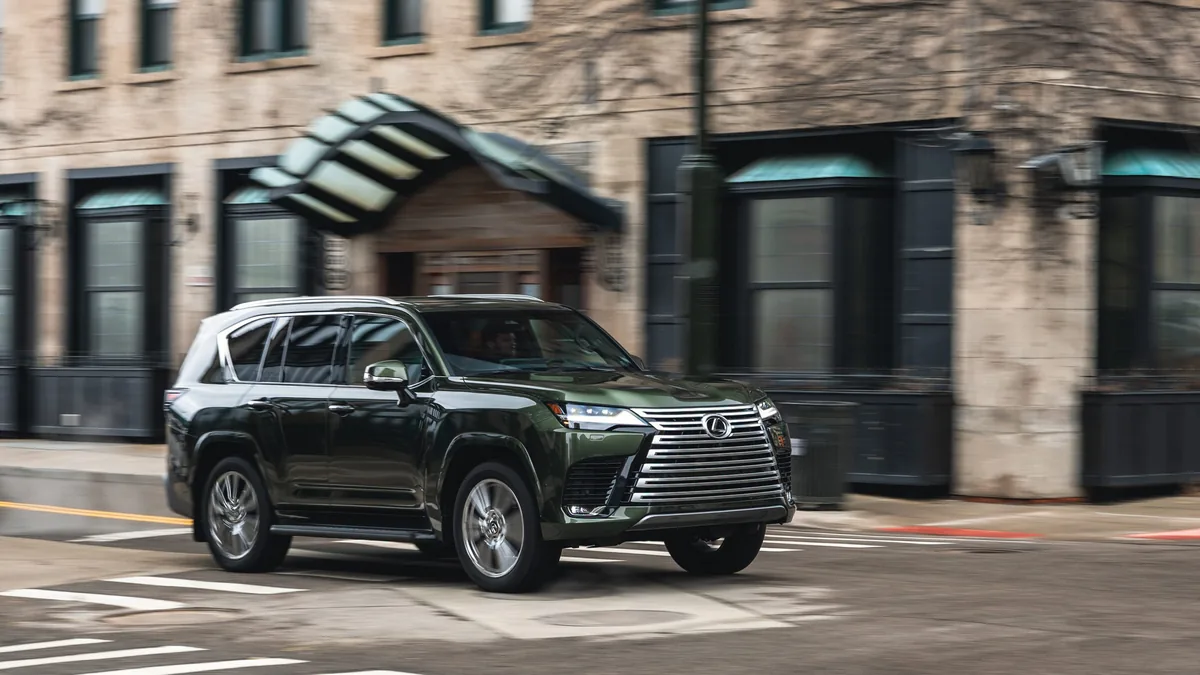
This flagship SUV sits at the apex of Lexus’s hierarchy, offering a twin-turbo V-6 hybrid system that delivers 457 horsepower combined with serious off-road hardware. While Car and Driver notes it as their highest-rated LX variant for performance smoothness, my analysis suggests buyers must distinguish between emotional respect for the brand and practical necessity.
For markets in Southeast Asia where reliability is paramount after warranty expiration, this vehicle offers a safety net that German rivals often cannot match. However, do not expect sedan-like fuel savings; you are paying flagship money to maintain a heavy, upright SUV with serious off-road credentials.
Quick Takeaways
- The LX 700h prioritizes torque, refinement, and capability over dramatic fuel savings compared to non-hybrid rivals.
- The Overtrail trim is the enthusiast choice for bad roads; Ultra Luxury serves chauffeur and status needs.
- Family buyers must inspect third-row space carefully, as it is not packaging-efficient like a Lexus TX or minivan.
The factual baseline for this guide comes from the primary official or regulatory source and independent automotive reporting. I use those published details as inputs; the buyer and ownership judgment is my own.
What Changed: The Hybrid Context
The arrival of the 700 designation marks a significant evolution for this platform. According to official press materials from Lexus USA, the LX 700h is the first-ever hybrid offering in the lineup, joining an electrification strategy that now includes plug-in hybrids and battery electric vehicles across their range.
This addition allows Lexus to meet customer needs while pursuing carbon-reduction efforts. The powertrain utilizes a twin-turbocharged 3.4-liter V-6 paired with one electric motor, delivering the aforementioned 457 hp through a 10-speed automatic transmission and four-wheel-drive system.
While this setup provides slightly quicker acceleration than the non-hybrid LX600 version reviewed separately by experts like Car and Driver, it does not fundamentally alter the vehicle’s weight class or running costs. The hybrid badge is here for capability support—smoother torque delivery during low-speed maneuvering—and a greener environmental profile, rather than serving as a discount on your fuel bill.
Why the LX 700h Matters in Southeast Asia
In Vietnam, Thailand, Cambodia, and Singapore, the Lexus brand carries a specific emotional weight. Buyers trust this marque because older models often age with fewer dramatic failures than European rivals like BMW or Mercedes-Benz.
The LX 700h leans into that “emotional safety.” If you plan to keep a luxury SUV for many years in regions prone to heat, monsoon rain, and rough roads, the durability of this platform is more valuable than having the newest screen layout. The hybrid system adds modern torque without sacrificing the frame strength required for bad road conditions.
However, buyers must be realistic about maintenance costs. While Lexus may be dependable overall, high-voltage diagnostic capability and battery replacement in hot climates require specific dealer training that not every franchise possesses universally.
The Good Part: Durability Still Counts
The Overtrail version is particularly interesting because it gives the LX a clearer purpose. Equipped with locking differentials, off-road tires, underbody protection, and power export hardware, this trim makes sense for buyers who actually travel outside city centers.
I would rather see a luxury SUV with a clear job than one that only adds chrome. The Overtrail setup allows the vehicle to handle remote routes or camping adventures where comfort meets capability. This is distinct from an urban crossover like the BYD Dolphin Plug-In Hybrid, which targets city dwellers but lacks this rugged heritage.
For those who prioritize efficiency in a smaller package, the Honda CR-V Hybrid remains a superior choice for daily commuting and family errands without the flagship price tag or maintenance complexity.
The Catch: Packaging Limits Are Real
The LX is big outside, but the interior packaging is not the most efficient in its class. Car and Driver points to a tight third row and limited cargo space when all seats are in use. I have advised buyers repeatedly to test this with real passengers, not showroom imagination.
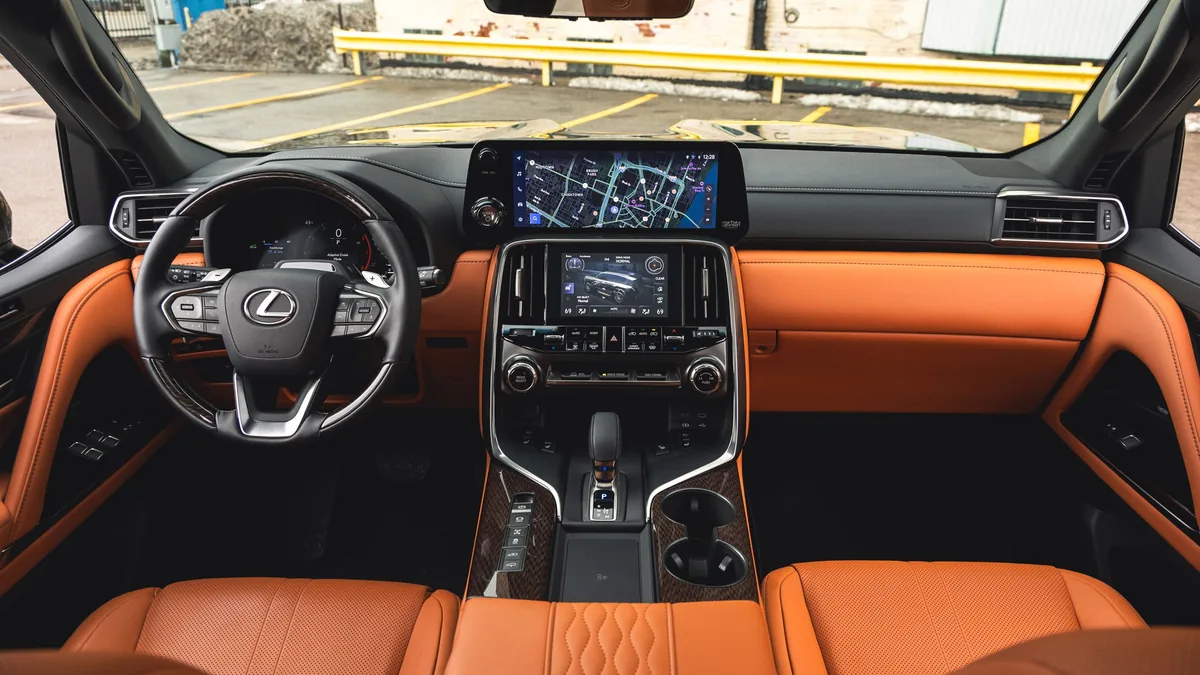
If you regularly carry six or seven people plus luggage for long trips, the Lexus TX or a premium minivan may be a better family answer. The load floor is high in the LX 700h, making loading heavy items difficult compared to lower-loading vehicles like the Honda CR-V Hybrid Sport Touring.
Fuel economy is another area where expectations must be managed. A hybrid badge can make buyers expect sedan-like savings, but the LX 700h is still a heavy vehicle with serious off-road hardware. You may get smoother torque and some efficiency improvement over non-hybrid versions, but you are not escaping flagship-SUV running costs.
Ownership Checks in Hot Markets
I would ask very specific hybrid questions before buying: battery warranty terms, cooling-system service intervals for high temperatures, high-voltage diagnostic capability at local dealerships, and replacement cost estimates. Lexus may be dependable, but hybrid flagship parts are still expensive.
Heat is a critical factor in Southeast Asia. The battery management system must handle sustained high ambient temperatures without degrading performance or range too quickly. Monsoon rain also shapes the tire decision; while all-terrain tires on Overtrail models offer better traction than large luxury wheels, they can add road noise during city driving.
The Ultra Luxury trim may feel wonderful from the back seat with its two-seat rear layout aimed at chauffeur use, but this narrows its utility for a family needing to carry children or gear. The Hybrid Engine Efficiency technology in these vehicles is designed to optimize power delivery rather than minimize energy consumption per mile.
Practical Buying and Owner Checklist
- Sit adults in the third row and load real luggage at the same time before committing.
- Compare Overtrail, Luxury, and Ultra Luxury trims based on your actual usage patterns (off-road vs. city).
- Confirm hybrid battery warranty coverage and service process specifically for your country of residence.
- Price tires for the exact wheel package before choosing a showroom specification; off-road tires are costly.
- Determine if a Lexus TX, Land Cruiser, or premium minivan solves your family need better without the flagship price penalty.
Frequently Asked Questions
Is the Lexus LX 700h fuel efficient?
For its size and capability, it can be more efficient than a non-hybrid flagship SUV due to regenerative braking and electric motor assist. However, I would not buy it expecting cheap running costs comparable to compact sedans or small hybrids.
Is the Overtrail trim worth it?
It is worth considering if you actually use bad roads, remote routes, or require camping power export capabilities like inverters. If you mainly ride in the city on paved surfaces, a comfort-focused Ultra Luxury trim may suit your needs better and offer a quieter cabin.
Is it better than a Lexus TX for families?
Not automatically. The LX is tougher, more prestigious, and built with an independent solid rear axle (in some configurations) that handles rough terrain well; the TX is usually the more practical people-and-cargo vehicle designed specifically to maximize interior volume.
How does hybrid efficiency compare to non-hybrid?
The twin-turbo V-6 hybrid system offers slightly quicker acceleration and smoother low-speed torque, but fuel economy gains are marginal in highway driving. The primary benefit is the ability to use electric-only mode for short distances or hill climbing without engaging the large gasoline engine immediately.
What about maintenance costs?
Maintenance on a hybrid flagship involves standard oil changes and brake inspections, plus specific attention to high-voltage battery health. Dealers must be trained specifically for LX 700h diagnostics; generic technicians may struggle with the complex powertrain architecture.
Dr. Worry’s Final Recommendation
I would buy the LX 700h as a long-term luxury SUV for buyers who value durability, rough-road confidence, and Lexus support above all else. I would not buy it as a simple family-space solution or expecting to save significantly on fuel bills.
The hybrid flagship is best when you use its strength: the ability to traverse difficult terrain while maintaining comfort. Otherwise, you may be paying flagship money for packaging compromises—tight third rows and high load floors—that you could avoid with more practical alternatives like a minivan or crossover.
Ultimately, this vehicle respects your wallet only if it serves as an investment in longevity rather than a daily commuter tool. If the badge means everything to you, the LX 700h delivers that prestige wrapped in proven engineering. But know exactly what you are buying: a tank with luxury upholstery, not a family van.
For those seeking efficiency and space without sacrificing too much on-road manners, exploring alternatives like the Honda CR-V Hybrid or even small PHEVs might offer better value for daily driving needs in Southeast Asia’s urban centers. The LX 700h remains an icon, but icons are not always practical tools.
Make your decision based on whether you need a tool to conquer bad roads and hold its value over decades, or if you simply want the biggest badge possible for social status. Both paths lead to ownership satisfaction, provided expectations regarding space and fuel economy remain grounded in reality.