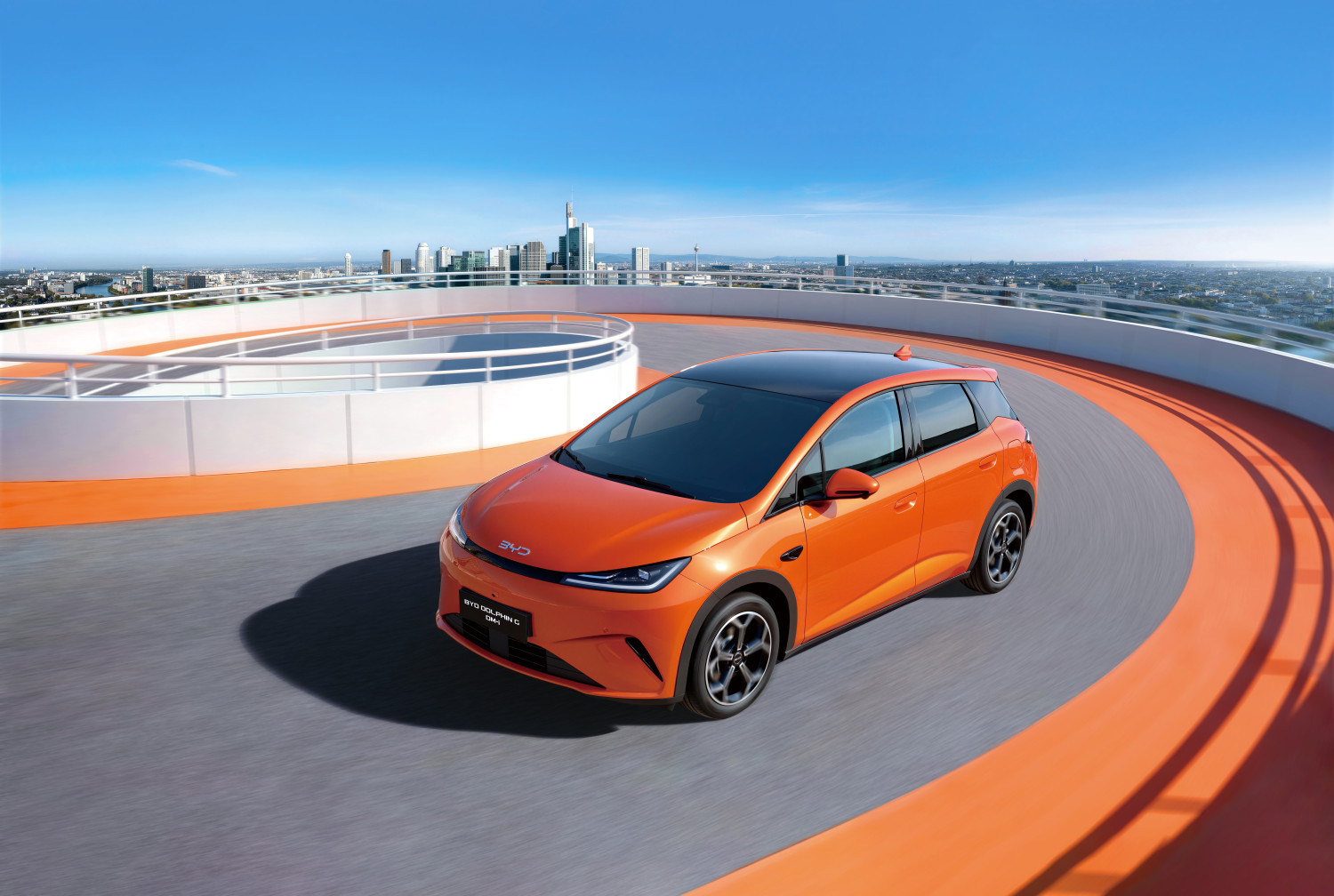
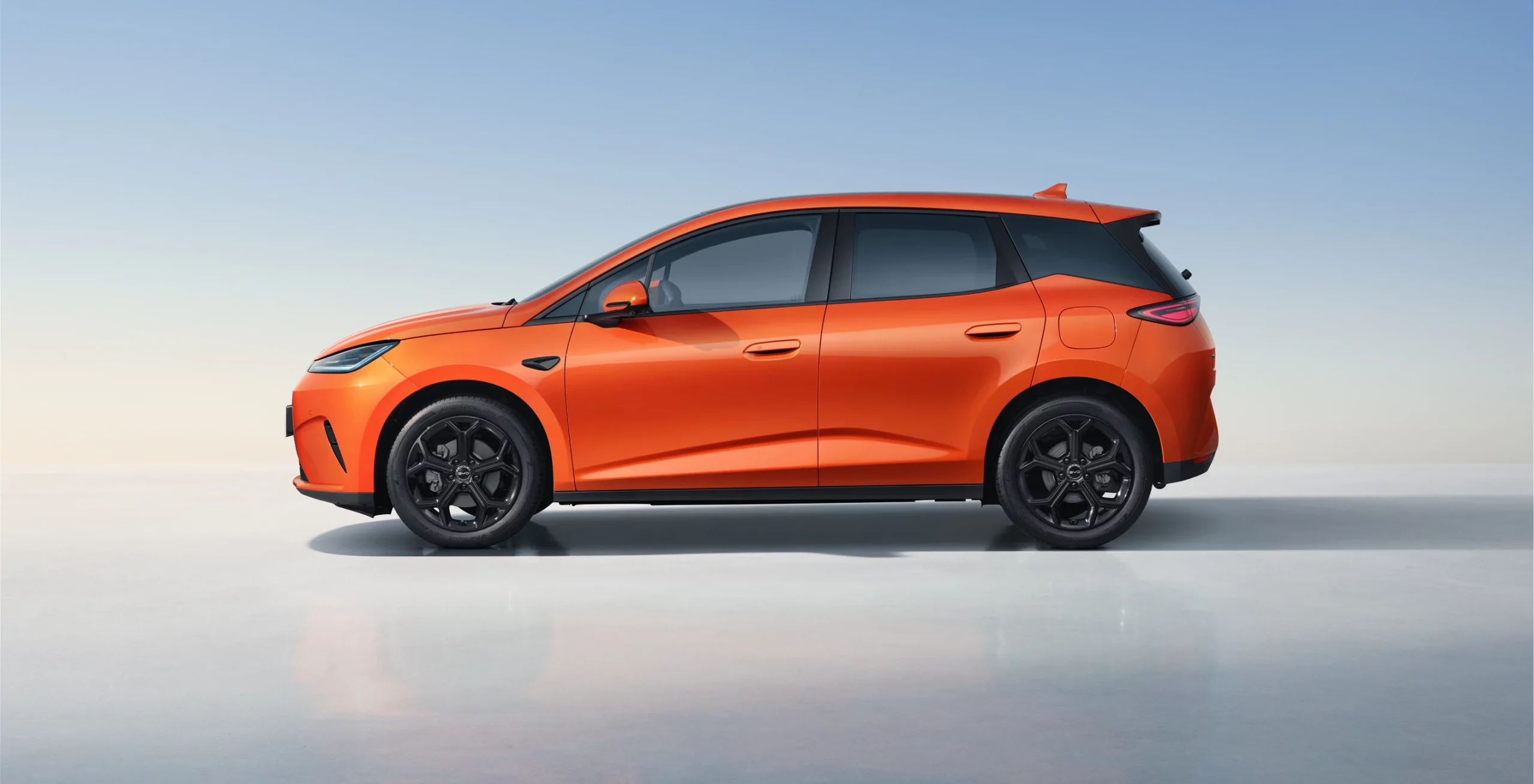
BYD has revealed the Dolphin G DM-i for Europe, a small plug-in hybrid hatchback that can drive on electricity for much of a normal daily commute while keeping a petrol engine for longer trips. That makes it more interesting than a simple “new BYD model” headline. It shows where affordable electrified cars may go next: not only full EVs, but also small PHEVs for buyers who are not ready to depend completely on charging.
Dr. Worry verdict: the BYD Dolphin plug-in hybrid makes sense for city drivers who want quiet electric driving most days, but still need petrol backup for weekends, road trips, or weak charging infrastructure. The key question is not whether it is more modern than a petrol hatchback. The real question is whether buyers will actually plug it in.
What is the BYD Dolphin G DM-i?
The Dolphin G DM-i is a plug-in hybrid version of BYD’s small hatchback formula, developed for European buyers. Instead of using only a battery like the regular Dolphin EV, this version combines BYD’s DM-i plug-in hybrid system with a petrol engine, electric motor, and Blade Battery.
According to BYD and early reports, the car is offered with two battery sizes. The entry version uses a 7.42 kWh battery for about 40 km of WLTP electric range. Higher trims use an 18.3 kWh battery and claim up to 105 km of electric-only driving. Combined range is quoted at more than 1,000 km in some markets.
Those numbers matter because they put the Dolphin G DM-i in an unusual position. It is a small hatchback, but it offers a plug-in hybrid range that could cover many daily commutes without using petrol.
Why a small plug-in hybrid is interesting
Plug-in hybrids are often larger and more expensive SUVs or sedans. A small PHEV hatchback is different. It targets buyers who want lower fuel use and EV-like city driving, but do not want the price, charging dependence, or range planning of a full electric car.
For many urban drivers, 40 to 105 km of electric range is enough for school runs, office commutes, shopping, and short evening trips. If the car is charged at home or work, the petrol engine may stay off most weekdays. On longer journeys, the engine removes the fear of arriving at a broken charger or waiting too long to top up.
When is it better than a full EV?
A small PHEV can be better than a full EV if your charging situation is inconsistent. Apartment living, shared parking, unreliable public charging, or frequent trips to places without chargers can make EV ownership stressful. In that case, a plug-in hybrid gives you a softer landing into electrified driving.
It can also work for buyers who want one small car to do everything. A full EV is excellent when you can charge easily. But if your weekly routine includes both short city trips and unpredictable out-of-town drives, the petrol backup adds flexibility.
The Dolphin G DM-i is not meant to replace every EV. It is more like a bridge for people who want electric habits before their charging environment is ready.
When is it worse than a full EV?
The weakness of any PHEV is discipline. If the owner never plugs it in, the car becomes a heavier petrol hybrid carrying unused battery weight. Fuel savings drop, emissions rise, and the logic of buying a plug-in hybrid becomes weaker.
A full EV is simpler mechanically because it has no petrol engine, exhaust system, oil changes, or hybrid complexity. If you already have dependable home charging and your daily driving fits the car’s range, a full EV may be cleaner, smoother, and cheaper to maintain over time.
So the Dolphin G DM-i is not automatically the smarter choice. It is smarter only for the right user.
Buyer profile: who should consider it?
- Drivers who can charge at home or work at least several times per week.
- City commuters who usually drive under 100 km per day.
- Families who want one compact car for both weekday errands and weekend travel.
- Buyers nervous about full EV range, charger availability, or resale risk.
- People who want lower fuel use but are not ready for a battery-only car.
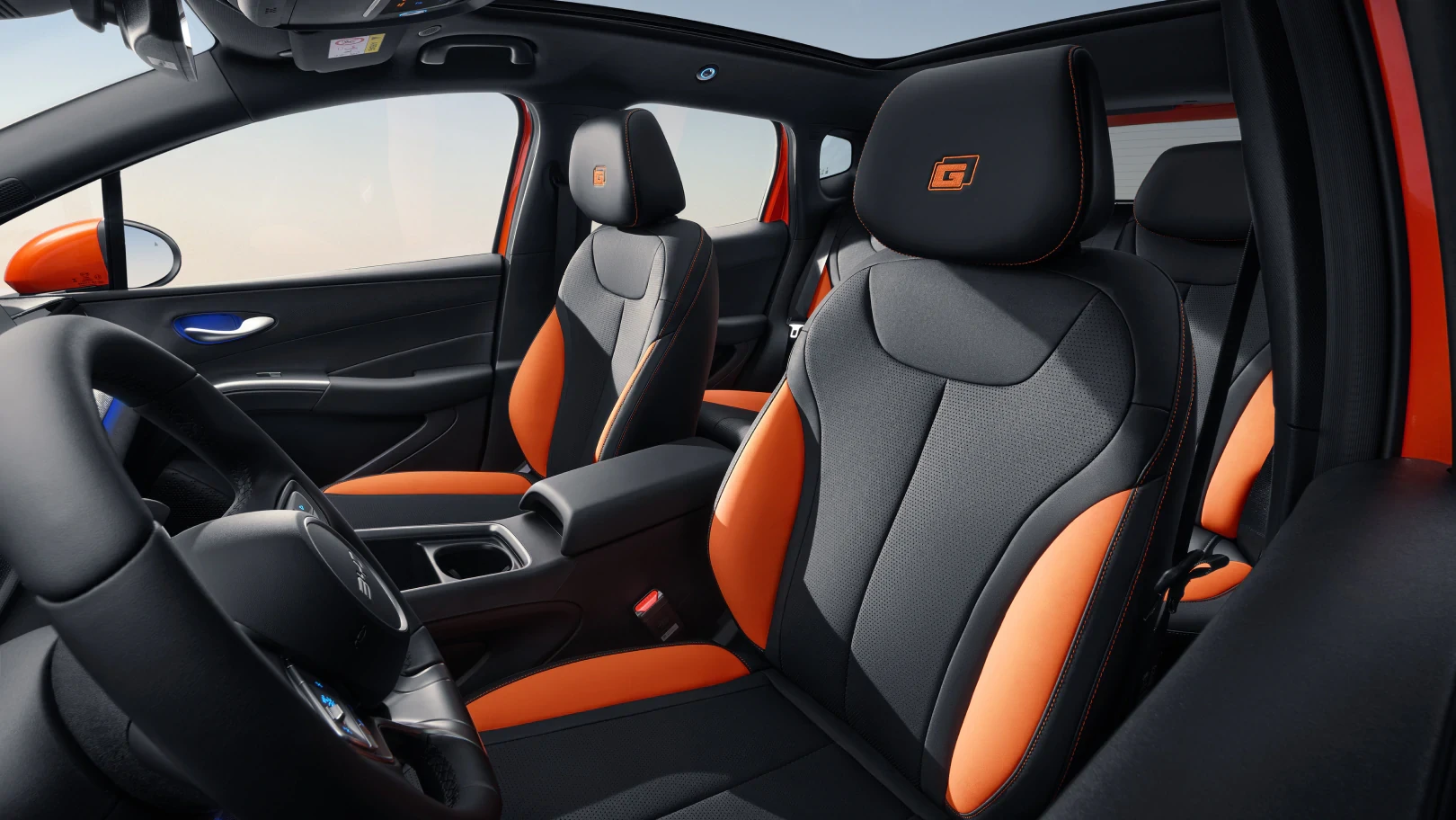
For buyers in markets like Vietnam or Southeast Asia, the concept is especially relevant. Many drivers like the idea of EV running costs, but parking, home charging, apartment rules, heat, flood risk, and charging network coverage still affect real ownership confidence.
What should buyers watch carefully?
First, check the price gap against both petrol hybrids and full EVs. A PHEV only makes financial sense if the extra cost is justified by real electric driving. If the price is too close to a better-equipped EV, or much higher than a simple hybrid, the value case gets weaker.
Second, check battery warranty and local service support. Plug-in hybrids are more complex than normal petrol cars, and long-term ownership depends heavily on brand support, diagnostic capability, and parts availability.
Third, check real-world fuel consumption after the battery is depleted. Some PHEVs look amazing in official fuel figures because the test cycle includes electric running. On a long highway trip with a low battery, the number may be less impressive.
Dr. Worry recommendation
The BYD Dolphin plug-in hybrid is a smart idea if you use it properly. Charge it often, use electricity for short trips, and let the petrol engine handle longer journeys. In that role, it could be a practical stepping stone between a petrol hatchback and a full EV.
But do not buy a PHEV just because the brochure shows a tiny fuel-consumption number. Buy it only if your lifestyle lets the battery do real work. Otherwise, a normal hybrid or full EV may be the cleaner decision.
FAQ
How far can the BYD Dolphin plug-in hybrid drive on electricity?
BYD says higher versions of the Dolphin G DM-i can offer up to 105 km of WLTP electric-only range, while the entry battery version is rated around 40 km.
Is the BYD Dolphin G DM-i a full electric car?
No. It is a plug-in hybrid. It can drive on electricity, but it also has a petrol engine for extended range and backup.
Is a PHEV cheaper to run than a petrol car?
It can be, but only if you charge it regularly. If you rarely plug it in, the fuel-saving advantage becomes much smaller.
Should I buy a PHEV or a full EV?
Choose a full EV if you have reliable charging and your trips fit the range. Choose a PHEV if you want electric daily driving but still need petrol flexibility for longer or unpredictable trips.