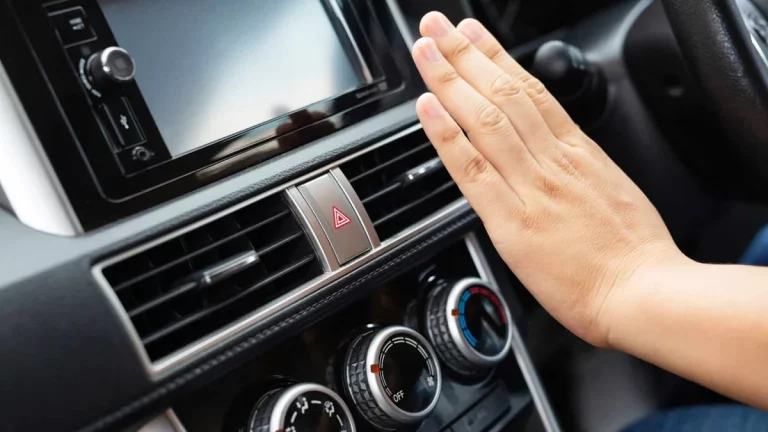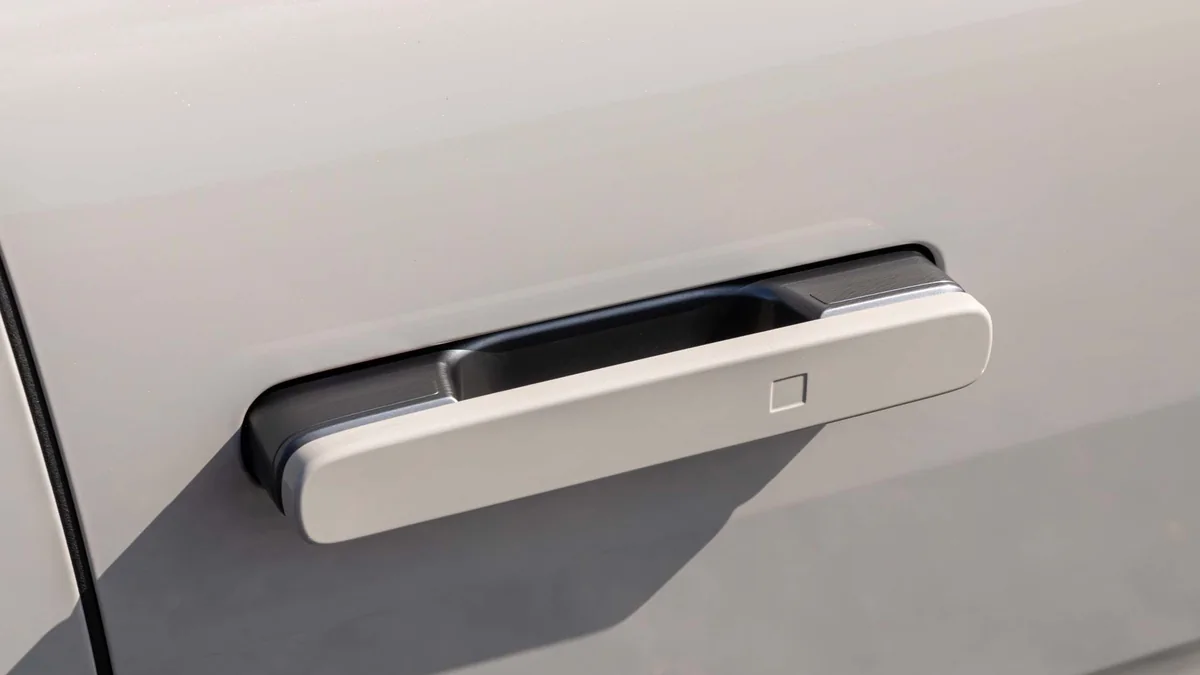
Dr. Worry’s verdict: Do not reject every car with electronic or flush door handles, but do not buy one until every regular passenger can find and operate the mechanical emergency release. A sleek handle is never worth confusion during a power failure or crash.
U.S. regulators are considering new requirements around vehicle door-release safety after concerns about doors that could not be opened. This is not a new universal ban, and it does not prove that every electronic handle is defective. It is a strong reminder that buyers should treat emergency egress as a practical safety feature, not a detail buried in the owner’s manual.
Quick Takeaways
- NHTSA denied a specific petition concerning a 2022 Tesla Model 3 but is moving toward broader rule development for occupant safety.
- The potential requirements would apply across manufacturers selling vehicles in the United States, not only to Tesla.
- Flush exterior handles and electronic interior releases are separate design questions; each needs a clear mechanical backup.
- Owners should teach passengers where the emergency releases are before an emergency occurs.
- No final U.S. rule or compliance date has been announced in the material reviewed for this article.
What NHTSA’s Move Means—and What It Does Not
Car and Driver reported on July 27 that NHTSA is beginning a process to consider whether additional door-safety standards are warranted. The action follows a petition focused on emergency operation in the 2022 Tesla Model 3. The agency denied that specific petition while moving toward requirements that would address occupant safety more broadly.
That distinction is essential. A denied defect petition is not the same as saying the design is ideal, and the start of rule development is not a final regulation. Rulemaking normally involves evidence gathering, proposed text, public input and a future effective date. Buyers should not repeat social-media claims that every current flush handle is suddenly illegal in the United States.
Why Electronic Releases Need a Mechanical Backup
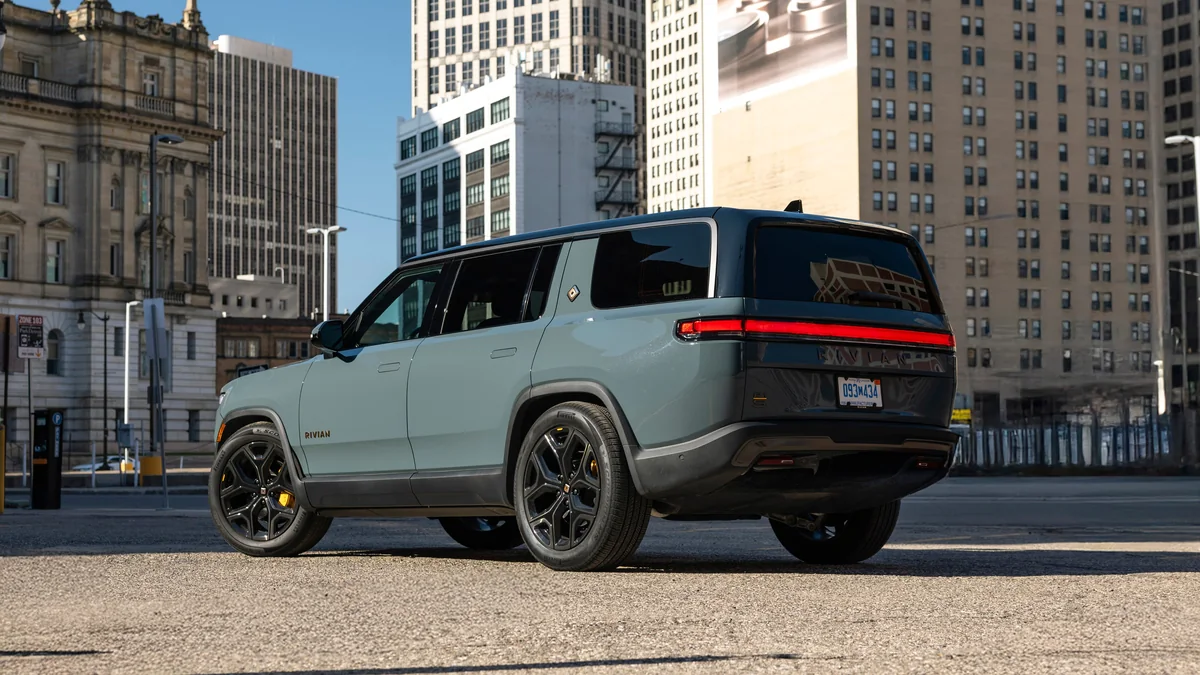
Traditional handles make the relationship between hand, cable and latch intuitive. Electronic releases can reduce effort, improve packaging and allow designers to seal the exterior more cleanly. The risk appears when the low-voltage electrical system fails or crash damage interrupts the normal release path.
Many vehicles include a mechanical release, but its location and operation vary. It may be a lever near a door pocket, a pull hidden under trim or a two-stage action built into the normal handle. Rear-door arrangements can be less obvious than the front. A safety feature that only the owner knows how to use is not enough when children, elderly relatives, a valet or a rescuer may need it.
This is why I separate the issue from ordinary EV anxiety. Battery chemistry, charging and door releases are different systems. A buyer can like the efficiency and quietness of an EV while still demanding simple emergency hardware. Our EV safety and software buyer check makes the same point: convenience features deserve scrutiny when they stand between a person and a basic action.
Exterior Access Matters Too
The exterior problem is not identical to escaping from inside. NHTSA has separately investigated complaints involving access to occupants when an exterior electronic release did not work. Car and Driver noted reports involving children or older family members inside vehicles. I would check whether an exterior handle can be mechanically presented or unlocked when the 12-volt system is weak, and whether first responders have a clear access route.
In tropical ownership, also test the mundane conditions: heavy rain, mud, washing residue, heat and a weak key-fob battery. In colder export markets, ice adds another challenge. A clever handle that works perfectly in a showroom may be annoying when dirty or wet. Annoyance alone is not a safety defect, but it can reveal how much complexity the owner must manage.
What Owners Should Do Today
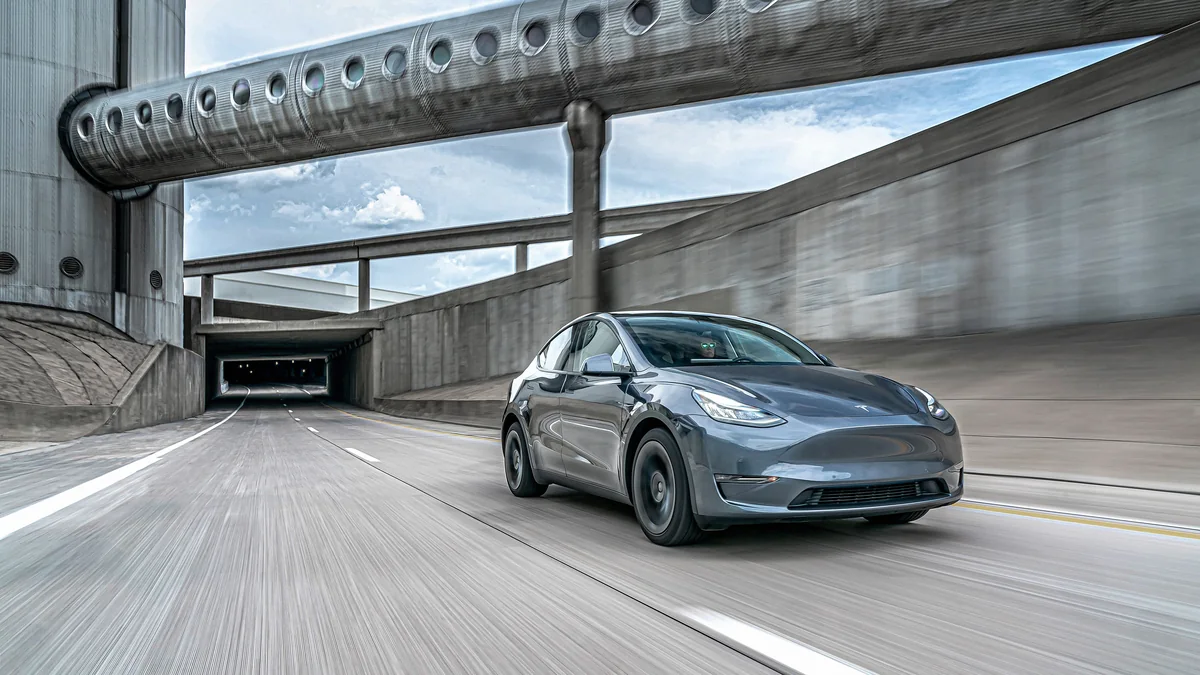
First, read the emergency-exit section of the manual for your exact model year. Manufacturers can change release designs during a model cycle. Sit in every seating position and locate the mechanical release without using a phone flashlight. Then show every frequent passenger how it works.
Second, keep the low-voltage battery healthy. A vehicle can have plenty of energy in its traction battery while a failing 12-volt system disables convenience functions. Pay attention to slow wake-up, repeated low-voltage warnings or unusual locking behavior. Diagnose those symptoms rather than accepting them as harmless software quirks.
Third, keep emergency tools accessible, not buried beneath luggage. A belt cutter and suitable window tool may provide another exit path, although laminated glass and window design can affect effectiveness. The tool is a backup, not a substitute for understanding the doors.
What Used-Car Buyers Must Verify
Operate every exterior and interior handle repeatedly. Check the child locks, key blade, app access, physical key procedure and low-voltage jump points. Look for crash repairs, water intrusion or trim work around a door. Ask the seller to demonstrate the emergency release rather than accepting “it is in the manual.”
Run the VIN through the appropriate recall system for the country of registration. Safety campaigns can be market-specific, especially for imported vehicles. Keep repair invoices and software-update records. The discipline is similar to the process in our Hyundai Kona safety recall owner guide and used-SUV recall checklist: identify the exact vehicle, verify the remedy and retain proof.
What I Would Check Before Buying
- Open every door normally from inside and outside.
- Find and operate each mechanical emergency release using the manual.
- Confirm rear passengers can understand the release without removing complicated trim.
- Check the procedure for a dead key fob and a dead 12-volt battery.
- Verify recalls and investigations by VIN and market, not by a social-media list.
- Ask whether a software update or redesigned part applies to the exact build date.
Frequently Asked Questions
Has NHTSA banned electronic door handles?
No. The current development described here is a move toward considering broader safety requirements, not a final blanket ban.
Are flush door handles always electronic?
No. Exterior presentation and latch release can use different mechanisms. Buyers must inspect the design of the exact vehicle.
Why can a car with a charged EV battery have dead door electronics?
Many locks, controllers and releases depend on a separate low-voltage electrical system. A weak 12-volt supply can affect them even when the traction battery has charge.
Should I use the emergency release every day?
Follow the manufacturer’s instructions. Some cars warn that routine emergency-release use may bypass normal window or seal behavior. Learn it and test it as directed, but use the normal control for daily operation.
What should families teach children?
Teach age-appropriate passengers where the normal and emergency releases are, while maintaining child-lock safety. Adults should know how to reach rear occupants quickly.
Dr. Worry’s Final Recommendation
Buy the car only if its door system is intuitive after a short demonstration and the mechanical backups are accessible to the people who will ride in it. NHTSA’s action may eventually produce clearer rules, but owners cannot wait for regulation to learn their own vehicle. Five minutes of practice today is more valuable than discovering a hidden release during an emergency.