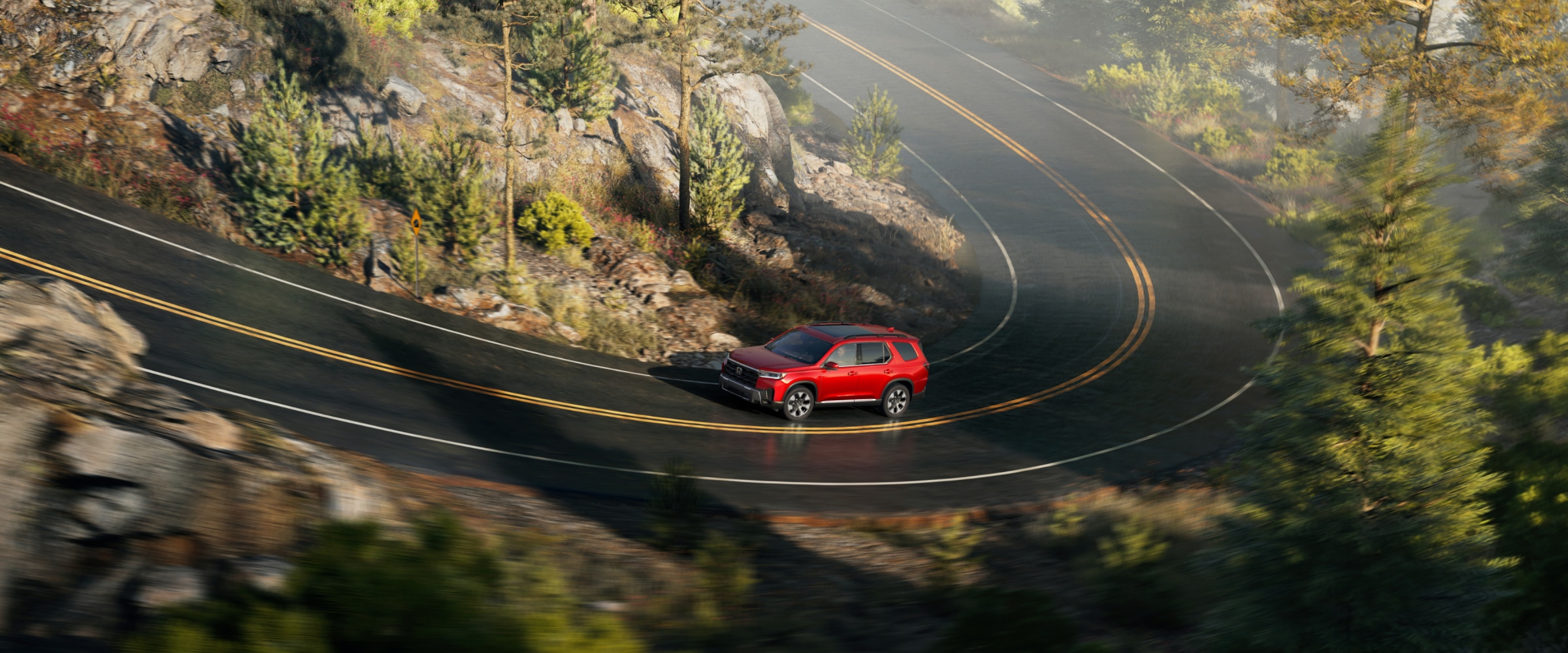
Honda has issued a major US recall affecting more than 880,000 Honda and Acura SUVs and pickups because corrosion around the rear subframe mounting area could weaken rear suspension attachment points. For most readers, this is not just a recall headline. It is a reminder that a clean-looking used SUV can still hide expensive and safety-critical rust underneath.
Dr. Worry verdict: if you are shopping for a used Honda Pilot, Passport, Ridgeline, or Acura MDX from the affected years, do not panic. These are still useful family vehicles. But do not buy one on reputation alone. Check the VIN, inspect the rear subframe carefully, and be extra cautious with cars imported from cold, salted-road regions.
Which Honda and Acura models are affected?
According to reports based on the National Highway Traffic Safety Administration recall filing, the recall covers certain US-market vehicles from these model ranges:
- 2016-2022 Honda Pilot
- 2017-2023 Honda Ridgeline
- 2019-2023 Honda Passport
- 2014-2020 Acura MDX
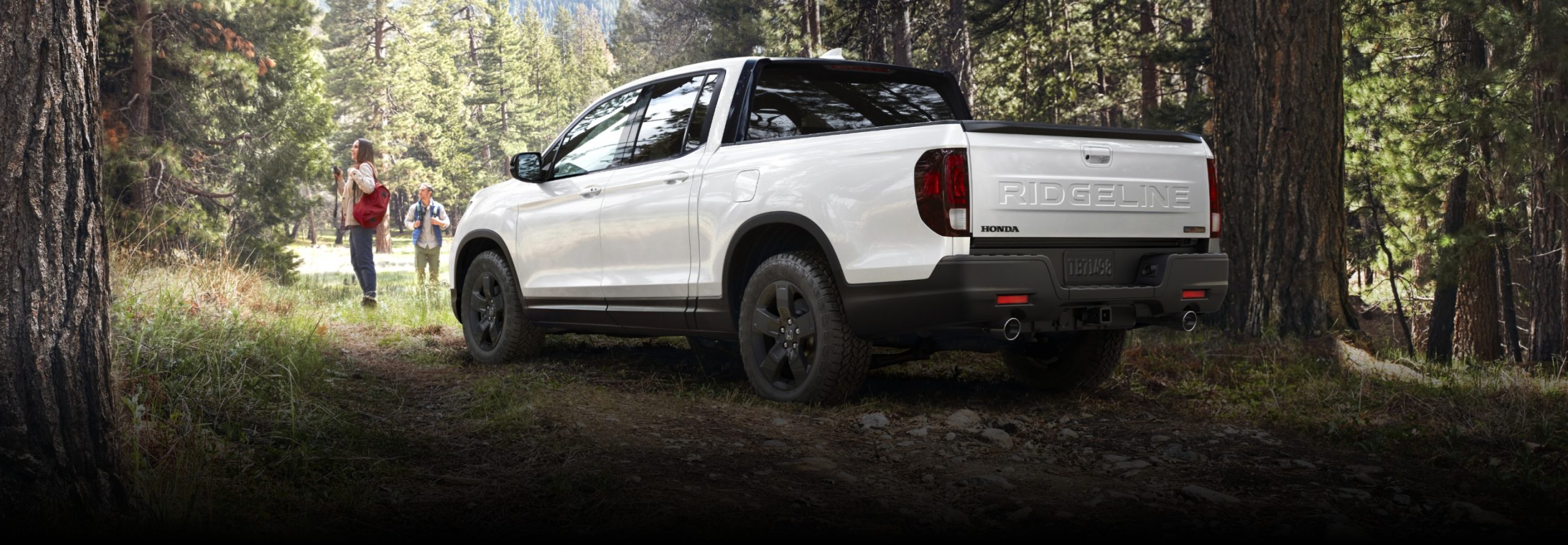
The recall is focused on vehicles sold or registered in US regions where road salt is commonly used in winter. That detail matters. Salt-belt vehicles usually face much harsher underbody corrosion than cars from warmer, drier regions.
If you are outside the US, this does not automatically mean your local-market Honda is recalled. But if the car was imported used from North America, or if you are checking a gray-import vehicle, the recall should be treated as a serious inspection point.
For a broader used-car safety mindset, WorryCars also has a practical guide on what to do if you discover issues after buying a used car.
What is the actual problem?
The issue is linked to premature corrosion around the rear subframe suspension mounting points. Reports say the rear subframe coating may not have adhered properly near certain welded areas. Once paint peels, exposed metal can corrode faster, especially in places where de-icing salt is used heavily.
As corrosion progresses, the mounting points for rear suspension arms can weaken. In the worst case, the rear wheel alignment or retention can be affected, reducing handling, stability, and braking control. That is why this is a safety recall, not just a cosmetic rust issue.
Why used-car buyers should care
Honda has a strong reliability image, and that image often pushes used prices higher. But reliability does not cancel out age, climate, previous ownership, and underbody condition. A 2017 Pilot from a dry state and a 2017 Pilot from a snowy, salted-road area can be very different cars underneath.
This is especially important for buyers in markets where imported used cars are common. The dashboard, seats, paint, and engine bay may look tidy, while the lower body and suspension mounts tell a different story. Rust near a suspension mounting point is not the same as a rusty exhaust hanger. One is annoying; the other can become dangerous.
What should you check before buying?
Start with the VIN. If the car is a US-market vehicle, check it through the official NHTSA recall lookup or ask a Honda or Acura dealer to confirm open recalls. Do not rely only on the seller saying “no problem” or “already checked.”
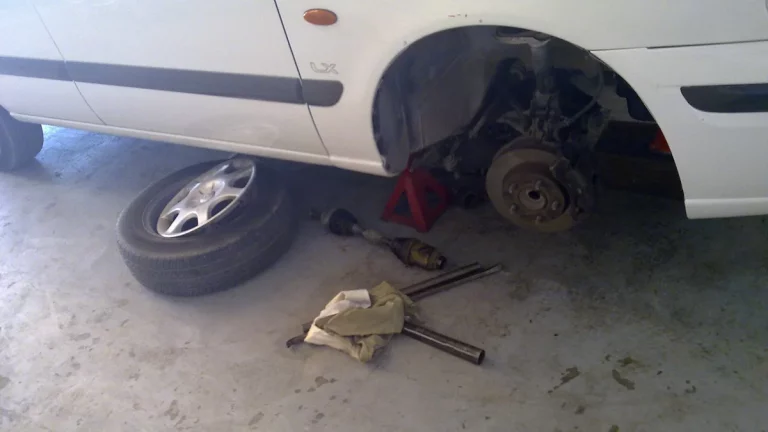
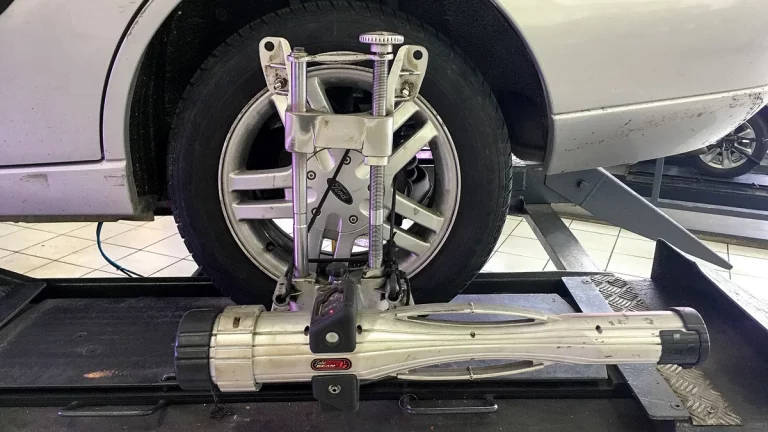
Then inspect the car physically. A proper pre-purchase inspection should include lifting the vehicle and checking the rear subframe area, suspension arm mounting points, lower arm brackets, weld areas, and surrounding underbody metal. Surface rust is common on older cars, but flaking metal, swelling seams, holes, cracks, or fresh undercoating hiding old corrosion are warning signs.

During a test drive, listen for abnormal rear suspension noise over bumps. Pay attention to vibration, pulling, strange rear-end movement, or unstable braking. These symptoms do not prove the recall issue is present, but they are enough reason to stop and inspect properly.
Should you avoid these Honda models completely?
No. A clean, inspected, properly maintained Pilot, Passport, Ridgeline, or MDX can still be a sensible buy. The lesson is not “never buy Honda.” The lesson is “do not buy blind.”
For family buyers, the Honda Pilot and Acura MDX remain attractive because they offer usable space, comfortable cabins, and generally good long-term ownership support. The Ridgeline is also a practical lifestyle pickup for people who want comfort more than heavy-duty truck work. But because these cars are often bought for family use, safety-related underbody checks should be non-negotiable.
If you are comparing Honda family SUVs more generally, this recall check can sit alongside normal buying factors like cabin space, running cost, and resale value. For context, see our Honda family SUV discussion in the Honda CR-V Hybrid Sport Touring review.
What if the car has already been repaired?
Ask for documentation. A seller should be able to show dealer repair records, recall completion status, or service paperwork. If the repair involved reinforcement, replacement, or corrosion treatment, you still want an independent mechanic to inspect the quality of the work.
Also remember that a completed recall does not automatically make the whole underbody perfect. The recall targets a specific defect area. A car that lived in harsh winter conditions may have other rust-prone areas too: brake lines, exhaust mounts, suspension bolts, fuel tank straps, floor seams, and lower door edges.
Dr. Worry used-car checklist
- Check the VIN for open recalls before negotiating price.
- Confirm whether the vehicle came from a salted-road region.
- Lift the car and inspect the rear subframe, not just the paint and interior.
- Look for flaking rust, cracked metal, fresh black undercoating, or uneven repair marks.
- Listen for rear suspension clunks or vibration on the test drive.
- Ask for official repair documents if the seller says the recall was completed.
- Walk away if the seller refuses a proper underbody inspection.
Final recommendation
This Honda SUV recall is most relevant to US-market vehicles exposed to road salt, but the buying lesson applies everywhere. Used-car condition is local, physical, and specific. Badge reputation helps, but it should never replace a lift inspection.
If you are considering a used Honda Pilot, Passport, Ridgeline, or Acura MDX from these years, treat the rear subframe as a must-check item. A good one can still be worth buying. A rusty one can turn a “reliable Honda” into an expensive and unsafe mistake.
FAQ
Is this Honda recall global?
The reports so far focus on US-market vehicles, especially those from salt-belt states. Buyers in other countries should still check imported used cars by VIN and underbody condition.
Can I tell if the car is affected just by looking at it?
No. A clean exterior does not confirm a clean rear subframe. The vehicle should be lifted and inspected from underneath.
Is surface rust enough reason to reject the car?
Not always. Light surface rust can be normal on older vehicles. Heavy flaking, holes, cracked mounting points, or suspicious fresh coating near structural areas are much more serious.
Who pays for the recall repair?
For affected vehicles in the official recall population, Honda or Acura dealers are expected to inspect and repair the issue at no cost to owners. Buyers should confirm status by VIN with an official recall lookup or dealer.
Related Ridgeline update: Honda has now confirmed the third-generation pickup. Read the next-generation Honda Ridgeline buy-now or wait decision before paying extra for the outgoing 2026 truck.