Dr. Worry’s verdict: Buy the 2026 Honda Ridgeline if you need a comfortable, proven pickup soon and can negotiate a sensible price. Wait for the confirmed third-generation truck if you can live without a pickup for up to two years and want the chance of a newer powertrain, fresher cabin, and stronger resale story. Do not pay a scarcity premium merely because current production will pause.
Honda has finally removed the biggest uncertainty: the Ridgeline is not being abandoned. The company says a third generation is in development and will come to market within two years. What Honda has not confirmed is equally important—price, powertrain, towing capacity, fuel economy, dimensions, launch month, or Southeast Asia availability.
Quick Takeaways
- Honda officially confirmed a third-generation Ridgeline arriving within two years.
- Production of the current 2026 truck will pause later in 2026.
- The new truck will be styled in Southern California, engineered in Ohio, and built in Alabama.
- Honda promises a more rugged design but has not confirmed a hybrid system or final specifications.
- The current truck remains the lower-risk choice for buyers who value known capability and immediate availability.
What Honda Actually Confirmed
Honda’s announcement says the next Ridgeline will be a true third-generation model, not simply another trim package. It will continue to be designed, engineered, and manufactured in the United States. Current 2026 production will pause as the Alabama plant prepares for the replacement.
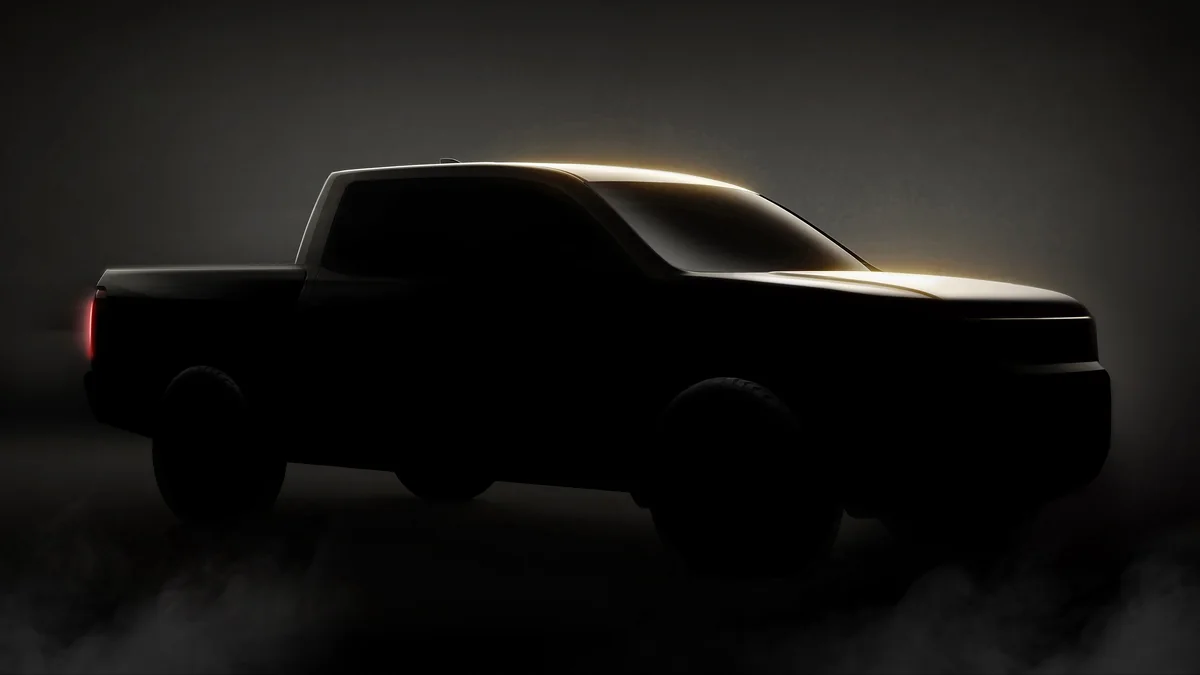
The official teaser shows a boxier, more upright silhouette and Honda describes the design as more rugged. That is all I would treat as firm. Reports suggesting hybrid power are plausible because Honda has discussed electrifying larger vehicles, but Honda did not confirm the Ridgeline’s engine, battery, gearbox, output, or fuel-economy numbers in this announcement.
The phrase “within two years” also needs discipline. It is not a precise dealer-arrival date. Tooling, certification, supply, and market allocation can all affect when a customer actually takes delivery. If you need a truck for work or family duty this year, a teaser cannot carry cargo.
The Case for Buying the 2026 Ridgeline
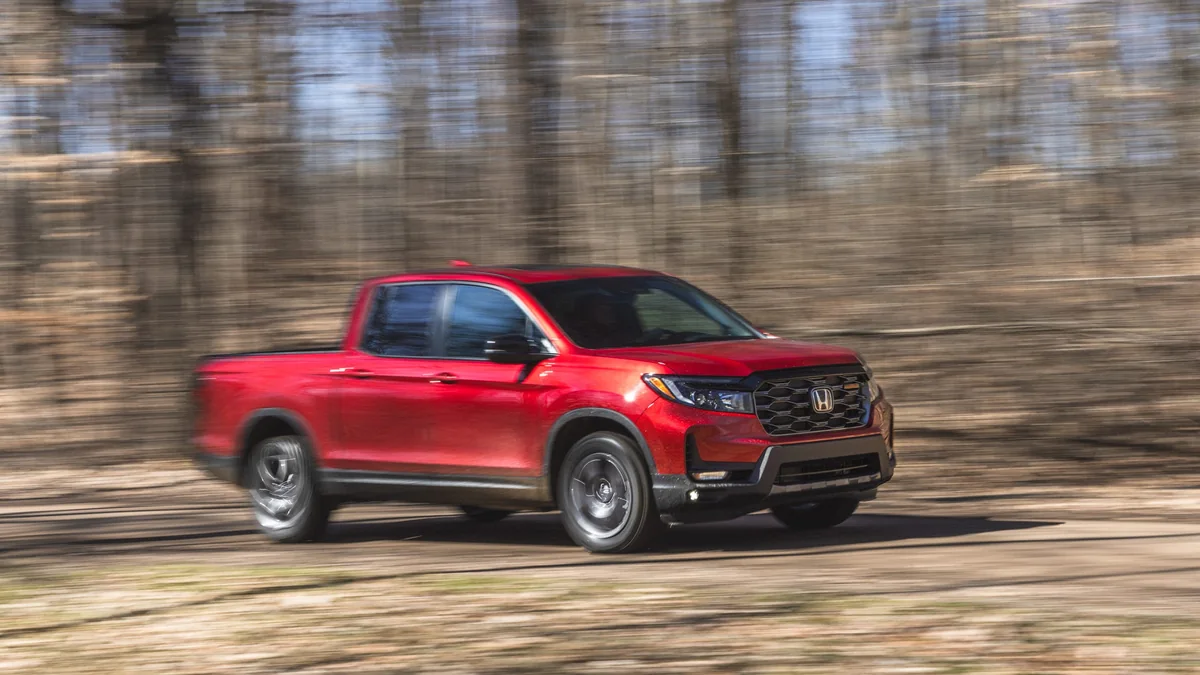
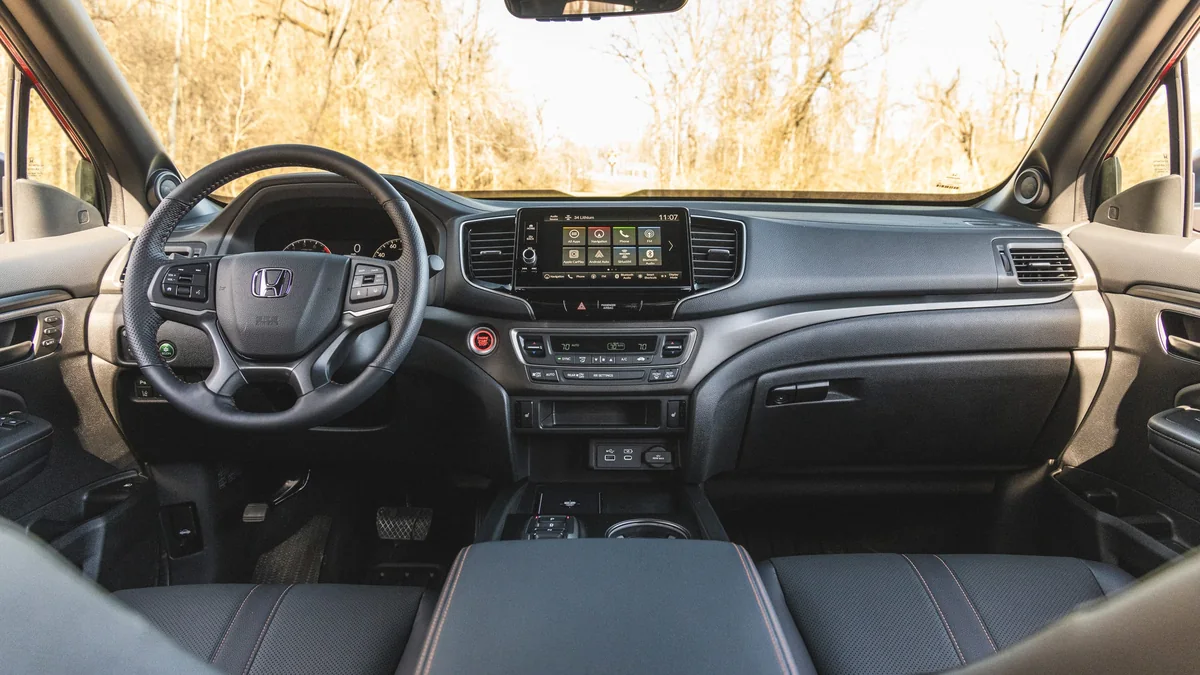
The current Ridgeline’s appeal is well understood. Honda lists a 280-horsepower V6, standard all-wheel drive, a 5,000-pound maximum towing rating, a dual-action tailgate, and a lockable in-bed trunk. It is a unibody pickup with independent suspension, so it prioritizes ride comfort, cabin usability, and predictable road manners over maximum towing or extreme off-road hardware.
That makes it a smart fit for an owner who carries bikes, tools, camping equipment, or household loads but spends most time on paved roads. It is less compelling for someone who regularly tows above 5,000 pounds, needs a long bed, or treats rock crawling as normal use.
Buying now also gives you known service information, known accessories, and a mature platform. If production pauses and dealers still have inventory, discounts may become possible—or dealers may attempt markups. My rule is simple: reward a real discount, not a fear story. A discontinued production run does not automatically make a mass-market pickup collectible.
Before buying any used example, review my Honda Pilot, Passport, Ridgeline, and MDX used-car recall check. It covers an older corrosion campaign and does not apply to every 2026 truck, but it shows why VIN history and underbody inspection still matter.
The Case for Waiting
Waiting makes sense if you want the next truck’s complete specification before committing. A new generation may improve efficiency, infotainment, active-safety hardware, rear-seat packaging, payload, towing, or rough-road ability. It may also cost more, arrive with first-year teething issues, or lose some of the simplicity that current owners appreciate.
The powertrain is the biggest unknown. A hybrid could reduce fuel use in urban traffic and add low-speed torque, but it could also increase price, weight, and repair complexity. Until Honda publishes the system, I would not base a deposit on assumed horsepower or economy.
I would also wait if resale value matters and you normally replace a vehicle after three or four years. Buying the outgoing design shortly before a new generation arrives can put extra pressure on trade-in value. A large enough discount can compensate, but that calculation requires an actual transaction price, not just the manufacturer’s suggested price.
Southeast Asia Reality
Honda’s announcement is centered on North American development and production. There is no confirmed Vietnam or broader Southeast Asia launch in the material reviewed. A privately imported Ridgeline can be appealing, but its width, left-hand-drive specification, parts supply, tax burden, and resale market deserve more attention than the teaser image.
In Vietnam’s dense traffic, the current truck’s comfortable ride and useful cabin are positives, while its footprint and fuel consumption are real compromises. If you only need an occasional load bed, compare the total ownership cost with a locally supported SUV and trailer or a smaller commercial pickup.
Buyers attracted mainly by a low advertised EV-pickup price should read my Slate Truck affordability assessment. It is a completely different product, but it illustrates how missing options, charging, payload, and final delivery cost can change a headline price.
What I Would Check Before Buying
- Get the actual out-the-door price and compare it with expected depreciation after the redesign.
- Confirm towing, payload, bed dimensions, and tongue-weight needs rather than buying on style.
- Run the VIN for recalls and inspect the underbody, tires, bed, and towing equipment.
- Check parts and warranty support if the truck will live outside North America.
- Do not assume the third-generation truck is hybrid until Honda confirms it.
- Do not place a non-refundable deposit without a written specification, price, and cancellation rule.
FAQ
Is Honda discontinuing the Ridgeline?
No. Honda confirmed a third generation and says it will come to market within two years. Production of the current 2026 model will pause later in 2026.
Will the next Ridgeline be a hybrid?
Honda has not confirmed the powertrain. A hybrid is widely expected, but buyers should treat that as unconfirmed until official specifications arrive.
Should I buy a 2026 Ridgeline before production stops?
Buy if you need the truck now, its 5,000-pound towing ceiling suits you, and the transaction price is fair. Wait if you prioritize the redesign and can tolerate uncertain timing.
Will current Ridgeline prices rise?
Dealer behavior may vary. A production pause can tighten supply, but it does not justify any markup automatically. Compare multiple written offers and be willing to walk away.
Is the next Ridgeline confirmed for Vietnam?
No Southeast Asia launch was confirmed in the announcement reviewed. Import, service, warranty, and registration limitations remain market-specific.
Dr. Worry’s Final Recommendation
I would buy the 2026 Ridgeline only for a real present-day need and a disciplined price. It is a practical, mature pickup whose limits are already known. I would wait if the purchase is optional, because the third-generation model is now official and the unanswered powertrain and efficiency questions could materially change the value equation.
Either way, refuse the hype tax. The current truck is not suddenly rare treasure, and the teaser is not yet a finished specification sheet.