Dr. Worry’s verdict: I would not authorize a brake-fluid flush merely because the fluid looks dark or a service adviser points at a generic timetable. I would check the owner’s manual, service date, correct DOT specification and a credible moisture or boiling-point test. In a humid tropical climate, time matters—but evidence and manufacturer instructions still outrank workshop theatre.
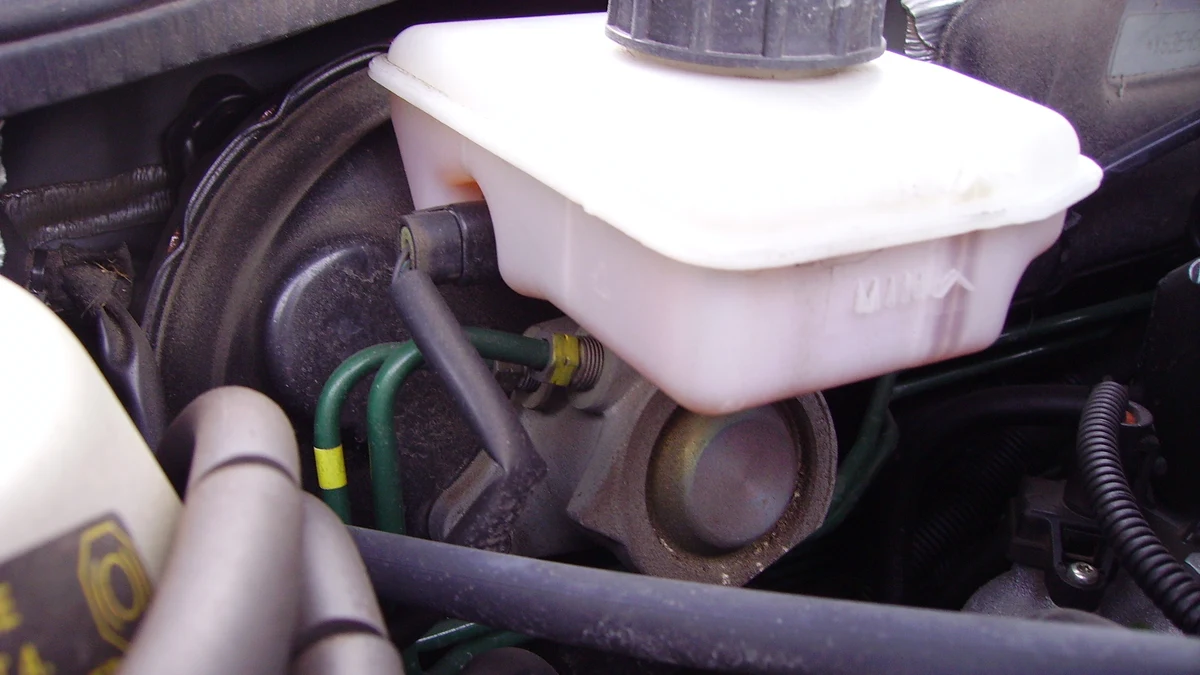
Brake fluid is easy to ignore because it does not wear down like a brake pad. Yet conventional DOT 3, DOT 4 and DOT 5.1 fluids absorb moisture over time. Water lowers the boiling margin and can promote internal corrosion. That matters during repeated hard stops, long mountain descents, towing and heavy vehicles. It also matters in modern ABS and stability-control hydraulic units that are expensive to repair.
Quick Takeaways
- Follow the vehicle’s specified fluid class and service schedule first.
- Humidity raises concern, but climate does not justify inventing a universal annual flush.
- A clean reservoir color is not proof of a safe wet boiling point.
- Ask the workshop to record the test method, result, fluid specification and flush date.
- A soft pedal is a diagnostic problem, not permission to assume old fluid is the only cause.
What Moisture Changes Inside the Brake System
NHTSA explains that moisture contamination lowers brake-fluid boiling point and increases the possibility of vapor lock and component corrosion. The federal DOT classes therefore specify both dry and wet performance. NHTSA lists a minimum wet boiling point of 140°C for DOT 3 and 155°C for DOT 4. Those are regulatory minimums, not replacement targets for every vehicle.
Under normal braking, old fluid may feel fine. The danger appears when heat reaches fluid near the calipers. If contaminated fluid boils, vapor compresses and pedal travel can increase when the driver needs hydraulic pressure most. Moisture also works quietly against metal surfaces and valves. I care about the combination of service age, use, measured condition and system specification—not color alone.
Does Tropical Humidity Mean You Must Flush Every Year?
Not as a universal rule. A hot, humid and coastal environment is a reasonable reason to inspect more carefully and avoid stretching a schedule, but the system is not an open cup. Vehicle design, cap sealing, hose condition, fluid formulation and driving use all affect contamination. Continental Aftermarket advises workshops to follow the individual manufacturer’s specification and notes that suitable products can support intervals up to three years under stated conditions.
My baseline is the service book. Some manufacturers specify a time interval; others rely on inspection. If the vehicle has an unknown history, has spent years near the coast, tows, descends mountain roads or has had hydraulic work, I want a documented condition test and a careful inspection. I do not claim that Vietnam automatically halves every published interval.
What a Credible Workshop Test Looks Like
Ask what the tool measures. Some inexpensive pens estimate conductivity and infer water content. Test strips use a chemical response. Professional instruments may estimate boiling point from a sample. Results are not interchangeable, and contamination in the reservoir may not perfectly represent fluid at each caliper. A suspicious result should support a proper service decision, not become a dramatic sales prop.
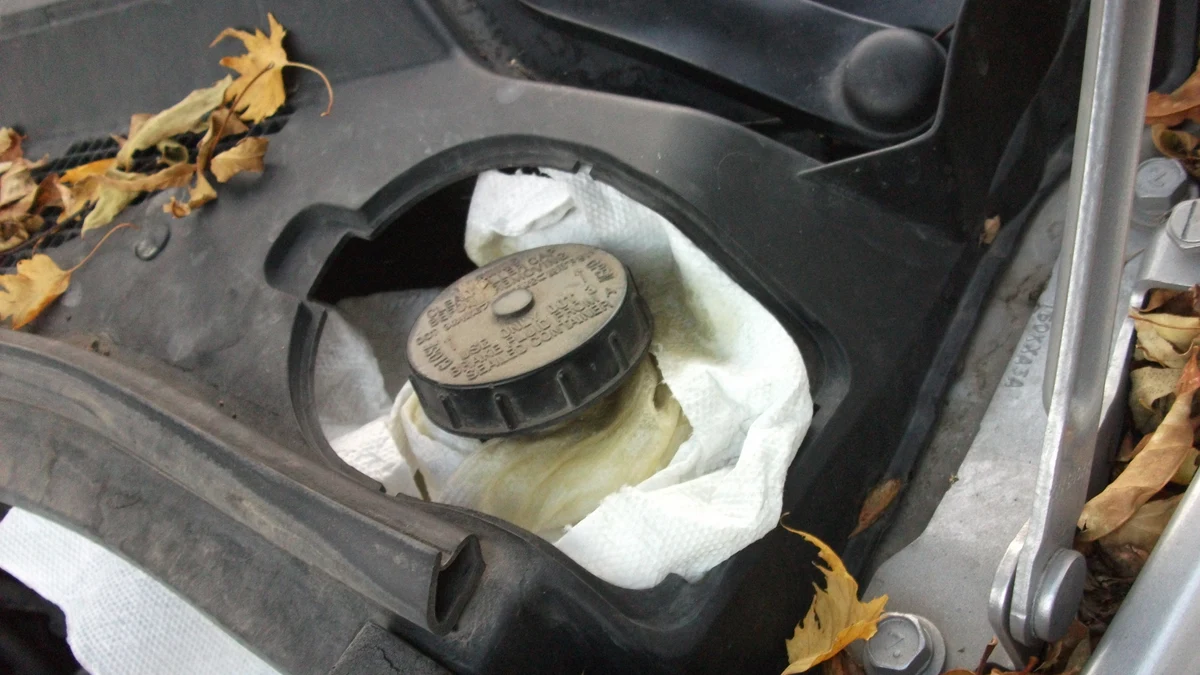
I ask the technician to record the reading, the tester type, the vehicle specification and the date. If the shop recommends replacement, the invoice should state the fluid used—DOT 3, DOT 4, low-viscosity DOT 4 or another exact approved class. The label on the reservoir and the owner’s manual are the authority. DOT 5 silicone fluid is not a casual upgrade for a system designed for glycol-based DOT 3, DOT 4 or DOT 5.1.
Why Color and Pedal Feel Can Mislead
Fluid may darken with age and contamination, but NHTSA notes that color can change in storage or use without proving performance failure. Conversely, fluid that looks clean may still have absorbed moisture. A photograph of a reservoir is therefore weak evidence.
A soft or sinking pedal needs immediate diagnosis because air, a leak, a failing master cylinder, flexible-hose expansion, caliper trouble or an incorrect bleeding procedure can create similar symptoms. Do not keep driving a car with changing pedal behavior while waiting for a routine appointment. After any windshield or front-end work, remember that brake operation may also interact with driver-assistance calibration; WorryCars explains the evidence to request in its ADAS calibration after windshield replacement guide.
What I Would Check Before Approving a Flush
- Read the exact fluid class and interval in the owner’s manual.
- Verify the last change from an invoice, not a windscreen sticker.
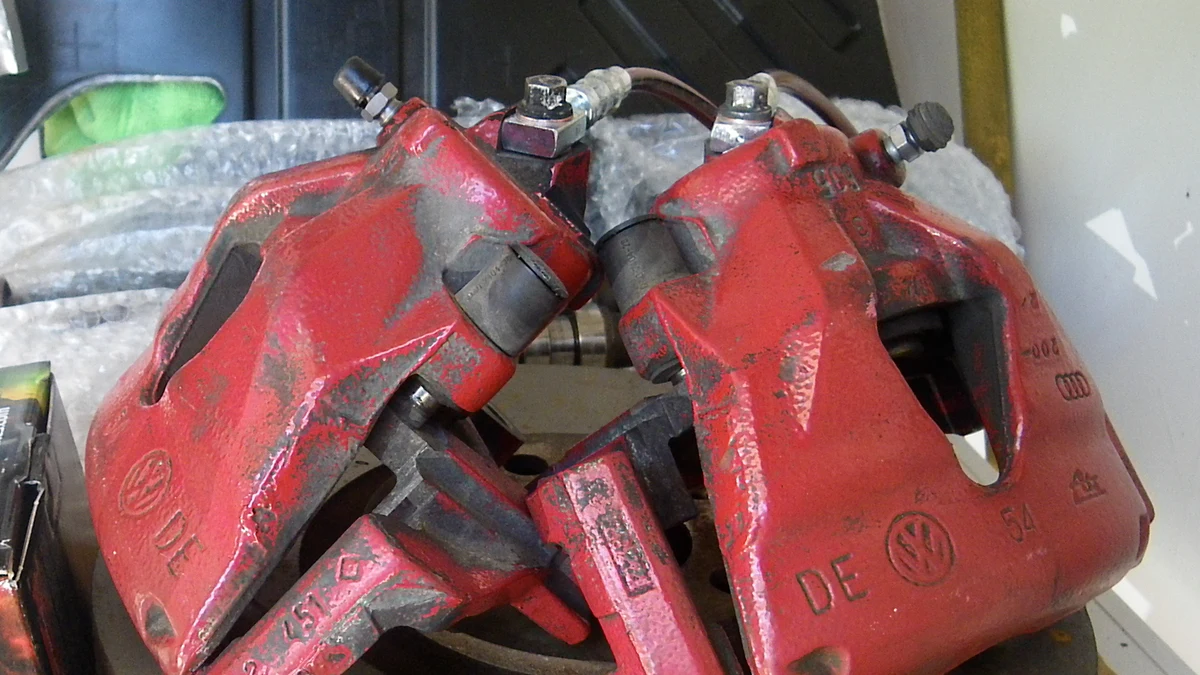
- Inspect reservoir level, cap, hoses, calipers and the system for leaks.
- Request a documented moisture or boiling-point result when the history is unclear.
- Confirm the workshop has a scan-tool procedure where the ABS unit requires activation.
- Use fresh fluid from a sealed container and record the brand and specification.
- After service, check pedal firmness, leaks, warning lamps and a controlled low-speed stop.
Heat, Hills and the Rest of the Car
Fluid condition is one part of braking safety. Tire grip, tread, age, pressure, pad material, rotor condition, vehicle load and driving technique determine whether the car can use hydraulic pressure effectively. In monsoon rain, the hot-climate tire-age guide is just as important as the fluid discussion. Buyers with unknown histories should also follow the used-car problem documentation steps before paying for disputed work.
On a long descent, use the correct lower gear or regenerative setting instead of riding the brake continuously. Regenerative braking does not eliminate the hydraulic system: emergency stops, stability control and low-speed blending still depend on well-maintained friction brakes and the correct fluid.
Frequently Asked Questions
How often should brake fluid be changed in Vietnam?
Use the manufacturer schedule for the exact vehicle, then adjust inspection discipline for humidity, use and history. I do not apply one universal interval to every car.
Is dark brake fluid automatically unsafe?
No. Color is a clue, not a complete test. Combine service age, specification, system inspection and a credible condition measurement.
Can I mix DOT 3 and DOT 4?
Compatibility does not mean any mixture is appropriate. Use the class and performance specification required by the manufacturer, and never substitute DOT 5 silicone fluid casually.
Will a flush fix a soft brake pedal?
Only if contaminated fluid or air is the cause. A soft or sinking pedal may indicate a leak or component fault and needs diagnosis before the car is driven normally.
Dr. Worry’s Final Recommendation
I would treat brake fluid as a safety item that deserves measured decisions. Follow the book, test intelligently when history is uncertain, and insist on the exact approved fluid and a clean bleeding procedure. Humidity is a reason to be attentive, not a reason to accept an unsupported invoice.