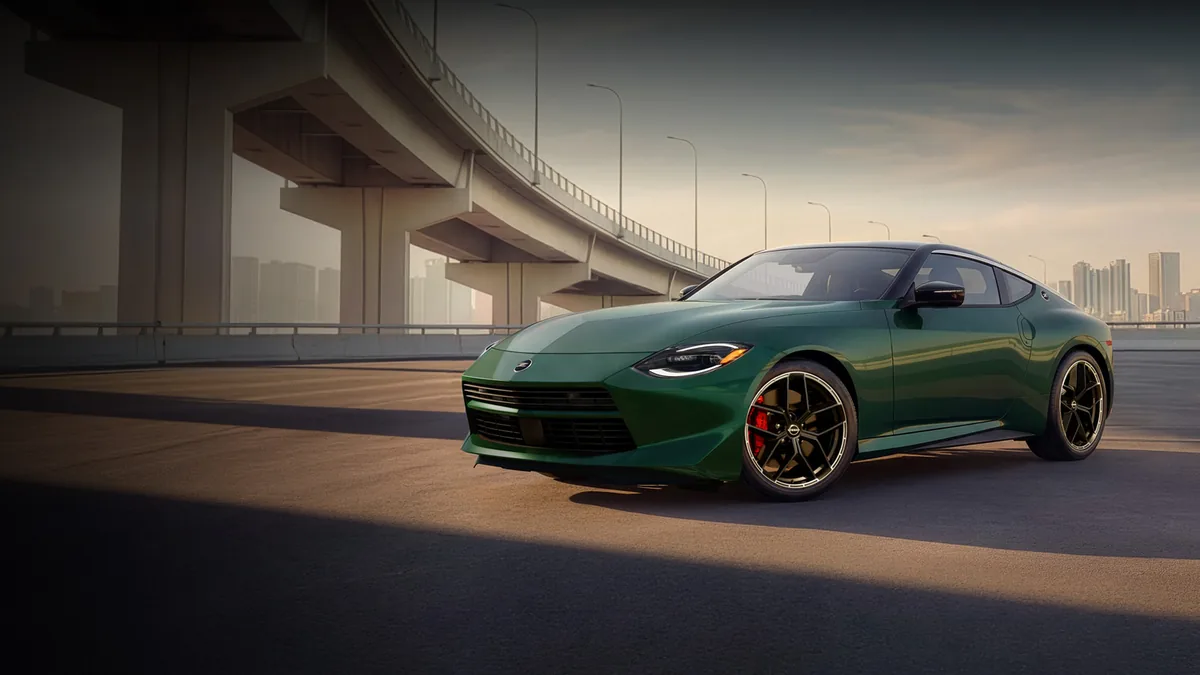
Dr. Worry’s verdict: The 2027 Nissan Z updates are not about raw horsepower, but about fixing the subtle annoyances that plague sports car ownership: vibration control under load and fuel starvation during aggressive cornering.
If you already own a clean current-generation Z for daily commuting on smooth roads, do not panic. However, if your primary use involves track days, mountain runs with patchy concrete, or high-G autocross events, the 2027 model year offers tangible mechanical improvements that justify waiting for production.
Nissan USA confirms the new model arrives in summer 2026, retaining the familiar 400-hp twin-turbo V6 formula but introducing specific hardware revisions. This is a decision based on engineering confidence rather than marketing hype. The question remains: does this revised Z become easier to trust as both a weekend track toy and a weekday coupe?
What Changed for 2027: Beyond Horsepower
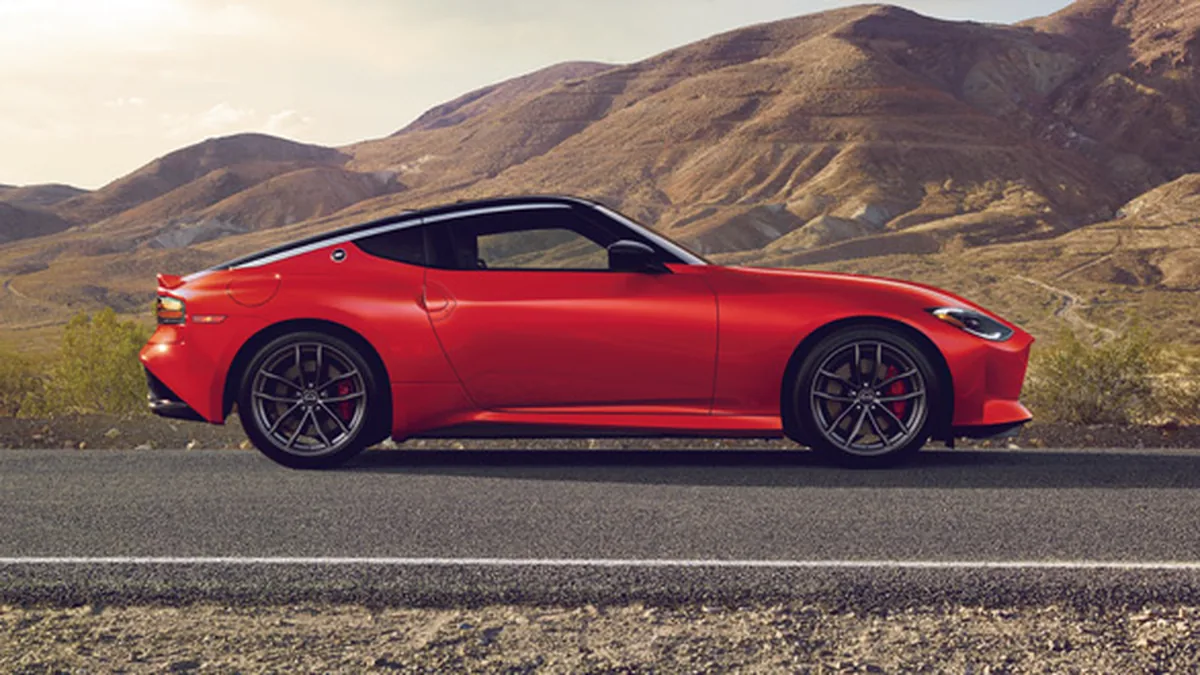
The official specifications highlight larger-diameter monotube shock absorbers on Z Performance models. Nissan states the aim is smoother ride quality and more responsive handling through better vibration control. All 2027 Z models also receive fuel-tank revisions intended to maintain consistent fuel delivery during extreme high-G cornering.
These details matter because sports cars often disappoint in ordinary ownership for boring reasons. A car can have enough horsepower and still feel unsettled on rough pavement. It can run strong on a short pull and still starve for fuel under sustained cornering. I like that Nissan is talking about the less glamorous hardware because that is where confidence comes from.
In my experience, buyers over-shop power and under-shop control. The Z already has enough power to get you into trouble. What separates a satisfying coupe from a stressful one is how the chassis deals with bad asphalt, quick steering inputs, and heat. Larger monotube dampers are not a magic fix, but they suggest Nissan is trying to improve body control without making the car feel brittle.
That is important in Southeast Asia, where roads can change character every few kilometers. A sports coupe that feels perfect on smooth tarmac can become tiring on patchy concrete, wet flyovers, or mountain roads with mid-corner bumps. If the 2027 Z Performance rides with more polish while staying sharp, it becomes easier to justify as an only fun car.
Fuel Delivery: The Hidden Track-Day Issue
Nissan’s fuel-tank revision sounds deeply unsexy until you have paid for a track session and the car stumbles in a long corner. Consistent fuel delivery under high-G conditions matters for drivers who run the car hard with less than a full tank.
Even if you never track the car, the update tells me Nissan has listened to performance-use feedback regarding engine starvation issues common in previous generations of hot hatches and coupes. I would still ask owners and dealers about oil temperatures, brake pad availability, tyre wear, and warranty language around track use. A revised fuel tank does not make the Z a maintenance-free track car. It simply removes one worry from a list that still includes heat, consumables, and driver skill.
Daily Ownership: The Checks I Would Not Skip
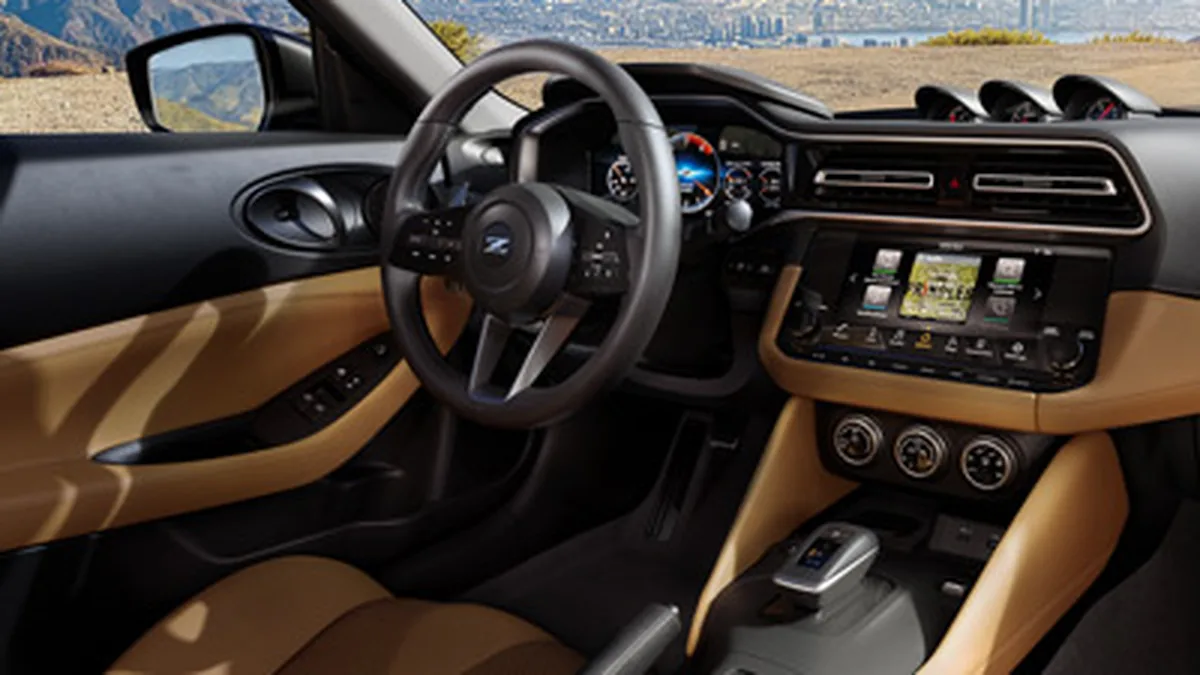
The Z is romantic, but a buyer should be unsentimental during inspection. Sit low in traffic and check outward visibility. Pair your phone and test the wireless charger or cable position. Try the clutch in stop-and-go traffic if you want the manual.
Ask about tyre sizes and replacement pricing. Check whether your dealer regularly services Z cars or mostly sees crossovers like the Nissan Armada and Rogue.
I would also compare insurance quotes before choosing the Performance trim. In many markets, a sports coupe with expensive tyres and performance brakes can cost far more to run than the monthly payment suggests. The Z may be simple compared with some German rivals, but it is not cheap transport.
Quick Takeaways
- Core Appeal: Twin-turbo V6 power, rear-wheel drive, and an available manual gearbox remain unchanged.
- The Performance Trim: This is the one to watch because the damper update directly affects ride and handling dynamics on uneven surfaces.
- Fuel Tank Revision: Most relevant if you do track days, mountain runs, or very aggressive driving where fuel starvation was a known issue in earlier models.
- Daily Buyers: Should still check visibility, cabin storage, tyre cost, heat management, and dealer familiarity before purchasing.
The factual baseline for this guide comes from the primary official or regulatory source and independent automotive reporting. I use those published details as inputs; the buyer and ownership judgment is my own.
Buyer Tradeoffs: 2026 vs. 2027
If you are cross-shopping a remaining 2026 against a factory-order 2027, the decision depends on discount size. A large discount on a 2026 could still win if you do not track the car.
A small discount is harder to defend because the 2027 improvements address real enthusiast use cases like vibration control and fuel delivery consistency. If the price gap is modest, I would wait for the 2027 test drive. However, if a discounted 2026 offers savings sufficient to pay for new tyres, brake pads, and insurance premiums for the first year of ownership, that may be the pragmatic choice.
For those interested in Nissan’s electrified future alongside their performance lineup, you might consider how the brand is evolving. For instance, before ordering any electric vehicle from this manufacturer, review the 2026 Nissan LEAF buyer advice to understand the brand’s current reliability stance on electrified platforms.
Detailed Comparison Context: Alternatives and Rivals
The Z is not alone in its segment. Understanding where it sits relative to competitors helps frame the value proposition of waiting for a 2027 model year update versus buying now. While specific rivals like Mazda or VinFast offer different philosophies, understanding market positioning is key.
For example, when evaluating smaller vehicles that might serve as daily drivers before upgrading to a sports coupe, look at detailed comparisons of the Mazda 2 and VinFast VF5 against Nissan’s Almera. This helps establish a baseline for what you are willing to spend on daily transportation versus an enthusiast car.
In contrast, if your budget allows for luxury performance SUVs rather than coupes, consider how brands like Mercedes-AMG handle similar engineering challenges in larger vehicles by reviewing the 2027 Mercedes-AMG CLA 45 EV to see how multi-motor systems handle heat and power delivery differently than a V6.
Frequently Asked Questions (FAQ)
Is the 2027 Nissan Z more powerful?
Nissan’s highlighted material keeps the familiar 400-hp twin-turbo V6 message. The important changes are chassis and fuel-delivery related, not a headline power jump.
Is the manual still worth choosing?
For an enthusiast, yes. I would choose the manual if traffic is tolerable and you want the car for involvement. If the car will be a daily commuter in heavy congestion, test the clutch first.
Should I buy a discounted 2026 Z instead?
Only if the discount is meaningful and you are not planning hard track use. If the price gap is small, I would wait for the 2027 test drive.
What about reliability concerns with high-G driving?
The fuel-tank revision specifically addresses issues where cars stumble under load. However, a revised tank does not make the Z maintenance-free; heat management and brake pad availability remain critical factors to monitor regardless of model year.
FAQ
Is the 2027 Nissan Z more powerful?
Nissan’s highlighted 2027 material keeps the familiar 400-hp twin-turbo V6 message. The important changes are chassis and fuel-delivery related, not a headline power jump.
Is the manual still worth choosing?
For an enthusiast, yes. I would choose the manual if traffic is tolerable and you want the car for involvement. If the car will be a daily commuter in heavy congestion, test the clutch first.
Should I buy a discounted 2026 Z instead?
Only if the discount is meaningful and you are not planning hard track use. If the price gap is small, I would wait for the 2027 test drive.
Dr. Worry’s Final Recommendation
I would put the 2027 Nissan Z on a short waitlist, especially in Performance trim. The changes are not flashy, but they address the things that make a sports car easier to trust.
My buying rule is simple: take the 2027 if the price difference is modest; take a 2026 only if the discount is strong enough to pay for tyres, brakes, and the first year of real ownership. If you are in Southeast Asia or similar markets with varied road surfaces, prioritize the dampers over horsepower.
Ultimately, the Z remains one of the few affordable ways to own a genuine sports car experience without paying European premiums. But remember that reliability and daily usability often trump raw specs in the long run of ownership.
The 2027 model year represents a refinement, not a revolution. It is for those who have driven hard enough to know that vibration control matters more than an extra 10 horsepower on paper.