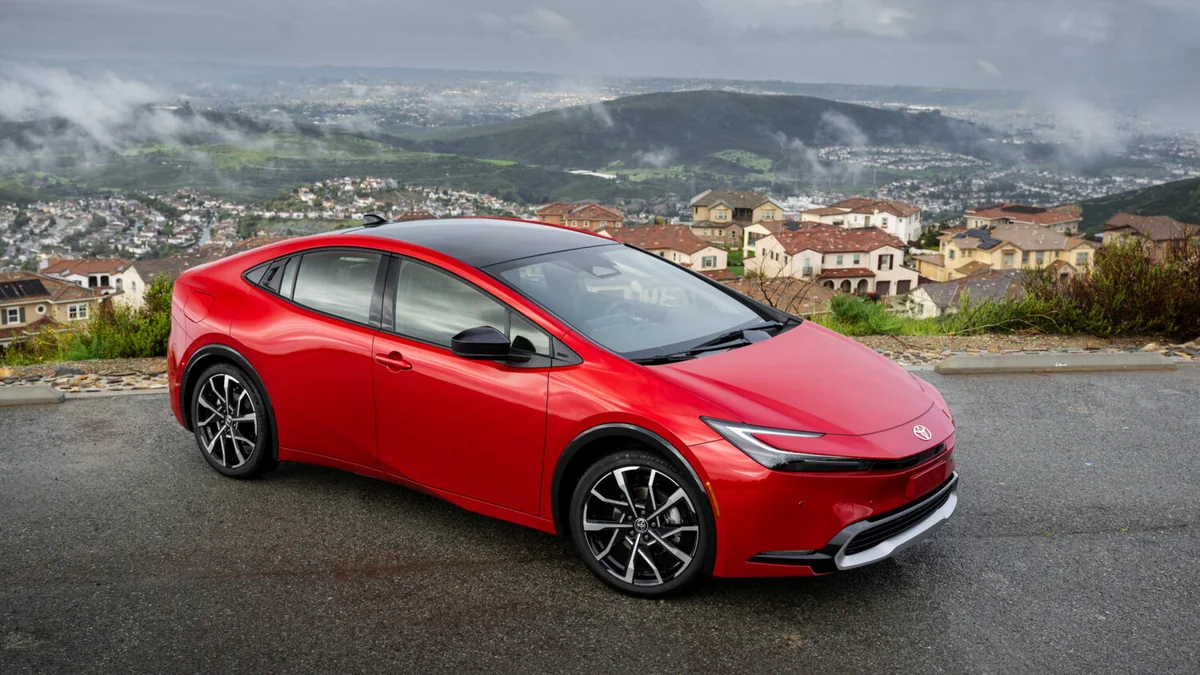
Dr. Worry’s verdict: The 2027 Toyota Prius Plug-in Hybrid SE is the rational choice if you can charge at home and most daily trips fit inside its EPA-estimated 44-mile electric range. I would skip the expensive upper trims unless their comfort features matter more to you than maximum efficiency and value.
The 2027 Prius Plug-in Hybrid is not a dramatic redesign, and that is fine. Toyota has kept the useful formula: electric commuting without giving up a gasoline engine for longer journeys. The buyer question is not whether the technology works on paper. It is whether your charging routine, trim choice and local market support allow you to use what you are paying for.
Quick Takeaways
- The SE starts at a U.S. base MSRP of $33,980 before the stated $1,295 processing and handling fee.
- Toyota rates the SE for up to 44 miles of electric range and 51 mpg combined in hybrid operation.
- XSE, Nightshade and XSE Premium grades are rated for up to 39 electric miles.
- The 220-hp system uses a 2.0-liter engine, motor-generators and a 13.6-kWh battery.
- Home charging access is the difference between a useful plug-in hybrid and a heavier hybrid you rarely plug in.
The SE Makes the Best Efficiency Case
Toyota’s official U.S. figures put the SE at $33,980, the XSE at $37,230, the Nightshade at $38,000 and the XSE Premium at $40,675. These prices exclude the stated processing and handling fee and do not describe taxes, dealer charges or prices outside the United States.
The SE also receives the best published electric-range and hybrid-efficiency numbers. Its 17-inch wheels help it reach an EPA-estimated 44 electric miles and 51 mpg combined once the gasoline engine is part of the journey. The other grades use 19-inch wheels and are rated for up to 39 electric miles. That five-mile difference will not matter to every driver, but it shows the cost of choosing style and equipment over the simplest efficiency setup.
Before choosing any PHEV, understand what hybrid efficiency figures mean in real ownership. Laboratory ratings are comparison tools, not promises. Speed, temperature, air conditioning, hills, tire pressure and traffic all change the result.
Charging Is Easy, but Your Routine Still Matters
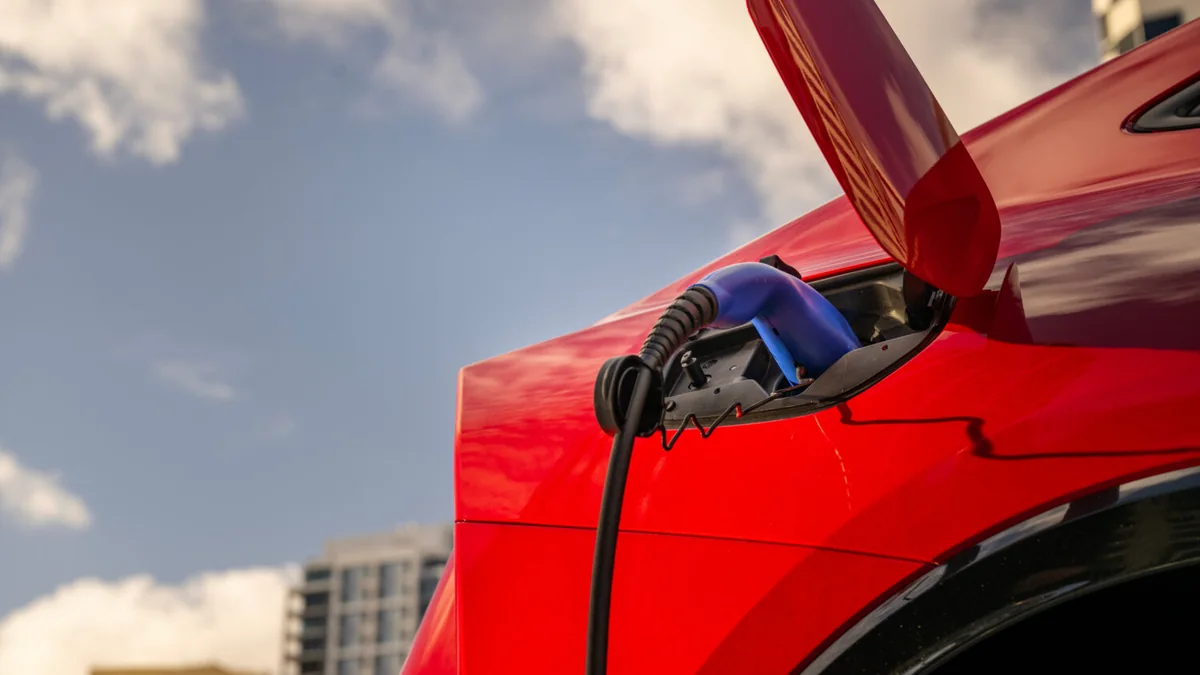
Toyota says the supplied dual-voltage cable can charge the battery in about 11 hours from a standard 120-volt outlet under ideal conditions, or about four hours on Level 2. If the battery is depleted, the car continues as a hybrid. That flexibility is the whole reason I like a well-used PHEV in regions where public charging can be inconsistent.
But “can run without charging” is not a reason to ignore the plug. If you rarely connect it, you carry the cost and mass of the larger battery without collecting much electric-driving benefit. Apartment residents should confirm a legal, weather-protected charging space before buying. Do not assume an extension cord across a walkway is an acceptable long-term solution.
Performance Is Stronger Than the Old Prius Stereotype
The fifth-generation hybrid system combines a 2.0-liter gasoline engine with motor-generators for 220 net horsepower. Toyota gives an EPA-estimated 6.6-second 0-to-60-mph time. I treat that number as manufacturer-supplied context, not a test result from my own drive, but it confirms that this is no longer merely a slow economy car.
The modes are straightforward. EV mode prioritizes battery driving when charge permits. Auto EV/HV can ask the engine for help under heavier demands. Hybrid mode blends the two energy sources. In practice, the best owner learns to save electric range for slow urban running when useful and accepts that the engine may start for power, climate or system-management reasons.
Which 2027 Prius Plug-in Trim Should You Buy?
I would start with SE. It includes rain-sensing wipers, a heated steering wheel, six USB-C ports, an 8-inch screen and the core safety equipment. Its smaller wheels should also be easier and cheaper to replace than the 19-inch setup, an important advantage on broken urban roads.
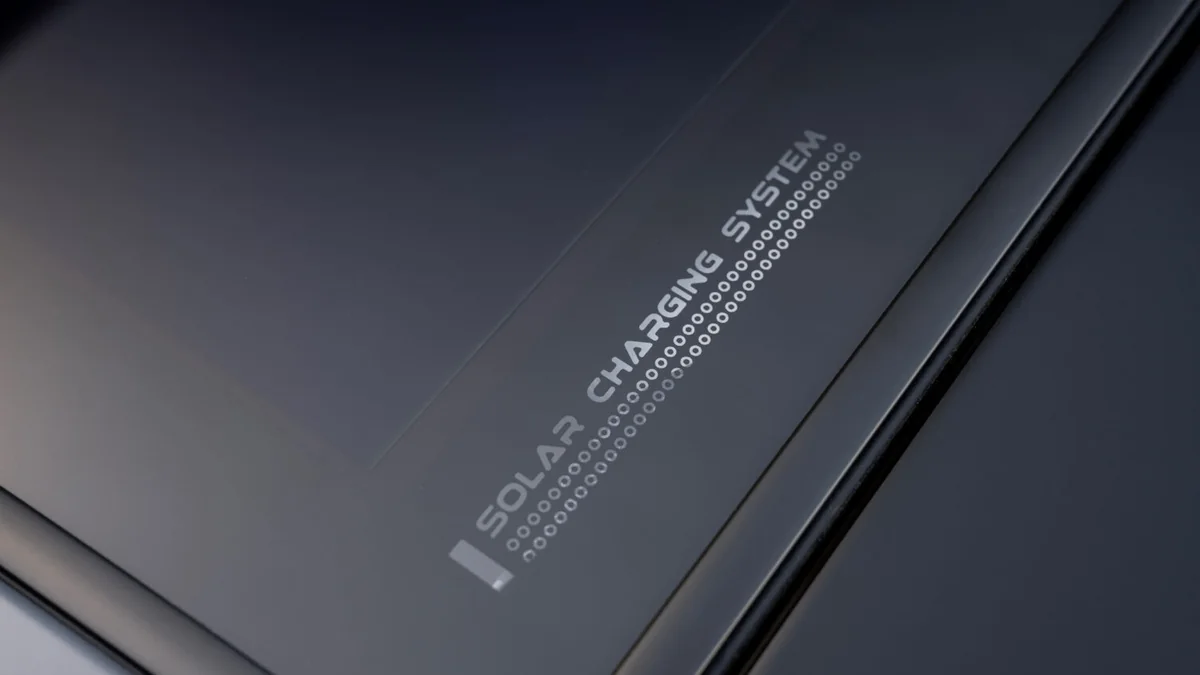
XSE adds a power driver’s seat, heated SofTex upholstery, wireless charging and parking assistance. Nightshade is mainly the visual choice, with black trim and wheels. XSE Premium adds ventilated front seats, a larger standard display, upgraded audio, memory for the driver’s seat and a power liftback. A limited-availability solar roof can support battery charging while parked, but I would never price the car around an optimistic assumption of how much energy it will generate in my specific parking conditions.
The Southeast Asia Ownership Catch
The U.S. car is built in Japan, but that does not make U.S. specifications universal. Charging connector details, infotainment services, navigation, warranty coverage, roadside assistance and parts supply can differ by country. Toyota Canada also announced its own 2027 Prius family, reinforcing that regional equipment and pricing must be checked separately.
For Vietnam, Thailand or Cambodia, I would compare the official local or importer warranty against alternatives rather than convert the American MSRP. If charging is impossible, the regular Prius may be the cleaner purchase. If you need more cargo space or an SUV shape, compare the ownership case with a Mitsubishi Outlander PHEV battery and price check. If you want a smaller electrified city car, the BYD Dolphin plug-in hybrid question shows a different compromise.
What I Would Check Before Buying
- Measure your real daily mileage and how many nights per week you can charge.
- Get a written installed price for a safe home charging circuit if needed.
- Confirm the charge cable, connector and electrical standard for the delivered car.
- Compare insurance and tire prices across SE and 19-inch-wheel grades.
- Test rear-seat headroom, outward visibility and cargo access with your normal passengers.
- Verify hybrid-battery warranty and service support in the registration country.
Frequently Asked Questions
How far can the 2027 Prius Plug-in Hybrid drive on electricity?
Toyota lists an EPA-estimated 44 miles for the SE and 39 miles for XSE, Nightshade and XSE Premium. Real range varies with conditions and use.
How long does charging take?
Toyota estimates about 11 hours on a standard 120-volt outlet and about four hours on Level 2 under ideal conditions.
What is the cheapest 2027 Prius Plug-in Hybrid?
The U.S.-market SE has a stated base MSRP of $33,980, excluding the announced $1,295 processing and handling fee.
Can it run if I cannot find a charger?
Yes. It operates as a hybrid after usable EV charge is depleted, but a buyer who rarely charges may not get enough value from the plug-in hardware.
Dr. Worry’s Final Recommendation
Buy the 2027 Prius Plug-in Hybrid SE if home charging is dependable, 44 rated miles cover much of your routine and you value long-trip flexibility. Choose an upper trim only for features you will use every week. Without regular charging or solid local warranty support, I would choose a conventional hybrid instead of paying for capability that sits idle.