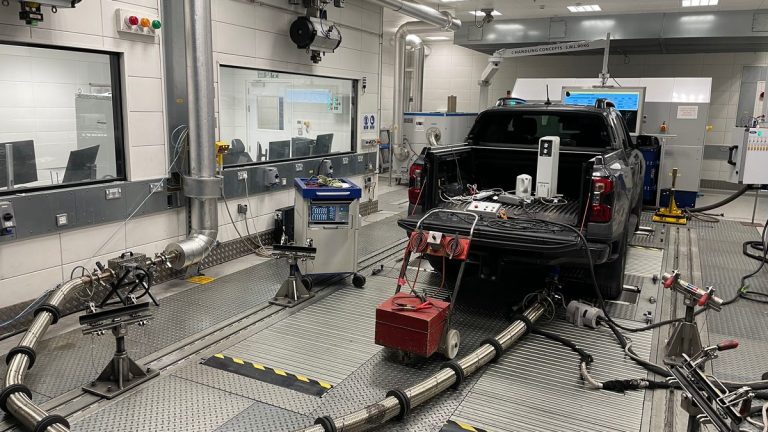
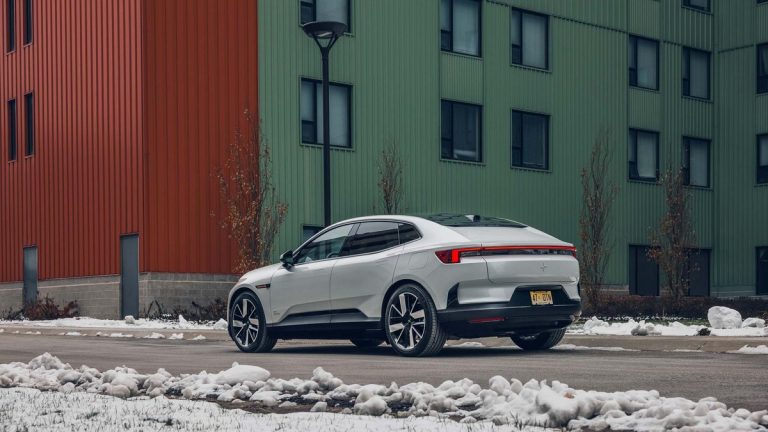
Dongfeng’s new Mach Power 2.0T hybrid engine has been certified at a peak thermal efficiency of 45.5%, according to reports from Motor1 and CarNewsChina. That sounds like a number for engineers, not normal drivers. But hybrid engine efficiency matters because it can affect fuel use, long-distance economy, and how well a hybrid SUV performs when the battery is low.
Dr. Worry verdict: 45.5% thermal efficiency is impressive, especially for a 2.0-liter turbo engine designed for hybrid SUVs. But buyers should not read it as a guaranteed real-world fuel economy number. It is a peak lab result. The car, gearbox, battery, software, weight, tires, speed, and driving style still decide the fuel bill.
What does thermal efficiency mean?
Thermal efficiency describes how much of the energy in fuel is converted into useful work instead of being wasted as heat. In a petrol engine, much of the fuel’s energy disappears through exhaust heat, cooling losses, friction, and pumping losses. A higher thermal-efficiency number means the engine is better at turning fuel into motion or electricity.
For simple understanding, imagine buying 100 units of fuel energy. If an engine reaches 45.5% thermal efficiency at its best operating point, about 45.5 units can be turned into useful work under those conditions. The rest is still lost. That is why even a very advanced combustion engine is not magically waste-free.
Why hybrid engines can chase higher efficiency
A normal petrol car engine has to work across many awkward situations: crawling traffic, sudden acceleration, highway cruising, hills, and idle time. A hybrid system gives engineers more control. The electric motor can handle low-speed driving and instant torque, while the engine can be tuned to operate more often in its efficient zone.
This is why hybrid-specific engines often use unusual strategies such as long-stroke design, Atkinson or Miller-cycle behavior, cooled exhaust gas recirculation, high compression, and aggressive friction reduction. The goal is not always maximum horsepower. The goal is to burn fuel at the most useful moment.
What Dongfeng is claiming
Reports say Dongfeng’s 2.0T hybrid engine uses a new MAKC combustion system, 350-bar direct injection, high-energy ignition, low-pressure EGR, a variable-geometry turbo, and low-friction DLC coatings. The engine is designed for hybrid duty in larger vehicles, not just small economy cars.
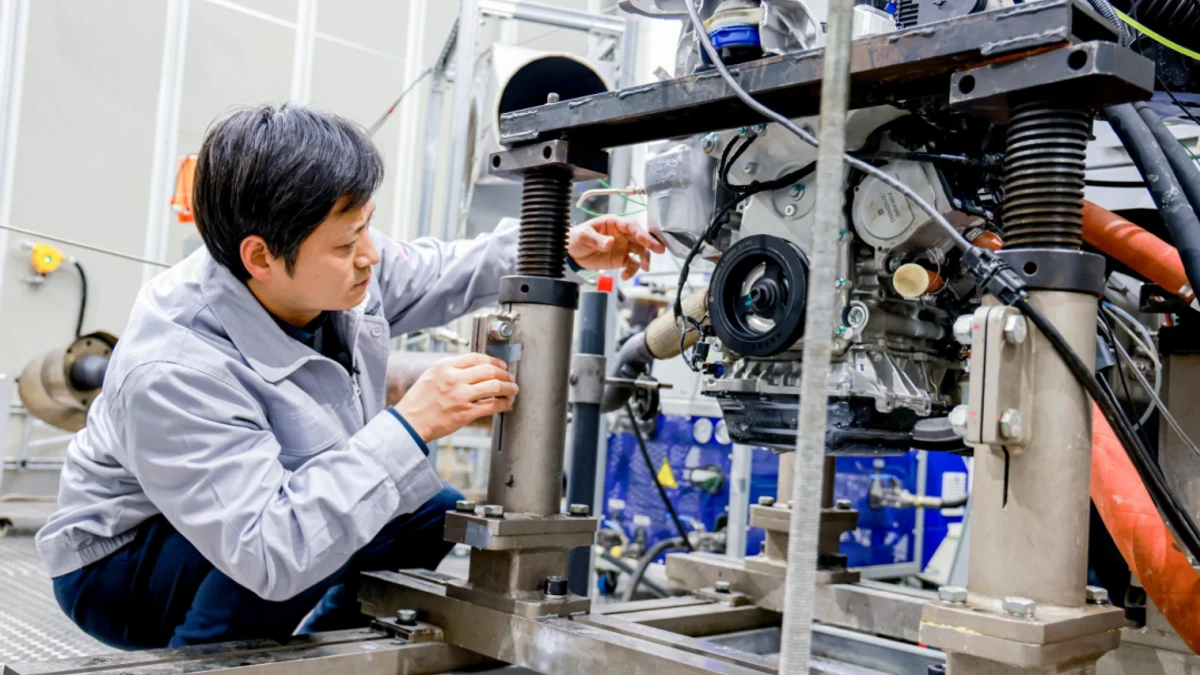
That is the important part. A 1.5-liter hybrid engine chasing efficiency is now common. A 2.0-liter turbo hybrid engine reaching a high peak efficiency target matters because larger SUVs and heavier vehicles need both power and economy. Buyers want strong highway performance, but they also want lower fuel consumption when the vehicle is not using battery power alone.
What this could mean for real buyers
If this kind of engine is paired with a well-tuned hybrid system, buyers may see better fuel economy during long trips, more stable performance when the battery is depleted, and less fuel waste when the engine is being used as a generator or highway power source.
For plug-in hybrid SUVs, this is especially relevant. Many PHEVs look efficient when the battery is full, but become ordinary or even thirsty once the battery is low. A more efficient petrol engine helps keep the car reasonable after the electric range is gone.
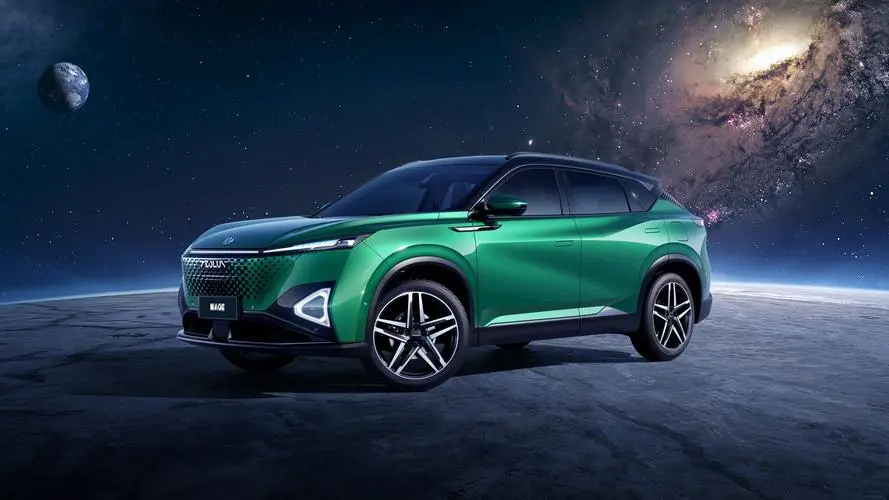
For markets where charging is still inconsistent, efficient hybrid engines can be very practical. They allow buyers to enjoy some electric driving without depending completely on the charging network.
What buyers should not misunderstand
Do not compare a 45.5% thermal-efficiency number directly with a brochure fuel-consumption number. They are not the same thing. Thermal efficiency is about the engine’s best energy-conversion point. Fuel consumption is about the whole vehicle over a test cycle or real road use.
A heavy SUV with a high-efficiency engine can still use more fuel than a lighter car with a lower peak efficiency number. Aerodynamics, curb weight, tire size, battery state of charge, climate control, route, and driving speed all matter.
Also, peak efficiency does not mean the engine stays at 45.5% all the time. It may only hit that point under specific load and speed conditions. Good hybrid software tries to keep the engine near that zone, but real driving is messy.
Why China is pushing hybrid efficiency hard
China’s car market is no longer only about full EVs. Plug-in hybrids and range-extended EVs have become major growth areas because they solve two buyer worries at once: low running cost in town and long-range flexibility outside town.
That is why brands such as Dongfeng, Geely, Chery, BYD, and others are racing to improve hybrid systems. The competition is not just about bigger batteries. It is also about smarter engines that use less fuel when electricity alone is not enough.
Dr. Worry recommendation
Hybrid engine efficiency is worth watching, but it should be treated as one clue, not the whole answer. A high-efficiency engine is promising only when the complete vehicle is well engineered.
Before buying a hybrid or PHEV, look for real-world fuel economy tests, battery warranty, service support, hybrid system reliability, and how the car behaves when the battery is low. The best hybrid is not the one with the most impressive single number. It is the one that stays efficient, reliable, and easy to live with after the excitement of the launch article fades.
FAQ
Is 45.5% thermal efficiency good for a petrol engine?
Yes. It is a strong result, especially for a 2.0-liter turbo engine designed for hybrid SUVs and heavier vehicles.
Does higher thermal efficiency always mean lower fuel consumption?
Not always. It helps, but real fuel consumption also depends on vehicle weight, battery system, software tuning, speed, tires, and driving conditions.
Why do hybrids use special engines?
Hybrids can let the petrol engine work more often in its efficient range while the electric motor handles low-speed torque and short bursts of power.
Should I buy a hybrid only because its engine has high efficiency?
No. Treat engine efficiency as one positive sign. You should also check real-world reviews, service support, warranty terms, and long-term reliability.