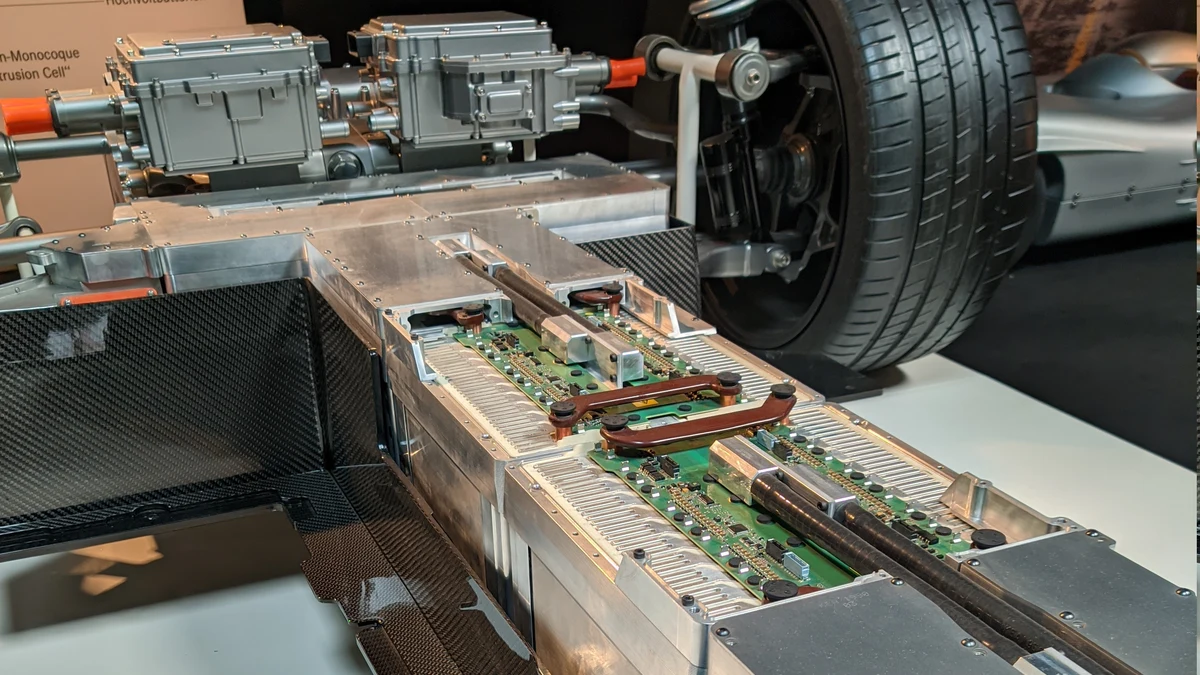
Dr. Worry’s verdict: I would buy a used EV only after seeing a battery-health result tied to the car’s VIN, a sensible charging test and the remaining battery-warranty terms in writing. A dashboard range estimate alone is not proof. If the seller will not allow an independent diagnostic check, I would treat that refusal as a price-changing risk—or walk away.
A used electric car can be excellent value because the traction battery usually degrades gradually, not on a neat birthday. That is also the catch: two cars of the same age and mileage can offer meaningfully different usable energy because of temperature, storage, charging habits, software and cell condition. In Vietnam and the wider Southeast Asian market, heat, imported-car support and incomplete service records make evidence more important than reassuring sales language.
Quick Takeaways
- Ask for a VIN-linked diagnostic report, not a photograph of the dashboard range.
- State of health is useful, but the method and reference capacity must be explained.
- Test AC charging, DC fast charging where practical, thermal management and warning history.
- Confirm the battery warranty applies in your country and transfers to the next owner.
- Price the car around verified usable range for your route, not its original brochure figure.
Why the Dashboard Range Is Not a Battery Test
The predicted range on an EV display is an estimate based on recent driving, temperature, climate-control use and software assumptions. A gently driven car may show an optimistic number; a car just driven quickly may look worse than it is. Changing the charge level or resetting consumption history can also alter the estimate without changing battery capacity.
I want three separate answers: how much energy the pack can use now, whether its cells behave consistently, and whether the car can charge and control battery temperature normally. A state-of-health percentage can help with the first question, but it is not universal. Consumer Reports notes that buyers can obtain a basic battery-health report through a qualified mechanic or suitable diagnostic tools. Zemo Partnership guidance also warns that used-EV state-of-health reporting is not yet standardized across every vehicle and provider.
The Evidence I Ask the Seller to Produce
First, I request a manufacturer or specialist diagnostic printout showing the VIN, odometer, date, state of health or usable capacity, and any battery or charging fault codes. If the report only says “good,” I ask what good means. Is the percentage calculated against original gross capacity, original usable capacity, or a software estimate? Has the battery-management system recently been reset or updated?
Second, I compare that report with the car’s service history. A replacement module, pack repair or software campaign is not automatically bad, but it must be documented. I also verify whether open recalls exist and whether the high-voltage warranty transfers. A warranty issued in another market may not protect an imported vehicle in Vietnam, Cambodia or Thailand. I never assume that an eight-year headline follows the car across borders.
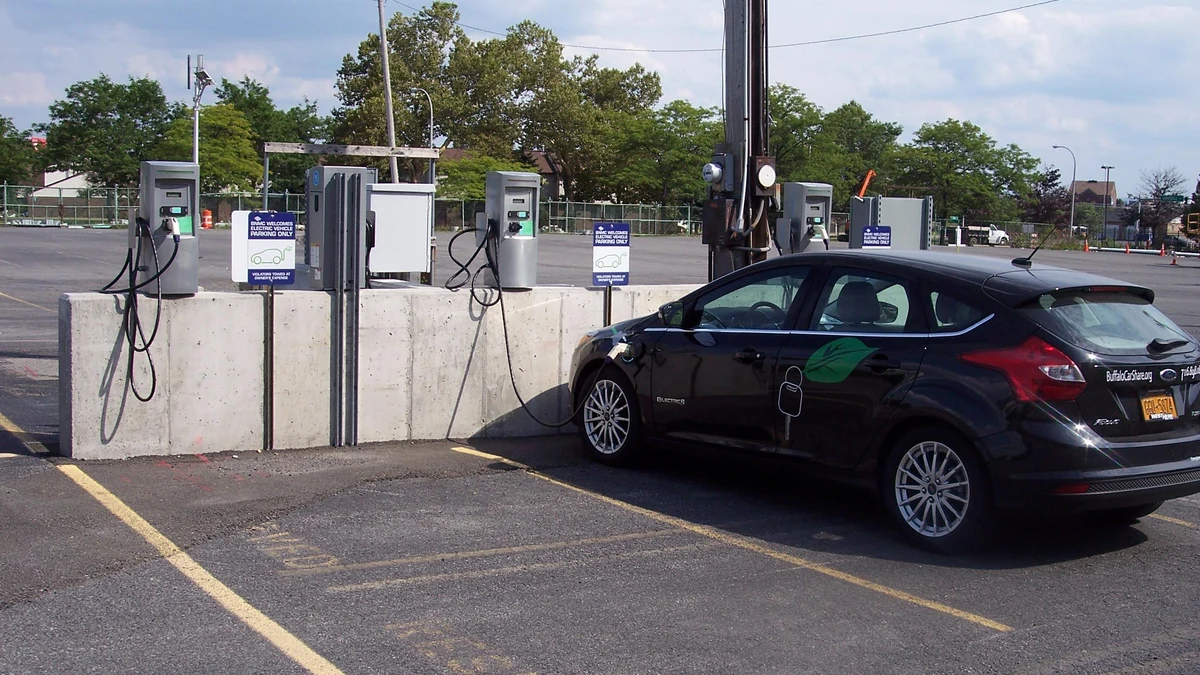
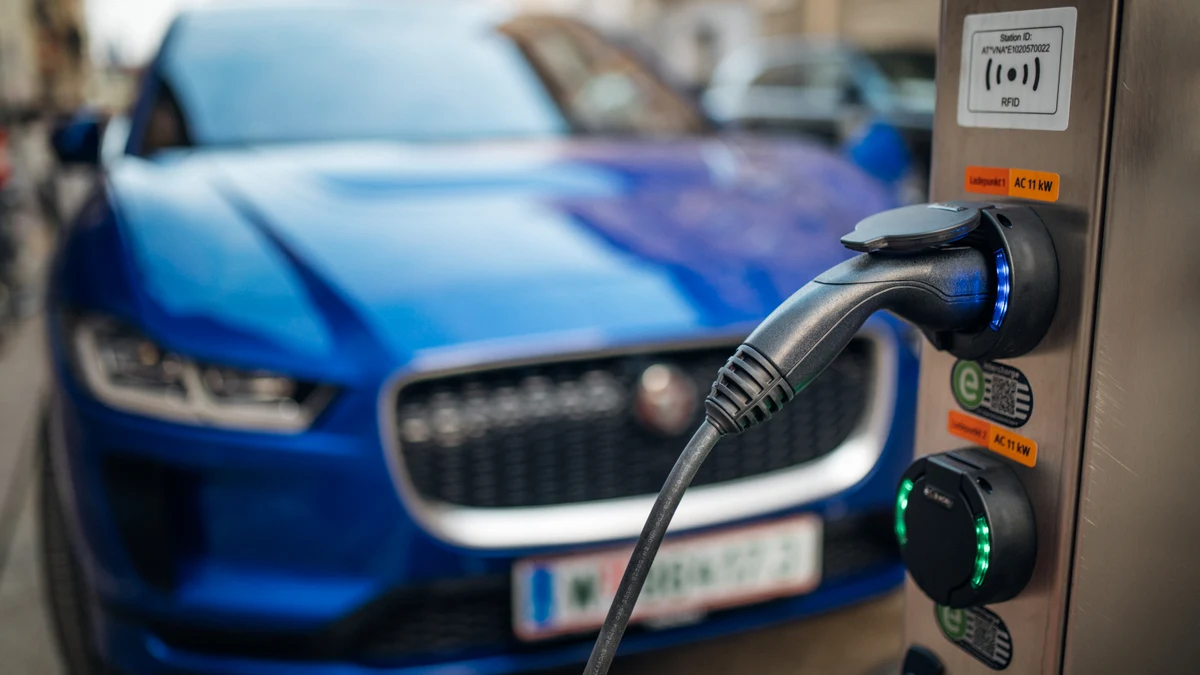
Third, I inspect charging behavior. The car should accept AC charging without repeated interruptions. If DC fast charging is central to the purchase, I arrange a controlled session with the battery at an appropriate starting temperature and charge level. Charging power naturally tapers as the pack fills, so one peak number is not enough. I watch for warnings, abrupt power collapse, cooling fans behaving abnormally and a connector that becomes excessively hot.
How I Turn Battery Data Into a Real Range Decision
I start with the car’s verified usable energy, then apply realistic consumption for the route. Heat may reduce the penalty from cabin heating compared with a cold country, but strong air-conditioning, rain, traffic, high speed and elevation still matter. If the owner cannot provide a credible usable-capacity number, I conduct a measured drive from a known state of charge and compare energy used with distance—not as laboratory proof, but as a reasonableness check.
For background on the hardware and energy flow, WorryCars’ plain-English guide to how electric cars work is a useful starting point. The high-mileage Tesla Model Y battery and charging check also shows why mileage by itself cannot settle the condition question.
Cell Balance, Temperature and Fault History
A pack can show an acceptable overall state of health while one weak group of cells limits performance at low charge or under load. I ask a qualified technician to review cell-voltage spread, temperature-sensor plausibility and stored or pending battery codes. The correct thresholds are model-specific, so I do not apply a random internet number to every EV.
Thermal management matters in Southeast Asia. I check that coolant service requirements have been followed where the pack uses liquid cooling, that the underbody enclosure has no impact damage, and that vents are unobstructed on air-cooled designs. Any sign of flood exposure raises the standard sharply; use the flood-damaged used-car inspection checklist before accepting a clean-looking cabin as proof.
What I Would Check Before Buying
- Match VIN, odometer and report date to the actual car.
- Confirm the diagnostic method and the capacity reference behind the percentage.
- Scan active, pending and historical battery, charging and thermal-system codes.
- Inspect the pack enclosure, jacking points, coolant system and charging inlet.
- Run AC charging and, if relevant, a properly controlled DC charging session.
- Confirm local warranty transfer, exclusions, claim procedure and service access in writing.
- Calculate route range with a reserve for rain, traffic, aging and detours.
Common Buying Mistakes
The first mistake is rejecting every car below 100 percent health. Normal degradation is not a defect, and a sensibly priced car with adequate range may be the better buy. The second is trusting a single app screenshot without knowing its source. The third is paying for battery capacity you do not need while ignoring tires, suspension, collision history, air-conditioning and 12-volt battery condition.
I also avoid claims that frequent fast charging automatically ruins a pack. Charging history is one factor among chemistry, temperature control, time at very high charge, deep cycling and software limits. The right question is not “Was it fast-charged?” but “What does this battery do now, and is the evidence repeatable?”
Frequently Asked Questions
What state of health is acceptable for a used EV?
There is no universal pass mark. I compare verified usable capacity with the buyer’s required range, price, warranty and the model’s normal degradation pattern. The test method must be credible.
Can I trust the range shown at 100 percent?
Not by itself. It is a prediction influenced by recent use. Combine it with diagnostics, energy consumption on a measured drive and charging behavior.
Does low mileage guarantee a healthy battery?
No. Calendar age, prolonged storage at high charge, heat and faults can matter. A higher-mileage car with strong evidence may be safer than a low-mileage car with none.
Should I avoid a repaired or replaced battery?
Not automatically. I require invoices, part details, technician competence, remaining warranty and a clean post-repair diagnostic result. Undocumented pack work is the real warning.
Dr. Worry’s Final Recommendation
I would make battery evidence a condition of sale, not an optional favor after a deposit. Buy the range and support network you can verify today. If the report is vague, the warranty is not valid locally or charging cannot be demonstrated, discount the risk heavily or choose another car. A good used EV should survive calm, repeatable questions.