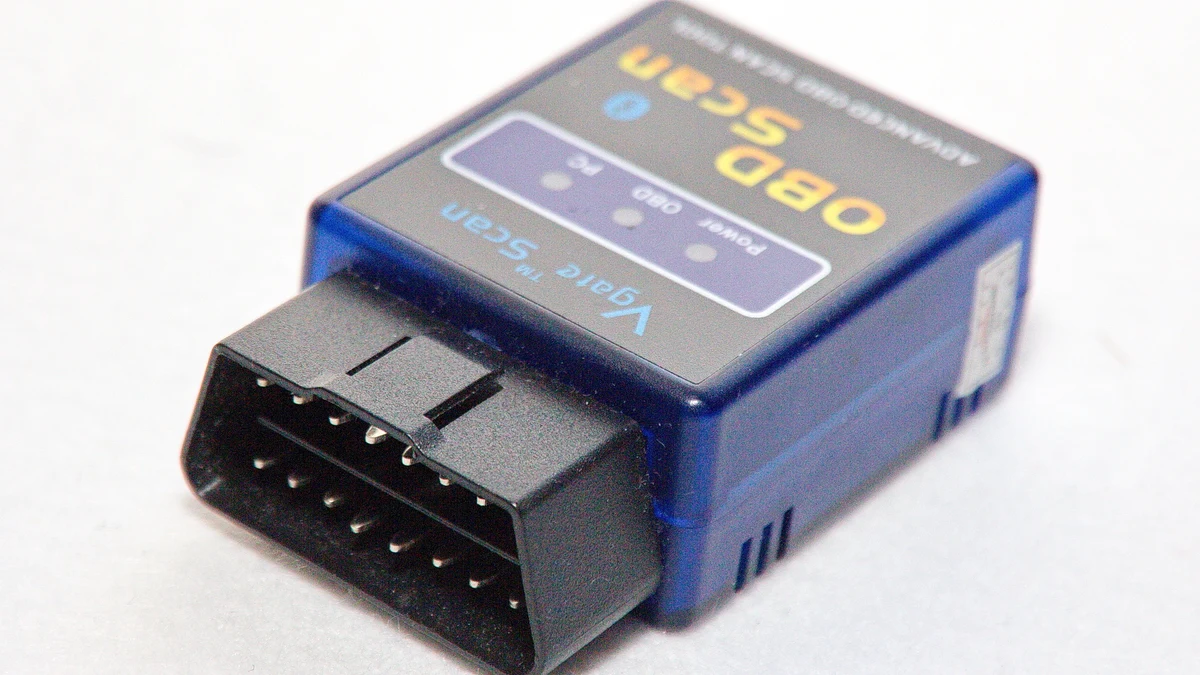
Dr. Worry’s verdict: I would not complete a used-car purchase when several OBD readiness monitors show “not ready” until the seller explains the reset and the car completes the correct drive cycle without returning faults. Incomplete monitors do not prove fraud, but they do prove that parts of the emissions self-test have not yet delivered a result.
A cheap scan can show no check-engine light and no active code, yet still leave an important question unanswered: did the car genuinely pass its own tests, or were the results recently erased? Readiness status is the clue many buyers miss. It is particularly useful on imported petrol cars, where local inspection rules, software access and repair history may differ from the car’s original market.
Quick Takeaways
- “Not ready” means a monitor has not completed, not that it passed.
- Battery disconnection, repairs and code clearing can all reset readiness honestly.
- A cluster of incomplete monitors immediately before sale deserves delay and retesting.
- Read active, pending and permanent codes as well as readiness status.
- Use vehicle-specific drive-cycle guidance; a random distance promise is unreliable.
What an OBD Readiness Monitor Actually Does
The engine computer checks emissions-related systems through monitors. Some operate continuously; others need particular combinations of temperature, fuel level, speed, load and time. Depending on the vehicle, non-continuous monitors may cover the catalyst, oxygen sensors, evaporative system, exhaust-gas recirculation or secondary-air equipment.
EPA guidance describes three broad states: ready, meaning the relevant evaluation has completed; not ready, meaning it has not completed; and not applicable or unsupported, meaning the vehicle is not equipped with that monitor. A generic scanner must therefore be interpreted against the exact model, year, engine and market. “Unsupported” is not the same as “incomplete.”
Why Clearing Codes Creates a Buying Blind Spot
When diagnostic trouble codes are cleared, readiness results are generally reset. Disconnecting or replacing the 12-volt battery can have the same effect. EPA specifically recognizes recent maintenance, battery disconnection, unusual drive conditions, system anomalies and attempted concealment as possible reasons for unset monitors. That is why I never accuse the seller from one screen.
I ask what work occurred, request the invoice and compare dates. A fresh battery with a valid receipt may explain the reset. So might a completed repair followed by too little driving. But “the workshop cleared it and everything is fine” is not evidence that the catalyst, oxygen sensor or evaporative system has since tested successfully.
The Scan Data I Want Before a Deposit
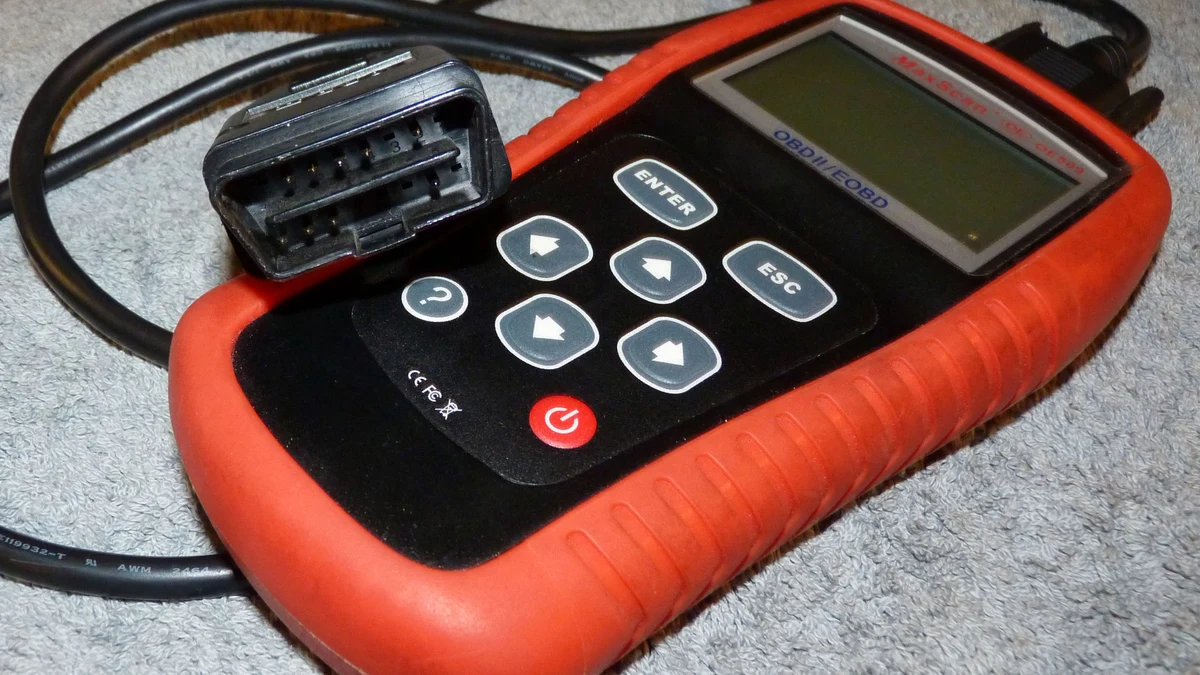
I start with the vehicle identification number, odometer and ECU identity to reduce the chance of scanning the wrong configuration. Then I record malfunction-indicator status, active codes, pending codes, permanent codes where supported, freeze-frame data and all readiness monitors. I do not press “clear codes.” The point is to preserve evidence.
Pending codes matter because a fault may have appeared on one trip without yet meeting the logic to illuminate the warning lamp. Permanent codes, on vehicles that support them, can remain after a repair until the computer verifies that the fault is gone. Scanner coverage varies, so a generic tool is a first filter, not proof that every manufacturer module is clean.
How I Respond to Incomplete Monitors
If one monitor is incomplete, I check whether that model has known testability quirks and whether local inspection rules allow it. The United States rules often cited online do not automatically apply in Vietnam or another import market. California, Texas and New York publish their own procedures, and even those distinguish model years and special cases.
If several monitors are incomplete, I pause the transaction. The seller should drive the manufacturer-specified cycle or permit an independent technician to do so. NY DMV explains that a drive cycle uses defined operating conditions; simply promising to drive an arbitrary 50 or 100 kilometers is not reliable. I rescan after enough normal operation and at least one cold start where required. If a pending code, warning lamp or failed monitor emerges, the underlying system needs diagnosis.
What Readiness Cannot Tell You
A ready status does not certify the entire car. It does not measure transmission wear, cooling-system pressure, crash repair, brake condition, air-conditioning performance, odometer integrity or flood history. It also does not prove that emissions hardware has never been modified. A sophisticated inspection compares scan data with physical hardware, service records and road behavior.
Use the flood-damaged used-car inspection checklist for hidden corrosion and module clues, and the Honda SUV used-car recall check as an example of why VIN-specific safety history belongs beside diagnostics. If problems surface after purchase, preserve advertisements, scan reports and invoices using WorryCars’ used-car problem action plan.
What I Would Check Before Buying
- Scan before anyone clears codes or disconnects the battery.
- Save VIN, odometer, ECU identity and the complete scan report.
- Record active, pending and permanent codes plus freeze-frame data.
- Separate ready, not ready and unsupported monitors correctly.
- Match any claimed repair or battery replacement to dated paperwork.
- Use model-specific drive-cycle information and rescan after completion.
- Inspect emissions hardware physically and complete the wider pre-purchase check.
How Sellers and Buyers Can Handle This Fairly
A fair seller should welcome a non-destructive scan and provide time for the monitors to run. A fair buyer should recognize that a legitimate battery replacement can reset them. I would agree in writing that the sale remains conditional on a clean rescan, rather than arguing about motives.
For an imported car, I also confirm whether replacement catalysts, oxygen sensors and software support are available locally. A small emissions fault can become an expensive ownership problem when the correct part, programming access or specialist is missing. The cheap purchase price does not make that risk disappear.
Frequently Asked Questions
Does “not ready” mean the car has failed?
It means the monitor has not completed. The cause may be innocent or concerning. The car needs the correct drive conditions and a rescan before you know the result.
Can a seller hide a check-engine light by clearing codes?
Clearing codes can turn off the light temporarily and reset readiness. That is why buyers check monitor status, pending codes and repair history before paying.
How long does a drive cycle take?
There is no universal distance. Conditions vary by manufacturer and monitor, and the evaporative test may require a particular fuel level and ambient condition.
Should I clear codes during an inspection?
No. Clearing destroys useful evidence and resets monitors. Save the report, diagnose the cause and let the seller authorize any repair work.
Dr. Worry’s Final Recommendation
I treat incomplete readiness as a reason to wait, document and retest—not as automatic proof of dishonesty. The safest purchase is the car that can complete its self-tests, retain clean results and still pass a full independent mechanical inspection. If the seller demands immediate payment before that evidence exists, I would choose another car.